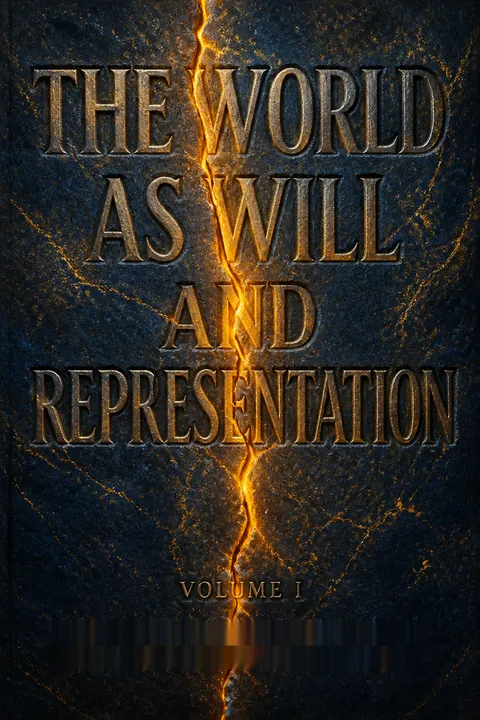

Kluczowe wnioski
1. Świat jako przedstawienie i wola
„Świat jest moim przedstawieniem” – to prawda obowiązująca wobec każdego żywego i poznającego bytu, choć tylko człowiek potrafi uczynić ją przedmiotem refleksji i abstrakcyjnej świadomości.
Podwójna natura istnienia. Schopenhauer proponuje rewolucyjne rozumienie rzeczywistości jako jednocześnie przedstawienia i woli. Świat nie istnieje jako obiektywna, zewnętrzna rzeczywistość, lecz jako przedstawienie tworzone przez podmiot poznający, z ukrytą istotą woli, która napędza wszystkie zjawiska.
Warstwy percepcji. Nasze poznanie świata jest zasadniczo ograniczone przez możliwości percepcyjne. Możemy znać rzeczy tylko tak, jak się nam jawią, a nie takimi, jakimi są same w sobie. Oznacza to, że:
- Rzeczywistość zawsze jest pośredniczona przez naszą świadomość,
- To, co postrzegamy, to jedynie powierzchnia głębszej rzeczywistości,
- Nasza indywidualna perspektywa kształtuje rozumienie świata.
Świadomość jako twórca. Świat nie istnieje niezależnie od naszego postrzegania, lecz jest nieustannie tworzone przez naszą świadomość. Każdy człowiek konstruuje własną rzeczywistość, czyniąc świat dynamicznym, subiektywnym doświadczeniem, a nie stałym, obiektywnym bytem.
2. Wola jako wewnętrzna istota rzeczywistości
„Wola sama jest; jest rzeczą samą w sobie, źródłem wszystkich tych zjawisk.”
Podstawowy impuls. Wola to nie tylko ludzka wola, lecz pierwotna energia ożywiająca całe istnienie. Od najprostszych sił fizycznych po złożone motywacje ludzkie – wola stanowi pierwotny impuls stojący za wszystkimi przejawami rzeczywistości.
Cechy woli:
- Zasadniczo irracjonalna i pozbawiona celu,
- Nieskończona i nienasycona,
- Istnieje poza czasem i indywidualnym doświadczeniem,
- Objawia się na różnych poziomach złożoności.
Uniwersalne dążenie. Każde zjawisko, od spadającego kamienia po ludzkie pragnienie, jest manifestacją tej fundamentalnej woli. Świat to nieustanna walka konkurujących woli, bez ostatecznego rozwiązania czy celu poza wiecznym stawaniem się.
3. Zasada wystarczającego powodu ogranicza nasze poznanie
„Zasada wystarczającego powodu jest uniwersalną formą każdego zjawiska, a człowiek w swoim działaniu, jak każde inne zjawisko, musi jej podlegać.”
Granice poznawcze. Zasada wystarczającego powodu ogranicza ludzką wiedzę, wymagając, by każde zdarzenie miało przyczynę lub wyjaśnienie. To ograniczenie uniemożliwia nam prawdziwe zrozumienie fundamentalnej natury rzeczywistości.
Formy wyjaśnienia:
- Związki przyczynowe,
- Rozumowanie logiczne,
- Następstwo czasowe,
- Powiązania przestrzenne.
Intelektualne ograniczenie. Choć zasada ta umożliwia naukowe poznanie, jednocześnie uniemożliwia zrozumienie głębszej, irracjonalnej istoty istnienia. Nasz rozum może dostrzegać jedynie powierzchowne relacje, nigdy zaś ukrytej woli.
4. Percepcja i poznanie są zasadniczo różne
„Poznanie percepcyjne stoi w bezpośredniej opozycji do poznania racjonalnego lub abstrakcyjnego, które kieruje się zasadą podstawy poznania.”
Tryby rozumienia. Schopenhauer rozróżnia poznanie percepcyjne (bezpośrednie, intuicyjne) oraz poznanie racjonalne (abstrakcyjne, pojęciowe). Reprezentują one zasadniczo odmienne sposoby doświadczania i pojmowania rzeczywistości.
Cechy poznania:
- Poznanie percepcyjne jest bezpośrednie i całościowe,
- Poznanie racjonalne jest pośrednie i analityczne,
- Poznanie percepcyjne uchwyca istotę,
- Poznanie racjonalne ujmuje relacje.
Ograniczenia racjonalności. Czysta myśl racjonalna nigdy nie pojmie w pełni złożoności przeżywanego doświadczenia. Prawdziwe zrozumienie wymaga równowagi między intuicyjną percepcją a pojęciowym rozumowaniem.
5. Sztuka ukazuje głębszą naturę rzeczywistości
„Sztuka powtarza wieczne Idee uchwycone przez czystą kontemplację, istotny i trwały element wszystkich zjawisk świata.”
Estetyczne wglądy. Sztuka przekracza indywidualne postrzeganie, pozwalając nam dostrzec ukryte Idee lub wieczne formy, które stanowią głębszą strukturę rzeczywistości. Poprzez doświadczenie estetyczne możemy chwilowo uwolnić się od indywidualnej woli.
Cechy sztuki:
- Ujmuje uniwersalną istotę,
- Wyzwala od osobistych pragnień,
- Odsłania fundamentalne wzory,
- Zapewnia chwilowe transcendencje.
Twórcza percepcja. Artyści posiadają wyjątkową zdolność dostrzegania i przekazywania tych fundamentalnych Idei, czyniąc sztukę głębokim sposobem filozoficznego poznania wykraczającym poza rozumowy dyskurs.
6. Sublimność przekracza indywidualne doświadczenie
„Tu jest wywołana przez widok mocy nieporównanie przewyższającej jednostkę i grożącej jej unicestwieniem.”
Doświadczenie transcendentne. Sublimność to momenty, gdy indywidualne ludzkie doświadczenie staje wobec przytłaczających sił natury, ukazując naszą jednoczesną nieistotność i głębokie powiązanie z uniwersalnym istnieniem.
Przeżycia sublimne:
- Konfrontacja z rozległymi krajobrazami natury,
- Doświadczanie ogromu kosmicznych rozmiarów,
- Obserwacja głębokich zjawisk naturalnych,
- Uświadomienie sobie ludzkich ograniczeń.
Psychologiczna przemiana. Takie doświadczenia chwilowo uwalniają nas od indywidualnych trosk, łącząc z szerszym rozumieniem rzeczywistości.
7. Kontemplacja estetyczna wyzwala nas z woli
„Gdy jednak zewnętrzna przyczyna lub wewnętrzne usposobienie nagle wyrywa nas z niekończącego się nurtu woli... uwaga nie jest już skierowana na motywy woli.”
Chwilowa wolność. Doświadczenia estetyczne dają tymczasową ucieczkę od nieustannego cyklu pragnień i cierpienia, które charakteryzują ludzkie istnienie. Zawieszając indywidualną wolę, osiągamy stan czystej percepcji.
Mechanizmy wyzwolenia:
- Oderwanie od osobistych pragnień,
- Czysta, obiektywna obserwacja,
- Transcendencja indywidualnej perspektywy,
- Chwilowy spokój.
Przemiana świadomości. Poprzez kontemplację estetyczną możemy na krótko doświadczyć stanu spokojnej, pozbawionej woli świadomości, wykraczającej poza indywidualne cierpienie.
8. Idee są wiecznymi formami istnienia
„Idee są trwałymi, istotnymi formami świata i wszystkich jego zjawisk.”
Platoniczne pojmowanie. Idee to wieczne, niezmienne wzory leżące u podstaw wszelkiego zjawiskowego istnienia. Są fundamentalnymi archetypami, z których wyłaniają się indywidualne przejawy.
Cechy idei:
- Ponadczasowe i niezmienne,
- Uniwersalne i istotne,
- Bardziej realne niż indywidualne zjawiska,
- Dostępne poprzez głęboką percepcję.
Metafizyczna rama. Idee stanowią pomost między przemijającym światem doświadczenia a wieczną sferą fundamentalnych form.
9. Ludzkie cierpienie wynika z nieustannego pragnienia
„Cała wola bierze swój początek z braku, z niedostatku, a więc z cierpienia.”
Egzystencjalna kondycja. Ludzkie istnienie cechuje nieustanne pragnienie, gdzie każde spełnione życzenie natychmiast rodzi nowe, tworząc niekończący się cykl niezadowolenia.
Dynamika cierpienia:
- Pragnienie rodzi się z odczuwanego braku,
- Spełnienie jest chwilowe,
- Nowe pragnienia nieustannie się pojawiają,
- Szczęście jest przemijające.
Filozoficzna refleksja. Prawdziwy spokój nie pochodzi z zaspokajania pragnień, lecz z przekroczenia samego mechanizmu chcenia.
10. Geniusz widzi poza indywidualną percepcją
„Geniusz to zdolność pozostania w stanie czystej percepcji, zatracenia się w percepcji.”
Nadzwyczajne postrzeganie. Geniusz to podwyższony stan świadomości, który potrafi dostrzec uniwersalne Idee wykraczające poza indywidualne, ograniczone doświadczenie.
Cechy geniuszu:
- Umiejętność dostrzegania uniwersalnych wzorców,
- Oderwanie od osobistych interesów,
- Głębokie intuicyjne zrozumienie,
- Transcendencja zwykłej percepcji.
Twórczy wgląd. Geniusze posiadają wyjątkową zdolność chwilowego wyzwolenia się z indywidualnych ograniczeń i dostrzeżenia fundamentalnych prawd o istnieniu.
Podsumowanie recenzji
Świat jako wola i przedstawienie to wymagające dzieło filozoficzne, które zgłębia zagadnienia metafizyki, epistemologii oraz etyki. Czytelnicy często podkreślają klarowność i przystępność stylu Schopenhauera w porównaniu z innymi filozofami, choć jego pesymistyczna wizja świata może być dla niektórych zniechęcająca. Książka przedstawia spójną teorię rzeczywistości opartą na pojęciach woli i przedstawienia, czerpiąc inspiracje zarówno z filozofii Kanta, jak i tradycji wschodnich. Mimo że niektórzy mają trudności z jej obszernością i złożonymi argumentami, wielu docenia unikalne spostrzeżenia Schopenhauera dotyczące natury ludzkiej, sztuki oraz kondycji człowieka. Ogólnie rzecz biorąc, jest to ważny i wpływowy tekst filozoficzny, który jednak wymaga uważnej i systematycznej lektury.
Inni czytali również



FAQ
What's The World as Will and Representation about?
- Philosophical Exploration: The book presents Arthur Schopenhauer's philosophy, which posits that the world is fundamentally a representation shaped by our perceptions and consciousness.
- Will as Central Concept: Schopenhauer argues that the essence of reality is the "will," which is the driving force behind all phenomena, contrasting with mere representation.
- Dual Nature of Existence: The text explores the duality of existence, where the world is both representation (how we perceive it) and will (the underlying reality).
Why should I read The World as Will and Representation?
- Influential Philosophy: Schopenhauer's work has significantly influenced existentialism, psychology, and the arts, making it essential for understanding modern thought.
- Deep Insights: The book offers profound insights into human existence, suffering, and the nature of reality, encouraging readers to reflect on their own lives.
- Unique Perspective: Schopenhauer's perspective on the will as the essence of life provides a unique lens through which to view human motivation and behavior.
What are the key takeaways of The World as Will and Representation?
- Representation vs. Will: The distinction between the world as representation and the world as will is central, emphasizing that our perceptions shape our understanding of reality.
- Suffering and Desire: Schopenhauer discusses how human suffering arises from unfulfilled desires, linking this to the nature of the will.
- Art and Aesthetics: The book highlights the role of art as a means to transcend the suffering of existence, offering a glimpse of the will's true nature.
What are the best quotes from The World as Will and Representation and what do they mean?
- "The world is my representation": This quote encapsulates the idea that our understanding of the world is subjective and shaped by our perceptions.
- "The will is the thing-in-itself": This statement asserts that the will is the true essence of reality, beyond mere appearances and representations.
- "Life is a dream": Schopenhauer suggests that our experiences may be illusory, emphasizing the transient nature of existence and the importance of seeking deeper truths.
How does Schopenhauer define the concept of will in The World as Will and Representation?
- Inner Essence: Schopenhauer defines will as the fundamental driving force behind all existence, representing the true nature of reality beyond mere appearances.
- Objectification of Will: The will manifests itself in various forms, including human actions and natural phenomena, which are seen as expressions of this underlying force.
- Groundlessness of Will: The will is described as "groundless," meaning it does not require external justification or cause, existing independently of the principle of sufficient reason.
What is the principle of sufficient reason in The World as Will and Representation?
- Foundation of Knowledge: The principle of sufficient reason states that everything must have a reason or cause, forming the basis for understanding phenomena.
- Four Aspects: Schopenhauer identifies four forms of this principle: becoming (causality), knowing (knowledge), being (existence), and acting (motivation).
- Relation to Representation: This principle governs how we perceive and understand the world, linking our experiences to the underlying will.
How does Schopenhauer view suffering in The World as Will and Representation?
- Suffering from Desire: Schopenhauer posits that suffering arises from unfulfilled desires, which are driven by the will, leading to a cycle of wanting and dissatisfaction.
- Existential Perspective: He suggests that life is inherently filled with suffering, and understanding this can lead to a more profound acceptance of existence.
- Transcendence through Art: Schopenhauer believes that art can provide a temporary escape from suffering, allowing individuals to experience a glimpse of the will's true nature.
What role does aesthetics play in The World as Will and Representation?
- Art as Escape: Schopenhauer views art as a means to transcend the suffering of existence, offering a temporary reprieve from the will's demands.
- Reflection of Will: He argues that great art reflects the essence of the will, allowing viewers to connect with deeper truths about existence.
- Aesthetic Experience: The experience of beauty in art can lead to a momentary suspension of the will, providing insight into the nature of reality.
How does The World as Will and Representation relate to Kant's philosophy?
- Continuation of Kantian Thought: Schopenhauer considers his philosophy a continuation of Kant's ideas, particularly regarding the distinction between phenomena and noumena (thing-in-itself).
- Critique of Kant: While he acknowledges Kant's contributions, Schopenhauer critiques certain aspects, particularly the notion of the thing-in-itself, which he identifies with the will.
- Sufficient Reason: Schopenhauer builds on Kant's principle of sufficient reason, expanding it to explore the implications of will as the essence of reality.
How does Schopenhauer differentiate between beauty and the sublime in The World as Will and Representation?
- Beauty as Harmony: Beauty is associated with objects that facilitate pure contemplation, allowing the observer to experience pleasure without the interference of the will.
- Sublime as Exaltation: The sublime arises when the observer consciously elevates themselves above the hostile relations of the object to the will, experiencing a profound sense of awe and transcendence.
- Emotional Contrast: While beauty brings peace and joy, the sublime involves a struggle against the overwhelming power of nature or existence, leading to a complex emotional response.
What is the significance of the Platonic Ideas in Schopenhauer's philosophy?
- Eternal Forms: Platonic Ideas represent the eternal, unchanging forms that underlie the transient phenomena of the world, serving as the true essence of things.
- Grades of Objectification: Schopenhauer uses the concept of Ideas to categorize the different grades of the will's objectification, from the lowest (inorganic matter) to the highest (human beings).
- Knowledge and Art: The Ideas are essential for understanding both the nature of reality and the purpose of art, as they provide the framework for comprehending the world beyond mere appearances.
How does Schopenhauer's philosophy relate to ethics in The World as Will and Representation?
- Compassion as Foundation: Schopenhauer posits that true ethics arise from compassion, which stems from recognizing the shared will in all beings. This understanding fosters a sense of moral responsibility towards others.
- Denial of the Will: Ethical behavior involves denying one's own will for the sake of alleviating the suffering of others, leading to a more harmonious existence and a deeper connection with humanity.
- Critique of Traditional Morality: He critiques conventional moral systems that rely on duty or abstract principles, advocating instead for a morality rooted in empathy and the recognition of shared suffering.
Dzieła wszystkie w pięciu tomach (Arthur Schopenhauer) Seria
O autorze


Pobierz PDF
Pobierz EPUB
.epub digital book format is ideal for reading ebooks on phones, tablets, and e-readers.








































