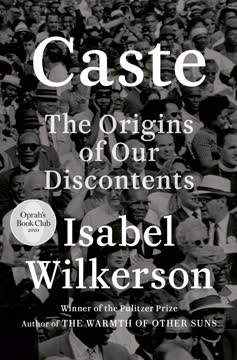
Principais Lições
1. Casta: A Infraestrutura Oculta da Hierarquia Humana
A casta é a infraestrutura das nossas divisões. É a arquitetura da hierarquia humana, o código subconsciente de instruções para manter, no nosso caso, uma ordem social de quatrocentos anos.
Definição de casta. Casta é um sistema hierárquico artificial que atribui valor humano com base em características arbitrárias como raça, gênero ou status social. Ao contrário da classe, que pode ser alterada através de esforço, a casta é fixa desde o nascimento e molda todos os aspectos da vida de uma pessoa.
Contexto histórico. Sistemas de casta existiram em várias formas ao longo da história, mais notavelmente na Índia, na Alemanha nazista e nos Estados Unidos. Esses sistemas compartilham características comuns:
- Estratificação social rígida
- Mobilidade social limitada
- Exploração das castas inferiores
- Justificação através da religião, pseudociência ou tradição
Impacto na sociedade. Sistemas de casta criam:
- Desigualdade sistêmica
- Trauma psicológico para as castas inferiores
- Potencial humano desperdiçado
- Instabilidade social e conflito
2. Os Oito Pilares da Casta: Fundamentos da Divisão Social
Estes são os pilares da casta, os princípios antigos que pesquisei e compilei ao examinar os paralelos, sobreposições e semelhanças de três grandes hierarquias de casta.
Os oito pilares. Wilkerson identifica oito princípios fundamentais que sustentam os sistemas de casta:
- Vontade Divina e as Leis da Natureza
- Hereditariedade
- Endogamia e Controle do Casamento
- Pureza vs. Poluição
- Hierarquia Ocupacional
- Desumanização e Estigma
- Terror como Imposição, Crueldade como Controle
- Superioridade vs. Inferioridade Inerente
Mecanismos de reforço. Esses pilares trabalham juntos para:
- Justificar o sistema de casta como natural ou divinamente ordenado
- Manter limites claros entre as castas
- Impor papéis de casta através de pressão social e violência
- Internalizar identidades de casta em grupos dominantes e subordinados
3. O Sistema de Casta na América: Um Legado de Escravidão e Segregação
O sistema de casta na América tem quatrocentos anos e não será desmantelado por uma única lei ou por qualquer pessoa, por mais poderosa que seja.
Raízes históricas. O sistema de casta da América emergiu de:
- O tráfico transatlântico de escravos
- Leis de Jim Crow e segregação
- Racismo sistêmico contínuo
Manifestações modernas. Hoje, o sistema de casta americano persiste através de:
- Desigualdade de riqueza racial
- Disparidades educacionais
- Encarceramento em massa
- Discriminação habitacional
- Desigualdades no cuidado de saúde
Impacto cultural. O sistema de casta molda a sociedade americana ao:
- Influenciar interações pessoais e preconceitos
- Moldar ideologias políticas e padrões de voto
- Perpetuar estereótipos na mídia e cultura popular
4. Os Efeitos Tóxicos da Casta na Saúde e na Sociedade
A casta é uma doença, e nenhum de nós é imune. É como se o alcoolismo estivesse codificado no DNA do país e nunca pudesse ser declarado totalmente curado.
Impactos na saúde física. A casta afeta a saúde através de:
- Estresse crônico devido à discriminação
- Acesso limitado a cuidados de saúde de qualidade
- Racismo ambiental (por exemplo, exposição à poluição)
- Taxas mais altas de doenças crônicas nas castas inferiores
Consequências para a saúde mental. Sistemas de casta levam a:
- Opressão internalizada e baixa autoestima
- Ansiedade e depressão
- Trauma intergeracional
- Abuso de substâncias como mecanismo de enfrentamento
Custos sociais. O sistema de casta prejudica a todos ao:
- Reduzir a coesão social e a confiança
- Limitar o crescimento econômico e a inovação
- Perpetuar ciclos de pobreza e violência
- Minar instituições democráticas
5. A Casta na Alemanha Nazista: Paralelos com o Racismo Americano
Os nazistas reconheceram os paralelos, mesmo que muitos americanos não o fizessem.
Ideologias compartilhadas. A Alemanha nazista e a América de Jim Crow tinham crenças semelhantes sobre:
- Pureza e superioridade racial
- A necessidade de segregação racial
- Justificativas pseudocientíficas para discriminação
Semelhanças legais. Ambos os sistemas implementaram:
- Leis anti-miscigenação
- Direitos de cidadania restritos
- Segregação em espaços públicos
Influência mútua. Os nazistas:
- Estudaram as leis raciais americanas como modelo
- Admiraram a eficiência da segregação de Jim Crow
- Criticaram algumas práticas americanas como extremas demais
Contrastes pós-guerra. Após a Segunda Guerra Mundial:
- A Alemanha desmantelou ativamente seu sistema de casta da era nazista
- Os EUA lutaram para enfrentar sua hierarquia racial
6. O Preço de Manter um Sistema de Casta
Os americanos pagam um preço alto por um sistema de casta que contraria os ideais declarados do país.
Custos econômicos. O sistema de casta leva a:
- Produtividade e inovação reduzidas
- Custos mais altos de saúde e assistência social
- Aumento de despesas com crime e encarceramento
- Potencial perdido de grupos marginalizados
Custos sociais. A casta perpetua:
- Instabilidade social e conflito
- Erosão dos valores democráticos
- Diminuição da posição global e autoridade moral
- Carga psicológica em castas dominantes e subordinadas
Custos de oportunidade. A energia gasta na manutenção da casta poderia ser redirecionada para:
- Resolver desafios globais (por exemplo, mudanças climáticas, pobreza)
- Avançar no progresso científico e tecnológico
- Fomentar realizações culturais e artísticas
- Construir uma sociedade mais justa e equitativa
7. Libertando-se: Desmantelando a Casta para um Futuro Mais Equitativo
Para imaginar o fim da casta na América, basta olhar para a história da Alemanha. É a prova viva de que, se um sistema de casta — o reinado de doze anos dos nazistas — pode ser criado, ele pode ser desmantelado.
Ações individuais. Para combater a casta, os indivíduos podem:
- Reconhecer e desafiar seus próprios preconceitos
- Educar-se sobre a casta e seus efeitos
- Construir relacionamentos além das linhas de casta
- Falar contra a discriminação e a injustiça
Mudanças sistêmicas. Desmantelar a casta requer:
- Reformas legais para enfrentar a discriminação sistêmica
- Acesso equitativo à educação, saúde e oportunidades econômicas
- Representação de grupos marginalizados em posições de poder
- Confronto honesto com injustiças históricas (por exemplo, reparações)
Visão para o futuro. Um mundo sem casta valorizaria:
- O potencial humano independentemente de traços arbitrários
- Fomentaria inovação e progresso através de verdadeira meritocracia
- Promoveria coesão social e resolução coletiva de problemas
- Permitiria que indivíduos prosperassem com base em suas habilidades e esforços, não em seu nascimento
O progresso humano depende da nossa capacidade de reconhecer e desmantelar as hierarquias artificiais que nos dividem. Ao entender a natureza insidiosa da casta, podemos trabalhar em direção a uma sociedade mais justa e equitativa para todos.
Resumo das Resenhas
Casta de Isabel Wilkerson explora o sistema de castas oculto na América, comparando-o aos da Índia e da Alemanha nazista. Wilkerson argumenta que a raça é um marcador visível de uma hierarquia de castas subjacente. O livro é elogiado pela sua escrita envolvente, pesquisa extensa e ideias instigantes. Alguns leitores consideraram-no revelador e importante, enquanto outros acharam que era repetitivo ou carecia de profundidade em certas áreas. Muitos críticos apreciaram as anedotas pessoais de Wilkerson e os exemplos históricos, embora alguns tenham criticado seu foco na política contemporânea.
Outros Também Leram









Perguntas Frequentes
What's Caste: The Origins of Our Discontents about?
- Exploration of Caste Systems: The book examines caste as a social hierarchy that categorizes people based on perceived superiority and inferiority. It draws parallels between caste systems in India, Nazi Germany, and the United States.
- Historical Context: Isabel Wilkerson traces the origins of caste in America back to slavery and the systemic oppression of African Americans, highlighting its impact on contemporary social dynamics.
- Personal Narratives: The author incorporates personal stories and testimonies to illustrate the lived experiences of individuals affected by caste, making the complex topic more relatable.
Why should I read Caste: The Origins of Our Discontents?
- Timely and Relevant: The book addresses contemporary issues of race, inequality, and social justice, making it particularly relevant in today's sociopolitical climate.
- Deep Understanding: Wilkerson's exploration of caste offers a nuanced perspective that goes beyond traditional discussions of race, fostering empathy and awareness of systemic issues.
- Engaging Writing Style: The author’s narrative style combines rigorous research with compelling storytelling, making complex ideas accessible and engaging.
What are the key takeaways of Caste: The Origins of Our Discontents?
- Caste vs. Race: Wilkerson distinguishes between caste as a fixed social hierarchy and race as a more fluid concept, emphasizing the importance of understanding caste to address systemic inequalities.
- Eight Pillars of Caste: The book outlines eight pillars that uphold caste systems, such as divine will and heritability, providing a framework for understanding how caste operates.
- Call to Action: The author urges readers to recognize their own positions within the caste system and work towards dismantling these structures through radical empathy and collective responsibility.
What are the best quotes from Caste: The Origins of Our Discontents and what do they mean?
- “Caste is the bones, race the skin.”: This quote emphasizes that while race is the visible aspect of social hierarchy, caste is the underlying structure that dictates power dynamics.
- “Silence in the face of evil is itself evil.”: Attributed to Dietrich Bonhoeffer, this quote underscores the moral responsibility to speak out against injustice and the dangers of complicity.
- “Caste is a disease, and none of us is immune.”: This highlights the pervasive nature of caste systems, suggesting that everyone is affected by societal hierarchies.
How does Isabel Wilkerson define caste in Caste: The Origins of Our Discontents?
- Caste as a Social Hierarchy: Wilkerson defines caste as an artificial construction ranking people based on perceived superiority and inferiority, deeply embedded in societal structures.
- Caste vs. Class: She distinguishes caste from class, noting that caste is fixed and inherited, while class can change based on economic status and personal achievement.
- Caste as a Living Entity: Wilkerson describes caste as a living, breathing entity that shapes human interactions and societal norms, often going unnoticed yet profoundly affecting lives.
What are the eight pillars of caste outlined in Caste: The Origins of Our Discontents?
- Divine Will and the Laws of Nature: This pillar suggests that caste systems are often justified by religious or naturalistic beliefs that assign inherent value to different groups.
- Heritability: Caste is passed down through generations, reinforcing the idea that one's position in the hierarchy is predetermined and unchangeable.
- Endogamy: The practice of marrying within one's caste helps maintain the boundaries and purity of each group, reinforcing the social hierarchy.
How does Caste: The Origins of Our Discontents relate to current social issues?
- Reflection on Systemic Inequality: The book provides a framework for understanding contemporary issues of racial and social inequality, encouraging readers to examine the roots of these problems.
- Call to Action: Wilkerson’s exploration of caste serves as a call to action for individuals to recognize their roles within these systems and work towards dismantling oppressive structures.
- Intersectionality: The book addresses the intersections of caste with other social categories, such as gender and class, illustrating how these factors compound the effects of oppression.
What historical examples does Wilkerson use to illustrate caste systems?
- Nazi Germany: Wilkerson examines the caste system established by the Nazis, highlighting how they drew inspiration from American racial laws.
- India’s Caste System: The book delves into the ancient caste system of India, exploring its origins and enduring impact on society.
- American Slavery and Jim Crow: Wilkerson provides a detailed account of the American caste system, tracing its roots from slavery through the Jim Crow era to present-day inequalities.
How does Wilkerson suggest we can address the issues of caste in society?
- Awareness and Education: Wilkerson emphasizes the importance of recognizing and understanding the existence of caste systems in society.
- Collective Action: The author calls for collective action to challenge and dismantle caste-based inequalities, encouraging advocacy and support for movements addressing systemic injustices.
- Personal Responsibility: Wilkerson stresses the need for individuals to reflect on their own positions within the caste system and take responsibility for their actions.
What role does silence play in the context of caste, according to Wilkerson?
- Complicity in Oppression: Wilkerson argues that silence in the face of injustice is a form of complicity that allows caste systems to persist.
- Fear of Repercussions: The book discusses how fear of social or personal repercussions often silences individuals, preventing them from taking a stand against caste-based discrimination.
- The Power of Voice: Wilkerson emphasizes the transformative power of speaking out and advocating for change, believing that collective voices can challenge caste structures.
How does Caste: The Origins of Our Discontents address health disparities?
- Health Impacts of Caste: The book discusses how individuals in lower castes experience higher levels of stress and related health issues, such as hypertension and diabetes.
- Discrimination and Health: Wilkerson highlights research showing that discrimination can lead to adverse health outcomes for marginalized groups.
- Cumulative Stress: The author explains that the cumulative stress of living within a caste system can lead to chronic health problems, affecting life expectancy and quality of life.
What is the significance of radical empathy in Caste: The Origins of Our Discontents?
- Definition of Radical Empathy: Wilkerson defines radical empathy as the deep understanding and connection to the experiences of others, particularly those from marginalized groups.
- Empathy as a Tool for Change: The book argues that radical empathy can help bridge divides and foster understanding among different groups.
- Moral Duty: Wilkerson posits that those in the dominant caste have a moral obligation to develop radical empathy and advocate for the rights of marginalized individuals.