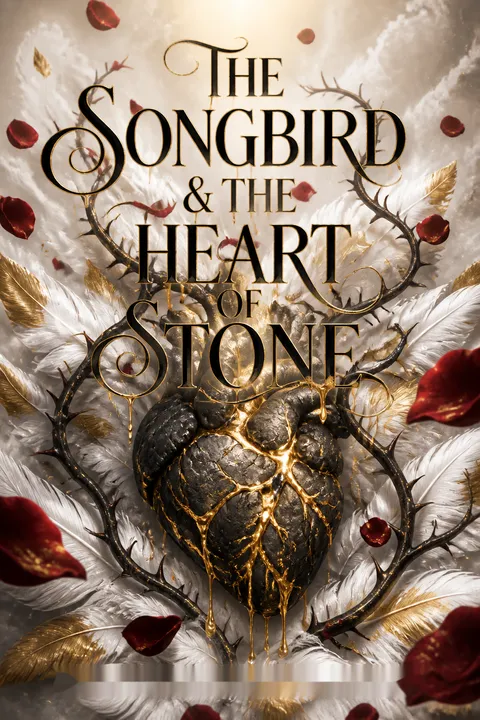

Resumo do Enredo
Escolhida pelo Deus do Sol
Num mundo governado pela seleção divina, uma jovem é inesperadamente escolhida por Atroxus, o deus do sol. Ela e a irmã procuram refúgio no templo, onde a sua oferenda simples — uma pena — capta a atenção do deus. Este momento crucial coloca-a num caminho de propósito divino, transformando-a num recetáculo para o poder do sol. A sua vida muda irrevogavelmente ao ser lançada num destino cheio de promessas e perigos, marcando o início da sua jornada rumo à grandeza e aos fardos que a acompanham.
Uma Prisioneira das Sombras
Anos mais tarde, a jovem, agora uma vampira chamada Mische, é aprisionada pela Casa da Sombra. A sua magia, outrora potente, está diminuída, e ela luta para invocar o poder do sol para escapar. Os seus captores, liderados pela implacável Egrette, pretendem usá-la como um peão nas suas maquinações políticas. Assombrada pelo passado e pela perda do favor do seu deus, Mische precisa de navegar pela sua identidade e pelo peso dos seus fracassos para sobreviver num mundo que a vê tanto como uma ameaça quanto como uma ferramenta.
A Missão do Guardião das Almas
Mische é resgatada por Asar, o enigmático Guardião das Almas, que tem uma missão de Nyaxia, a deusa dos vampiros. Asar precisa da ligação única de Mische a Atroxus para ressuscitar Alarus, o deus da morte. Os motivos de Asar são misteriosos, e Mische vê-se dividida entre a lealdade ao seu deus e a necessidade de ajudar Asar. Juntos, embarcam numa jornada perigosa através de the Descent, um caminho repleto de perigos e vestígios de poder divino.
Descida ao Submundo
Mische, Asar e os seus companheiros percorrem o caminho traiçoeiro até ao submundo, enfrentando os Santuários do Corpo e do Sopro. Cada nível testa a determinação e as capacidades do grupo, revelando a decadência e a instabilidade de the Descent. Mische debate-se com a sua fé e com o poder crescente da sua natureza vampírica. O passado de Asar e a sua ligação aos mortos são desvendados, conferindo profundidade à sua personagem. O grupo tem de confrontar os seus medos e os fantasmas dos seus passados à medida que se aprofunda no reino da morte.
Os Guardiões do Santuário
No Santuário do Sopro, o grupo depara-se com panteras etéreas que guardam the relics of Alarus. O apelo de Asar por ajuda revela as suas verdadeiras intenções e o peso da sua missão. The guardians, pressentindo a verdade no coração de Asar, concedem-lhes passagem, mas alertam para os perigos que se avizinham. Mische é forçada a confrontar os seus desejos e a fome dentro da sua alma, refletindo a eterna luta entre a luz e as trevas.
Um Desejo Mortal de Poder
À medida que a jornada avança, o grupo enfrenta conflitos internos e a tentação do poder de the relics. Elias, movido pela ambição, trai Asar, revelando a fragilidade da aliança entre eles. A lealdade de Mische é posta à prova enquanto ela lida com as potenciais consequências de empunhar tal poder. The relics guardam a chave para uma força inimaginável, mas a um custo que poderá devastar o mundo. Mische precisa de trilhar a linha ténue entre a redenção e a destruição, com as suas escolhas a ecoarem a batalha eterna entre deuses e mortais.
O Peso da Redenção
A jornada de Mische é de redenção, tanto para si mesma quanto para as almas que falhou em salvar. Revela-se que a missão de Asar é mais do que uma busca por poder; é uma oportunidade para corrigir erros antigos e restaurar o equilíbrio. Juntos, terão de enfrentar os desafios finais de the Descent, onde as fronteiras entre a vida e a morte se esbatem. A fé de Mische é testada ao confrontar a verdade do seu passado e o futuro que precisa de moldar. No final, o destino de deuses e mortais repousa sobre os seus ombros.
A Traição de um Deus Revelada
Mische desperta para a ira de Atroxus, que a acusa de traição e revela a verdade sobre o destino da sua irmã, Saescha. Mische descobre que matou a irmã num frenesim induzido pelo seu estado vampírico. Atroxus exige que Mische conclua a sua missão de ressuscitar Alarus, utilizando uma relíquia oculta — a golden arrow destinada a matar Nyaxia. Mische percebe a verdadeira intenção de Atroxus: apoderar-se do poder resultante da morte de um deus.
Um Apelo Desesperado por Misericórdia
Apesar da fúria de Atroxus, Mische implora pela redenção da sua irmã e pela vida de Asar. Atroxus aceita poupar Asar, mas apenas se Mische concluir a sua tarefa sem revelar a verdade a Asar. Mische vê-se dividida entre a lealdade a Atroxus e o seu amor por Asar, sabendo que concluir o ritual significará traí-lo.
O Ritual de Ressurreição
Asar e Mische alcançam o Santuário da Alma, onde devem realizar the resurrection ritual. Asar revela que precisa da ajuda de Mische devido ao seu estado enfraquecido. Ao começarem, Mische percebe que the ritual exige um sacrifício — o próprio Asar, como descendente de Alarus. Asar entra no círculo, completando the ritual e sacrificando-se para salvar Mische.
Um Amor Além do Alcance da Morte
O sacrifício de Asar deixa [Mische](#mische devastada. Atroxus surge, exigindo que Mische use the arrow para matar Alarus. Em vez disso, Mische vira the arrow contra Atroxus, matando-o para salvar Asar. Os deuses descem, furiosos com a interrupção. Nyaxia oferece a Asar a oportunidade de se tornar um deus, mas ele recusa, escolhendo ficar com Mische.
Um Novo Amanhecer, Uma Nova Noite
Asar, agora um deus, espera pacientemente, determinado a reencontrar-se com Mische. O mundo muda para sempre com a morte de Atroxus e o surgimento de uma nova era sob o domínio de Nyaxia. O legado de Mische perdura, um testemunho de amor e sacrifício, enquanto Asar se prepara para os desafios futuros num mundo sem o deus do sol.
Analysis
Um conto de redenção e desafio"The Songbird & the Heart of Stone" explora temas de redenção, poder e o desafio à vontade divina. A jornada de Mische, de recetáculo escolhido do deus do sol a uma vampira em busca de redenção, destaca a complexidade da fé e da identidade. A narrativa aprofunda as consequências da ambição e a luta pelo poder, à medida que as personagens navegam num mundo onde os deuses manipulam os mortais para os seus próprios fins. A história sublinha o poder do amor e do sacrifício, com Mische e Asar a desafiarem os deuses para moldarem os seus próprios destinos. Em última análise, o livro é um testemunho da resiliência do espírito humano e da força duradoura do amor face às maquinações divinas.
Resumo das Resenhas
The Songbird & the Heart of Stone recebe críticas mistas, com uma classificação média de 4,10 em 5 estrelas. Muitos elogiam a complexidade das personagens, a construção do mundo e a profundidade emocional, apreciando particularmente o desenvolvimento da personagem de Mische. O romance entre Mische e Asar é bem recebido por alguns, enquanto outros o consideram pouco desenvolvido. Os críticos apontam problemas de ritmo, cenas de ação repetitivas e descrições confusas do submundo. O final gera entusiasmo e controvérsia, com os leitores a aguardarem ansiosamente a sequela, apesar de alguma desilusão com o enredo geral.
Characters
Mische
Mische é uma antiga Bebedora do Amanhecer, escolhida por Atroxus, que se torna vampira. A sua jornada é de redenção e de desafio contra a manipulação divina. Ela sacrifica-se para salvar Asar e o mundo da tirania de Atroxus, personificando o poder do amor e do altruísmo.
Asar
Asar, o Guardião das Almas, é um necromante e descendente de Alarus. Sacrifica-se para completar the resurrection ritual, apenas para ser transformado num deus. O seu amor por Mische leva-o a desafiar os deuses, prometendo encontrá-la na vida após a morte.
Atroxus
Atroxus, o deus do sol, procura consolidar o seu poder ao orquestrar a morte de Alarus. A sua manipulação de Mische revela a sua verdadeira natureza, levando à sua queda pelas mãos dela. A sua morte marca o fim de uma era e o início de outra sob o comando de Nyaxia.
Nyaxia
Nyaxia, a mãe dos vampiros, procura ressuscitar o seu marido, Alarus. Traída pelos deuses, ela abraça o seu poder, moldando o mundo após a morte de Atroxus. A sua relação complexa com Asar e Mische realça a dualidade entre o amor e o poder.
Saescha
Saescha, a irmã de Mische, está presa como uma alma penada devido às ações de Mische. A sua presença assombra Mische, impulsionando a sua busca por redenção. O destino de Saescha é uma recordação pungente das consequências das ações divinas e mortais.
Egrette
Egrette é um membro da Casa da Sombra, movida pela ambição e pelo desejo de poder. A sua crueldade e manipulação tornam-na uma antagonista formidável, usando Mische como um peão nos seus jogos políticos. A relação de Egrette com a sua família é repleta de tensão, pois ela procura provar o seu valor num mundo que valoriza a força e a astúcia acima de tudo.
Chandra
Chandra é uma sacerdotisa humana com uma ligação profunda a Atroxus. A sua fé e capacidades de cura tornam-na uma aliada valiosa na jornada através de the Descent. O passado de Chandra é marcado pela tragédia, e o seu desejo de regressar a casa move as suas ações. A sua relação com Mische é de respeito mútuo e fé partilhada, enquanto navegam juntas pelos desafios do submundo.
Elias
Elias é um membro da Casa da Sombra, movido pela ambição e pelo desejo de poder. A sua traição a Asar revela a fragilidade da aliança entre eles e os perigos de uma ambição desmedida. As ações de Elias são motivadas pelo desejo de se apoderar do poder de the relics, independentemente do custo. A sua relação com o grupo é de tensão e desconfiança, à medida que os seus verdadeiros motivos são revelados.
Plot Devices
The Descent
The Descent é um recurso narrativo central, representando a jornada da vida para a morte. Cada Santuário testa a determinação e as capacidades das personagens, revelando a decadência e a instabilidade do reino. The Descent é um lugar de perigo e descoberta, onde as fronteiras entre a vida e a morte se esbatem, e as personagens têm de confrontar os seus medos e os fantasmas dos seus passados.
The Relics of Alarus
The relics of Alarus são centrais para o enredo, representando o potencial para um poder inimaginável e os perigos de o empunhar. A busca das personagens para recolher the relics está repleta de perigos e tentações, enquanto navegam na linha ténue entre a redenção e a destruição. The relics guardam a chave para a ressurreição de Alarus, uma tarefa que poderá ter consequências catastróficas para o mundo.
The Guardians
The guardians são seres etéreos que protegem the relics of Alarus. A sua presença acrescenta uma camada de complexidade ao enredo, pois testam as intenções e a determinação das personagens. Os avisos e a orientação de the guardians são cruciais para a jornada das personagens, enquanto navegam pelos desafios de the Descent e pelas potenciais consequências das suas ações.
The Resurrection Ritual
The ritual para ressuscitar Alarus exige o sacrifício de uma alma, revelando a interligação entre a vida e a morte. Serve como o clímax da história, onde os destinos de Mische e Asar são selados, e o equilíbrio de poder entre os deuses é perturbado.
The Golden Arrow
The golden arrow, forjada para matar Nyaxia, simboliza a manipulação e a traição dos deuses. O uso que Mische faz de the arrow para matar Atroxus subverte o seu propósito original, destacando o seu desafio e o poder do amor sobre a vontade divina.
The Anchor
The anchor é uma ligação mágica entre Mische e Asar, representando os seus destinos entrelaçados. Permite que Mische salve a alma de Asar durante the ritual, enfatizando a força da sua ligação e o tema do amor que transcende a morte.
Perguntas Frequentes
Synopsis & Basic Details
What is The Songbird & the Heart of Stone about?
- Fallen Chosen's Dark Journey: The Songbird & the Heart of Stone follows Mische, a former chosen one of the sun god Atroxus, now a vampire, as she navigates a dark mission in the underworld. She is tasked with resurrecting the god of death, Alarus, a mission given by the vampire goddess Nyaxia.
- Loyalty Tested, Worlds Collide: Mische grapples with her fading faith, her growing connection to the vampire Asar, and the moral implications of her task. The story explores themes of redemption, sacrifice, and the blurred lines between good and evil as Mische journeys through treacherous realms.
- Love and Duty in Conflict: As Mische delves deeper into the mission, she uncovers secrets and faces challenges that force her to question her loyalties and make difficult choices. The narrative weaves together elements of dark fantasy, romance, and mythology, creating a complex and compelling tale of a fallen heroine seeking her place in a world torn between gods and mortals.
Why should I read The Songbird & the Heart of Stone?
- Complex Characters & Morality: Carissa Broadbent crafts characters with compelling internal conflicts, forcing readers to question their own moral compass. Mische's struggle with her identity and her past makes her a relatable and engaging protagonist.
- Intriguing World-Building: The novel presents a richly detailed world with its own unique mythology, magic system, and political landscape. The vampire kingdoms and the Descent are vividly depicted, creating an immersive reading experience.
- Emotional Depth & Romance: Beyond the dark fantasy elements, the story explores themes of love, loss, and redemption with emotional depth. The connection between Mische and Asar adds a layer of romance and complexity to the narrative, making it a compelling read for fans of both genres.
What is the background of The Songbird & the Heart of Stone?
- Vampire Kingdom Politics: The story is set in Obitraes, a land ruled by three vampire kingdoms: the House of Night, the House of Shadow, and the House of Blood. Each house has its own unique culture, magic, and political agenda, creating a complex and often volatile landscape.
- Divine Conflict & Mythology: The novel draws heavily on mythology, featuring gods and goddesses from both the White Pantheon (including Atroxus) and the vampire pantheon (Nyaxia and Alarus). The conflict between these deities and their followers shapes the events of the story and adds a layer of epic scope.
- The Descent & the Underworld: A key element of the setting is the Descent, a transitional realm between the mortal world and the underworld. This realm is divided into five Sanctums, each representing a different aspect of death and the soul's journey. The Descent is a dangerous and unpredictable place, filled with lost souls and powerful entities.
What are the most memorable quotes in The Songbird & the Heart of Stone?
- "I was not a chosen one anymore.": This quote encapsulates Mische's initial despair and loss of identity after being abandoned by her god. It highlights her struggle to find purpose and meaning in a world where she no longer feels special or divinely favored.
- "Killing him was the most useful thing you'll ever do.": This line, spoken by Egrette, underscores the morally ambiguous nature of the story and the complex relationships between the characters. It also foreshadows Mische's potential for greatness beyond her initial role as a chosen one.
- "You have always amused me so.": This quote, spoken by Atroxus, reveals the conditional nature of his love and the power dynamics at play in their relationship. It also hints at the underlying darkness and manipulation that drive the sun god's actions.
What writing style, narrative choices, and literary techniques does Carissa Broadbent use?
- First-Person Perspective: The story is told from Mische's point of view, allowing readers to intimately experience her thoughts, emotions, and struggles. This perspective creates a strong connection between the reader and the protagonist, enhancing the emotional impact of the narrative.
- Descriptive & Atmospheric Prose: Broadbent uses vivid language and imagery to create a rich and immersive reading experience. Her descriptions of the Descent, the vampire kingdoms, and the characters' inner states are particularly evocative.
- Foreshadowing & Symbolism: The novel employs subtle foreshadowing and recurring symbols to hint at future events and deepen the thematic resonance of the story. The use of light and darkness, blood, and specific objects (like the feather) adds layers of meaning to the narrative.
Hidden Details & Subtle Connections
What are some minor details that add significant meaning?
- The Feather's True Value: The feather Mische offers in the prologue, initially seen as insignificant, gains deeper meaning as the story progresses. It symbolizes Mische's inherent worth beyond societal expectations and foreshadows her ability to find value in the seemingly worthless.
- The Helianen Emblem: The Helianen emblem on Chandra's necklace, initially a minor detail, reveals her past devotion to Atroxus and highlights the shared history and potential connection between Mische and Chandra. It also underscores the diverse ways in which Atroxus is worshipped.
- Luce's Name Significance: The name "Luce," meaning "light," is ironic considering Luce is a shadow wolf. This highlights the duality present in the novel and the blurring of lines between light and darkness.
What are some subtle foreshadowing and callbacks?
- Saescha's Vampire Stories: Saescha's childhood stories about vampires foreshadow Mische's eventual transformation and the loss of her soul. The stories also highlight Saescha's protective nature and her understanding of the dangers lurking in the world.
- The Broken Sword: Asar's broken sword foreshadows his own brokenness and his struggle to reconcile his past with his present. It also symbolizes the imperfect nature of the world and the characters' attempts to find wholeness in the midst of chaos.
- The Cold Floral Scent: The recurring cold, floral scent associated with Asar foreshadows his connection to the underworld and his role as the Wraith Warden. It also hints at his hidden depths and the darkness that clings to him.
What are some unexpected character connections?
- Asar and Malach's Shared Magic: The connection between Asar and Malach through their shared bloodline and magic creates a complex dynamic between Mische and Asar. It also highlights the lingering influence of the past and the challenges of escaping one's family legacy.
- Mische and Chandra's Shared Faith: The shared faith of Mische and Chandra in Atroxus creates a bond between them, despite their different backgrounds and experiences. It also underscores the power of faith to unite people and provide solace in the face of adversity.
- Asar and Alarus's Connection: The connection between Asar and Alarus, as revealed through the Heir Mark and Asar's ability to sense Alarus's presence, highlights the cyclical nature of power and the enduring influence of the past on the present.
Who are the most significant supporting characters?
- Luce: As Asar's shadow wolf companion, Luce is more than just a pet; she is a loyal protector and a source of comfort for Asar. Her presence highlights Asar's capacity for love and loyalty, and her actions often reflect his own inner turmoil.
- Egrette: As the ambitious and ruthless princess of the House of Shadow, Egrette serves as a foil to Mische and a catalyst for many of the story's conflicts. Her actions highlight the dangers of unchecked ambition and the corrupting influence of power.
- Chandra: As a devout follower of Atroxus and a fellow traveler on the journey through the Descent, Chandra provides Mische with a sense of connection to her past and a reminder of her former faith. Her presence also underscores the human cost of the conflict between gods and mortals.
Psychological, Emotional, & Relational Analysis
What are some unspoken motivations of the characters?
- Asar's Desire for Redemption: Beyond his stated mission, Asar is driven by a deep-seated desire to atone for his past actions and redeem himself in the eyes of his family and the world. This unspoken motivation fuels his commitment to the task and his willingness to sacrifice himself.
- Mische's Fear of Abandonment: Mische's actions are often driven by a fear of abandonment, stemming from her childhood experiences and her perceived failures in the eyes of Atroxus. This fear motivates her to seek approval and validation from others, even at her own expense.
- Egrette's Yearning for Approval: Egrette's cruelty and ambition are rooted in a deep-seated yearning for her father's approval. She seeks to prove herself worthy of his love and respect, even if it means resorting to ruthless tactics.
What psychological complexities do the characters exhibit?
- Asar's Self-Destructive Tendencies: Asar exhibits a pattern of self-destructive behavior, stemming from his guilt over his past actions and his belief that he is undeserving of happiness. This tendency manifests in his willingness to sacrifice himself and his reluctance to accept love and affection.
- Mische's Imposter Syndrome: Despite her extraordinary abilities and accomplishments, Mische struggles with imposter syndrome, constantly questioning her own worth and fearing that she will be exposed as a fraud. This insecurity drives her to seek validation from others and to constantly prove herself.
- Egrette's Narcissistic Traits: Egrette exhibits several narcissistic traits, including a sense of entitlement, a lack of empathy, and a need for admiration. These traits stem from her upbringing in a power-hungry and emotionally neglectful environment.
What are the major emotional turning points?
- Mische's Realization of Atroxus's True Nature: The revelation that Atroxus intended to use her to kill Nyaxia and seize power marks a major turning point for Mische. It shatters her faith and forces her to question everything she has ever believed in.
- Asar's Confession of His Past: Asar's confession of his past actions and his role in Ophelia's death marks a turning point in his relationship with Mische. It allows them to connect on a deeper level and to understand each other's pain and motivations.
- Mische's Decision to Save Asar: Mische's decision to sacrifice herself to save Asar marks the culmination of her character arc. It demonstrates her growth from a self-doubting and insecure acolyte to a selfless and compassionate heroine.
How do relationship dynamics evolve?
- Mische and Asar's Relationship: The relationship between Mische and Asar evolves from one of reluctant alliance to one of deep love and mutual respect. They challenge each other, support each other, and ultimately sacrifice themselves for each other.
- Mische and Saescha's Relationship: The relationship between Mische and Saescha is marked by love, loyalty, and a shared history of trauma. However, their relationship is also strained by Mische's choices and the consequences of her actions.
- Asar and Egrette's Relationship: The relationship between Asar and Egrette is characterized by rivalry, resentment, and a shared desire for their father's approval. Their interactions highlight the toxic dynamics within the House of Shadow and the corrupting influence of power.
Interpretation & Debate
Which parts of the story remain ambiguous or open-ended?
- The True Nature of the Gods: The novel leaves open the question of whether the gods are truly benevolent or simply powerful beings with their own agendas. The actions of Atroxus and Nyaxia raise questions about the nature of good and evil and the extent to which mortals can trust in divine guidance.
- The Fate of Obitraes: The ending of the novel leaves the future of Obitraes uncertain. With Atroxus dead and Nyaxia in power, the vampire kingdoms face an uncertain future. The novel hints at the possibility of a new era of peace and cooperation, but also suggests that the cycle of violence and betrayal may continue.
- The Nature of Mische's "Redemption": The ending leaves it ambiguous whether Mische truly achieves redemption. While she sacrifices herself to save Asar and the world, her actions are also driven by guilt and a desire to atone for her past sins. The novel suggests that redemption is a complex and ongoing process, rather than a singular event.
What are some debatable, controversial scenes or moments in The Songbird & the Heart of Stone?
- Mische's Choice to Let Chandra Die: Mische's decision to prioritize saving Asar over helping Chandra is a controversial moment that raises questions about her morality and her values. Some readers may argue that she made the right choice, given the circumstances, while others may view it as a betrayal of her former self.
- The Graphic Violence and Dark Themes: The novel contains graphic violence, sexual content, and discussions of sensitive topics such as child abuse and infant death. Some readers may find these elements disturbing or gratuitous, while others may view them as necessary to the story's themes and character development.
- The Romanticization of Toxic Relationships: The relationship between Asar and Ophelia, as depicted in the flashbacks, may be seen as romanticizing toxic relationship dynamics. Some readers may find this problematic, while others may view it as a realistic portrayal of the complexities of love and power.
The Songbird & the Heart of Stone Ending Explained: How It Ends & What It Means
- Atroxus's Downfall: Mische's decision to kill Atroxus, rather than Alarus, signifies her rejection of blind faith and her embrace of her own agency. It also marks the end of an era of divine manipulation and the beginning of a new era of uncertainty and potential.
- Asar's Transformation: Asar's transformation into a god, while initially seeming like a victory, ultimately underscores the corrupting influence of power and the sacrifices required to achieve it. His decision to remain with Mische, rather than embrace his newfound divinity, highlights the enduring power of love and connection.
- A World Without the Sun: The death of Atroxus and the absence of the sun symbolize the loss of certainty and the embrace of the unknown. The world is forever changed, and the characters must navigate a new reality without the guidance of a benevolent deity. The ending suggests that even in the darkest of times, there is still hope for a better future, but it will require courage, compassion, and a willingness to challenge the status quo.
Crowns of Nyaxia Série
Sobre o Autor
Outros livros de Carissa Broadbent

Baixar PDF
Baixar EPUB
.epub digital book format is ideal for reading ebooks on phones, tablets, and e-readers.








































