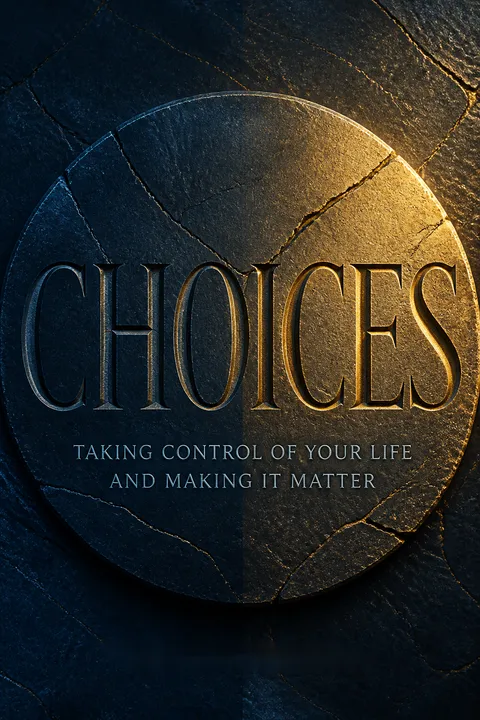

Ключевые идеи
1. Выбор формирует нашу жизнь и порождает последствия
На каждое действие есть равная и противоположная реакция.
Сила выбора. Наша жизнь складывается из тех решений, которые мы принимаем — больших и маленьких. Каждое из них запускает цепочку событий, влияя не только на нас, но и на окружающих. Этот принцип, известный как Великий закон причины и следствия, действует во всех сферах — в поведении, поступках и даже в духовном мире.
Последствия наших действий. Мы не просто выбираем — мы получаем результат своего выбора. Иногда он проявляется сразу и очевидно, а порой — спустя годы. Главное — осознавать возможные последствия и принимать решения, которые соответствуют нашим ценностям и долгосрочным целям.
- Примеры выбора и последствий:
- Карьерные решения
- Выбор в отношениях
- Привычки образа жизни
- Финансовые решения
2. Примите неизвестность, чтобы расти и меняться
Проснись. Будильник прозвенел. Используем мы этот шанс или нет — нам дан подарок. Можно уклоняться, обвинять родителей или волю Бога. Но именно способность выбирать отличает нас от ангелов.
Шаг в неизвестность. Рост и перемены требуют выйти из зоны комфорта и окунуться в неизвестное. Это страшно и непривычно, но именно так мы раскрываем свой потенциал и развиваемся.
Отпустить контроль. Чтобы принять неизвестность, нужно научиться отпускать желание всё контролировать и свои представления о том, как должно быть. Это значит:
- Поддаться процессу
- Довериться высшей силе или вселенной
- Быть открытым новым опытам и взглядам
- Признать, что не знаем всех ответов
Приняв неопределённость и готовность исследовать новое, мы открываем двери к переменам и глубокому личностному росту.
3. Жизненные уроки повторяются и требуют баланса
Замедлись. Сделай вдох. Принимай решения. Рискуй. От опыта не уйти. Займи своё место на Колесе Жизни.
Цикличность жизни. Жизнь полна уроков, которые приходят по кругу. Мы можем сталкиваться с похожими ситуациями снова и снова, пока не усвоим их смысл. Осознание этих циклов помогает нам расти и меняться.
Поиск баланса. Чтобы пройти через уроки жизни, важно найти равновесие. Это значит:
- Замечать, когда мы теряем баланс
- Готовность менять подход
- Учиться на успехах и ошибках
- Понимать, что в каждой ситуации есть чему научиться
Приняв цикличность и стремясь к балансу, мы легче преодолеваем трудности и продолжаем развиваться.
4. Служение и сострадание приносят рай на землю
Сделать трудный выбор — вот как мы создаём рай на земле.
Сила служения. Один из самых мощных способов изменить свою жизнь и мир вокруг — служить другим. Переключившись с эгоистичных поступков на доброту и сострадание, мы обретаем смысл и удовлетворение.
Сострадание в действии. Практиковать сострадание значит:
- Ставить себя на место другого
- Помогать без ожидания награды
- Слушать без осуждения
- Прощать себя и других
Развивая сострадание и служение, мы не только улучшаем жизнь окружающих, но и наполняем свою жизнь смыслом и связью с миром. Так мы можем почувствовать настоящий «рай на земле» каждый день.
5. Противоположности притягиваются, а баланс — ключ к гармонии
Иногда поступить наоборот — значит понять нечто иное, чем кажется на первый взгляд.
Инь и ян жизни. Жизнь часто преподносит нам противоположности, которые на самом деле дополняют друг друга. Понимание этого помогает справляться с трудностями и находить гармонию.
Поиск золотой середины. Принять противоположности и найти баланс — значит:
- Ценить разные точки зрения
- Быть готовым пробовать новые подходы
- Искать умеренность, а не крайности
- Понимать, что свет и тьма имеют своё место
Осваивая искусство баланса и взаимодействия противоположностей, мы создаём более гармоничную и уравновешенную жизнь.
6. Прощение и отпускание — путь к свободе
Уф. Несмотря на все наши убеждения, может, мы не такие уж странные. Когда вокруг всё кажется нашей виной, пора сделать паузу и взглянуть сердцем.
Тяжесть вины. Вина и обиды — тяжёлый груз, который мешает двигаться вперёд. Прощение себя и других — мощный способ освободиться и обрести лёгкость.
Практика прощения. Чтобы научиться прощать, нужно:
- Признать боль или ошибку
- Решить отпустить обиду
- Понять, что прощение — для нашего же блага
- Проявлять к себе сострадание
Приняв прощение и отпустив вину, мы освобождаемся жить настоящим и создавать светлое будущее.
7. Отдайся высшей силе ради руководства и покоя
Это воля Бога.
Сила сдачи. Отдаться высшей силе — будь то Бог, вселенная или что-то иное — помогает найти покой и поддержку в трудные моменты.
Практика сдачи. Чтобы развить умение сдаваться, нужно:
- Признать, что не знаешь всех ответов
- Быть открытым к руководству свыше
- Регулярно молиться или медитировать
- Доверять процессу, даже когда сложно
Отпуская контроль и доверяя высшей силе, мы обретаем покой и поддержку даже в самых непростых ситуациях. Это ведёт к глубинному смыслу и связи с жизнью.
Обзор отзывов
Книга «Выборы» Мелоди Битти получила в основном положительные отзывы с средней оценкой 4,13 из 5. Читатели находят её вдохновляющей, дающей силы и наполненной полезными идеями о том, как принимать жизненно важные решения. Многие ценят стиль письма Битти, в котором она использует истории, чтобы наглядно объяснить свои мысли. Некоторые же отмечают, что отдельные моменты, например упоминания о реинкарнации, кажутся им менее полезными. Книга заслуженно хвалится за способность менять взгляды и помогать тем, кто чувствует себя в тупике. Критики указывают, что порой текст может показаться поверхностным или немного несвязным, но в целом это ценное чтение для личностного роста.
Читают также



Частые вопросы
What's "Choices: Taking Control of Your Life and Making It Matter" about?
- Empowerment through Choices: The book focuses on how individuals can take control of their lives by making conscious choices, emphasizing the power of free will.
- Understanding Cause and Effect: It explores the Great Law of Cause and Effect, illustrating how our choices lead to specific consequences.
- Personal Stories and Lessons: Through real-life stories, the book demonstrates how people have navigated their choices and the impact of those decisions.
- Spiritual and Practical Guidance: It combines spiritual insights with practical advice to help readers make meaningful choices in their daily lives.
Why should I read "Choices: Taking Control of Your Life and Making It Matter" by Melody Beattie?
- Gain Control: The book offers strategies to help you regain control over your life by understanding and making deliberate choices.
- Learn from Others: It provides a collection of stories that offer insights into how others have successfully navigated their challenges.
- Spiritual Growth: The book encourages spiritual growth by teaching the importance of surrendering to a higher power while making choices.
- Practical Advice: It offers practical advice on dealing with everyday issues, from relationships to personal growth.
What are the key takeaways of "Choices: Taking Control of Your Life and Making It Matter"?
- Free Will is Powerful: Recognize the power of free will and how it shapes your life through the choices you make.
- Consequences of Choices: Understand that every choice has a consequence, and being aware of this can lead to better decision-making.
- Balance and Moderation: The book emphasizes finding balance in life and making choices that lead to peace and fulfillment.
- Spiritual Connection: It highlights the importance of connecting with a higher power to guide your choices and find meaning in life.
How does Melody Beattie define the Great Law of Cause and Effect in the book?
- Interconnectedness of Actions: The Great Law of Cause and Effect is about understanding how every action has a corresponding reaction.
- Awareness of Consequences: It encourages readers to be aware of the consequences of their actions and how they affect themselves and others.
- Spiritual and Practical Application: The law is applied both spiritually and practically, guiding readers to make choices that align with their values.
- Empowerment through Understanding: By understanding this law, individuals can feel empowered to make choices that lead to positive outcomes.
What is the significance of the "Cave of the Unknown" in the book?
- Metaphor for Uncertainty: The "Cave of the Unknown" represents the uncertainty and fear that come with making choices without knowing the outcome.
- Embrace the Unknown: The book encourages readers to embrace the unknown as a necessary part of growth and learning.
- Heightened Awareness: Entering the cave requires heightened awareness and trust in one's intuition and spiritual guidance.
- Transformation and Discovery: It is a place of transformation where individuals can discover new paths and insights about themselves.
How does "Choices" address the concept of letting go?
- Letting Go of Control: The book discusses the importance of letting go of the need to control every aspect of life.
- Nonattachment as a Way of Life: It introduces nonattachment as a way to enhance relationships and personal peace.
- Surrender to a Higher Power: Letting go involves surrendering to a higher power and trusting in the process of life.
- Freedom and Empowerment: By letting go, individuals can experience freedom and empowerment, allowing life to unfold naturally.
What role does spirituality play in "Choices: Taking Control of Your Life and Making It Matter"?
- Guidance and Support: Spirituality is presented as a source of guidance and support in making choices and navigating life's challenges.
- Connection with a Higher Power: The book emphasizes the importance of connecting with a higher power to find meaning and direction.
- Prayer and Meditation: It encourages practices like prayer and meditation to foster a deeper spiritual connection and clarity in decision-making.
- Spiritual Growth: Spirituality is seen as a path to personal growth and understanding, helping individuals align their choices with their true selves.
What are some of the best quotes from "Choices" and what do they mean?
- "We can’t control what happens to us, but yes, we can choose." This quote emphasizes the power of choice in shaping our responses to life's events.
- "Awareness is a choice." It highlights the importance of being conscious and present in our decision-making processes.
- "The hardest person to be honest with is usually ourselves." This quote underscores the challenge of self-honesty and its role in making authentic choices.
- "Letting go of our ideas about how life should go is a choice that sets life’s magic free." It suggests that releasing rigid expectations can lead to unexpected opportunities and growth.
How does Melody Beattie suggest dealing with guilt in "Choices"?
- Acknowledge and Accept: The book advises acknowledging guilt and accepting it as a natural emotion rather than suppressing it.
- Make Amends: It encourages making amends where possible to alleviate feelings of guilt and restore peace.
- Self-Forgiveness: Beattie emphasizes the importance of forgiving oneself to move forward and make better choices.
- Learn from Mistakes: Guilt can be a learning tool, prompting reflection and growth from past choices.
What is the "Chinese Handcuffs" trick mentioned in the book?
- Metaphor for Reactions: The "Chinese Handcuffs" trick is a metaphor for how instinctive reactions can trap us in negative patterns.
- Relax and Do the Opposite: It suggests that by relaxing and doing the opposite of our initial reaction, we can free ourselves from these traps.
- Apply to Life Situations: This concept can be applied to various life situations, encouraging a thoughtful and counterintuitive approach to problem-solving.
- Achieve Balance: By using this trick, individuals can achieve balance and make more effective choices.
How does "Choices" explore the theme of forgiveness?
- Forgiveness as Freedom: The book presents forgiveness as a path to personal freedom and peace.
- Letting Go of Resentment: It encourages letting go of resentment to heal and move forward in life.
- Forgiving Others and Self: Forgiveness is not only about others but also about forgiving oneself for past mistakes.
- Transformative Power: The act of forgiveness is portrayed as transformative, allowing individuals to release burdens and embrace new possibilities.
What lessons can be learned from the personal stories in "Choices"?
- Diverse Experiences: The stories illustrate a wide range of experiences, showing how different people navigate their choices.
- Common Themes: Themes of love, loss, redemption, and growth are common, providing relatable insights for readers.
- Practical Applications: Each story offers practical applications of the book's concepts, demonstrating how they can be used in real life.
- Inspiration and Hope: The stories inspire hope and encourage readers to believe in their ability to make meaningful choices and changes.
Об авторе
Другие книги автора Мелоди Битти
Скачать PDF
Скачать EPUB
.epub digital book format is ideal for reading ebooks on phones, tablets, and e-readers.








































