Ключевые идеи
1. Сократ: Воплощение интеллектуальной независимости
«Если мы не можем сохранять такое самообладание, если нас легко доводят до слёз всего лишь несколько резких слов о нашем характере или достижениях, возможно, это потому, что одобрение других стало неотъемлемой частью нашей веры в собственную правоту.»
Сомневаться в здравом смысле. Сократ показал нам, что настоящая мудрость рождается из смелости ставить под сомнение общепринятые нормы и глубоко укоренившиеся убеждения. Он учил, что признание собственного невежества и постоянный анализ своих предположений — ключ к истинному пониманию.
Сократический метод. Этот подход включает:
- Выделение утверждения, считающегося здравым смыслом
- Представление, что оно может быть ложным, и поиск исключений
- Уточнение первоначального утверждения с учётом найденных исключений
- Повторение процесса до тех пор, пока не останется неоспоримого утверждения
Применяя этот метод, мы учимся видеть сложные вопросы в более тонких и точных красках, развивая интеллектуальную независимость и критическое мышление.
2. Эпикур: Переосмысление счастья через простоту
«Ничто не удовлетворит человека, который не доволен малым.»
Суть счастья. Эпикур утверждал, что истинное счастье рождается из:
- Дружбы
- Свободы
- Размышления
Он считал эти элементы важнее материального богатства и роскоши.
Вызов культуре потребления. Философия Эпикура призывает нас:
- Различать естественные, необходимые желания и искусственные, ненужные
- Сосредотачиваться на удовлетворении базовых потребностей, а не на бесконечном погоне за желаниями
- Находить радость в простых удовольствиях и значимых отношениях
Приняв такой взгляд, мы освобождаемся от тревог и неудовлетворённости, связанных с материализмом, и обретаем более спокойную и наполненную жизнь.
3. Сенека: Принятие невзгод с мудростью стоиков
«Мы страдаем, потому что не можем спонтанно овладеть ингредиентами счастья.»
Подготовка к несчастьям. Сенека советовал:
- Практиковать негативную визуализацию (предварительное представление трудностей)
- Развивать эмоциональную устойчивость через разум
- Принимать то, что вне нашего контроля
Преобразование страдания в мудрость. Стоический подход включает:
- Осознание, что внешние события нейтральны; страдания создают наши суждения
- Использование разума для переосмысления трудностей как возможностей для роста
- Воспитание добродетелей — мужества, справедливости, самообладания — перед лицом невзгод
Следуя этим практикам, мы обретаем эмоциональную стабильность и находим смысл даже в самых тяжёлых моментах жизни.
4. Монтень: Принятие несовершенства человеческой природы
«Самое грубое из наших страданий — презрение к собственному бытию.»
Принятие своей человечности. Монтень призывал:
- Принимать свои телесные функции и несовершенства
- Осознавать разнообразие человеческих обычаев и верований
- Ставить под вопрос общественные нормы и предрассудки
Ценность самоанализа. Его «Опыты» показывают:
- Важность честного саморазмышления и интроспекции
- Богатство личного опыта как источник мудрости
- Силу письма как инструмента самопознания и понимания
Следуя примеру Монтеня, мы учимся принимать себя и глубже понимать человеческий опыт.
5. Шопенгауэр: Понимание биологического императива любви
«То, что решается любовью, — это не что иное, как состав следующего поколения… существование и особое устройство человеческого рода в будущем.»
Любовь как биологический драйв. Шопенгауэр утверждал, что:
- Романтическое влечение движимо бессознательной волей к продолжению рода
- Мы тянемся к партнёрам, способным компенсировать наши генетические слабости
- Интенсивность любви пропорциональна её значимости для вида
Последствия для отношений. Эта точка зрения говорит о:
- Возможном конфликте между личным счастьем и биологическими императивами
- Необходимости реалистичных ожиданий в долгосрочных союзах
- Ценности понимания бессознательных мотивов при выборе партнёра
Хотя это может показаться мрачным, теория Шопенгауэра помогает подходить к отношениям с большей осознанностью и состраданием.
6. Ницше: Необходимость страдания для личностного роста
«Что если удовольствие и неудовольствие так тесно связаны, что тот, кто хочет иметь как можно больше одного, должен иметь и как можно больше другого?»
Принятие жизненных испытаний. Ницше призывал:
- Рассматривать трудности как возможности для роста и самореализации
- Отказываться от самоуспокоенности и стремления к комфорту
- Воспитывать стойкость и силу через преодоление
Концепция «amor fati» — любовь к судьбе. Это значит:
- Принимать все стороны жизни, включая страдания
- Находить смысл и цель в преодолении препятствий
- Превращать боль в личностный рост и творчество
Приняв взгляд Ницше, мы становимся сильнее и находим удовлетворение даже в самых непростых жизненных ситуациях.
7. Утешение философией: Мудрость для жизненных испытаний
«Тем людям, которые мне дороги, я желаю страданий, опустошения, болезней, несправедливого обращения, унижений — я желаю, чтобы они не оставались чужды глубокому самопрезрению, мукам недоверия к себе, несчастью побеждённых.»
Философия как практическая мудрость. Философы, о которых мы говорили, предлагают:
- Инструменты для преодоления жизненных трудностей
- Взгляды, бросающие вызов привычному мышлению
- Вдохновение для личностного роста и самореализации
Применение философских идей. Мы можем извлечь пользу, если:
- Ставим под сомнение общественные нормы и собственные убеждения (Сократ)
- Упрощаем жизнь и ценим важные отношения (Эпикур)
- Развиваем эмоциональную устойчивость через разум (Сенека)
- Принимаем свою несовершенную человечность (Монтень)
- Понимаем биологическую природу любви (Шопенгауэр)
- Находим смысл в жизненных испытаниях (Ницше)
Обращаясь к этим философским идеям, мы обретаем более глубокое понимание жизненных вызовов и находим больше покоя, мудрости и удовлетворения в повседневной жизни.
Обзор отзывов
«Утешения философии» вызывают неоднозначные отзывы. Многие хвалят книгу за доступный подход к философии и практические советы для жизни. Читатели ценят умение де Боттона сделать сложные идеи понятными и находят утешение в мудрости известных философов. В то же время некоторые критикуют книгу за упрощение философских концепций и излишнюю направленность на саморазвитие. В целом, большинство читателей считают её увлекательным введением в философию и её значение в повседневной жизни, хотя некоторым хотелось бы большей глубины и серьёзности в изложении материала.
Читают также




Частые вопросы
What's "The Consolations of Philosophy" about?
- Philosophical Guidance: "The Consolations of Philosophy" by Alain de Botton explores how philosophy can provide comfort and guidance in dealing with life's challenges.
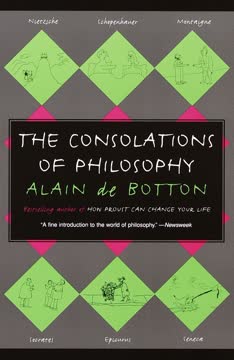
- Six Philosophers: The book examines the ideas of six philosophers: Socrates, Epicurus, Seneca, Montaigne, Schopenhauer, and Nietzsche, each offering insights into different aspects of human suffering.
- Practical Application: De Botton illustrates how these philosophical ideas can be applied to modern life, addressing issues like unpopularity, financial struggles, frustration, inadequacy, heartbreak, and difficulties.
- Philosophy as Therapy: The book positions philosophy as a form of therapy, offering practical advice and wisdom to help readers navigate personal and existential challenges.
Why should I read "The Consolations of Philosophy"?
- Accessible Philosophy: Alain de Botton makes complex philosophical ideas accessible and relevant to everyday life, making it a great introduction to philosophy.
- Practical Insights: The book provides practical insights and advice on dealing with common human problems, making it useful for personal growth and self-reflection.
- Engaging Writing: De Botton's engaging writing style combines humor, anecdotes, and historical context, making the book both informative and entertaining.
- Timeless Wisdom: By exploring the thoughts of renowned philosophers, the book offers timeless wisdom that can help readers find comfort and meaning in their lives.
What are the key takeaways of "The Consolations of Philosophy"?
- Socrates on Unpopularity: Socrates teaches the importance of staying true to one's beliefs despite societal disapproval, emphasizing the value of independent thinking.
- Epicurus on Money: Epicurus suggests that true happiness comes from simple pleasures, friendship, and freedom, rather than wealth and luxury.
- Seneca on Frustration: Seneca advises accepting the inevitability of frustration and using reason to manage emotions and expectations.
- Montaigne on Inadequacy: Montaigne encourages embracing human imperfection and finding contentment in the ordinary aspects of life.
How does Alain de Botton use Socrates' philosophy in the book?
- Consolation for Unpopularity: Socrates' philosophy is used to address the fear of unpopularity, teaching the importance of standing by one's convictions.
- Independent Thinking: Socrates exemplifies the value of questioning societal norms and thinking independently, even in the face of opposition.
- Rational Confidence: The book highlights Socrates' rational confidence in his beliefs, encouraging readers to develop their own reasoned convictions.
- Intelligent Skepticism: Socrates' life and death serve as an invitation to practice intelligent skepticism and seek wisdom through philosophy.
What does Epicurus teach about money in "The Consolations of Philosophy"?
- Simple Pleasures: Epicurus teaches that happiness is derived from simple pleasures, such as friendship, freedom, and thought, rather than material wealth.
- Natural Desires: He distinguishes between natural and necessary desires and those that are neither, suggesting that fulfilling basic needs is sufficient for happiness.
- Critique of Luxury: Epicurus critiques the pursuit of luxury, arguing that it does not lead to greater happiness and can distract from more meaningful pursuits.
- Advertising and Desires: The book discusses how modern advertising skews our perception of needs, promoting unnecessary desires that Epicurus would advise against.
How does Seneca's philosophy address frustration?
- Acceptance of Reality: Seneca advises accepting the inevitability of frustration and understanding that it stems from unrealistic expectations.
- Preparation for Adversity: He emphasizes the importance of preparing for adversity and recognizing that suffering is a part of life.
- Rational Management: Seneca encourages using reason to manage emotions and adjust expectations, reducing the impact of frustration.
- Philosophy as a Tool: The book presents Seneca's philosophy as a tool for enduring life's challenges with dignity and equanimity.
What insights does Montaigne offer on inadequacy?
- Embrace Imperfection: Montaigne encourages embracing human imperfection and accepting the limitations of reason and intellect.
- Ordinary Life: He finds value in the ordinary aspects of life, suggesting that wisdom lies in accepting and understanding our everyday experiences.
- Critique of Reason: Montaigne critiques the overemphasis on reason, highlighting the importance of acknowledging our emotional and physical selves.
- Self-Acceptance: The book uses Montaigne's philosophy to promote self-acceptance and the idea that we are adequate in our own unique ways.
How does Schopenhauer's philosophy provide consolation for heartbreak?
- Inevitability of Suffering: Schopenhauer acknowledges the inevitability of suffering in love, viewing it as a natural part of the human condition.
- Will-to-Life: He introduces the concept of the will-to-life, which drives our desires and often leads to romantic suffering.
- Understanding Rejection: Schopenhauer's philosophy helps readers understand rejection as a biological imperative rather than a personal failure.
- Acceptance of Pain: The book encourages accepting the pain of heartbreak as a necessary experience, offering a philosophical perspective on love's challenges.
What role does Nietzsche's philosophy play in "The Consolations of Philosophy"?
- Embrace of Difficulty: Nietzsche's philosophy emphasizes the importance of embracing difficulties as a path to personal growth and fulfillment.
- Critique of Comfort: He critiques the pursuit of comfort and ease, advocating for a life of challenge and striving for greatness.
- Creative Suffering: Nietzsche views suffering as a catalyst for creativity and self-discovery, encouraging readers to find meaning in adversity.
- Philosophical Courage: The book uses Nietzsche's ideas to inspire philosophical courage and the pursuit of a life rich in experiences and challenges.
What are the best quotes from "The Consolations of Philosophy" and what do they mean?
- "We will cease to be so angry once we cease to be so hopeful." This quote from Seneca highlights the connection between expectations and frustration, suggesting that adjusting our hopes can reduce anger.
- "Nothing satisfies the man who is not satisfied with a little." Epicurus emphasizes the sufficiency of simple pleasures and the futility of excessive desires.
- "Upon the highest throne in the world, we are seated, still, upon our arses." Montaigne humorously reminds us of our shared humanity and the importance of humility.
- "The secret for harvesting from existence the greatest fruitfulness and the greatest enjoyment is – to live dangerously!" Nietzsche encourages embracing risk and challenge as a means to achieve fulfillment.
How does Alain de Botton make philosophy accessible in "The Consolations of Philosophy"?
- Engaging Writing Style: De Botton uses an engaging writing style, combining humor, anecdotes, and historical context to make philosophical ideas relatable.
- Practical Examples: The book provides practical examples of how philosophical concepts can be applied to everyday life, making them relevant to modern readers.
- Clear Explanations: Complex philosophical ideas are explained clearly and concisely, making them accessible to those new to philosophy.
- Human Stories: De Botton uses human stories and experiences to illustrate philosophical concepts, helping readers connect with the material on a personal level.
What is the structure of "The Consolations of Philosophy"?
- Six Chapters: The book is divided into six chapters, each focusing on a different philosopher and a specific human challenge.
- Philosopher Profiles: Each chapter provides a profile of the philosopher, their key ideas, and how these ideas can be applied to modern life.
- Thematic Approach: The book takes a thematic approach, addressing issues like unpopularity, money, frustration, inadequacy, heartbreak, and difficulties.
- Philosophical Lessons: Each chapter concludes with philosophical lessons and practical advice, offering readers tools for personal growth and self-reflection.