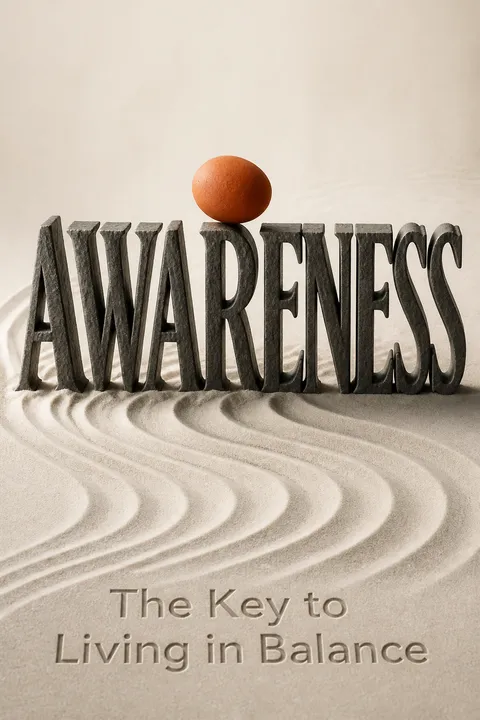

முக்கிய கருத்துகள்
1. சமநிலையுடன் வாழ்வதற்கான முக்கியக் கீல் விழிப்புணர்வு
விழிப்புணர்வு தான் வாழ்க்கையின் வழி.
விழிப்புணர்வின் சாரம். விழிப்புணர்வு என்பது சமநிலை மற்றும் நிறைவான வாழ்க்கையின் அடித்தளம் ஆகும். இது நமது எண்ணங்கள், உணர்வுகள் மற்றும் சுற்றுப்புறங்களை முழுமையாக உணர்ந்து, அங்கே முழுமையாக இருக்கிற நிலை ஆகும். பெரும்பாலானோர் அசைவான மனநிலையிலேயே வாழ்கிறார்கள்; ஆனால் உண்மையான விழிப்புணர்வு நமக்கு வாழ்க்கையை முழுமையாக அனுபவிக்க உதவுகிறது, நமது பழக்கமடைந்த மனதின் கட்டுப்பாடுகளிலிருந்து விடுபடச் செய்கிறது.
விழிப்புணர்வின் நன்மைகள்:
- சிறந்த முடிவெடுப்புத் திறன்
- உணர்ச்சி கட்டுப்பாட்டில் மேம்பாடு
- அமைதி மற்றும் திருப்தி உணர்வு அதிகரிப்பு
- இப்பொழுதில் வாழும் திறன்
- மற்றவர்களுடனும் உலகத்துடனும் ஆழமான தொடர்பு
விழிப்புணர்வை வளர்த்தெடுப்பது வாழ்நாள் பயணம்; இது தொடர்ந்து பயிற்சி மற்றும் அர்ப்பணிப்பை தேவைப்படுத்துகிறது. நமது எண்ணங்களையும் செயல்களையும் தீர்மானமின்றி கவனித்து, பயம் அல்லது பழக்கத்தின் அடிப்படையில் பதிலளிப்பதற்கு பதிலாக தெளிவும் ஞானமும் கொண்டு எதிர்கொள்ள உதவுகிறது.
2. விழித்திருக்கும் போதும் நம்முள் நம்மை நம்மே தூங்க வைத்துக்கொள்கிறோம்
மனிதர்கள் விழித்திருக்கும் நேரங்களிலும், தூங்கும் போல் சுற்றுப்புறத்தில் நடக்கும் நிகழ்வுகளை மறந்து கவனிக்காமல் இருப்பார்கள்.
விழித்திருப்பின் மாயை. பெரும்பாலானோர் விழித்திருப்பதாக நினைத்தாலும், உண்மையில் தூங்கும் போல் அசைவான மனநிலையிலேயே இருக்கிறார்கள். இந்த அசைவான நிலை தானாக நிகழும் பதில்கள், பழக்கமான எண்ணங்கள் மற்றும் இப்பொழுதைத் தவிர்க்கும் தன்மையால் அடையாளப்படுத்தப்படுகிறது. நமது மனம் தொடர்ச்சியாக எண்ணங்கள், கவலைகள் மற்றும் கவனச்சிதறல்களை உருவாக்கி, வாழ்க்கையை முழுமையாக அனுபவிக்க தடையாகிறது.
அசைவான வாழ்வின் விளைவுகள்:
- தானாக இயங்குவதால் வாழ்க்கையின் செழிப்பை தவறவிடுதல்
- கடந்த பழக்கத்தின் அடிப்படையில் பதிலளித்தல்
- மற்றவர்களோ அல்லது நம்மோடு முழுமையாக இணைக்க முடியாமை
- எதிர்மறை பழக்கங்கள் மற்றும் நடத்தை தொடர்ச்சி
- மனஅழுத்தம், கவலை மற்றும் திருப்தியின்மை
இந்த அசைவான நிலையை உணர்தல் விழிப்புணர்வுக்கு முதல் படி. நமது எண்ணங்களிலும் பதில்களிலும் அடிக்கடி தொலைந்து இருப்பதை ஏற்றுக்கொண்டு, உண்மையான விழிப்புணர்வை வளர்த்தெடுத்து அசைவான வாழ்வின் சுழற்சியிலிருந்து விடுபடலாம்.
3. சாட்சி நிலை உணர்ச்சியையும் விடுதலையையும் தரும் பாதை
சாட்சி நிலை கற்றுக்கொள்ளக்கூடிய மிகப்பெரிய மாயாஜாலம்.
கவனிப்பின் சக்தி. சாட்சி நிலை என்பது நமது எண்ணங்கள், உணர்வுகள் மற்றும் அனுபவங்களை தீர்மானமின்றி, பிணைப்பின்றி கவனிப்பது. இது விழிப்புணர்வை வளர்க்கும் அடிப்படையான முறையாகும் மற்றும் பழக்கமடைந்த மனதின் கட்டுப்பாட்டிலிருந்து விடுபட உதவுகிறது. நமது உள்ளார்ந்த உலகத்தை சாட்சியமாகக் காணும்போது, நம்மிடையே மற்றும் அனுபவங்களுக்கிடையில் இடைவெளி உருவாகி தெளிவும் விடுதலையும் ஏற்படுகிறது.
சாட்சியத்தின் முக்கிய அம்சங்கள்:
- எண்ணங்களையும் உணர்வுகளையும் தீர்மானமின்றி கவனித்தல்
- கவனிப்பவரும் கவனிக்கப்படுவனும் இடையே தூரம் உருவாக்குதல்
- பதிலளிப்பதற்கான திறன் வளர்த்தல், பதில்விடுவதற்கில்லை
- உள்ளார்ந்த அமைதி மற்றும் பிணைப்பில்லாத தன்மையை வளர்த்தல்
- மனதின் இயல்பும் உணர்ச்சியுடனான தொடர்பையும் புரிந்துகொள்ளுதல்
சாட்சி நிலையை வளர்த்துக்கொண்டே நாமே நமது எண்ணங்களோ அல்லது உணர்வுகளோ அல்ல, அவற்றை கவனிக்கும் உணர்ச்சி என்பதை உணர்கிறோம். இதனால் நம்மை மற்றும் உலகத்தைப் பற்றிய பார்வையில் ஆழமான மாற்றங்கள் ஏற்பட்டு, விடுதலையும் அமைதியையும் பெற முடியும்.
4. தியானம் என்பது எண்ணங்களை கட்டுப்படுத்துவது அல்ல, இப்பொழுதில் இருப்பதே
எண்ணங்களை நிறுத்த முயற்சிக்காதே—அவை தானாக நிற்கும்; அதை நிறுத்த முடியாது.
தியானத்தின் சாரம். பலர் தவறாக எண்ணங்களை கட்டாயமாக நிறுத்துவது அல்லது வெறுமையான மனதை அடைவது தான் தியானம் என்று நினைக்கிறார்கள். உண்மையில், தியானம் என்பது எந்த எண்ணங்களோ அனுபவங்களோ எழுந்தாலும், அவற்றை பிணைப்பின்றி கவனித்து, இப்பொழுதில் இருப்பதை வளர்ப்பது ஆகும். எண்ணங்களை கட்டுப்படுத்தவோ, அழிக்கவோ அல்ல.
தியானத்தின் முக்கியக் கொள்கைகள்:
- எண்ணங்கள் இயல்பாக வரவும் போகவும் விடுதல்
- இப்பொழுதில் கவனம் செலுத்துதல்
- பதில்விடாத விழிப்புணர்வு வளர்த்தல்
- பொறுமையும் தன்னைத்தானே நேசிப்பதும் வளர்த்தல்
- எண்ணங்களின் மற்றும் உணர்வுகளின் தற்காலிக தன்மையை உணர்தல்
தியானத்தை தொடர்ந்து பயிற்சி செய்தால், எண்ணங்கள் தானாகவே தணிந்துவிடும் என்பதை நாமே காண்கிறோம். இதனால் நமது மனதுடன் உறவு ஆழமாகி, தினசரி வாழ்வில் அமைதியும் தெளிவும் அதிகரிக்கும்.
5. குணாதிசயம் ஒரு முகமூடி; உண்மையான மாற்றம் உணர்ச்சியில்
குணாதிசயம் தேவைப்படுவது மக்கள் அசைவானவர்கள் என்பதற்காகவே.
முகப்பு மாற்றத்தைத் தாண்டி. பல ஆன்மீக மற்றும் சுய உதவி முறைகள் நடத்தை மாற்றம் அல்லது நல்ல குணங்களை வளர்ப்பதில் கவனம் செலுத்துகின்றன. ஆனால் இது அடிப்படையான பிரச்சனைகளைத் தீர்க்காமல் மேற்பரப்பில் மட்டுமே மாற்றங்களை ஏற்படுத்துகிறது. உண்மையான மாற்றம் என்பது வெளிப்புற நடத்தை மாற்றம் அல்ல, உணர்ச்சி மற்றும் விழிப்புணர்வை வளர்ப்பதில் உள்ளது.
குணாதிசய அடிப்படையிலான முறைகளின் வரம்புகள்:
- அடிப்படையான பிரச்சனைகளைத் தீர்க்காமல் நல்ல முகமூடி உருவாக்குதல்
- உள்ளார்ந்த முரண்பாடுகள் மற்றும் ஒடுக்குமுறையை தொடர்தல்
- மாற்றத்தை நிலைநிறுத்த விருப்ப சக்தி மற்றும் முயற்சியில் நம்பிக்கை வைப்பது
- நடத்தை காரணிகளை கவனிக்காமை
- உண்மையான சுய விழிப்புணர்வை வளர்க்காமை
குணாதிசய வளர்ச்சியிலிருந்து விழிப்புணர்வு விரிவாக்கத்திற்கு கவனம் மாற்றுவதன் மூலம், நமது வாழ்க்கையின் அனைத்து அம்சங்களிலும் நிலையான மாற்றத்தை அடைய முடியும். இது நமக்கு உண்மையான புரிதல் மற்றும் விழிப்புணர்விலிருந்து செயல்பட உதவும்.
6. தன்னிச்சையான செயல்கள் பழக்கமல்ல, விழிப்புணர்விலிருந்து தோன்றும்
தன்னிச்சையாக இரு. இது கடினம், ஆரம்பத்தில் முடியாதது போல் தோன்றும், ஆனால் அது இல்லை.
உண்மையான தன்னிச்சையின் இயல்பு. பலர் திடீரென செயல் படுதல் அல்லது பதில்விடுதலை தன்னிச்சையாக நினைக்கிறார்கள். ஆனால் உண்மையான தன்னிச்சை என்பது உயர்ந்த விழிப்புணர்வு மற்றும் இப்பொழுதில் இருப்பின் நிலைமையிலிருந்து தோன்றும்; பழக்கமடைந்த பதில்கள் அல்லது அசைவான உணர்ச்சிகளிலிருந்து அல்ல. இது ஒவ்வொரு தருணத்திலும் புதிய முறையில் பதிலளிக்கும் திறன் ஆகும்.
உண்மையான தன்னிச்சையின் பண்புகள்:
- இப்பொழுதில் விழிப்புணர்விலிருந்து செயல்படுதல்
- படைப்பாற்றல் மற்றும் நெகிழ்வுடன் சூழ்நிலைகளுக்கு பதிலளித்தல்
- பழக்க கட்டுப்பாடுகளிலிருந்து விடுதலை
- ஓட்டம் மற்றும் எளிமை உணர்வு
- நமது உண்மையான இயல்பு மற்றும் மதிப்புகளுடன் ஒத்திசைவு
தன்னிச்சையை வளர்ப்பது ஆழமான சுய விழிப்புணர்வு மற்றும் இப்பொழுதில் இருப்பை வளர்ப்பதை தேவைப்படுத்துகிறது. பழக்கமடைந்த மனதுடன் குறைவாக அடையாளம் காணும்போது, நாமே இயல்பாகவும் உண்மையாகவும் உலகத்துடன் தொடர்பு கொள்கிறோம்.
7. ஓய்வு மற்றும் விழிப்புணர்வு இணைந்த நிலைகள்
ஓய்வது எளிது. விழிப்புணர்வு என்ன என்பதை புரிந்திருந்தால், இப்போதே ஓய்வதற்கு முடியும்.
ஓய்வும் விழிப்புணர்வும் தொடர்பு. பலர் ஓய்வதை ஒரு கடமை அல்லது இலக்காகக் கருதுகிறார்கள்; அதனால் ஓய்வதில் சிரமப்படுகிறார்கள். ஆனால் உண்மையான ஓய்வு என்பது நாமே முழுமையாக இப்பொழுதில் விழிப்புணர்வுடன் இருக்கும்போது தானாக ஏற்படும் இயல்பான நிலை. விழிப்புணர்வை வளர்த்தால், எதையும் முயற்சி செய்யாமல் ஆழ்ந்த ஓய்வில் நுழைய முடியும்.
எளிதான ஓய்வின் முக்கிய அம்சங்கள்:
- கட்டுப்படுத்த அல்லது அடைய வேண்டிய தேவையை விட்டுவிடுதல்
- உடல் மற்றும் மூச்சில் முழுமையாக இருப்பது
- எண்ணங்களையும் உணர்வுகளையும் எதிர்ப்பு இல்லாமல் அனுமதித்தல்
- ஏற்றுக்கொள்ளும் மனப்பான்மையும் தீர்மானமற்ற தன்மையும் வளர்த்தல்
- மன செயல்பாட்டின் கீழ் இருக்கும் அமைதியை உணர்தல்
விழிப்புணர்வை வளர்த்துக்கொண்டே, ஓய்வு இயல்பான மற்றும் எளிதான நிலையாக மாறும். இதன் மூலம் நமது நலமும் வாழ்க்கை தரமும் பெரிதும் மேம்படும்.
8. விழிப்புணர்வு இல்லாத நெறிமுறை அர்த்தமற்றது
நெறிமுறை நல்ல மற்றும் கெட்ட குணங்களைப் பற்றியது. நெறிமுறையின் படி, நேர்மையான, உண்மையான, நம்பகமான மனிதன் நல்லவன்.
பாரம்பரிய நெறிமுறையைத் தாண்டி. பாரம்பரிய நெறிமுறை முறைகள் பெரும்பாலும் வெளிப்புற விதிகளைக் கடைப்பிடிப்பதோ அல்லது குறிப்பிட்ட பண்புகளை வளர்ப்பதோ மீது கவனம் செலுத்துகின்றன. ஆனால் விழிப்புணர்வு இல்லாமல், இவை மேற்பரப்பில் மட்டுமே மாற்றங்களை ஏற்படுத்தி, நடத்தை காரணிகளைத் தீர்க்க முடியாது. உண்மையான நெறிமுறை வாழ்வு உயர்ந்த விழிப்புணர்வு மற்றும் புரிதலிலிருந்து தோன்றும், விதிகளை பின்பற்றுவதிலிருந்து அல்ல.
பாரம்பரிய நெறிமுறையின் வரம்புகள்:
- உள்ளார்ந்த முரண்பாடுகள் மற்றும் ஒடுக்குமுறையை உருவாக்குதல்
- தீர்மானிப்பும் தன்னம்பிக்கையுமுள்ள மனப்பான்மையை ஊக்குவித்தல்
- ஒழுக்கமற்ற நடத்தை காரணிகளை கவனிக்காமை
- உண்மையான புரிதல் மற்றும் கருணையை வளர்க்காமை
- நல்லதும் கெட்டதும் என்ற இரட்டை பார்வையை தொடர்தல்
விழிப்புணர்வையும் உணர்ச்சியையும் வளர்த்தால், வெளிப்புற விதிகள் இல்லாமல் இயல்பாக நெறிமுறை நடத்தை ஏற்படும். இது உண்மையான புரிதல் மற்றும் கருணையில் அடிப்படையாயிருக்கும் ஒருங்கிணைந்த வாழ்வை உருவாக்கும்.
9. தினசரி வாழ்வில் விழிப்புணர்வை வளர்க்கும் நடைமுறை முறைகள்
நீங்கள் நடக்கிறீர்களா, உட்கார்கிறீர்களா, சாப்பிடுகிறீர்களா, அல்லது எதுவும் செய்யாமல் மூச்சு விடுகிறீர்களா, ஓய்வெடுக்கிறீர்களா, புல்வெளியில் ஓய்வெடுக்கிறீர்களா—நீங்கள் எப்போதும் ஒரு கவனிப்பவர் என்பதை மறக்காதீர்கள்.
விழிப்புணர்வை அன்றாட செயல்களில் இணைத்தல். விழிப்புணர்வை வளர்க்க சிறப்பு சூழல் அல்லது தனி தியான நேரம் தேவையில்லை. எளிய நடைமுறைகளை அன்றாட வாழ்க்கையில் சேர்த்துக்கொண்டு, முழு வாழ்க்கையையும் தியானமாக மாற்றலாம். சாதாரண செயல்களில் மனதுடன் கவனம் செலுத்துவதன் மூலம், நமது விழிப்புணர்வு திறன் விரிவடையும்.
நடைமுறை விழிப்புணர்வு முறைகள்:
- மனதுடன் மூச்சை கவனித்தல்
- உடல் உணர்வுகளை அடிக்கடி பரிசோதித்தல்
- நடக்கும்போது, நீட்டும்போது விழிப்புணர்வுடன் செயல்படுதல்
- சாப்பிடும் போது சுவை, அமைப்பு மற்றும் உணர்வுகளை முழுமையாக அனுபவித்தல்
- எண்ணங்களை கவனித்து, அவற்றில் சிக்காமல் விடுதல்
- பார்வை, ஒலி, வாசனை மற்றும் தொடுதல்களை முழுமையாக உணர்தல்
- உணர்ச்சிகளை தீர்மானமின்றி கவனித்தல்
இந்த முறைகளை தொடர்ந்து பயன்படுத்தி, நமது விழிப்புணர்வு மற்றும் இப்பொழுதில் இருப்பு திறன் மெதுவாக விரிவடையும். இதன் மூலம் வாழ்க்கை, உறவுகள் மற்றும் நம்மை பற்றிய அனுபவங்களில் ஆழமான மாற்றங்கள் நிகழும்.
மதிப்புரைச் சுருக்கம்
ஓஷோவின் அவேர்னஸ் என்ற நூல், மனச்சாட்சியையும் இன்றைய தருணத்தில் வாழ்வதையும் பற்றிய ஆழமான அறிவுரைகளால் வாசகர்களிடையே பெரும் பாராட்டைப் பெற்றுள்ளது. தியானம் மற்றும் சுய உணர்வில் ஆழமான ஞானத்தை வழங்கும் இந்த நூல், பலருக்கு மாற்றத்தை ஏற்படுத்தும் வகையில் உள்ளது. ஓஷோவின் நேரடியான, சில நேரங்களில் எதிர்ப்பாராத முறையில் பேசும் பாணியை விமர்சகர்கள் மதிப்பிடுகின்றனர்; இருப்பினும், சிலர் அதில் உள்ள கருத்துக்கள் மீண்டும் மீண்டும் வருவதாகக் குறிப்பிடுகின்றனர். ஆன்மீக வளர்ச்சியை நாடும் மற்றும் சிந்தனையின் ஆழத்தை அறிய விரும்பும் அனைவருக்கும் இந்த நூல் ஒரு மதிப்புமிக்க வழிகாட்டியாக கருதப்படுகிறது. இதே வகை நூல்களில் இதை சிறந்ததாக எண்ணும் வாசகர்களும் பலர் உள்ளனர்.
மக்கள் படித்தவை







அடிக்கடி கேட்கும் கேள்விகள்
What's "Awareness: The Key to Living in Balance" about?
- Core Theme: The book by Osho explores the concept of awareness as the fundamental key to achieving balance in life. It emphasizes the importance of being present and conscious in every moment.
- Awareness vs. Mind: Osho distinguishes between the mind, which is often filled with noise and distractions, and true awareness, which is a state of being fully present and conscious.
- Practical Guidance: The book provides practical advice and techniques for cultivating awareness, such as meditation and mindfulness practices.
- Philosophical Insights: It delves into philosophical discussions on the nature of reality, consciousness, and the self, encouraging readers to explore their inner world.
Why should I read "Awareness: The Key to Living in Balance"?
- Personal Growth: The book offers insights into personal development by teaching how to live more consciously and authentically.
- Stress Reduction: By practicing awareness, readers can reduce stress and anxiety, leading to a more peaceful and balanced life.
- Spiritual Exploration: It provides a spiritual perspective on life, encouraging readers to explore deeper existential questions and find meaning.
- Practical Techniques: Osho shares practical techniques for meditation and mindfulness that can be easily incorporated into daily life.
What are the key takeaways of "Awareness: The Key to Living in Balance"?
- Awareness is Essential: Awareness is the foundation for living a balanced and fulfilling life. It involves being fully present and conscious in every moment.
- Mind vs. Awareness: The mind is often filled with noise and distractions, while awareness is a state of clarity and presence.
- Practical Techniques: The book offers practical techniques for cultivating awareness, such as meditation and mindfulness practices.
- Inner Transformation: By developing awareness, individuals can experience inner transformation, leading to greater peace, joy, and fulfillment.
What are the best quotes from "Awareness: The Key to Living in Balance" and what do they mean?
- "Awareness is the key to living in balance." This quote encapsulates the central theme of the book, emphasizing the importance of awareness in achieving balance in life.
- "The mind is a beautiful servant, but a dangerous master." This highlights the idea that the mind should be a tool for awareness, not the controlling force in one's life.
- "Be a witness, not a judge." This encourages readers to observe their thoughts and actions without judgment, fostering a state of awareness and acceptance.
- "Silence is the space in which one awakens." This suggests that true awareness and awakening occur in moments of silence and stillness.
How does Osho define awareness in "Awareness: The Key to Living in Balance"?
- State of Presence: Awareness is defined as a state of being fully present and conscious in the moment, without distractions or judgments.
- Beyond the Mind: It involves transcending the mind's constant chatter and noise to reach a state of clarity and presence.
- Witnessing: Awareness is about witnessing one's thoughts, emotions, and actions without attachment or identification.
- Inner Light: Osho describes awareness as an inner light that illuminates the path to self-discovery and transformation.
What practical techniques does Osho suggest for cultivating awareness?
- Meditation Practices: Osho emphasizes the importance of meditation as a tool for developing awareness and offers various meditation techniques.
- Mindfulness Exercises: Simple mindfulness exercises, such as watching the breath or being fully present in daily activities, are recommended.
- Witnessing Thoughts: Practicing the art of witnessing thoughts and emotions without judgment is a key technique for cultivating awareness.
- Living in the Moment: Osho encourages readers to live in the moment, fully experiencing each moment without distractions or future concerns.
How does Osho differentiate between mind and awareness?
- Mind as Noise: The mind is described as a source of noise and distractions, filled with thoughts, judgments, and past conditioning.
- Awareness as Clarity: In contrast, awareness is a state of clarity and presence, free from the mind's constant chatter.
- Mind as a Tool: Osho suggests that the mind should be used as a tool for awareness, not the controlling force in one's life.
- Awareness as Witnessing: Awareness involves witnessing one's thoughts and actions without attachment or identification, leading to greater clarity and understanding.
What is the significance of meditation in "Awareness: The Key to Living in Balance"?
- Path to Awareness: Meditation is presented as a primary path to cultivating awareness and achieving inner balance.
- Silencing the Mind: Through meditation, individuals can silence the mind's noise and distractions, reaching a state of clarity and presence.
- Inner Transformation: Regular meditation practice leads to inner transformation, fostering greater peace, joy, and fulfillment.
- Accessible Techniques: Osho provides accessible meditation techniques that can be easily incorporated into daily life, making meditation a practical tool for everyone.
How does Osho address the concept of suffering in "Awareness: The Key to Living in Balance"?
- Rooted in Unawareness: Suffering is described as a state of unconsciousness, arising from a lack of awareness and presence.
- Illusions of the Mind: The mind creates illusions and attachments that lead to suffering, and awareness is the key to transcending these illusions.
- Awareness as Liberation: By cultivating awareness, individuals can liberate themselves from suffering and experience true peace and joy.
- Practical Solutions: Osho offers practical solutions for overcoming suffering, such as meditation and mindfulness practices that foster awareness.
What role does witnessing play in Osho's teachings on awareness?
- Core Practice: Witnessing is a core practice in Osho's teachings, involving observing one's thoughts, emotions, and actions without attachment or judgment.
- Path to Awareness: Through witnessing, individuals can cultivate awareness and transcend the mind's constant chatter and distractions.
- Inner Clarity: Witnessing leads to inner clarity and understanding, allowing individuals to see themselves and the world more clearly.
- Transformation: By practicing witnessing, individuals can experience inner transformation, leading to greater peace, joy, and fulfillment.
How does Osho's concept of "Zorba the Buddha" relate to awareness?
- Integration of Opposites: "Zorba the Buddha" represents the integration of the earthy pleasures of Zorba the Greek with the silent serenity of Gautama the Buddha.
- Balanced Living: This concept emphasizes the importance of living a balanced life, enjoying both the material and spiritual aspects of existence.
- Awareness as Key: Awareness is the key to achieving this balance, allowing individuals to fully experience and enjoy life while remaining centered and conscious.
- Holistic Approach: Osho's teachings encourage a holistic approach to life, embracing both the outer world and the inner journey of self-discovery.
What is the ultimate goal of awareness according to Osho?
- Inner Transformation: The ultimate goal of awareness is inner transformation, leading to a state of peace, joy, and fulfillment.
- Transcending the Mind: Awareness allows individuals to transcend the mind's constant chatter and distractions, reaching a state of clarity and presence.
- Self-Realization: Through awareness, individuals can achieve self-realization, discovering their true nature and purpose in life.
- Liberation from Suffering: Awareness liberates individuals from suffering, allowing them to experience true freedom and happiness.
ஆசிரியரைப் பற்றி
மற்ற புத்தகங்கள் எழுதியவர் ஓஷோ









PDF பதிவிறக்கு
EPUB பதிவிறக்கு
.epub digital book format is ideal for reading ebooks on phones, tablets, and e-readers.








































