ประเด็นสำคัญ
1. ตัวละครที่น่าจดจำคือรากฐานของนิยายชั้นยอด
ตัวละครสำหรับนักเขียนนิยายเปรียบเสมือนไม้สำหรับช่างไม้ และอิฐสำหรับช่างก่ออิฐ
สร้างตัวละครที่มีมิติครบถ้วน พัฒนาตัวละครให้มีความลึกซึ้ง มีแรงจูงใจซับซ้อน ความปรารถนาที่ขัดแย้งกัน และชีวิตภายในที่หลากหลาย เกินกว่าการเป็นแค่ภาพลักษณ์ซ้ำซาก โดยเติมคุณสมบัติที่ขัดแย้งและคุณลักษณะที่ไม่คาดคิด สร้างประวัติตัวละครอย่างละเอียด ทั้งด้านร่างกาย สังคม และจิตใจ
ค้นหาหัวใจของตัวละคร เจาะลึกแรงขับเคลื่อนหลักของตัวละครแต่ละตัว—แรงจูงใจสำคัญที่ผลักดันการกระทำตลอดเรื่อง แรงจูงใจนี้ควรมีรากฐานมาจากประวัติชีวิตและเป็นตัวกำหนดการตัดสินใจและความขัดแย้ง ตัวละครควรมีความมุ่งมั่นและแรงจูงใจชัดเจน ทำงานเต็มที่ภายใต้กรอบลักษณะนิสัยที่ตั้งไว้
ตัวอย่างตัวละครที่น่าจดจำ:
- ไมเคิล คอร์เลโอเน ใน The Godfather
- สครูจ ใน A Christmas Carol
- เอ็มมา โบวารี ใน Madame Bovary
2. ความขัดแย้งขับเคลื่อนเรื่องราวและเผยตัวละคร
เรื่องราวคือการต่อสู้ วิธีที่ตัวละครต่อสู้เผยให้เห็นว่าเขาคือใคร
สร้างความขัดแย้งหลายชั้น พัฒนาความขัดแย้งภายนอกระหว่างตัวละคร รวมถึงความขัดแย้งภายในตัวละครเอง ให้ความขัดแย้งมีความสมดุล มีฝ่ายตรงข้ามที่มีแรงจูงใจชัดเจนทุกฝ่าย ใช้ความขัดแย้งเพื่อเปิดเผยลักษณะตัวละคร บังคับให้ต้องตัดสินใจยาก และขับเคลื่อนพล็อตไปข้างหน้า
รักษาความตึงเครียดที่เพิ่มขึ้น วางโครงเรื่องให้ความขัดแย้งทวีความรุนแรงและปัญหาซับซ้อนมากขึ้น สร้างแรงกดดันต่อตัวละคร หลีกเลี่ยงความขัดแย้งที่หยุดนิ่งหรือกระโดดไปมา โดยให้ตัวละครเปลี่ยนแปลงทีละน้อยตามอุปสรรคที่เพิ่มขึ้น สร้าง “เตาหลอม” ที่กักขังตัวละครในความขัดแย้งจนกว่าจะถึงบทสรุป
ประเภทของความขัดแย้ง:
- มนุษย์กับมนุษย์
- มนุษย์กับธรรมชาติ
- มนุษย์กับสังคม
- มนุษย์กับตนเอง
3. สมมติฐานที่แข็งแรงคือหัวใจของนิยายที่สมบูรณ์
การเขียนเรื่องโดยไม่มีสมมติฐานก็เหมือนพายเรือโดยไม่มีไม้พาย
พัฒนาสมมติฐานที่ชัดเจน กำหนดสมมติฐานเป็นประโยคสั้น ๆ ที่สรุปความขัดแย้งหลักและการเปลี่ยนแปลงของเรื่อง สมมติฐานที่ดีต้องประกอบด้วยตัวละคร ความขัดแย้ง และบทสรุป ใช้สมมติฐานนี้เป็นหลักในการพัฒนาพล็อตและเส้นทางตัวละคร
ให้สมมติฐานกำหนดเรื่องราว ใช้สมมติฐานเป็นเกณฑ์ตัดสินใจว่าจะใส่หรือไม่ใส่ฉาก ตัวละคร และพล็อตย่อยใด ทุกองค์ประกอบต้องสนับสนุนสมมติฐานอย่างชัดเจน พร้อมตัดฉากหรือตัวละครที่รักหากไม่สอดคล้องกับแก่นเรื่อง
ตัวอย่างสมมติฐานที่แข็งแรง:
- “ความโลภนำไปสู่การทำลายตัวเอง” (The Great Gatsby)
- “ความรักชนะทุกสิ่ง” (Romeo and Juliet)
- “อำนาจทำให้เสื่อมทราม” (Animal Farm)
4. เชี่ยวชาญศิลปะการเล่าเรื่องผ่านโครงสร้างและจังหวะ
เรื่องราวคือการเล่าถึงเหตุการณ์สำคัญที่เกี่ยวข้องกับตัวละครมนุษย์ที่มีคุณค่าและเปลี่ยนแปลงจากเหตุการณ์เหล่านั้น
ร้อยเรียงโครงเรื่องอย่างน่าติดตาม วางโครงเรื่องให้มีจุดเริ่มต้น กลาง และจุดจบที่ชัดเจน เริ่มก่อนเหตุการณ์กระตุ้น พัฒนาความขัดแย้งผ่านการดำเนินเรื่องที่เพิ่มขึ้น สร้างจุดไคลแมกซ์ และให้บทสรุปที่น่าพอใจ ใช้แผนผังขั้นตอนเพื่อวางแผนเหตุการณ์สำคัญและพัฒนาการตัวละคร
ควบคุมจังหวะและความตึงเครียด สลับจังหวะการเล่าเรื่องด้วยการผสมผสานฉากเต็ม ฉากย่อย และบทสรุปเรื่อง ตัดเข้าสู่ฉากที่มีความขัดแย้งเพิ่มขึ้นเพื่อรักษาความเร็ว ใช้การบอกใบ้ล่วงหน้าเพื่อสร้างความคาดหวังและรักษาความสนใจในช่วงที่ต้องเล่าเรื่องที่ไม่ตื่นเต้นมาก
องค์ประกอบสำคัญของโครงเรื่อง:
- เหตุการณ์กระตุ้น
- การดำเนินเรื่องที่เพิ่มขึ้น
- จุดไคลแมกซ์
- การคลี่คลาย
- บทสรุป
5. มุมมองและเสียงบรรยายกำหนดประสบการณ์ผู้อ่าน
เวทมนตร์ของการระบุตัวตน คือกลเม็ดที่ยิ่งใหญ่ที่สุด
เลือกมุมมองที่เหมาะสม เลือกมุมมองการเล่าเรื่องที่ตอบโจทย์เรื่องราวและประเภทวรรณกรรม พิจารณาจุดแข็งและข้อจำกัดของมุมมองบุคคลที่หนึ่ง บุคคลที่สามจำกัด บุคคลที่สามรู้ทุกอย่าง และมุมมองที่เป็นกลาง ใช้มุมมองเพื่อควบคุมการเข้าถึงข้อมูลของผู้อ่านและสร้างความผูกพันกับตัวละครหลัก
พัฒนาเสียงบรรยายที่โดดเด่น สร้างเสียงบรรยายที่เหมาะสมกับประเภทและเรื่องราว ไม่ว่าจะเป็นผู้บรรยายบุคคลที่สามที่ “มองไม่เห็น” หรือเสียงบุคคลที่หนึ่งที่แทรกแซงบ่อย รักษาความสม่ำเสมอและใช้เสียงบรรยายเพื่อเพิ่มประสบการณ์ของผู้อ่านในโลกของเรื่อง
ตัวเลือกมุมมอง:
- บุคคลที่หนึ่ง
- บุคคลที่สามจำกัด
- บุคคลที่สามรู้ทุกอย่าง
- มุมมองที่เป็นกลาง
6. สร้างบทสนทนาที่มีชีวิตชีวาและถ้อยคำที่ชวนสัมผัส
บทสนทนาที่ดีควรมีความขัดแย้ง ไม่ตรงไปตรงมา ฉลาด และมีสีสัน
เขียนบทสนทนาที่น่าดึงดูด สร้างบทสนทนาที่เปิดเผยตัวละคร ขับเคลื่อนพล็อต และรักษาความขัดแย้ง หลีกเลี่ยงบทสนทนาแบบตรงไปตรงมาโดยใช้ความหมายแฝงและการพูดอ้อม ให้แต่ละตัวละครมีเสียงและวิธีพูดที่เป็นเอกลักษณ์ ใช้บทสนทนาเพื่อแสดงแทนการบอกเมื่อเป็นไปได้
วาดภาพด้วยถ้อยคำที่ชัดเจน ใช้รายละเอียดทางประสาทสัมผัสและภาษาที่เปรียบเปรยเพื่อทำให้ฉากมีชีวิตชีวา ดึงดูดประสาทสัมผัสทั้งห้าในการบรรยาย ใช้ภาษาที่เฉพาะเจาะจงและจับต้องได้แทนคำพูดกว้าง ๆ ผสมผสานเครื่องมือวรรณศิลป์เช่นอุปมาอุปไมย แต่หลีกเลี่ยงถ้อยคำฟุ่มเฟือยหรือการเปรียบเทียบที่สับสน
เคล็ดลับสำหรับถ้อยคำมีชีวิต:
- ใช้คำเฉพาะและจับต้องได้
- ดึงดูดประสาทสัมผัสทั้งห้า
- ใช้อุปมาอุปไมยใหม่ ๆ
- สลับโครงสร้างและจังหวะประโยค
7. การเขียนทบทวนคือเวทมนตร์ที่แท้จริง
มีเพียงนักเขียนเท่านั้นที่รู้วิธีเขียนทบทวน ความสามารถนี้เปลี่ยนมือสมัครเล่นให้เป็นมืออาชีพ
ยอมรับการแก้ไข เข้าใจว่าร่างแรกมักไม่พร้อมเผยแพร่ และงานเขียนที่แท้จริงเกิดขึ้นในขั้นตอนแก้ไข พัฒนาความสามารถในการมองงานของตนอย่างเป็นกลางและหาจุดที่ต้องปรับปรุง พร้อมเปิดใจเปลี่ยนแปลงพล็อต ตัวละคร และถ้อยคำเพื่อเสริมความแข็งแรงของเรื่อง
แสวงหาคำติชมที่สร้างสรรค์ เข้าร่วมกลุ่มนักเขียนหรือหาผู้อ่านทดสอบที่ให้คำติชมอย่างตรงไปตรงมาและวิจารณ์อย่างสร้างสรรค์ เรียนรู้ที่จะแยกตัวตนออกจากงานและรับฟังคำวิจารณ์โดยไม่ป้องกันตัว ใช้คำติชมเพื่อค้นหาจุดบอดในงานเขียนและนำทางกระบวนการแก้ไข
ขั้นตอนการแก้ไขอย่างมีประสิทธิภาพ:
- พักงานเขียนไว้สักระยะ
- อ่านด้วยสายตาใหม่
- วิเคราะห์โครงสร้างและจังหวะ
- ลึกซึ้งในตัวละคร
- กระชับถ้อยคำ
- ขัดเกลาบทสนทนา
- ตรวจสอบความสม่ำเสมอ
สรุปรีวิว
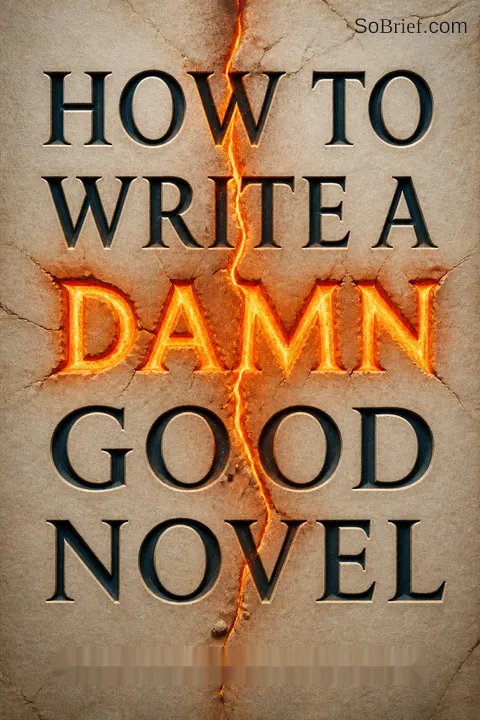
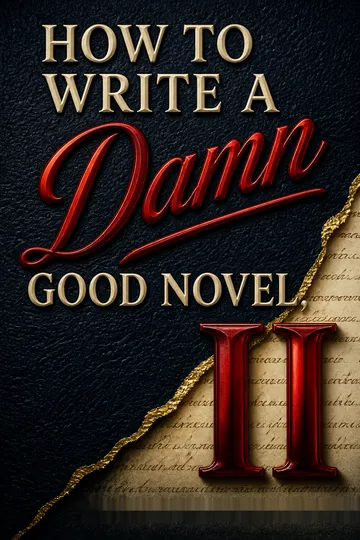
หนังสือเล่มนี้มีชื่อว่า How to Write a Damn Good Novel ได้รับคำวิจารณ์ที่หลากหลาย บางคนชื่นชมคำแนะนำที่เป็นประโยชน์เกี่ยวกับการพัฒนาตัวละคร ความขัดแย้ง และเทคนิคการเล่าเรื่อง โดยเฉพาะอย่างยิ่งสำหรับผู้เริ่มต้น ขณะเดียวกันก็มีเสียงวิจารณ์ว่าเนื้อหาในหนังสือค่อนข้างล้าสมัยและเคร่งครัดเกินไป บางคนไม่เห็นด้วยกับวิธีการของผู้เขียน นอกจากนี้ผู้อ่านบางส่วนชื่นชอบตัวอย่างจากวรรณกรรมคลาสสิกที่นำมาใช้ แต่ก็มีบางคนมองว่าไม่สอดคล้องกับการเขียนในยุคปัจจุบัน โทนของหนังสือถูกบรรยายว่า ทั้งน่าสนใจและบางครั้งก็น่ารำคาญโดยรวมแล้ว หนังสือเล่มนี้ถือเป็นจุดเริ่มต้นที่ดีสำหรับผู้ที่อยากเป็นนักเขียนนวนิยาย แต่ไม่ใช่คู่มือที่สมบูรณ์แบบแต่อย่างใด
คนอื่นยังอ่าน
คำถามที่พบบ่อย
What's "How to Write a Damn Good Novel" about?
- Comprehensive guide: The book is a step-by-step guide to writing a dramatic novel, focusing on creating compelling characters and engaging plots.
- Dramatic storytelling: It emphasizes the importance of drama in novels, using examples from classic literature to illustrate key points.
- Practical advice: The author, James N. Frey, provides practical advice on various aspects of novel writing, from character development to rewriting.
- Target audience: It is aimed at both aspiring and experienced writers who want to improve their storytelling skills.
Why should I read "How to Write a Damn Good Novel"?
- Improve writing skills: The book offers valuable insights and techniques to enhance your novel-writing abilities.
- Structured approach: It provides a structured approach to writing, making it easier to tackle the complex task of novel creation.
- Proven methods: The advice is based on tried-and-tested methods used by successful authors.
- Inspiration and motivation: Reading the book can inspire and motivate you to start or continue writing your novel.
What are the key takeaways of "How to Write a Damn Good Novel"?
- Character importance: Creating vivid, well-rounded characters is crucial for a compelling novel.
- Conflict is essential: The three greatest rules of dramatic writing are conflict, conflict, and conflict.
- Premise is key: A strong premise guides the story and ensures it has a clear direction and purpose.
- Rewriting is vital: The process of rewriting is essential to refine and perfect your novel.
How does James N. Frey define a "premise" in novel writing?
- Core of the story: The premise is the central idea or theme that the novel seeks to prove or explore.
- Guides the narrative: It serves as a guiding principle for the story, helping to maintain focus and coherence.
- Character, conflict, conclusion: A good premise includes elements of character, conflict, and conclusion.
- Specific to the story: The premise is not a universal truth but is specific to the particular story being told.
What is the significance of conflict in "How to Write a Damn Good Novel"?
- Driving force: Conflict is the driving force of a dramatic novel, bringing characters to life and engaging readers.
- Character development: It reveals character traits and motivations, allowing characters to grow and change.
- Types of conflict: The book discusses different types of conflict, including inner conflict and opposition between characters.
- Rising conflict: A well-structured novel features a slowly rising conflict that builds to a climax.
How does Frey suggest creating well-rounded characters?
- Three dimensions: Characters should have physiological, sociological, and psychological dimensions.
- Character biographies: Writing detailed biographies helps understand characters' motivations and behaviors.
- Ruling passion: Identify a character's ruling passion, which drives their actions and decisions.
- Avoid stereotypes: Create unique characters by avoiding clichés and combining unexpected traits.
What is the role of a stepsheet in novel writing according to Frey?
- Blueprint for the novel: A stepsheet is a detailed plan of the incidents in a story, serving as a blueprint for the novel.
- Ensures coherence: It helps maintain a logical sequence of events, ensuring the story flows smoothly.
- Tracks character growth: The stepsheet charts the development and growth of characters throughout the story.
- Flexible tool: While it provides structure, it can be adjusted as the story evolves during the writing process.
How does Frey recommend handling dialogue in a novel?
- Indirect dialogue: Characters should express their thoughts and desires indirectly, adding depth and interest.
- Conflict in dialogue: Dialogue should be in conflict, revealing character motivations and advancing the plot.
- Avoid clichés: Strive for fresh, colorful, and clever dialogue that reflects the character's personality.
- Rewriting dialogue: Dialogue often requires multiple revisions to achieve the desired impact and authenticity.
What are some of the best quotes from "How to Write a Damn Good Novel" and what do they mean?
- "Conflict! Conflict! Conflict!": This emphasizes the importance of conflict as the core element of dramatic storytelling.
- "Writing a story without a premise is like rowing a boat without oars.": Highlights the necessity of a clear premise to guide the narrative.
- "Characters are to a novelist what lumber is to a carpenter.": Stresses the fundamental role of characters in constructing a novel.
- "The climax is the last, for which the first was made.": Underlines the significance of building towards a powerful climax in the story.
How does Frey address the rewriting process in novel writing?
- Essential step: Rewriting is crucial for refining and perfecting the novel, turning a draft into a polished work.
- Objective evaluation: Writers must learn to evaluate their work objectively, identifying strengths and weaknesses.
- Ruthless editing: Be prepared to make significant changes, including cutting favorite scenes if necessary.
- Feedback and critique: Seek feedback from others, such as writers' groups, to gain different perspectives on the manuscript.
What is the "Zen of Novel Writing" according to Frey?
- Commitment and discipline: Becoming a novelist requires dedication, self-discipline, and a willingness to sacrifice time and energy.
- Overcoming challenges: Writers must persevere through challenges like writer's block and self-doubt.
- Regular writing schedule: Establishing a consistent writing routine is key to completing a novel.
- Focus on the craft: Success in novel writing comes from mastering the craft, not just relying on talent or inspiration.
How does Frey suggest dealing with writer's block?
- Identify the cause: Determine if the block is due to not knowing characters well enough, editing while writing, or fear of failure/success.
- Keep writing: Continue writing even if it's difficult, as persistence can help overcome the block.
- Interview characters: If characters are uncooperative, interview them to understand their motivations and actions better.
- Separate writing and editing: Avoid editing while drafting to maintain creative flow and prevent self-censorship.
เกี่ยวกับผู้เขียน
ดาวน์โหลด PDF
ดาวน์โหลด EPUB
.epub digital book format is ideal for reading ebooks on phones, tablets, and e-readers.








































