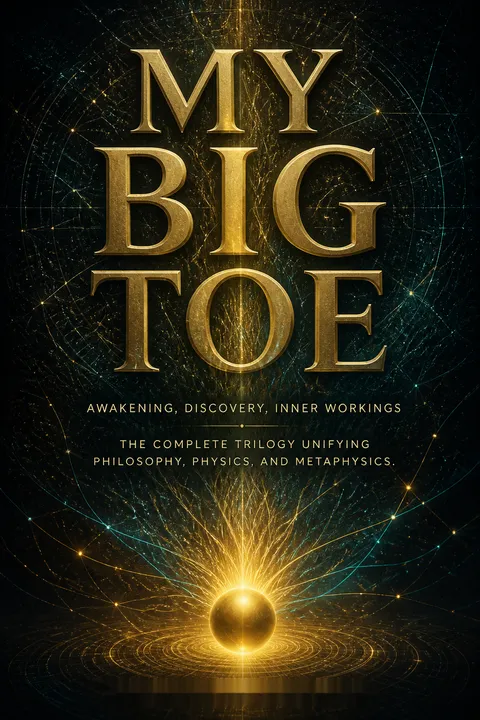

Summary Unavailable
This book is not suitable for a summary (it may be a textbook, workbook, cookbook, reference book, or collection). However, you can still explore the FAQs, about author, and other metadata below!
ประเด็นสำคัญ
1. ความจริงคือการสร้างขึ้นจากจิตสำนึก ไม่ใช่วัตถุทางกายภาพ
จิตสำนึกเป็นสื่อพื้นฐานที่สร้างความจริง — วัสดุที่ไม่มีตัวตนแต่เป็นรากฐานของการดำรงอยู่
จิตสำนึกในฐานะรากฐาน. ผู้เขียนเสนอว่า จิตสำนึก ไม่ใช่วัตถุทางกายภาพ คือพื้นฐานสำคัญของความจริง แนวคิดนี้ท้าทายความเข้าใจแบบเดิมที่เรามีเกี่ยวกับจักรวาล แทนที่จะเป็นโลกทางกายภาพที่ก่อให้เกิดจิตสำนึก กลับเป็นจิตสำนึกที่ก่อให้เกิดภาพลักษณ์ของโลกทางกายภาพ
ผลกระทบจากความจริงที่อิงจิตสำนึก:
- กฎทางกายภาพและปรากฏการณ์ต่าง ๆ เป็นการแสดงออกของจิตสำนึก
- ปัญหาจิตใจ-ร่างกายคลี่คลาย เพราะทั้งสองเป็นการสร้างของจิตสำนึก
- ปรากฏการณ์ลี้ลับสามารถอธิบายได้ในกรอบนี้
- จิตสำนึกของแต่ละบุคคลเป็นส่วนหนึ่งของจิตสำนึกสากลที่ใหญ่กว่า
2. เอกภาพที่ไม่มีขอบเขต (AUO) พัฒนาเป็นเอกภาพที่ซับซ้อนและไม่มีขอบเขต (AUM)
AUO ถูกอธิบายว่าเป็นทุกสิ่ง (แหล่งเดียว) และไม่มีสิ่งใด (ไม่มีตัวตนแยกเฉพาะ) พร้อมกัน
จิตสำนึกดั้งเดิมพัฒนา. ผู้เขียนแนะนำแนวคิด AUO ในฐานะจิตสำนึกดั้งเดิมที่ยังไม่แยกส่วน ซึ่งพัฒนาเป็น AUM ที่มีความซับซ้อนและมีโครงสร้างมากขึ้น การพัฒนานี้ขับเคลื่อนโดยกระบวนการพื้นฐาน ซึ่งเปรียบเสมือนวิวัฒนาการทางชีวภาพแต่ใช้กับจิตสำนึกโดยตรง
ประเด็นสำคัญของการพัฒนา AUO เป็น AUM:
- AUO เริ่มต้นในฐานะพลังงานศักย์ของจิตสำนึก
- กระบวนการพื้นฐานขับเคลื่อนการแยกส่วนและความซับซ้อน
- AUM พัฒนาโครงสร้าง ความทรงจำ และจุดประสงค์
- การพัฒนานี้สร้างกรอบสำหรับความจริงและจิตสำนึกแต่ละบุคคล
3. ความจริงทางกายภาพของเราเป็นประสบการณ์เสมือนที่สร้างโดยจิตสำนึก
กาลอวกาศเป็นตัวกรองที่เชื่อมต่อจิตสำนึกกับการรับรู้ (ประสบการณ์) ของความจริงทางกายภาพ (PMR) สำหรับสิ่งมีชีวิตที่มีจิตสำนึกเข้าร่วม
เปรียบเทียบกับความจริงเสมือน. ผู้เขียนเสนอว่า ความจริงทางกายภาพ (PMR) ของเราเปรียบเสมือนประสบการณ์ความจริงเสมือนที่ซับซ้อนสูงซึ่งสร้างโดยจิตสำนึก แนวคิดนี้ท้าทายความเข้าใจตามสัญชาตญาณของเรา แต่ช่วยให้เข้าใจทั้งปรากฏการณ์ทางกายภาพและที่ไม่ใช่ทางกายภาพ
ลักษณะของความจริงทางกายภาพเสมือนนี้:
- กาลและอวกาศเป็นสิ่งที่ถูกสร้างขึ้น ไม่ใช่พื้นฐานแท้จริง
- กฎทางกายภาพเปรียบเสมือน "กติกาของเกม" ในประสบการณ์เสมือนนี้
- ร่างกายและประสาทสัมผัสของเราเป็นตัวเชื่อมต่อกับความจริงเสมือนนี้
- ความจริงหรือมิติหลายมิติสามารถดำรงอยู่ร่วมกันในระบบจิตสำนึกที่ใหญ่กว่า
4. วิวัฒนาการขับเคลื่อนการพัฒนาของจิตสำนึกผ่านกระบวนการพื้นฐาน
กระบวนการพื้นฐานของวิวัฒนาการพร้อมกับจิตสำนึกดั้งเดิมในฐานะแหล่งพลังงานที่สามารถสร้างโครงสร้างได้ คือสมมติฐานพื้นฐานสองประการที่ MY Big TOE ตั้งอยู่บน
จิตสำนึกมีวิวัฒนาการ. ผู้เขียนเสนอว่าจิตสำนึกเองก็ผ่านกระบวนการวิวัฒนาการที่ขับเคลื่อนโดยกระบวนการพื้นฐานนี้ ซึ่งเปรียบเสมือนวิวัฒนาการทางชีวภาพแต่ทำงานกับจิตสำนึกและข้อมูลแทนวัตถุทางกายภาพ
ประเด็นสำคัญของวิวัฒนาการจิตสำนึก:
- สำรวจความเป็นไปได้ทั้งหมดและเก็บรักษาสิ่งที่เป็นประโยชน์
- นำไปสู่ความซับซ้อนที่เพิ่มขึ้นและความไม่เป็นระเบียบที่ลดลง
- ขับเคลื่อนการพัฒนาของหน่วยจิตสำนึกแต่ละหน่วย (เช่นเรา)
- ทำงานข้าม "มิติ" หรือกรอบความจริงหลายมิติ
5. เจตจำนงเสรีและเจตนาเป็นกุญแจสำคัญในการวิวัฒนาการของจิตสำนึก
สิ่งที่เราทำไม่ใช่สิ่งสำคัญที่สุด แต่เหตุผลที่เราทำต่างหากที่สำคัญ เจตนาและแรงจูงใจคือการเลือก
พลังของเจตนา. ผู้เขียนเน้นว่า การเลือกโดยเจตจำนงเสรีของเรา โดยเฉพาะเจตนาและแรงจูงใจ มีความสำคัญอย่างยิ่งต่อการวิวัฒนาการของจิตสำนึก มุมมองนี้เปลี่ยนโฟกัสจากการกระทำภายนอกไปสู่สภาพจิตใจและหัวใจภายใน
ผลกระทบของเจตจำนงเสรีและเจตนา:
- การเลือกของเรามีผลโดยตรงต่อคุณภาพของจิตสำนึก
- เจตนามีอิทธิพลต่อความจริงมากกว่าการกระทำทางกายภาพ
- วิวัฒนาการของจิตสำนึกขับเคลื่อนโดยการเลือกที่มีเจตนา
- การเติบโตทางจิตวิญญาณคือการพัฒนาเจตนาที่ดีขึ้น
6. การเติบโตทางจิตวิญญาณเกี่ยวข้องกับการลดเอนโทรปีของจิตสำนึก
แรงจูงใจและเจตนาที่ถูกต้องคือหนทางเดียวสู่การกระทำที่ถูกต้อง ซึ่งจะสร้างผลตอบรับที่ดีเพื่อส่งเสริมการเติบโตและการเรียนรู้ที่ต่อเนื่อง
การลดเอนโทรปีคือการเติบโต. ผู้เขียนนำเสนอแนวคิดเรื่องเอนโทรปีในจิตสำนึก โดยชี้ว่าการเติบโตทางจิตวิญญาณคือการลดเอนโทรปีนี้ ซึ่งเป็นกรอบทางวิทยาศาสตร์กึ่งหนึ่งสำหรับการเข้าใจพัฒนาการทางจิตวิญญาณ
ประเด็นสำคัญของการเติบโตทางจิตวิญญาณ:
- เอนโทรปีต่ำ = จิตสำนึกคุณภาพสูง
- การเติบโตคือการเลือกที่ลดเอนโทรปี
- แรงจูงใจและเจตนาที่ถูกต้องนำไปสู่การลดเอนโทรปี
- ผลตอบรับจากการเลือกช่วยชี้นำการเติบโตต่อไป
7. มนุษย์ไม่ใช่สิ่งที่เหนือกว่า แต่เป็นส่วนหนึ่งของระบบนิเวศจิตสำนึกที่ใหญ่กว่า
ทุกสิ่งมีจุดมุ่งหมายและที่ของตน ความหลากหลายคือผลผลิตตามธรรมชาติของวิวัฒนาการเมื่อมีข้อจำกัดน้อย
ความถ่อมตนในภาพรวม. ผู้เขียนท้าทายมุมมองที่ยึดมนุษย์เป็นศูนย์กลาง โดยเสนอว่าเราคือส่วนหนึ่งของระบบนิเวศจิตสำนึกที่กว้างใหญ่ มุมมองนี้ส่งเสริมความถ่อมตนและความเข้าใจที่กว้างขึ้นเกี่ยวกับที่ของเราในความจริง
ผลกระทบของมุมมองนี้:
- มนุษย์ไม่ใช่จุดสูงสุดของวิวัฒนาการ
- สิ่งมีชีวิตอื่น ๆ (ทั้งทางกายภาพและไม่ใช่ทางกายภาพ) มีบทบาทและจุดประสงค์ของตนเอง
- การเติบโตของแต่ละบุคคลมีส่วนช่วยระบบโดยรวม
- ความเข้าใจที่ถูกต้องเกี่ยวกับที่ของเรานำไปสู่ความสามัคคีและจุดประสงค์ที่ดียิ่งขึ้น
8. ระบบความเชื่ออาจจำกัดความเข้าใจของเราเกี่ยวกับความจริง
ความเชื่อเกิดขึ้นเมื่อผู้ที่ขาดความรู้ที่ผ่านการประเมินทางวิทยาศาสตร์วางใจในสมมติฐานว่าสิ่งต่าง ๆ เป็นไปตามที่ตนคิด
การก้าวข้ามข้อจำกัดของความเชื่อ. ผู้เขียนเน้นว่าระบบความเชื่อของเรา ไม่ว่าจะเป็นวัฒนธรรม ศาสนา หรือส่วนตัว อาจจำกัดความเข้าใจความจริงอย่างมาก เขาสนับสนุนการตั้งคำถามอย่างเปิดใจและประสบการณ์ส่วนตัวแทนที่จะเชื่อโดยไม่ตั้งข้อสงสัย
วิธีที่ความเชื่อจำกัดความเข้าใจ:
- สร้างกรอบความคิดที่จำกัดการคิด
- นำไปสู่การให้เหตุผลแบบวนลูปและอคติยืนยัน
- ป้องกันการสำรวจแนวคิดและประสบการณ์ใหม่
- แทนที่ความรู้จริงด้วยความรู้เทียมที่สบายใจ
9. แรงจูงใจและเจตนาสำคัญกว่าการกระทำ
หากเจตนาไม่ถูกต้อง การเลือก (แรงจูงใจ ไม่ใช่การกระทำ) ก็ผิดตามนิยามจากมุมมองของการวิวัฒนาการของจิตสำนึก
ความสำคัญของแรงจูงใจ. ผู้เขียนโต้แย้งว่าคุณภาพของการวิวัฒนาการจิตสำนึกขึ้นอยู่กับแรงจูงใจและเจตนามากกว่าการกระทำภายนอก มุมมองนี้เปลี่ยนโฟกัสของการเติบโตทางจิตวิญญาณไปสู่ภายใน
ผลกระทบของการเน้นแรงจูงใจ:
- การกระทำเพียงอย่างเดียวไม่กำหนดการเติบโตทางจิตวิญญาณ
- การกระทำเดียวกันอาจมีผลต่างกันตามแรงจูงใจ
- การพัฒนาแรงจูงใจที่ถูกต้องคือกุญแจสู่ความก้าวหน้า
- การเปลี่ยนแปลงภายในมาก่อนและกำหนดการเปลี่ยนแปลงภายนอก
10. ความเจ็บปวดและความทุกข์มักเกิดจากการเลือกและเจตนาที่ผิดพลาด
กฎทั่วไปคือความเจ็บปวดส่วนใหญ่ในชีวิตคุณเกิดจากตัวคุณเอง ขณะที่มีเพียงเล็กน้อยที่ถูกบังคับมาจากภายนอก
ความรับผิดชอบต่อตนเองในความทุกข์. ผู้เขียนเสนอว่าความเจ็บปวดและความทุกข์ส่วนใหญ่เกิดจากการเลือกและเจตนาของเราเอง ไม่ใช่สถานการณ์ภายนอก มุมมองนี้ช่วยให้เรามีพลังในการเปลี่ยนแปลงประสบการณ์ผ่านการเปลี่ยนแปลงภายใน
ความเข้าใจเกี่ยวกับความเจ็บปวดและความทุกข์:
- ความทุกข์ส่วนใหญ่เกิดจากการเลือกที่ผิดพลาดของตนเอง
- สถานการณ์ภายนอกมีบทบาทน้อยกว่าที่เราคิด
- การเปลี่ยนแปลงการเลือกและเจตนาช่วยลดความทุกข์
- ความเจ็บปวดเป็นกลไกตอบรับเพื่อการเติบโต
อัปเดตล่าสุด:
Report Issueสรุปรีวิว
คนอื่นยังอ่าน




คำถามที่พบบ่อย
What's My Big TOE about?
- Unified Theory: My Big TOE stands for "My Big Theory Of Everything," aiming to unify philosophy, physics, and metaphysics into a coherent model of reality. It explores the interconnectedness of these fields.
- Consciousness Focus: The book posits that consciousness is the fundamental substance of reality, with everything else, including physical matter, derived from it.
- Digital Reality: Thomas Campbell introduces the idea that our physical reality is a digital simulation created by a larger consciousness system, challenging traditional views of existence.
Why should I read My Big TOE?
- Broadens Perspective: Reading My Big TOE can significantly expand your worldview, challenging existing beliefs and encouraging deeper exploration of consciousness.
- Integrates Science and Spirituality: The book merges scientific principles with spiritual insights, providing a framework for understanding complex concepts in a coherent manner.
- Encourages Personal Growth: Campbell emphasizes the importance of personal evolution and the role of free will in shaping our experiences, inspiring readers to take charge of their own growth.
What are the key takeaways of My Big TOE?
- Consciousness is Fundamental: The book asserts that consciousness is the primary substance of reality, shifting the focus from a materialistic view to one centered on awareness and experience.
- Evolution of Consciousness: It emphasizes that the primary purpose of existence is to evolve the quality of consciousness through experiences and choices.
- Interconnectedness: The text highlights the interconnectedness of all beings, suggesting that individual growth contributes to the overall evolution of the larger consciousness system.
What are the best quotes from My Big TOE and what do they mean?
- “The proof of the pudding is in the eating.”: This emphasizes that the validity of knowledge should be tested through experience and results, not just theoretical understanding.
- “You cannot believe your way into consciousness quality.”: This highlights the importance of personal experience over mere belief, underscoring that true understanding comes from direct engagement.
- “The quality of your being expresses the correctness of your understanding.”: This suggests that personal growth reflects one's understanding of reality, implying that deeper understanding leads to a more evolved existence.
How does Thomas Campbell define consciousness in My Big TOE?
- Primordial Consciousness: Campbell defines consciousness as the fundamental energy that underlies all reality, positioning it as the source from which all experiences arise.
- Digital Nature: He describes consciousness as a form of digital energy capable of self-organization and evolution, aligning with the idea that it is not merely a byproduct of biological processes.
- Individuated Units: The book introduces individuated units of consciousness, which are unique expressions of the larger consciousness system, each with its own experiences and evolutionary path.
What is the Fundamental Process in My Big TOE?
- Evolutionary Mechanism: The Fundamental Process is the mechanism through which consciousness evolves by exploring possibilities and making choices.
- Entropy Reduction: This process is driven by the need to reduce entropy and improve the quality of consciousness, emphasizing growth and development.
- Iterative Nature: It operates iteratively, meaning each cycle of exploration and choice leads to new opportunities for growth, allowing consciousness to adapt over time.
How does My Big TOE explain the relationship between consciousness and reality?
- Reality as Construct: Campbell argues that reality is a construct of consciousness, shaped by the interactions and choices of individuated units of consciousness.
- Interconnected Dimensions: The book describes multiple dimensions of reality, each with its own rule-set, suggesting that our experiences are part of a larger, more complex system.
- Feedback Mechanism: The relationship is dynamic, with feedback loops that influence both consciousness and reality, where choices affect reality and experiences shape consciousness.
What role does free will play in My Big TOE?
- Central to Consciousness: Free will is portrayed as a fundamental aspect of consciousness, allowing individuals to make choices that shape their experiences.
- Influences Quality: The quality of consciousness is directly related to the choices made through free will, with higher quality choices leading to lower entropy.
- Feedback Loop: Free will operates within a feedback loop where the outcomes of choices inform future decisions, vital for the evolution of consciousness.
How does My Big TOE address the concept of belief?
- Belief vs. Knowledge: Campbell differentiates between belief and knowledge, asserting that beliefs can limit understanding and encourages seeking knowledge through personal experience.
- Belief Traps: The book discusses belief traps, where individuals become stuck in their beliefs, warning against dogma and encouraging open-minded skepticism.
- Cultural Influence: Campbell highlights how cultural beliefs shape perspectives and limit understanding, advocating for questioning and reassessing beliefs for personal growth.
What is the significance of the psi uncertainty principle in My Big TOE?
- Interrelation of Consciousness and Reality: The psi uncertainty principle suggests that consciousness influences reality, blurring lines between subjectivity and objectivity.
- Implications for Science: It challenges traditional scientific views, implying that consciousness must be considered in scientific inquiry, especially in fields exploring reality.
- Exploration of Paranormal Phenomena: The principle provides a framework for understanding paranormal phenomena, suggesting they are integral aspects of consciousness interacting with reality.
How does My Big TOE propose to redefine the significance of existence?
- Integration of Mind, Body, and Spirit: Campbell argues for the integration of these elements, challenging traditional separations and promoting a holistic view of human experience.
- Purpose and Meaning: Understanding existence involves exploring the purpose and meaning behind life experiences, leading to greater self-awareness and fulfillment.
- Collective Evolution: Individual growth contributes to the collective evolution of consciousness, highlighting the significance of each person's journey in shaping larger reality.
How can I apply the concepts from My Big TOE to my life?
- Focus on Personal Growth: Engage in practices that promote the reduction of entropy in your consciousness, such as mindfulness and self-reflection.
- Embrace Free Will: Recognize the power of your choices and how they shape your experiences and contribute to your personal evolution.
- Explore the Bigger Picture: Cultivate an understanding of the interconnectedness of all beings and how your growth impacts the larger consciousness system, encouraging responsibility and purpose.
เกี่ยวกับผู้เขียน
ดาวน์โหลด PDF
ดาวน์โหลด EPUB
.epub digital book format is ideal for reading ebooks on phones, tablets, and e-readers.








































