
ประเด็นสำคัญ
1. การเติบโตของแฟชั่นราคาถูกเปลี่ยนแปลงความสัมพันธ์ของเรากับเสื้อผ้า
เราเปลี่ยนจากการใช้เสื้อผ้าที่มีอยู่ให้คุ้มค่า มาเป็นการซื้อเสื้อผ้าที่แทบจะไม่เคยหรือแทบไม่เคยใส่เลย
ปฏิวัติแฟชั่นราคาถูก ในช่วงหลายสิบปีที่ผ่านมา ราคาของเสื้อผ้าโดยเฉลี่ยลดลงอย่างมาก ในขณะที่ปริมาณการบริโภคเพิ่มขึ้นอย่างรวดเร็ว ชาวอเมริกันซื้อและกักตุนเสื้อผ้าประมาณยี่สิบพันล้านชิ้นต่อปี การเปลี่ยนแปลงนี้ได้เปลี่ยนแปลงความสัมพันธ์ของเรากับเสื้อผ้าอย่างลึกซึ้ง:
- เราคาดหวังราคาที่ต่ำเกินจริง (เช่น ชุดราคา 30 ดอลลาร์ รองเท้าราคา 15 ดอลลาร์)
- เสื้อผ้าถูกมองว่าเป็นของใช้แล้วทิ้ง ไม่ใช่สิ่งมีค่า
- เรามีเสื้อผ้ามากกว่าที่เคยมีมา แต่ใส่เพียงส่วนน้อยเท่านั้น
- ร้านแฟชั่นเร็วอย่าง H&M, Zara และ Forever 21 ครองตลาด
- ห้างสรรพสินค้าและแบรนด์คุณภาพสูงต้องดิ้นรนแข่งขันเรื่องราคา
ผลกระทบทางวัฒนธรรม ความอุดมสมบูรณ์ของเสื้อผ้าราคาถูกทำให้การช็อปปิ้งบ่อยครั้งและการเปลี่ยนตู้เสื้อผ้ากลายเป็นเรื่องปกติ ผู้บริโภคหลายคนช็อปปิ้งหลายครั้งต่อสัปดาห์ ไล่ตามเทรนด์ใหม่ ๆ พฤติกรรมนี้เป็นสิ่งที่ไม่เคยคิดถึงเมื่อเพียงรุ่นก่อนที่เสื้อผ้ามีราคาสูงและได้รับการดูแลอย่างดี
2. การผลิตเสื้อผ้าย้ายไปต่างประเทศ ทำลายอุตสาหกรรมในประเทศ
เราเลือกซื้อเสื้อผ้าราคาถูกที่ผลิตในต่างประเทศ และการสูญเสียอุตสาหกรรมเสื้อผ้าในประเทศส่งผลให้ค่าจ้างลดลง กลุ่มชนชั้นกลางหายไป และปัญหาการว่างงานเพิ่มขึ้น โดยเฉพาะอย่างยิ่งในกลุ่มคนที่อยู่ล่างสุดของบันไดเศรษฐกิจ
โรคระบาดการจ้างงานนอกประเทศ สหรัฐอเมริกาผลิตเสื้อผ้าเพียง 2% ของเสื้อผ้าที่ผู้บริโภคซื้อ ลดลงจากประมาณ 50% ในปี 1990 การเปลี่ยนแปลงนี้ทำลายการผลิตในประเทศอย่างหนัก:
- สูญเสียงานในอุตสาหกรรมเสื้อผ้ากว่า 650,000 ตำแหน่งระหว่างปี 1997-2007
- เมืองและย่านอุตสาหกรรมสิ่งทอถูกทำลายจนหมดสิ้น
- ทักษะและโครงสร้างพื้นฐานสำหรับการผลิตในประเทศเสื่อมถอย
- ค่าจ้างและสวัสดิการแรงงานลดลงทั่วโลก
ผลกระทบระดับโลก การแข่งขันเพื่อหาค่าแรงที่ถูกที่สุดสร้างการแข่งขันที่ลดคุณภาพค่าจ้างและสภาพการทำงาน ประเทศอย่างบังกลาเทศกลายเป็นผู้นำในการผลิตเสื้อผ้าพื้นฐาน แม้จะมีสภาพความปลอดภัยและแรงงานที่ต่ำกว่ามาตรฐาน ขณะเดียวกันจีนกลายเป็นโรงงานของโลก ผลิตเสื้อผ้านำเข้าของสหรัฐฯ ถึง 41%
3. แฟชั่นเร็วเร่งเทรนด์และส่งเสริมการบริโภคเกินจำเป็น
เทรนด์ถูกใช้หมดอย่างรวดเร็ว ทำให้วงการแฟชั่นมีโอกาสสร้างสิ่งใหม่ ๆ ให้เราซื้อและสวมใส่ วงจรนี้เร่งขึ้น และเทรนด์มากกว่าที่เคยมีในแต่ละช่วงเวลา
การเร่งเทรนด์ ร้านแฟชั่นเร็วอย่าง Zara และ H&M ปฏิวัติวงการด้วยการ:
- เปิดตัวสไตล์ใหม่ทุกสัปดาห์หรือแม้แต่ทุกวัน
- ผลิตเสื้อผ้าเป็นล็อตเล็กเพื่อสร้างความขาดแคลน
- ติดตามข้อมูลยอดขายอย่างใกล้ชิดเพื่อผลิตซ้ำสินค้ายอดนิยมอย่างรวดเร็ว
- เลียนแบบดีไซน์เนอร์ระดับสูงในราคาที่ต่ำกว่ามาก
ผลกระทบต่อผู้บริโภค โมเดลนี้ส่งเสริมการช็อปปิ้งบ่อยครั้งและการซื้อโดยไม่คิด:
- ผู้ซื้อเข้าร้านแฟชั่นเร็วเฉลี่ย 17 ครั้งต่อปี
- ผู้บริโภคหลายคนซื้อเสื้อผ้าที่ไม่เคยใส่
- ความตื่นเต้นจากการ "ค้นพบ" มักมากกว่าความต้องการหรือคุณภาพจริง
- ตู้เสื้อผ้าใหญ่ขึ้น แต่เสื้อผ้าแต่ละชิ้นถูกใช้น้อยลง
ผลลัพธ์คือวงจรไล่ตามเทรนด์และทิ้งเสื้อผ้าที่หมุนเวียนไปเรื่อย ๆ โดยไม่คำนึงถึงความยั่งยืนหรือคุณค่าระยะยาว
4. ต้นทุนที่แท้จริงของเสื้อผ้าราคาถูกถูกซ่อนไว้จากผู้บริโภค
การซื้อเสื้อผ้ามากมายและมองว่าเป็นของใช้แล้วทิ้ง กำลังสร้างภาระหนักต่อสิ่งแวดล้อมและไม่ยั่งยืนเลย
ผลกระทบต่อสิ่งแวดล้อม อุตสาหกรรมแฟชั่นเป็นผู้ก่อมลพิษรายใหญ่:
- การผลิตสิ่งทอใช้ทรัพยากรน้ำ พลังงาน และสารเคมีจำนวนมาก
- เส้นใยสังเคราะห์อย่างโพลีเอสเตอร์ทำจากน้ำมันปิโตรเลียม
- ขยะเสื้อผ้าท่วมท้นหลุมฝังกลบ
- ธรรมชาติใช้แล้วทิ้งของแฟชั่นเร็วทำให้ปัญหาเหล่านี้ยิ่งรุนแรงขึ้น
ต้นทุนทางมนุษย์ ราคาต่ำมักแลกมาด้วยสวัสดิภาพแรงงานที่ต่ำ:
- แรงงานในประเทศกำลังพัฒนารับค่าจ้างต่ำจนยากจน
- สภาพโรงงานอันตรายและเอารัดเอาเปรียบ
- ชั่วโมงทำงานยาวนานและไม่มีความมั่นคงในการทำงานเป็นเรื่องปกติ
- ปัญหาแรงงานเด็กยังคงมีอยู่ในบางพื้นที่
ผลกระทบที่ซ่อนเร้น ราคาต่ำของแฟชั่นเร็วไม่รวมถึง:
- ค่าใช้จ่ายในการฟื้นฟูสิ่งแวดล้อม
- ค่ารักษาพยาบาลสำหรับแรงงานและชุมชนที่ได้รับผลกระทบ
- การสูญเสียงานในประเทศและผลกระทบทางเศรษฐกิจที่ตามมา
- การทำให้วัฒนธรรมท้องถิ่นถูกแทนที่ด้วยเทรนด์ระดับโลก
5. คุณภาพและฝีมือถูกสละเพื่อราคาถูก
คนส่วนใหญ่ใส่เสื้อผ้าที่เหมือนผ้าขี้ริ้วไปแล้ว
การลดลงของคุณภาพ เพื่อรักษาราคาต่ำ ผู้ผลิตเสื้อผ้าตัดลดต้นทุน:
- ใช้ผ้าบางและเบาลง
- ใช้วัสดุสังเคราะห์แทนเส้นใยธรรมชาติ
- ตัดรายละเอียดการเย็บ เช่น ซับในและตะเข็บแข็งแรงออก
- ออกแบบเสื้อผ้าให้มีอายุการใช้งานสั้นลง
การสูญเสียฝีมือ เมื่อการผลิตย้ายไปต่างประเทศและเร่งความเร็ว:
- แรงงานฝีมือถูกแทนที่ด้วยสายการผลิต
- เทคนิคดั้งเดิมถูกละทิ้งเพื่อความรวดเร็ว
- การควบคุมคุณภาพมักถูกลดทอนเพื่อให้ทันตลาด
- ศิลปะการตัดเย็บและการปรับแต่งเฉพาะบุคคลเกือบสูญหาย
ความคาดหวังของผู้บริโภค ราคาต่ำเปลี่ยนมาตรฐานความพอใจ:
- ผู้บริโภคหลายคนไม่สามารถแยกแยะคุณภาพการตัดเย็บได้
- ความทนทานถูกมองว่าน้อยกว่าความทันสมัย
- แนวคิดการลงทุนในเสื้อผ้าดูเหมือนเป็นเรื่องไกลตัว
- การเปลี่ยนเสื้อผ้าบ่อยครั้งกลายเป็นเรื่องปกติและยอมรับได้
6. แฟชั่นที่มีจริยธรรมและยั่งยืนกำลังได้รับความนิยม
แฟชั่นควรยืดหยุ่นและตอบสนองได้ แต่กลับกลายเป็นว่าเครือข่ายระดับโลกพยายามลดความเสี่ยงด้วยการขายเทรนด์ที่ถูกวางแผนมาอย่างดีซ้ำ ๆ ในร้านค้าทุกแห่ง ทำให้ลุคที่ซื้อจากร้านดูเหมือนกันและขาดเอกลักษณ์
ความตระหนักที่เพิ่มขึ้น ผู้บริโภคเริ่มใส่ใจผลกระทบของแฟชั่นมากขึ้น:
- ความต้องการความโปร่งใสในห่วงโซ่อุปทานเพิ่มขึ้น
- การรับรองจริยธรรม เช่น Fair Trade ขยายไปยังเสื้อผ้ามากขึ้น
- วัสดุที่ยั่งยืน (ฝ้ายออร์แกนิก เทนเซล โพลีเอสเตอร์รีไซเคิล) มีให้เลือกมากขึ้น
รูปแบบธุรกิจใหม่ บริษัทนวัตกรรมท้าทายแฟชั่นเร็ว:
- แฟชั่นช้าเน้นคุณภาพ ความทนทาน และสไตล์ที่ไม่ล้าสมัย
- การผลิตในท้องถิ่นกลับมามีบทบาทในบางพื้นที่
- ตลาดเช่าและขายต่อเป็นทางเลือกแทนการเป็นเจ้าของ
- บางแบรนด์เปิดเผยราคาต้นทุนและแหล่งที่มาอย่างโปร่งใส
การเปลี่ยนแปลงของผู้บริโภค แม้ยังเป็นกลุ่มเฉพาะ แฟชั่นจริยธรรมกำลังเติบโต:
- ผู้บริโภคบางกลุ่มยอมจ่ายมากขึ้นเพื่อสินค้าที่ยั่งยืน
- ปรัชญา "ซื้อน้อยแต่ดี" กำลังได้รับความนิยม
- ความสนใจในเรื่องราวเบื้องหลังสินค้าเพิ่มขึ้น
- การทำเองและปรับแต่งเป็นทางเลือกแทนแฟชั่นผลิตจำนวนมาก
7. การเย็บปักถักร้อยและซ่อมแซมเสื้อผ้าสามารถเปลี่ยนตู้เสื้อผ้าของเราได้
การเย็บปักถักร้อยคืนความรู้สึกของการควบคุมและพึ่งพาตนเอง มันทำให้คุณเห็นเบื้องหลังแฟชั่นและคุณภาพ และไม่ต้องพึ่งพาระบบใดเลย
ทักษะที่สูญหาย ทักษะพื้นฐานในการเย็บและซ่อมแซมเสื้อผ้าหายไปในเพียงรุ่นเดียว:
- หลายคนเย็บกระดุมไม่เป็น
- การปรับเสื้อผ้าให้พอดีตัวแทบไม่ถูกพิจารณา
- การซ่อมแซมมักถูกมองว่าเป็นเรื่องยุ่งยากเกินกว่าการซื้อใหม่
การเสริมพลังผ่านการทำเอง การเรียนรู้เย็บผ้ามีประโยชน์มากมาย:
- สามารถปรับแต่งและสร้างสไตล์เฉพาะตัว
- เข้าใจโครงสร้างและคุณภาพของเสื้อผ้ามากขึ้น
- เปิดโอกาสแสดงออกทางความคิดสร้างสรรค์และสไตล์ที่ไม่ซ้ำใคร
- ความพึงพอใจจากการสร้างหรือซ่อมแซมด้วยตัวเอง
ความเข้าถึงง่าย เทคโนโลยีสมัยใหม่ทำให้การเย็บผ้าง่ายขึ้น:
- วิดีโอสอนบน YouTube ให้คำแนะนำฟรี
- จักรเย็บผ้าระดับเริ่มต้นมีราคาย่อมเยา
- ชุมชนออนไลน์ให้การสนับสนุนและแรงบันดาลใจ
- ผ้าและอุปกรณ์หาซื้อได้ง่าย
8. อนาคตของแฟชั่นอยู่ที่การบริโภคอย่างช้า ๆ ท้องถิ่น และมีสติ
เสื้อผ้าจะมีความหมายและอายุการใช้งานยาวนานขึ้น หากเราคิดน้อยลงเกี่ยวกับการเป็นเจ้าของสิ่งใหม่ล่าสุดหรือถูกที่สุด และสร้างความสัมพันธ์ที่ดีกับสิ่งที่เราสวมใส่
การเปลี่ยนแปลงแนวคิด แนวทางใหม่ของแฟชั่นกำลังเกิดขึ้น:
- เน้นคุณภาพมากกว่าปริมาณ
- ให้ความสำคัญกับสไตล์ที่ไม่ล้าสมัยแทนเทรนด์ชั่วคราว
- ชื่นชมฝีมือและเทคนิคช่างฝีมือ
- สนใจเรื่องราวและแหล่งที่มาของเสื้อผ้า
การฟื้นฟูท้องถิ่น เมื่อค่าผลิตในต่างประเทศสูงขึ้น การผลิตในประเทศได้รับความสนใจใหม่:
- การผลิตเป็นล็อตเล็กมีความเป็นไปได้มากขึ้น
- นักออกแบบท้องถิ่นสามารถนำเสนอชิ้นงานที่ไม่ซ้ำใครและจำนวนจำกัด
- การปรับแต่งและสั่งทำเฉพาะบุคคลเข้าถึงได้ง่ายขึ้น
- สไตล์และประเพณีท้องถิ่นได้รับการอนุรักษ์และเฉลิมฉลอง
การบริโภคอย่างมีสติ ผู้บริโภคเริ่มคิดใหม่เกี่ยวกับความสัมพันธ์กับเสื้อผ้า:
- ตู้เสื้อผ้ากระเปาะเน้นความหลากหลายและคุณภาพ
- การแลกเปลี่ยนเสื้อผ้าและการซื้อของมือสองเป็นทางเลือกที่ยั่งยืน
- การซ่อมแซมและการนำกลับมาใช้ใหม่ช่วยยืดอายุเสื้อผ้า
- การเช่าเสื้อผ้าให้ความหลากหลายโดยไม่ต้องเป็นเจ้าของ
ด้วยการยอมรับหลักการเหล่านี้ เราจะสร้างความสัมพันธ์กับแฟชั่นที่ยั่งยืนและน่าพึงพอใจมากขึ้น หลีกเลี่ยงแนวคิดใช้แล้วทิ้งที่เกิดขึ้นในช่วงหลายสิบปีที่ผ่านมาได้อย่างแท้จริง
คนอื่นยังอ่าน

คำถามที่พบบ่อย
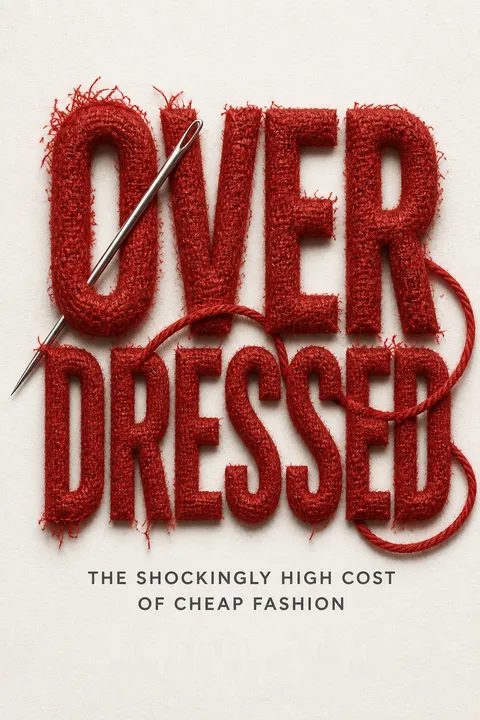
What's Overdressed: The Shockingly High Cost of Cheap Fashion about?
- Explores cheap fashion's impact: The book examines how the rise of cheap fashion has changed consumer behavior, the fashion industry, and the environment, focusing on the shift from valuing quality to prioritizing low prices and trends.
- Personal journey of the author: Elizabeth L. Cline shares her experiences with fast fashion, including her realization of its unsustainable nature, using her story to critique the broader industry.
- Critique of fast fashion: Cline discusses the consequences of fast fashion, such as environmental degradation and labor exploitation, arguing that the current model is unsustainable and harmful.
Why should I read Overdressed by Elizabeth L. Cline?
- Awareness of consumer habits: The book helps readers understand the implications of their shopping choices and the true cost of cheap clothing, encouraging reflection on consumption patterns.
- Insight into the fashion industry: Cline provides a detailed look at the fashion industry's operations, empowering consumers to make informed decisions.
- Call for change: It advocates for a shift towards sustainable fashion practices, inspiring readers to invest in quality over quantity and embrace ethical consumption.
What are the key takeaways of Overdressed?
- Impact of fast fashion: Fast fashion has led to a culture of disposability, with significant environmental and social consequences.
- Consumer responsibility: Consumers can change the industry by buying less and investing in quality clothing, combating the negative effects of fast fashion.
- Historical context: Understanding the historical perspective on clothing consumption helps appreciate the current state of the industry.
How does Overdressed define fast fashion?
- Fast fashion explained: Cline defines it as a retail model prioritizing rapid production and low prices, allowing quick access to trends.
- Impact on quality: Fast fashion often sacrifices quality for speed and affordability, leading to poorly made garments and overconsumption.
- Consumer behavior shift: It encourages frequent purchases and a mindset of disposability, with profound implications for the environment and economy.
What are the environmental impacts discussed in Overdressed?
- Resource depletion: The fast fashion industry depletes natural resources like water and oil due to high clothing production volumes.
- Waste generation: Millions of garments end up in landfills each year, contributing to pollution and environmental degradation.
- Carbon footprint: The production and transportation of cheap clothing significantly increase the fashion industry's carbon footprint, exacerbating climate change.
How does Overdressed address labor issues in the fashion industry?
- Exploitation of workers: Many fast fashion brands rely on low-wage labor in developing countries, often under poor working conditions.
- Loss of domestic jobs: The decline of the American garment industry and outsourcing have led to economic instability and wage stagnation.
- Call for ethical practices: Cline urges consumers to support brands prioritizing fair wages and safe working conditions to improve garment workers' lives.
What solutions does Overdressed propose for consumers?
- Invest in quality: Cline encourages investing in well-made, timeless pieces rather than cheap, trendy items to promote sustainability.
- Embrace secondhand shopping: Exploring thrift stores and vintage shops reduces environmental impact and supports a circular economy.
- Learn to sew and mend: Reviving sewing and mending skills fosters a deeper connection to clothing and promotes sustainability.
What is the "clothing deficit myth" mentioned in Overdressed?
- Definition of the myth: The belief that donating unwanted clothing always benefits those in need, leading to overconsumption and lack of accountability.
- Reality of donations: Many donated clothes are unsellable and end up in landfills, as charities cannot process the volume of donations.
- Consumer awareness: Cline encourages critical thinking about clothing donations and more sustainable practices like repairing or repurposing garments.
How does Overdressed suggest consumers can make a difference?
- Support sustainable brands: Seek out brands prioritizing ethical production and sustainable materials to drive change in the fashion industry.
- Reduce consumption: Value quality over quantity by investing in fewer, higher-quality pieces that last longer.
- Educate others: Spread awareness about fast fashion and textile waste issues to foster a culture of sustainability.
What role do garment workers play in the issues discussed in Overdressed?
- Exploitation in factories: Garment workers face poor conditions and low wages, with the demand for cheap fashion often compromising their rights.
- Global impact: The fashion industry's complex supply chain frequently exploits workers in developing countries, requiring greater brand accountability.
- Empowerment through fair wages: Supporting ethical brands can help improve working conditions and wages for garment workers.
How does Overdressed propose to change consumer behavior?
- Mindful consumption: Be more mindful of clothing purchases, considering their environmental and social implications.
- Community engagement: Drive change by engaging with communities and advocating for sustainable practices, like organizing clothing swaps.
- Education and awareness: Educate oneself and others about fast fashion and textile waste to create a culture of sustainability.
What are some sustainable fashion practices mentioned in Overdressed?
- Buying secondhand: Purchase secondhand clothing to reduce waste and extend garment life, supporting local charities.
- Repairing and altering: Learn basic sewing skills to repair and alter clothing, extending its lifespan.
- Supporting local designers: Support local designers and brands prioritizing ethical production and sustainable materials to foster a responsible fashion industry.
ดาวน์โหลด PDF
ดาวน์โหลด EPUB
.epub digital book format is ideal for reading ebooks on phones, tablets, and e-readers.








































