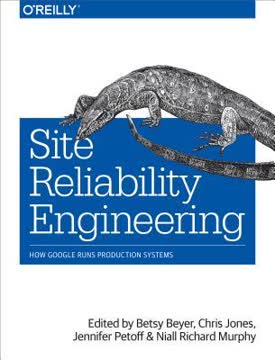
ประเด็นสำคัญ
1. SRE คือการสร้างสมดุลระหว่างความน่าเชื่อถือของระบบกับความรวดเร็วในการนวัตกรรม
SRE เกิดขึ้นเมื่อคุณขอให้นักพัฒนาซอฟต์แวร์ออกแบบทีมปฏิบัติการ
การนิยาม SRE. Site Reliability Engineering (SRE) คือแนวทางของกูเกิลในการบริหารจัดการบริการ โดยเน้นการแก้ปัญหาด้านปฏิบัติการด้วยวิศวกรรมซอฟต์แวร์ SRE คือวิศวกรซอฟต์แวร์ที่นำหลักการวิศวกรรมซอฟต์แวร์มาประยุกต์ใช้กับโครงสร้างพื้นฐานและความท้าทายด้านปฏิบัติการ เพื่อสร้างระบบซอฟต์แวร์ที่ขยายตัวได้และมีความน่าเชื่อถือสูง
การสร้างสมดุล. ปรัชญาหลักของ SRE คือการสร้างสมดุลระหว่างความน่าเชื่อถือของบริการกับความจำเป็นในการนำนวัตกรรมใหม่ ๆ มาใช้ได้อย่างรวดเร็ว สมดุลนี้เกิดขึ้นได้จากการ:
- กำหนดเป้าหมายให้ใช้เวลาครึ่งหนึ่งกับงานปฏิบัติการ และอีกครึ่งหนึ่งกับงานพัฒนา
- ใช้งบประมาณความผิดพลาด (error budgets) เพื่อกำหนดว่าเมื่อใดควรปล่อยฟีเจอร์ใหม่ และเมื่อใดควรเน้นความน่าเชื่อถือ
- อัตโนมัติงานปฏิบัติการที่ทำซ้ำ ๆ เพื่อเพิ่มเวลาสำหรับงานที่มีผลกระทบสูงกว่า
2. ยอมรับความเสี่ยงเพื่อเพิ่มประสิทธิภาพการจัดสรรทรัพยากรและประสบการณ์ผู้ใช้
เป้าหมายความน่าเชื่อถือ 100% เป็นเป้าหมายที่ผิดสำหรับแทบทุกอย่าง
ความเสี่ยงในฐานะเครื่องมือ. SRE มองความเสี่ยงเป็นเครื่องมือในการเพิ่มประสิทธิภาพการจัดสรรทรัพยากรและปรับปรุงประสบการณ์ผู้ใช้ โดยยอมรับว่าความล้มเหลวบางระดับเป็นสิ่งหลีกเลี่ยงไม่ได้ ทีมงานจึงสามารถตัดสินใจได้อย่างมีข้อมูลมากขึ้นว่าจะลงทุนความพยายามไปที่ใด
การประยุกต์ใช้จริง. แนวทางนี้สะท้อนผ่านการ:
- กำหนดเป้าหมายความน่าเชื่อถือที่สมเหตุสมผลต่ำกว่า 100%
- ใช้งบประมาณความผิดพลาดเพื่อสร้างสมดุลระหว่างความน่าเชื่อถือและการพัฒนาฟีเจอร์
- ทดลองและปล่อยฟีเจอร์อย่างค่อยเป็นค่อยไปเพื่อทดสอบความทนทานของระบบ
- ออกแบบระบบโดยคำนึงถึงความล้มเหลว เพื่อให้ระบบลดทอนผลกระทบได้อย่างนุ่มนวลเมื่อเกิดปัญหา
3. กำหนดเป้าหมายระดับบริการ (SLOs) อย่างชัดเจนเพื่อระบุเป้าหมายความน่าเชื่อถือ
SLOs คือเครื่องมือที่ช่วยกำหนดลำดับความสำคัญของงานวิศวกรรม
การนิยามความน่าเชื่อถือ. Service Level Objectives (SLOs) คือเป้าหมายที่ชัดเจนและวัดผลได้สำหรับความน่าเชื่อถือของระบบ ซึ่งช่วยกำหนดความหมายของคำว่า "น่าเชื่อถือเพียงพอ" สำหรับบริการนั้น ๆ
องค์ประกอบของ SLOs:
- Service Level Indicators (SLIs): ตัวชี้วัดที่วัดแง่มุมเฉพาะของระดับบริการ เช่น ความหน่วงของคำขอ อัตราความผิดพลาด
- Service Level Objectives (SLOs): ค่าที่ตั้งเป้าหมายสำหรับ SLIs
- Service Level Agreements (SLAs): ข้อตกลงกับลูกค้า ซึ่งมักมีบทลงโทษหากไม่เป็นไปตามข้อตกลง
ความสำคัญของ SLOs:
- ช่วยให้ความพยายามด้านวิศวกรรมสอดคล้องกับความคาดหวังของผู้ใช้
- สร้างภาษากลางสำหรับการพูดคุยเรื่องความน่าเชื่อถือระหว่างทีม
- ช่วยจัดลำดับความสำคัญของงานและตัดสินใจแลกเปลี่ยนระหว่างความน่าเชื่อถือกับฟีเจอร์ใหม่
4. ขจัดงานซ้ำซากด้วยการอัตโนมัติและวิศวกรรม
งานซ้ำซากคือประเภทงานที่เกี่ยวข้องกับการดูแลระบบที่มักเป็นงานแมนนวล ทำซ้ำได้ อัตโนมัติได้ เป็นงานเชิงยุทธศาสตร์ที่ไม่มีคุณค่าระยะยาว และเพิ่มขึ้นตามขนาดของบริการ
การระบุงานซ้ำซาก. งานซ้ำซากหมายถึงงานแมนนวลที่ทำซ้ำ ๆ และไม่สร้างคุณค่าถาวร การรู้จักและขจัดงานซ้ำซากเป็นสิ่งสำคัญเพื่อเพิ่มประสิทธิภาพและความพึงพอใจในการทำงาน
กลยุทธ์การขจัดงานซ้ำซาก:
- อัตโนมัติงานและกระบวนการที่ทำซ้ำ
- ออกแบบระบบให้สามารถฟื้นฟูตัวเองและลดการแทรกแซงด้วยมือ
- ติดตั้งระบบตรวจสอบและแจ้งเตือนเพื่อจัดการปัญหาเชิงรุก
- ปรับปรุงและพัฒนาระบบอย่างต่อเนื่องเพื่อลดภาระงานปฏิบัติการ
ประโยชน์ของการลดงานซ้ำซาก:
- เพิ่มเวลาสำหรับงานเชิงกลยุทธ์ที่มีผลกระทบสูง
- ปรับขนาดการปฏิบัติการได้ดีขึ้น
- เพิ่มความพึงพอใจในการทำงานและลดความเหนื่อยล้าของทีม
5. ติดตั้งระบบตรวจสอบและแจ้งเตือนที่มีประสิทธิภาพ
การตรวจสอบไม่ควรต้องพึ่งพามนุษย์ในการตีความส่วนใดส่วนหนึ่งของระบบแจ้งเตือน
การออกแบบระบบตรวจสอบ. การตรวจสอบที่มีประสิทธิภาพเป็นสิ่งจำเป็นสำหรับการรักษาความน่าเชื่อถือของระบบ SRE เน้นความสำคัญของการตรวจสอบและแจ้งเตือนที่มีความหมายและปฏิบัติได้จริง
หลักการสำคัญของการตรวจสอบใน SRE:
- มุ่งเน้นที่อาการ ไม่ใช่สาเหตุ
- ใช้สัญญาณทองคำ 4 ประการ ได้แก่ ความหน่วง, ปริมาณการใช้งาน, ความผิดพลาด และความอิ่มตัว
- ใช้การตรวจสอบแบบกล่องดำและกล่องขาว
- ออกแบบการแจ้งเตือนที่สามารถปฏิบัติได้และต้องการการแทรกแซงของมนุษย์
ข้อควรพิจารณาในการออกแบบแจ้งเตือน:
- ลดความเหนื่อยล้าจากการแจ้งเตือนด้วยการลดเสียงรบกวนและการแจ้งเตือนผิดพลาด
- ให้ข้อมูลแจ้งเตือนที่ชัดเจนและปฏิบัติได้
- ใช้ระบบแจ้งเตือนแบบหลายระดับเพื่อแยกแยะระหว่างปัญหาสำคัญและไม่สำคัญ
6. ฝึกฝนการวิเคราะห์เหตุการณ์โดยไม่โทษใครเพื่อเรียนรู้จากความล้มเหลว
เป้าหมายหลักของการเขียนรายงานหลังเหตุการณ์คือการบันทึกเหตุการณ์ให้ครบถ้วน เข้าใจสาเหตุรากฐานทั้งหมด และที่สำคัญคือวางมาตรการป้องกันที่มีประสิทธิภาพเพื่อลดโอกาสและผลกระทบของการเกิดซ้ำ
ส่งเสริมวัฒนธรรมการเรียนรู้. การวิเคราะห์เหตุการณ์โดยไม่โทษใครเป็นเครื่องมือสำคัญในการเรียนรู้จากเหตุการณ์และพัฒนาความน่าเชื่อถือของระบบ โดยเน้นการค้นหาปัญหาระบบมากกว่าการตำหนิบุคคล
องค์ประกอบสำคัญของรายงานหลังเหตุการณ์ที่มีประสิทธิภาพ:
- ลำดับเหตุการณ์อย่างละเอียด
- การวิเคราะห์สาเหตุรากฐาน
- การประเมินผลกระทบ
- รายการมาตรการป้องกันเพื่อไม่ให้เกิดเหตุการณ์ซ้ำ
ประโยชน์ของการวิเคราะห์เหตุการณ์โดยไม่โทษใคร:
- ส่งเสริมการสื่อสารอย่างเปิดเผยและซื่อสัตย์เกี่ยวกับความล้มเหลว
- ค้นหาปัญหาระบบและโอกาสในการปรับปรุง
- สร้างความยืดหยุ่นและการแบ่งปันความรู้ในองค์กร
7. ออกแบบระบบให้ขยายตัวได้และมีความทนทานในระบบกระจาย
ระบบกระจายคือระบบที่ความล้มเหลวของคอมพิวเตอร์ที่คุณไม่รู้จักอาจทำให้คอมพิวเตอร์ของคุณเองใช้งานไม่ได้
ความท้าทายของระบบกระจาย. ระบบขนาดใหญ่เผชิญกับความท้าทายเฉพาะด้านการขยายตัว ความน่าเชื่อถือ และความซับซ้อน หลักการ SRE ช่วยแก้ไขปัญหาเหล่านี้ด้วยการออกแบบระบบอย่างรอบคอบ
หลักการออกแบบสำคัญ:
- ออกแบบโดยคาดการณ์ความล้มเหลว: สมมติว่าส่วนประกอบจะล้มเหลวและวางแผนรับมือ
- ใช้ความซ้ำซ้อนและการกระจายโหลดเพื่อเพิ่มความทนทาน
- ออกแบบให้ระบบลดทอนผลกระทบอย่างนุ่มนวลเมื่อเกิดความล้มเหลว
- ออกแบบระบบให้ฟื้นฟูตัวเองและลดการแทรกแซงด้วยมือ
ข้อควรพิจารณาเรื่องการขยายตัว:
- ใช้การขยายตัวในแนวนอนเพื่อรองรับโหลดที่เพิ่มขึ้น
- ใช้กลไกจัดเก็บและดึงข้อมูลที่มีประสิทธิภาพ
- ออกแบบระบบให้ส่วนประกอบเชื่อมโยงกันอย่างหลวม ๆ เพื่อให้สามารถขยายตัวแยกกันได้
8. สร้างสมดุลโหลดอย่างมีประสิทธิภาพในทรัพยากรศูนย์ข้อมูล
การกระจายโหลดในระดับใหญ่ต้องหลีกเลี่ยงวิธีง่าย ๆ เช่น การหมุนเวียนแบบรอบหรือการเลือกเซิร์ฟเวอร์ที่มีโหลดน้อยที่สุด
กลยุทธ์การกระจายโหลด. การกระจายโหลดที่มีประสิทธิภาพเป็นสิ่งจำเป็นสำหรับการรักษาประสิทธิภาพและความน่าเชื่อถือของระบบ โดยเฉพาะในระบบกระจายขนาดใหญ่
เทคนิคการกระจายโหลดที่สำคัญ:
- Weighted round-robin: กระจายโหลดตามความสามารถของเซิร์ฟเวอร์
- Least connections: ส่งคำขอไปยังเซิร์ฟเวอร์ที่มีการเชื่อมต่อน้อยที่สุด
- Consistent hashing: ลดการเปลี่ยนแปลงของการกระจายโหลดเมื่อเพิ่มหรือลดเซิร์ฟเวอร์
- Geographic load balancing: นำทางทราฟฟิกไปยังศูนย์ข้อมูลที่ใกล้เคียงเพื่อลดความหน่วง
ข้อควรพิจารณาในการกระจายโหลด:
- ตรวจสอบสุขภาพเซิร์ฟเวอร์เพื่อหลีกเลี่ยงการส่งทราฟฟิกไปยังเซิร์ฟเวอร์ที่ไม่พร้อมใช้งาน
- จัดการการเชื่อมต่อที่ต้องคงสถานะสำหรับแอปพลิเคชันที่ต้องการ
- ปรับตัวตามรูปแบบทราฟฟิกและความสามารถของเซิร์ฟเวอร์ที่เปลี่ยนแปลง
9. เตรียมพร้อมและลดผลกระทบจากความล้มเหลวแบบลุกลาม
ความล้มเหลวแบบลุกลามคือความล้มเหลวที่ขยายตัวขึ้นตามเวลาผ่านการตอบรับเชิงบวก
ความเข้าใจเกี่ยวกับความล้มเหลวแบบลุกลาม. ความล้มเหลวแบบลุกลามเกิดขึ้นเมื่อความล้มเหลวในส่วนหนึ่งของระบบทำให้เกิดความล้มเหลวในส่วนอื่น ๆ จนเกิดการล่มของระบบอย่างกว้างขวาง
กลยุทธ์ป้องกันและลดผลกระทบ:
- ใช้ตัวตัดวงจร (circuit breakers) เพื่อแยกส่วนประกอบที่ล้มเหลวออก
- ใช้การจำกัดอัตราและการลดโหลดเพื่อป้องกันการโอเวอร์โหลด
- ออกแบบระบบให้เชื่อมโยงกันอย่างหลวมและมีขอบเขตความล้มเหลวที่ชัดเจน
- ฝึกซ้อมแผนฟื้นฟูภัยพิบัติและทดลองวิศวกรรมความโกลาหลอย่างสม่ำเสมอ
หลักการสำคัญเพื่อความทนทาน:
- ล้มเหลวอย่างรวดเร็วและแยกตัว
- ออกแบบให้บริการลดทอนผลกระทบอย่างนุ่มนวล
- รักษาการมองเห็นที่ชัดเจนในสุขภาพและความสัมพันธ์ของระบบ
- วางแผนรับมือสิ่งที่ไม่คาดคิดและออกแบบระบบให้ปรับตัวได้กับสถานการณ์ที่ไม่คาดฝัน
สรุปรีวิว
Site Reliability Engineering ได้รับเสียงวิจารณ์ที่หลากหลาย บางส่วนชื่นชมในความรู้ลึกซึ้งเกี่ยวกับแนวปฏิบัติของกูเกิล ขณะที่บางส่วนก็วิจารณ์ถึงคุณภาพที่ไม่สม่ำเสมอและความซ้ำซากของเนื้อหา ผู้อ่านให้ความสนใจกับการอธิบายหลักการ SRE งบประมาณความผิดพลาด และแนวทางปฏิบัติในการดำเนินงาน อย่างไรก็ตาม บางคนมองว่าหนังสือเน้นไปที่กูเกิลมากเกินไป ทำให้ยากต่อการนำไปใช้กับองค์กรขนาดเล็ก โครงสร้างของหนังสือที่เป็นการรวบรวมบทความทำให้เกิดความไม่สม่ำเสมอ บางบทมีเนื้อหาที่ให้ความรู้ลึกซึ้ง ขณะที่บางบทกลับไม่น่าสนใจเท่าที่ควร แม้จะมีข้อจำกัดเหล่านี้ หลายคนยังคงมองว่าเป็นหนังสือที่จำเป็นสำหรับผู้ที่สนใจเรื่องความน่าเชื่อถือของระบบขนาดใหญ่และแนวทาง DevOps
คนอื่นยังอ่าน









คำถามที่พบบ่อย
What's Site Reliability Engineering: How Google Runs Production Systems about?
- Focus on Reliability: The book explores how Google applies Site Reliability Engineering (SRE) principles to ensure that its services are reliable, scalable, and efficient.
- Role of SREs: It describes the role of SREs as engineers who manage large-scale systems, focusing on automating operations to reduce manual toil.
- Cultural Shift: The book documents Google's transformation in operations by integrating software engineering into service management, influencing the broader IT community.
Why should I read Site Reliability Engineering: How Google Runs Production Systems?
- Valuable Insights: The book offers firsthand accounts and lessons from Google’s SRE teams, providing practical advice for improving system reliability.
- Comprehensive Framework: It outlines a framework for implementing SRE practices, making it a valuable resource for both new and experienced engineers.
- Cultural and Technical Guidance: The book covers both technical aspects and the cultural changes necessary for successful SRE implementation, relevant for leaders and managers.
What are the key takeaways of Site Reliability Engineering: How Google Runs Production Systems?
- Error Budgets: The concept of error budgets helps balance reliability with rapid feature development, managing risk while encouraging innovation.
- Eliminating Toil: Reducing manual, repetitive work allows SREs to focus on engineering projects that add long-term value, maintaining a sustainable work environment.
- Monitoring and Incident Management: Effective monitoring and incident response strategies are essential for maintaining service reliability, with detailed guidance provided.
What are the best quotes from Site Reliability Engineering: How Google Runs Production Systems and what do they mean?
- "Hope is not a strategy.": Emphasizes the need for concrete plans and processes in managing systems, rather than relying on optimism.
- "If a human operator needs to touch your system during normal operations, you have a bug.": Highlights the goal of automation, aiming to minimize human intervention in routine tasks.
- "The price of reliability is the pursuit of the utmost simplicity.": Advocates for minimizing complexity in design and implementation to enhance stability.
What is the role of SREs as described in Site Reliability Engineering: How Google Runs Production Systems?
- Engineering Focus: SREs are software engineers who apply their skills to operations, ensuring services are reliable and efficient.
- Collaboration with Development Teams: They work closely with product development teams to ensure new features are released without compromising reliability.
- On-Call Responsibilities: SREs participate in on-call rotations to respond to incidents, maintaining a connection to the systems they manage.
How does Site Reliability Engineering: How Google Runs Production Systems define reliability?
- Reliability Definition: Reliability is defined as the probability that a system will perform a required function without failure under stated conditions for a stated period.
- Service Level Objectives (SLOs): SREs use SLOs to quantify reliability targets, guiding decision-making and prioritization in service management.
- Balancing Reliability and Innovation: The book discusses balancing reliability with rapid innovation, using error budgets to manage this trade-off.
What is the significance of error budgets in Site Reliability Engineering: How Google Runs Production Systems?
- Error Budget Concept: An error budget is the allowable threshold of unreliability for a service, calculated as one minus the service level objective (SLO).
- Encouraging Innovation: By allowing teams to "spend" their error budget on new features, SRE promotes a culture of experimentation and innovation.
- Managing Risk: Error budgets help teams make informed decisions about when to prioritize reliability improvements versus feature development.
What practices are recommended for monitoring in Site Reliability Engineering: How Google Runs Production Systems?
- Four Golden Signals: The book identifies latency, traffic, errors, and saturation as key metrics to monitor for user-facing services.
- Alerting Strategies: Effective alerting should focus on actionable alerts that indicate real problems affecting users, minimizing noise to prevent alert fatigue.
- Continuous Improvement: Monitoring systems should evolve over time, incorporating feedback and lessons learned from incidents.
How does Site Reliability Engineering: How Google Runs Production Systems address incident management?
- Structured Incident Response: The book outlines a structured approach to incident management, emphasizing clear procedures and communication during incidents.
- Postmortem Culture: SRE promotes a blameless postmortem culture, encouraging teams to learn from incidents without assigning blame.
- Role of On-Call Engineers: On-call engineers play a critical role in incident management, responding to alerts and coordinating responses.
What is the relationship between SRE and DevOps as discussed in Site Reliability Engineering: How Google Runs Production Systems?
- SRE as Implementation of DevOps: SRE can be viewed as a specific implementation of DevOps principles, focusing on reliability as a primary goal.
- Shared Goals: Both SRE and DevOps seek to enhance the speed and quality of software delivery while maintaining system reliability.
- Cultural Differences: While SRE and DevOps share many principles, they may differ in cultural approaches and specific practices.
What is the Incident Command System mentioned in Site Reliability Engineering: How Google Runs Production Systems?
- Structured Response: The Incident Command System (ICS) is a standardized approach to incident management, providing a clear structure for roles and responsibilities.
- Scalability: ICS is designed to be scalable, allowing organizations to adapt their response based on the size and complexity of the incident.
- Effective Communication: It facilitates better communication among team members, ensuring everyone knows their role and can work together efficiently.
How does Google handle postmortems according to Site Reliability Engineering: How Google Runs Production Systems?
- Blameless Approach: Google emphasizes a blameless postmortem culture, focusing on understanding what went wrong and how to prevent it in the future.
- Action Items: Postmortems include actionable items to address the root causes of incidents, ensuring lessons learned are implemented.
- Documentation: Postmortems are documented and shared across teams, allowing others to learn from past incidents and avoid similar mistakes.