اہم نکات
1۔ روایتی معاشیات عقلی رویے کا مفروضہ لگاتی ہے، مگر انسان اکثر غیر عقلی طور پر عمل کرتے ہیں
"معاشیات دیگر سماجی علوم سے اس اعتبار سے ممتاز ہے کہ اس کا ماننا ہے کہ زیادہ تر (یا تمام؟) رویے کو اس مفروضے سے سمجھایا جا سکتا ہے کہ افراد کے مستحکم، واضح ترجیحات ہوتی ہیں اور وہ ان ترجیحات کے مطابق عقلی فیصلے کرتے ہیں، ایسے بازاروں میں جو بالآخر متوازن ہو جاتے ہیں۔"
معاشی ماہرین بمقابلہ انسان: روایتی معاشی نظریہ یہ فرض کرتا ہے کہ لوگ عقلی ایجنٹس کی طرح عمل کرتے ہیں، جو مکمل معلومات اور مستحکم ترجیحات کی بنیاد پر اپنے فیصلے بہتر بناتے ہیں۔ لیکن حقیقی انسان اکثر ایسے فیصلے کرتے ہیں جو درج ذیل عوامل سے متاثر ہوتے ہیں:
- ذہنی تعصبات
- جذباتی عوامل
- سماجی اثرات
- محدود معلوماتی صلاحیتیں
متوقع غیر عقلیت: رویے کی معاشیات ان نظامی انحرافات کا مطالعہ کرتی ہے جو عقلیت سے ہٹ کر ہوتے ہیں، اور ظاہر کرتی ہے کہ انسانی رویہ اکثر متوقع طور پر غیر عقلی ہوتا ہے۔ یہ روایتی معاشی ماڈلز کے بنیادی مفروضات کو چیلنج کرتا ہے اور اس کے اثرات درج ذیل شعبوں میں ہوتے ہیں:
- بازار کا رویہ
- عوامی پالیسی
- انفرادی فیصلہ سازی
2۔ ذہنی حساب کتاب پیسے کے ادراک اور استعمال کو متاثر کرتا ہے
"سیاسی معیشت اور عمومی طور پر ہر سماجی علم کی بنیاد بلاشبہ نفسیات ہے۔"
پیسے کی غیر متبادل نوعیت: ذہنی حساب کتاب سے مراد وہ رجحان ہے جس میں لوگ پیسے کو اس کے ماخذ، متوقع استعمال، یا اس کے رکھنے کے طریقے کی بنیاد پر مختلف طریقے سے سمجھتے اور استعمال کرتے ہیں۔ اس کے نتیجے میں:
- اچانک ملنے والی رقم (جیسے بونس، ٹیکس کی واپسی) کو معمول کی آمدنی سے مختلف سمجھنا
- خرچ کرنے کے انداز میں فرق آنا، جیسے "چھٹیوں کے لیے مخصوص رقم" بمقابلہ عمومی بچت
- موقع کے لحاظ سے ادائیگی کی رضامندی میں فرق، مثلاً ریزورٹ میں بیئر کی قیمت زیادہ دینا بمقابلہ قریبی دکان میں
نتائج: ذہنی حساب کتاب کو سمجھنا درج ذیل کو واضح کر سکتا ہے:
- صارفین کا رویہ
- بچت اور خرچ کرنے کے انداز
- مالی مصنوعات اور پالیسیوں کی تاثیر
3۔ خود پر قابو پانے کے مسائل فیصلہ سازی کو متاثر کرتے ہیں اور عہد بندی کے ذریعے حل کیے جا سکتے ہیں
"ہم یہ دیکھنا چاہتے تھے کہ بغیر کسی کو حکم دیے مدد کی پالیسی کہاں تک لے جائی جا سکتی ہے۔"
موجودہ ترجیح: انسان اکثر فوری تسکین کو طویل مدتی فوائد پر ترجیح دیتے ہیں، جس کی وجہ سے:
- کام کو ملتوی کرنا
- ریٹائرمنٹ کے لیے ناکافی بچت
- غیر صحت مند طرز زندگی کے انتخاب
عہد بندی کے آلات: خود پر قابو پانے کے مسائل سے نمٹنے کے لیے لوگ عہد بندی کے آلات استعمال کر سکتے ہیں، جیسے:
- "کل زیادہ بچت کریں" پروگرام: مستقبل کی تنخواہ میں اضافے کے ساتھ خودکار طور پر ریٹائرمنٹ کی بچت بڑھانا
- ایسی ویب سائٹس جو کام کے دوران توجہ بھٹکانے والی سائٹس کو بلاک کر دیتی ہیں
- عوامی ہدف مقرر کرنا اور جوابدہی کے نظام
4۔ رویے کی معاشیات مالیات میں موثر بازار کے نظریے کو چیلنج کرتی ہے
"ایسا نہ کرنا سنگین بدتمیزی کے مترادف ہے۔"
بازار کی غیر موثریت: رویے کی مالیات موثر بازار کے نظریے کو چیلنج کرتی ہے اور دکھاتی ہے کہ:
- سرمایہ کار ذہنی تعصبات اور جذبات کے تابع ہوتے ہیں
- بازار کی قیمتیں بنیادی قدروں سے نمایاں طور پر مختلف ہو سکتی ہیں
- آربٹریج کے مواقع محدودیت کی وجہ سے برقرار رہ سکتے ہیں
رویے کی مالیات کی مثالیں:
- خبروں اور رجحانات پر ضرورت سے زیادہ ردعمل
- تدریجی تبدیلیوں پر کم ردعمل
- نقصان سے بچاؤ کا سرمایہ کاری کے فیصلوں پر اثر
- بازار کے بلبلوں اور گراوٹوں میں ہجوم کی حرکت کا کردار
5۔ انتخابی ڈھانچہ لوگوں کو بہتر فیصلے کرنے کی طرف مائل کر سکتا ہے بغیر آزادی کو محدود کیے
"نِج ایک چھوٹا سا عنصر ہے جو ہمارے دھیان کو اپنی طرف کھینچتا ہے اور رویے کو متاثر کرتا ہے۔"
آزادانہ سرپرستی: انتخابی ڈھانچہ اس سیاق و سباق کو ڈیزائن کرنے کا عمل ہے جس میں لوگ فیصلے کرتے ہیں تاکہ بہتر انتخاب کی ترغیب دی جا سکے بغیر آزادی کو محدود کیے۔ اصولوں میں شامل ہیں:
- مطلوبہ انتخاب کو ڈیفالٹ آپشن بنانا
- پیچیدہ انتخاب کو آسان بنانا
- بروقت فیڈبیک فراہم کرنا
- مثبت رویے کی حوصلہ افزائی کے لیے سماجی اصولوں کا استعمال
موثر نِجز کی مثالیں:
- ریٹائرمنٹ کی بچت کے منصوبوں میں خودکار اندراج
- کیفے ٹیریا میں صحت مند کھانے کے اختیارات کو آنکھ کی سطح پر رکھنا
- اعضاء کے عطیہ کے لیے آپٹ آؤٹ نظام کا استعمال
6۔ رویے کی بصیرتیں عوامی پالیسی اور حکومتی کارکردگی کو بہتر بنا سکتی ہیں
"اگر آپ کسی کو کچھ کرنے کی ترغیب دینا چاہتے ہیں تو اسے آسان بنائیں۔"
ثبوت پر مبنی پالیسی: رویے کی بصیرتوں کو عوامی پالیسی میں لاگو کرنے سے زیادہ مؤثر اور کارگر حکومتی مداخلتیں ممکن ہوتی ہیں۔ کلیدی اصول:
- عمل کو آسان بنانا اور مطلوبہ اقدامات میں رکاوٹیں دور کرنا
- مواصلات میں واضح اور مختصر زبان کا استعمال
- سماجی اصولوں اور ہم مرتبہ موازنہ کا فائدہ اٹھانا
- بروقت یاد دہانی اور فیڈبیک فراہم کرنا
حقیقی دنیا کی مثالیں:
- رویے کی بنیاد پر خطوط کے ذریعے ٹیکس کی تعمیل میں اضافہ
- آسان درخواستوں کے ذریعے حکومتی پروگراموں کی رسائی میں بہتری
- سماجی موازنہ رپورٹس کے ذریعے توانائی کی کھپت میں کمی
7۔ تصادفی کنٹرول شدہ تجربات ثبوت پر مبنی پالیسی سازی کے لیے ناگزیر ہیں
"ہم ثبوت کے بغیر ثبوت پر مبنی پالیسی نہیں بنا سکتے۔"
سائنسی طریقہ: تصادفی کنٹرول شدہ تجربات (RCTs) رویے کی مداخلتوں کی تاثیر کا جائزہ لینے کے لیے سنہری معیار ہیں۔ فوائد میں شامل ہیں:
- مخصوص مداخلتوں کے اسبابی اثرات کو الگ کرنا
- متعدد طریقوں کا بیک وقت موازنہ کرنا
- پالیسی کے فیصلوں کی حمایت کے لیے مضبوط ثبوت فراہم کرنا
چیلنجز اور غور و فکر:
- تصادفی تقسیم میں اخلاقی پہلو
- تجربات سے بڑے پیمانے پر نفاذ تک مداخلتوں کی توسیع
- عملی حدود کے ساتھ سختی کا توازن
کامیاب RCTs کی مثالیں:
- ٹیکس تعمیل کے خطوط میں مختلف پیغام رسانی کے انداز کا تجربہ
- بچت کے پروگراموں میں خودکار اندراج کے اثرات کا جائزہ
- عوامی صحت کی مہمات میں مختلف نِجز کی تاثیر کا اندازہ
جائزوں کا خلاصہ
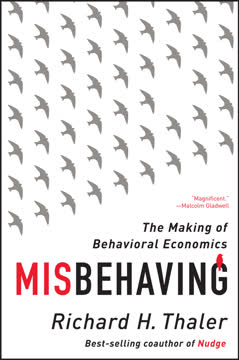
مس بی ہیونگ ایک دلچسپ تاریخ پیش کرتی ہے جو رویے کی معیشت کے میدان کی ہے، جس میں تھالر کے ذاتی سفر کو اس شعبے کے اہم تصورات کے ساتھ خوبصورتی سے ملایا گیا ہے۔ اگرچہ بعض قارئین نے اسے بصیرت افروز اور مزاحیہ پایا، مگر کچھ نے محسوس کیا کہ کتاب زیادہ تر تھالر کے کیریئر پر مرکوز ہے۔ یہ کتاب اس بات کا جائزہ لیتی ہے کہ انسان کس طرح معقول معاشی رویے سے ہٹ کر عمل کرتے ہیں، اور روایتی مفروضات کو چیلنج کرتی ہے۔ متعدد نقادوں نے تھالر کی کہانی سنانے کی مہارت اور پیچیدہ خیالات کی آسان وضاحتوں کو سراہا، تاہم کچھ نے رویے کی معیشت کے تصورات پر مزید گہرائی کی خواہش ظاہر کی۔ مجموعی طور پر، یہ کتاب ان افراد کے لیے تجویز کی جاتی ہے جو نفسیات اور معیشت کے امتزاج میں دلچسپی رکھتے ہیں۔
لوگوں نے یہ بھی پڑھا
 عمیق
عمیق
 عمیق
عمیق
عمومی سوالات
What's Misbehaving: The Making of Behavioral Economics about?
- Exploration of Behavioral Economics: The book chronicles Richard H. Thaler's journey in developing behavioral economics, integrating psychological insights into economic theory. It challenges the traditional economic model of rational decision-making.
- Personal Anecdotes and Research: Thaler shares personal stories and research findings that illustrate the discrepancies between economic theory and actual human behavior, making complex concepts relatable.
- Impact on Policy and Business: The book discusses how behavioral economics can inform public policy and business practices, leading to better decision-making and improved outcomes for individuals and society.
Why should I read Misbehaving?
- Engaging Narrative: Thaler's writing is accessible and filled with humor, making complex ideas enjoyable to read. His storytelling approach helps demystify behavioral economics for a general audience.
- Real-World Applications: The book provides practical insights into how understanding human behavior can improve decision-making in various fields, including finance, marketing, and public policy.
- Foundational Knowledge: As a seminal work in behavioral economics, it offers foundational knowledge for anyone interested in economics, psychology, or social sciences.
What are the key takeaways of Misbehaving?
- Humans vs. Econs: Thaler distinguishes between "Humans," who exhibit irrational behaviors, and "Econs," the rational agents of traditional economic theory, highlighting the limitations of conventional models.
- Sunk Cost Fallacy: The book discusses the sunk cost fallacy, where individuals continue investing in a losing proposition due to prior investments, illustrating irrational decision-making.
- Mental Accounting: Thaler introduces mental accounting, where individuals categorize and treat money differently based on its source or intended use, leading to irrational financial decisions.
What is the endowment effect as described in Misbehaving?
- Definition of Endowment Effect: The endowment effect refers to the phenomenon where people assign greater value to items they own compared to identical items they do not own.
- Illustrative Examples: Thaler provides examples, such as individuals unwilling to sell a bottle of wine they own for its market value, despite being willing to buy it at that price.
- Implications for Economics: The endowment effect challenges the notion of rational choice in economics, suggesting that ownership can distort perceived value.
How does Misbehaving explain mental accounting?
- Concept of Mental Accounting: Mental accounting is the process by which individuals categorize and evaluate financial outcomes based on subjective criteria rather than objective value.
- Practical Examples: The book includes examples of how people treat money differently based on its source, such as spending lottery winnings more freely than regular income.
- Impact on Consumer Behavior: Understanding mental accounting can help businesses and policymakers design better financial products and incentives.
What is the significance of the planner and doer model in Misbehaving?
- Two Selves Concept: Thaler introduces the planner-doer model, where the "planner" represents long-term goals and rational decision-making, while the "doer" embodies immediate desires and impulses.
- Self-Control Strategies: The planner can implement strategies to limit the doer's choices, such as setting rules or commitments to avoid temptation.
- Real-Life Applications: The model provides insights into how individuals can better manage their behavior and make decisions that align with their long-term interests.
How does Misbehaving address the concept of fairness in economic transactions?
- Perceptions of Fairness: Thaler explores how individuals judge the fairness of transactions based on expectations and social norms, rather than purely economic principles.
- Examples of Fairness Violations: The book includes examples, such as price gouging during emergencies, where consumers feel exploited and react negatively.
- Implications for Business Practices: Understanding fairness can help businesses design pricing strategies that align with consumer expectations.
What role does self-control play in the themes of Misbehaving?
- Self-Control Problems: Thaler discusses how self-control issues affect decision-making, leading individuals to make choices that contradict their long-term goals.
- Strategies for Improvement: The book suggests various strategies for enhancing self-control, such as commitment devices and mental accounting techniques.
- Real-World Applications: Thaler's insights into self-control can inform policies and programs aimed at improving financial literacy and encouraging better decision-making.
How does Misbehaving influence modern economic thought?
- Integration of Psychology and Economics: Thaler's work has paved the way for the field of behavioral economics, combining insights from psychology with traditional economic theory.
- Impact on Policy and Business: The principles outlined in the book have influenced public policy and business practices, encouraging a focus on actual behavior rather than theoretical models.
- Legacy of Behavioral Economics: Misbehaving serves as a foundational text for understanding behavioral economics, inspiring future research and applications.
What is the Ultimatum Game, and what does it demonstrate in Misbehaving?
- Game Structure: The Ultimatum Game involves two players: a Proposer who offers a portion of a sum of money to a Responder, who can either accept or reject the offer.
- Findings on Fairness: Thaler's experiments showed that offers below 20% of the total sum are often rejected, indicating that fairness plays a significant role in economic decisions.
- Implications for Economics: The results suggest that economic models need to account for human emotions and social norms.
What is the concept of "nudging" in Misbehaving?
- Definition of Nudging: Nudging refers to designing choices in a way that influences people's behavior without restricting their options.
- Practical Applications: Thaler discusses various applications of nudging, such as in retirement savings plans and health-related choices.
- Policy Implications: The concept of nudging has significant implications for public policy, suggesting that governments can improve societal outcomes by considering human psychology.
What are the best quotes from Misbehaving and what do they mean?
- "We do not live in a world of Econs. We live in a world of Humans.": This quote emphasizes the distinction between the rational agents of traditional economic theory and the real, often irrational behaviors exhibited by people.
- "It is time to stop making excuses.": Thaler calls for a shift in economic research to acknowledge the complexities of human behavior rather than relying solely on traditional models.
- "The book is not the sort you might expect an economics professor to write.": This quote reflects Thaler's intention to make behavioral economics accessible and engaging through storytelling and personal anecdotes.