
Những điểm chính
1. Thừa nhận: Sức mạnh của việc công nhận trải nghiệm của người khác
Khi ta thừa nhận người khác, ta chấp nhận họ đúng với con người thật của họ. Còn cách nào tốt hơn để trở thành một người bạn, người bạn đời hay người cha mẹ tuyệt vời?
Thừa nhận chính là chấp nhận. Đó là hành động công nhận và chấp nhận những suy nghĩ, cảm xúc và trải nghiệm của người khác là có thật, dù ta có đồng ý hay không. Kỹ năng giao tiếp đầy quyền năng này có thể biến đổi các mối quan hệ bằng cách tạo ra sự thấu hiểu và kết nối sâu sắc.
Lợi ích của việc thừa nhận:
- Củng cố các mối quan hệ
- Xây dựng niềm tin và sự thân mật
- Cải thiện giao tiếp
- Tăng cường khả năng điều chỉnh cảm xúc
- Nâng cao lòng tự trọng và sự tự tin
Thừa nhận không có nghĩa là đồng tình hay tán thành hành động hay niềm tin của ai đó. Nó chỉ đơn giản truyền tải rằng trải nghiệm của họ là có thật và dễ hiểu. Khi thực hành thừa nhận, ta tạo ra một không gian an toàn để người khác có thể bộc lộ bản thân một cách chân thật, từ đó nuôi dưỡng sự kết nối sâu sắc và sự thấu hiểu lẫn nhau.
2. Sáu cấp độ của thừa nhận: Khung tham chiếu để hiểu và thực hành
Thừa nhận giống như nền tảng cho bản sắc, cho sự an lành và khả năng kết nối ý nghĩa cũng như giao tiếp với người khác.
Khung tham chiếu của Marsha Linehan cung cấp một cách tiếp cận có cấu trúc để thừa nhận, tiến dần từ việc công nhận cơ bản đến sự thấu hiểu sâu sắc và chấp nhận trọn vẹn.
Sáu cấp độ thừa nhận:
- Hiện diện: Dành trọn sự chú ý
- Phản ánh chính xác: Tóm tắt những gì bạn đã nghe
- Đọc suy nghĩ: Diễn đạt những cảm xúc chưa được nói ra
- Hiểu hành vi của người đó dựa trên lịch sử và trải nghiệm của họ
- Bình thường hóa hoặc công nhận phản ứng cảm xúc là điều dễ hiểu
- Thật lòng triệt để: Đối xử với người đó như một người ngang hàng và thể hiện sự quan tâm chân thành
Khi đi qua các cấp độ này, ta có thể mang đến sự thừa nhận ngày càng ý nghĩa hơn cho người khác. Khung này giúp ta hiểu sâu sắc về thừa nhận và cung cấp lộ trình để nâng cao khả năng kết nối và hỗ trợ người khác.
3. Đồng cảm và thừa nhận: Hai kỹ năng bổ trợ cho sự kết nối sâu sắc hơn
Đồng cảm thường khiến người ta cảm thấy được thừa nhận, nhưng không phải lúc nào cũng vậy.
Khác biệt nhưng bổ sung. Đồng cảm là hiểu và chia sẻ cảm xúc của người khác, trong khi thừa nhận là công nhận tính hợp lệ của những cảm xúc đó. Cả hai kỹ năng đều quan trọng để xây dựng mối quan hệ bền chặt và giao tiếp hiệu quả.
Điểm khác biệt chính:
- Đồng cảm: Cảm nhận cùng ai đó
- Thừa nhận: Công nhận trải nghiệm của ai đó là hợp lý
Đồng cảm và thừa nhận phối hợp tạo nên một kết nối cảm xúc mạnh mẽ. Đồng cảm giúp ta hiểu quan điểm của người khác, còn thừa nhận truyền tải sự thấu hiểu và chấp nhận đó. Khi kết hợp hai kỹ năng này, ta có thể mang đến sự hỗ trợ toàn diện hơn và nuôi dưỡng những mối quan hệ sâu sắc, ý nghĩa hơn.
4. Vượt qua sự phủ nhận: Nhận diện và xử lý những hành vi bác bỏ
Sự phủ nhận có thể tạo ra xung đột trong các mối quan hệ và làm suy yếu niềm tin, sự thân mật cũng như giao tiếp.
Nhận diện và xử lý sự phủ nhận. Sự phủ nhận xảy ra khi ta bác bỏ hoặc xem nhẹ suy nghĩ, cảm xúc hay trải nghiệm của người khác. Nó có thể tinh vi hoặc rõ ràng, cố ý hay vô tình, nhưng luôn gây ảnh hưởng tiêu cực đến các mối quan hệ và sức khỏe tinh thần.
Những hình thức phổ biến của sự phủ nhận:
- Hạ thấp: "Chuyện đó không có gì to tát."
- Bác bỏ: "Mày sẽ quên thôi."
- Phán xét: "Mày nhạy cảm quá."
- Phủ nhận: "Chuyện đó chưa từng xảy ra."
- Đổ lỗi: "Chính mày gây ra chuyện này."
Để vượt qua sự phủ nhận, trước hết ta phải nhận ra nó trong bản thân và người khác. Sau đó, ta có thể thực hành các kỹ thuật thừa nhận, thiết lập ranh giới lành mạnh và giao tiếp nhu cầu một cách hiệu quả. Bằng cách xử lý sự phủ nhận, ta tạo ra không gian cho những mối quan hệ chân thật và hỗ trợ hơn.
5. Tự thừa nhận: Nuôi dưỡng sức mạnh và sự kiên cường bên trong
Tự thừa nhận là một hành động đầy lòng trắc ẩn dành cho chính mình.
Nuôi dưỡng sự chấp nhận bản thân. Tự thừa nhận là công nhận và chấp nhận những suy nghĩ, cảm xúc và trải nghiệm của chính mình mà không phán xét. Thói quen này xây dựng sự kiên cường cảm xúc, lòng tự trọng và cảm giác bản thân vững chắc hơn.
Các kỹ thuật tự thừa nhận:
- Nói chuyện tích cực với bản thân
- Viết nhật ký
- Thực hành chánh niệm
- Khẳng định bản thân
- Nhận diện và ăn mừng những thành tựu cá nhân
Khi nuôi dưỡng tự thừa nhận, ta trở nên bớt phụ thuộc vào sự công nhận từ bên ngoài và có khả năng vượt qua thử thách cuộc sống tốt hơn. Sức mạnh nội tâm này cũng giúp ta mang đến sự thừa nhận chân thành hơn cho người khác, tạo nên một vòng tuần hoàn tích cực của sự hỗ trợ và thấu hiểu.
6. Thừa nhận trong lúc xung đột: Giữ gìn sự tôn trọng giữa những bất đồng
Thừa nhận vẫn có thể thực hiện được ngay cả khi ta cảm thấy người kia đang phi lý hoặc xúc phạm.
Tôn trọng giữa những bất đồng. Thừa nhận trở nên đặc biệt khó khăn – và cũng quan trọng – trong những lúc xung đột. Bằng cách duy trì thái độ thừa nhận ngay cả khi không đồng ý, ta có thể hạ nhiệt căng thẳng và tạo không gian cho cuộc đối thoại hiệu quả.
Các bước thừa nhận trong xung đột:
- Lắng nghe chủ động mà không ngắt lời
- Công nhận quan điểm của người kia
- Tìm điểm đồng thuận, dù nhỏ nhất
- Trình bày ý kiến của mình một cách tôn trọng
- Tập trung vào mục tiêu hoặc giá trị chung
Hãy nhớ rằng, thừa nhận cảm xúc của ai đó không có nghĩa là đồng ý với hành động hay quan điểm của họ. Bằng cách tách bạch hai điều này, ta có thể giữ được sự tôn trọng và giao tiếp cởi mở ngay cả khi có bất đồng mạnh mẽ.
7. Giao tiếp đồng cảm: Nghệ thuật kết nối thật sự với người khác
Đồng cảm trong giao tiếp là khả năng nhìn thấu thế giới của người khác và nói chuyện với họ như khi họ đang sống trong thế giới đó.
Kết nối chân thành. Giao tiếp đồng cảm không chỉ là trao đổi thông tin; đó là tạo ra sự kết nối thật sự bằng cách hiểu và đáp ứng nhu cầu cảm xúc của người khác.
Những yếu tố then chốt của giao tiếp đồng cảm:
- Tư duy cởi mở
- Lắng nghe chủ động
- Nhận thức cảm xúc
- Tiết lộ bản thân phù hợp
- Phản hồi không phán xét
- Điều chỉnh phong cách giao tiếp phù hợp với người nhận
Khi thực hành giao tiếp đồng cảm, ta có thể xây dựng các mối quan hệ bền vững hơn, giải quyết xung đột hiệu quả hơn và tạo ra môi trường đầy lòng trắc ẩn, thấu hiểu trong cuộc sống cá nhân cũng như công việc.
8. Lắng nghe chủ động: Nền tảng của giao tiếp đồng cảm
Khi ta lắng nghe, ta đang kết nối với thông điệp và với người nói.
Lắng nghe có chủ đích. Lắng nghe chủ động là kỹ năng quan trọng cho giao tiếp đồng cảm và thừa nhận. Nó đòi hỏi ta tập trung hoàn toàn vào người nói, hiểu thông điệp và phản hồi một cách suy nghĩ.
Ba khía cạnh của lắng nghe đồng cảm:
- Tạo không gian: Xây dựng môi trường cởi mở, không phán xét
- Phản chiếu: Diễn giải lại và tóm tắt để đảm bảo hiểu đúng
- Phản ứng: Đáp lại một cách chân thật với nội dung cảm xúc
Các kỹ thuật lắng nghe chủ động:
- Duy trì giao tiếp bằng mắt
- Sử dụng tín hiệu phi ngôn ngữ khích lệ (gật đầu, tư thế mở)
- Đặt câu hỏi làm rõ
- Tránh ngắt lời hoặc đưa ra lời khuyên không mong muốn
- Cung cấp phản hồi bằng lời nói ("Tôi hiểu," "Ừm")
Khi thành thạo lắng nghe chủ động, ta đặt nền móng cho những kết nối ý nghĩa và sự thừa nhận hiệu quả. Kỹ năng này giúp ta thực sự hiểu trải nghiệm của người khác và phản hồi theo cách nuôi dưỡng niềm tin, sự tôn trọng và thấu hiểu lẫn nhau.
Mọi người cũng đọc







Câu hỏi thường gặp
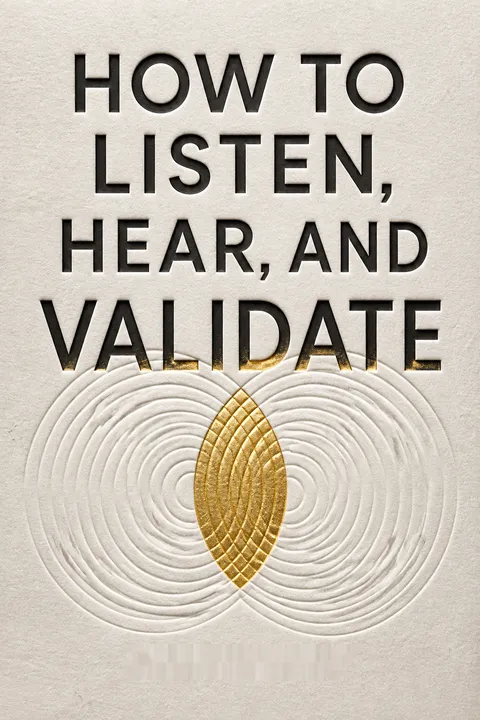
What's "How to Listen, Hear, and Validate" about?
- Core Focus: The book by Patrick King is about mastering the art of validation to improve communication and relationships. It emphasizes the importance of acknowledging and accepting others' experiences as inherently valid.
- Key Concepts: It explores the differences between validation, empathy, and sympathy, and provides practical steps to practice validation effectively.
- Practical Application: The book offers techniques to break through invisible barriers in relationships by enhancing understanding and empathy.
- Overall Goal: The aim is to transform personal and professional relationships by fostering deeper connections through effective communication.
Why should I read "How to Listen, Hear, and Validate"?
- Improve Relationships: The book provides tools to enhance your relationships by teaching you how to validate others effectively.
- Communication Skills: It offers practical advice on becoming a better listener and communicator, which is beneficial in both personal and professional settings.
- Empathy Development: By reading this book, you can develop a deeper sense of empathy, allowing you to connect with others on a more meaningful level.
- Conflict Resolution: It provides strategies for handling disagreements and conflicts with respect and understanding, making it a valuable resource for anyone looking to improve their interpersonal skills.
What are the key takeaways of "How to Listen, Hear, and Validate"?
- Validation Importance: Validation is crucial for expressing care and understanding in relationships, and it differs from empathy and sympathy.
- Six-Step Model: The book introduces a six-step model for validation, including being present, reflecting, mindreading, finding context, normalizing, and showing genuine validation.
- Avoid Invalidation: It highlights the negative impact of invalidation and offers strategies to avoid invalidating others.
- Empathy and Communication: The book emphasizes the role of empathy in effective communication and provides techniques for empathetic listening and communication.
How does Patrick King define validation in the book?
- Acknowledgment and Acceptance: Validation is defined as acknowledging and accepting another person's experience as inherently valid, without necessarily agreeing with it.
- Emotional Connection: It is a way to express care and understanding, making the other person feel seen and heard.
- Not Agreement: Validation is not the same as agreement; it is about recognizing the validity of someone's feelings and experiences.
- Communication Skill: It is presented as a crucial communication skill that can transform relationships by fostering empathy and understanding.
What is the six-step model for validation in "How to Listen, Hear, and Validate"?
- Step 1 - Be Present: Actively listen and pay close attention to the other person, using verbal and non-verbal cues to show you are engaged.
- Step 2 - Reflect: Summarize what you've heard to reassure the other person that you understand their perspective.
- Step 3 - Mindread: Use feeling words to label the emotions the other person is expressing, based on subtle cues.
- Step 4 - Contextualize: Relate the person's thoughts and emotions to recent events or past experiences that might be influencing their reaction.
- Step 5 - Normalize: Reassure the person that their reaction is reasonable and that others in their position would feel the same way.
- Step 6 - Show Genuine Validation: Relate their experiences to your own if applicable, establishing a stronger bond and inviting further conversation.
How does "How to Listen, Hear, and Validate" differentiate between validation and empathy?
- Validation vs. Empathy: Validation is about acknowledging the validity of someone's experience, while empathy involves understanding and feeling that experience from their perspective.
- Overlap and Distinction: While both concepts overlap, validation can occur without empathy, and vice versa. Empathy requires a deeper emotional connection.
- Practical Application: The book provides strategies for practicing both validation and empathy to enhance communication and relationships.
- Empathy's Role: Empathy is seen as a way to deepen validation, making it more effective by truly understanding the other person's emotional reality.
What are some common ways people invalidate others, according to Patrick King?
- Minimizing: Dismissing someone's feelings by comparing them to others' worse situations or telling them to "get over it."
- Rejection and Dismissal: Rejecting someone's feelings as wrong or dismissing them as unimportant or irrational.
- Controlling and Judging: Telling someone how they should feel or behave, often accompanied by judgmental language.
- Blaming: Shifting responsibility onto the person expressing their feelings, making them feel at fault for their emotions.
How can one practice self-validation as suggested in "How to Listen, Hear, and Validate"?
- Affirmations: Use positive affirmations to reinforce your self-worth and validate your own experiences and emotions.
- Journaling: Maintain a journal to practice gratitude and reflect on your thoughts and feelings, helping you understand and validate them.
- Positive Self-Talk: Cultivate a habit of positive self-talk to reassure yourself amidst challenges and reinforce your self-worth.
- Linehan’s Model: Apply Marsha Linehan’s six-step validation model to yourself, acknowledging and accepting your own emotions and experiences.
How does "How to Listen, Hear, and Validate" suggest handling conflicts with validation?
- Validation in Conflict: Use validation to acknowledge the other person's feelings without necessarily agreeing with their perspective.
- Respectful Disagreement: Focus on understanding the other person's emotions and viewpoint before presenting your own.
- Commonalities: Look for common ground and shared values to foster understanding and reduce hostility.
- Self-Validation: Balance validating others with self-validation, maintaining your boundaries and self-worth during conflicts.
What role does empathy play in effective communication, according to Patrick King?
- Empathy in Communication: Empathy enhances communication by allowing you to understand and connect with the other person's perspective.
- Empathetic Listening: Practice active listening by being fully present and attentive, reflecting the other person's emotions and experiences.
- Adjusting Communication Style: Tailor your communication style to the other person's needs and preferences, using empathy to guide your approach.
- Building Connections: Empathy helps build deeper connections by fostering understanding and compassion in your interactions.
What are the best quotes from "How to Listen, Hear, and Validate" and what do they mean?
- "Validation is not agreement." This quote emphasizes that validation is about acknowledging someone's feelings as valid, not necessarily agreeing with their perspective.
- "Empathy is a muscle we can exercise." It highlights that empathy is a skill that can be developed and strengthened through practice and effort.
- "When we validate people, we accept them for who they really are." This quote underscores the importance of validation in fostering acceptance and understanding in relationships.
- "Communication is never a fixed, static thing, but a living, dynamic entity." It suggests that effective communication requires adaptability and empathy to connect with others meaningfully.
How can "How to Listen, Hear, and Validate" help in professional settings?
- Improved Team Dynamics: By practicing validation and empathy, you can enhance team dynamics and foster a more collaborative work environment.
- Conflict Resolution: The book provides strategies for handling workplace conflicts with respect and understanding, reducing tension and improving relationships.
- Effective Leadership: Leaders can use validation to build trust and rapport with their team, creating a more supportive and productive work culture.
- Enhanced Communication: The techniques in the book can improve communication skills, making interactions with colleagues and clients more effective and meaningful.






Tải PDF
Tải EPUB
.epub digital book format is ideal for reading ebooks on phones, tablets, and e-readers.








































