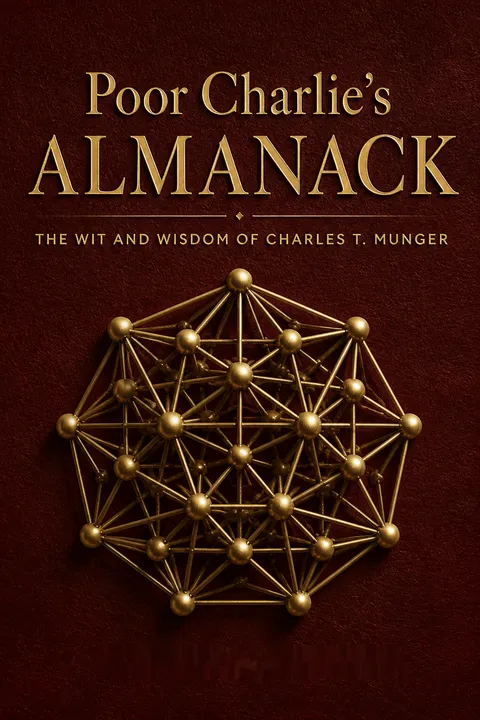
重點摘要
1. 理解激勵的力量及其意想不到的後果
「當你應該思考激勵的力量時,絕對不要去想其他事情。」
激勵驅動行為。 它是人類動機的基礎,能帶來正面或負面的結果。理解激勵對於預測和影響各種情境中的行為至關重要,無論是商業還是人際關係。
警惕扭曲的激勵。 有時候,善意的激勵可能導致意想不到的後果。例如,為了減少老鼠數量而懸賞老鼠尾巴,可能會促使人們飼養老鼠以謀取利益。務必考慮激勵結構可能帶來的二次效應。
使激勵與成功目標一致。 在商業和個人生活中,努力創造激勵與期望結果相符的系統。這可能包括:
- 以績效為基礎的薪酬
- 共享所有權結構
- 長期導向的獎勵制度
- 透明且公平的評估流程
2. 認識並減少心理偏誤以做出更佳決策
「人的大腦天生傾向於迅速消除疑慮,做出某種決定。」
認知偏誤會影響判斷。 我們的大腦內建許多心理傾向,可能導致不良決策。需注意的主要偏誤包括:
- 確認偏誤:尋找支持既有信念的信息
- 可得性偏誤:高估容易回想起信息的重要性
- 錨定偏誤:過度依賴最初獲得的信息
- 沉沒成本謬誤:因過去投入而持續執行某行動
培養去偏技巧。 對抗這些偏誤的方法包括:
- 尋找反證
- 考慮多種觀點
- 使用清單和決策框架
- 採用概率思維
- 定期挑戰自身假設
3. 擁抱跨學科學習與心智模型
「你必須在腦中擁有模型,並將你的經驗——無論是間接還是直接——排列在這些模型的格架上。」
建立心智模型的格架。 從心理學、經濟學、物理學、生物學等多領域汲取洞見,打造理解世界的堅實框架。此方法有助於更細緻且準確地分析複雜情況。
跨領域應用模型。 尋找將一領域概念應用於另一領域的機會。例如,物理學中的「臨界質量」概念能啟發對病毒式行銷或政治運動等社會現象的理解。
持續擴充工具箱。 定期接觸來自不同領域的新觀念與概念,方法包括:
- 廣泛閱讀跨學科書籍
- 參加跨領域講座或研討會
- 與各領域專家交流討論
- 積極尋找看似無關概念間的聯繫
4. 培養終身學習與求知好奇心的習慣
「我一生中從未見過不斷閱讀的人中有不智慧者——一個也沒有。」
閱讀是根本。 養成每日閱讀的習慣,專注於高品質且能挑戰、拓展你對世界理解的材料,包括:
- 經典文學
- 科學論文
- 成功人士傳記
- 深入分析複雜議題的著作
追求多元興趣。 不要侷限於單一領域,探索廣泛主題以培養更全面的世界觀並提升解決問題的能力。
向他人學習。 尋找導師,參與深度討論,從周遭人的經驗中汲取智慧。對新觀點保持開放,即使它們挑戰你的既有信念。
5. 建立堅定的道德指南針並實踐倫理行為
「你想要交付給世界的東西,就是如果你處在對方位置會願意購買的東西。」
誠信至關重要。 在商業與生活中,優先考量倫理行為與長期聲譽,而非短期利益。這包括:
- 遵守承諾
- 交易透明
- 公平對待他人
- 承認並改正錯誤
以身作則。 在行動與決策中展現倫理,這不僅建立信任,也鼓勵他人效法,形成正向連鎖反應。
考慮長遠後果。 做決策時,超越眼前結果,思考對利益相關者、社會及未來世代的廣泛影響。
6. 精通清晰思考與有效溝通的藝術
「我成功的主要原因是發展出能產生反證的技巧。」
思維清晰。 培養清晰且批判性思考複雜問題的能力,包括:
- 將問題拆解為可管理的部分
- 識別並挑戰假設
- 考慮替代解釋與情境
- 綜合多方資訊
有效溝通。 思考清晰後,專注於有效傳達,包括:
- 使用簡潔精確的語言
- 合理組織論點
- 利用類比與隱喻解釋複雜概念
- 根據受眾調整訊息
尋求並提供回饋。 定期徵求對想法與溝通方式的意見,開放心態接受建設性批評,並用以精進思考與表達。
7. 利用知識與財富的複利力量
「每天努力讓自己比醒來時更有智慧一點。」
知識複利。 如同金錢隨時間複利增長,知識亦然。養成持續學習與進步的習慣,即使每日增長微小,長期累積也能帶來巨大成長。
長期投資。 無論財務或智力追求,專注於長期成長而非短期利益,可能包括:
- 投資低成本指數基金以獲得穩定長期回報
- 多年累積某領域專業知識
- 建立長期有價值的人脈與網絡
避免中斷複利。 謹慎避免破壞複利過程的行為,如:
- 頻繁買賣投資
- 浅嘗輒止地跳換學習領域
- 忽視將收益(財務或智力)再投資
8. 認識聲譽與信任在商業與生活中的重要性
「獲得你想要的最安全方式,是先配得上你想要的東西。」
建立並維護信任。 信任是成功人際與商業關係的基石。持續展現可靠、專業與誠信,逐步建立堅實聲譽。
將聲譽視為資產。 良好聲譽能開啟機會之門,創造競爭優勢。視聲譽為珍貴資產,需持續用心經營。
積極管理聲譽。 透過以下方式主動維護聲譽:
- 提供高品質成果
- 履行承諾
- 反應迅速且負責任
- 及時承認並修正錯誤
9. 從歷史與他人錯誤中學習
「沒有比歷史更好的老師……一本30美元的歷史書中蘊藏著價值數十億美元的答案。」
研究歷史模式。 分析歷史事件、商業案例與傳記,找出反覆出現的模式與教訓,應用於當前情境,有助於:
- 避免常見陷阱
- 辨識機會
- 理解長期趨勢
以他人經驗為鑑。 雖然個人經驗寶貴,但從他人失敗與成功中學習能節省時間、金錢與痛苦。積極尋找並分析相關案例。
謹慎應用歷史教訓。 歷史常有相似之處,但不會完全重演。應考慮每個情境的獨特性,謹慎套用歷史經驗。
10. 在決策與投資中練習耐心與紀律
「大錢不在於買賣,而在於等待。」
培養耐心。 無論投資或生活決策,等待合適時機的能力往往比頻繁行動更有價值,包括:
- 抵抗頻繁調整投資的衝動
- 在重大決策前充分蒐集資訊
- 在無良機會時期能安於靜止
鍛鍊心理韌性。 堅持原則的紀律對長期成功至關重要,可能包括:
- 設定明確目標與決策準則
- 定期檢視並重申原則
- 與志同道合者為伍,互相支持
專注於過程而非結果。 雖然結果重要,但過度關注短期成效可能導致錯誤決策。應專注於建立並遵循良好決策流程,相信長期會帶來良好結果。
評論摘要
窮查理的普通常識因其在商業、投資和人生方面的智慧而備受推崇。讀者們欣賞蒙格的多學科思維方式、對持續學習的重視,以及他對人類心理學的深刻洞察。這本書因其實用的建議、發人深省的觀點,以及蒙格獨特的視角而廣受重視。部分讀者批評書中內容有所重複,且對作者的讚譽過多。許多人認為這是一本必讀之作,書中的寶貴經驗不僅適用於金融領域,更可廣泛應用於生活的各個層面。這本書採用大開本的精裝畫冊形式,其獨特的設計既受到讚賞,也因攜帶不便而遭到批評。
其他人也在讀





常見問題
What's Poor Charlie's Almanack about?
- Wit and Wisdom: The book compiles the thoughts, speeches, and insights of Charlie Munger, focusing on his unique approach to life, learning, and decision-making.
- Investment Philosophy: Munger shares his strategies, emphasizing the importance of understanding multiple disciplines and using a "latticework" of mental models.
- Life Lessons: Beyond investing, it covers themes of personal development, ethics, and happiness, encouraging lifelong learning and integrity.
Why should I read Poor Charlie's Almanack?
- Learn from a Master: Charlie Munger is a respected figure in investing, offering valuable lessons for personal growth and decision-making.
- Practical Wisdom: The book is filled with practical advice and anecdotes that illustrate Munger's principles, encouraging critical thinking.
- Inspiration for Lifelong Learning: Munger emphasizes curiosity and continuous learning, inspiring readers to adopt a similar mindset.
What are the key takeaways of Poor Charlie's Almanack?
- Multiple Mental Models: Munger advocates using a variety of mental models from different disciplines to analyze problems effectively.
- Importance of Integrity: He stresses that honesty and ethical behavior are crucial for long-term success.
- Patience and Discipline: Successful investing requires patience and discipline, focusing on long-term opportunities.
What are the best quotes from Poor Charlie's Almanack and what do they mean?
- "Acquire worldly wisdom...": This quote emphasizes learning from life experiences and adapting behavior accordingly.
- "To the man with a hammer...": Munger warns against relying on a single perspective, advocating for diverse tools in decision-making.
- "If you can't decide...": Reflects Munger's approach to decisions, suggesting indecision indicates a lack of clarity.
What is Munger's approach to life and decision-making in Poor Charlie's Almanack?
- Lifelong Learning: Munger believes in continuous education and intellectual curiosity, encouraging reading and learning from various disciplines.
- Rational Thinking: He advocates for a systematic approach to analyzing problems, using logic and emotional intelligence.
- Avoiding Mistakes: Munger advises learning from experiences to avoid common pitfalls, highlighting humility and self-awareness.
How does Munger define "worldly wisdom" in Poor Charlie's Almanack?
- Practical Knowledge: Worldly wisdom involves applying knowledge effectively in real-life situations, understanding human behavior and economics.
- Learning from Experience: Munger emphasizes learning from successes and failures, advocating for a reflective approach.
- Ethical Considerations: True worldly wisdom includes a strong ethical foundation, guiding beneficial decisions for society.
What are Munger's "Mungerisms" and their significance in Poor Charlie's Almanack?
- Pithy Insights: Mungerisms are concise sayings encapsulating Munger's philosophy on investing and life.
- Practical Application: They reflect Munger's emphasis on rational thinking and ethical behavior, providing actionable advice.
- Cultural Impact: Mungerisms have influenced the investment lexicon, highlighting Munger's unique perspective.
How does Munger's investment philosophy differ from traditional methods in Poor Charlie's Almanack?
- Focus on Quality: Munger prioritizes investing in high-quality businesses with sustainable competitive advantages.
- Concentration vs. Diversification: He supports a concentrated investment approach, focusing on a few well-understood opportunities.
- Long-Term Perspective: Munger emphasizes patience and holding investments for the long term, contrasting with frequent trading.
What role does psychology play in Munger's investment strategy as discussed in Poor Charlie's Almanack?
- Understanding Human Behavior: Munger highlights the importance of psychology in decision-making, recognizing cognitive biases.
- Psychological Models: He uses psychological principles to assess management quality and potential misjudgments.
- Emotional Discipline: Munger stresses emotional control, advocating for a rational, disciplined approach to investing.
How does Munger view the concept of "moats" in Poor Charlie's Almanack?
- Competitive Advantage: A "moat" describes a company's ability to maintain a competitive edge over rivals.
- Importance of Sustainability: Munger emphasizes that a moat must be sustainable over time as industries evolve.
- Investment Criteria: He advises seeking businesses with strong moats, aligning with his focus on quality and long-term value.
What is the Doubt-Avoidance Tendency in Poor Charlie's Almanack?
- Quick Decision-Making: This tendency refers to the inclination to quickly eliminate doubt by reaching a decision.
- Evolutionary Basis: Munger explains it as rooted in evolution, where quick decisions were essential for survival.
- Implications for Judgment: It can lead to poor decision-making, especially in high-stress situations.
How does Poor Charlie's Almanack suggest improving decision-making?
- Multidisciplinary Approach: Munger advocates drawing knowledge from various fields for innovative solutions.
- Continuous Learning: He emphasizes lifelong learning and staying curious to improve decision-making skills.
- Critical Thinking and Reflection: Munger encourages evaluating options and considering potential outcomes for better choices.
下載 PDF
下載 EPUB
.epub digital book format is ideal for reading ebooks on phones, tablets, and e-readers.








































