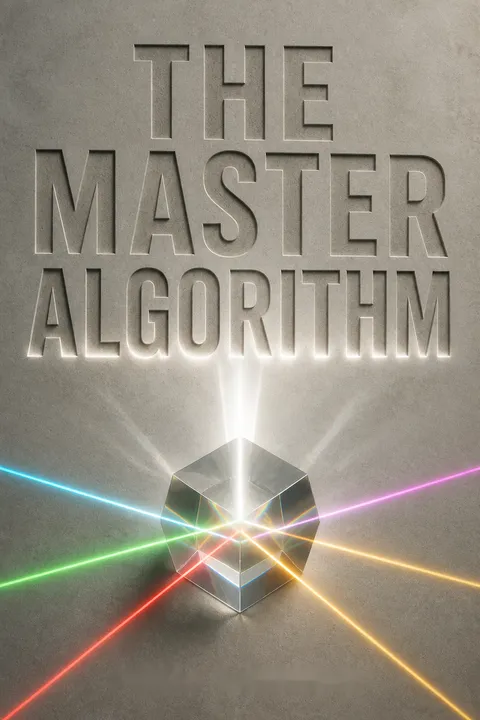
重點摘要
1. 機器學習正在革新我們的世界,觸及生活的每一個層面
「你或許不知道,但機器學習無處不在。」
無所不在的存在感: 機器學習演算法深度融入我們的日常生活,從醒來的那一刻到入睡前。它們驅動著搜尋引擎、垃圾郵件過濾器、推薦系統以及像 Siri 這樣的個人助理。這些演算法不斷學習與改進,做出決策和預測,塑造我們的體驗。
多元應用: 機器學習的影響遠超消費科技:
- 醫療保健:診斷疾病與預測病患結果
- 金融:偵測詐騙與投資決策
- 交通運輸:實現自駕車與優化交通流量
- 農業:優化作物產量與資源管理
- 娛樂:個人化內容推薦與藝術創作
隨著機器學習持續進步,其對社會的影響將日益擴大,改變產業並創造我們尚未想像的新可能。
2. 機器學習的五大派別:符號主義者、連結主義者、演化主義者、貝葉斯主義者與類比主義者
「每個派別都有一套核心信念,以及最關注的特定問題。」
多元方法: 機器學習領域並非單一體系,而是由五大主要學派組成,各自擁有哲學基礎與偏好的技術:
-
符號主義者:專注於邏輯與知識表示
- 主要演算法:逆向演繹
- 優勢:可解釋的人工智慧、基於規則的推理
-
連結主義者:靈感來自人腦
- 主要演算法:反向傳播
- 優勢:模式識別、深度學習
-
演化主義者:模擬自然選擇
- 主要演算法:基因程式設計
- 優勢:優化、適應變化環境
-
貝葉斯主義者:強調機率推理
- 主要演算法:貝葉斯推論
- 優勢:處理不確定性、整合先驗知識
-
類比主義者:透過尋找相似性學習
- 主要演算法:支持向量機
- 優勢:分類、從範例中泛化
理解這些不同方法對於欣賞機器學習多元面貌及推動更強大、多功能 AI 系統的努力至關重要。
3. 大師演算法:統一機器學習方法以解決普遍問題
「大師演算法之於機器學習,如同標準模型之於粒子物理,或中心法則之於分子生物學:一個統一理論,解釋迄今所知的一切,並為未來數十年甚至數百年的進展奠定基礎。」
理論突破: 大師演算法的概念代表機器學習的聖杯——一個單一、通用的學習演算法,能在有足夠資料的情況下解決任何問題。此理念挑戰目前領域的分散狀態,提出人工智慧的統一方法。
潛在影響: 成功的大師演算法將帶來深遠影響:
- 加速跨學科的科學發現
- 實現更高效且強大的 AI 系統
- 深入理解智慧與學習的本質
- 可能引領通用人工智慧(AGI)的誕生
雖然大師演算法仍屬理論,但追求這一統一原則推動機器學習創新,鼓勵研究者超越現有方法的限制。
4. 監督式學習:透過標記範例教導機器
「機器學習顛覆了傳統:輸入資料與期望結果,輸出則是將兩者連結的演算法。」
從範例中學習: 監督式學習是最常見的機器學習形式,演算法根據標記的訓練資料學習做出預測或決策。此方法模仿人類從經驗與反饋中學習的方式。
監督式學習的關鍵要素:
- 需要大量標記範例資料
- 學習將輸入映射到期望輸出
- 可用於分類(預測類別)或迴歸(預測連續值)
- 常用演算法:決策樹、支持向量機、神經網路
實際應用:
- 影像與語音辨識
- 垃圾郵件偵測
- 醫療診斷
- 信用評分
監督式學習的成功依賴於標記資料的質與量,以及針對特定問題選擇合適的演算法與模型架構。
5. 非監督式學習:在無明確指導下發現模式
「分群與降維讓我們更接近人類學習,但仍缺少非常重要的元素。」
尋找隱藏結構: 非監督式學習演算法旨在不依賴標記範例的情況下,揭露資料中的模式與關聯。此方法在處理大型複雜資料集,且事先未知有意義的類別或結構時特別有價值。
主要非監督式學習技術:
- 分群:將相似資料點歸為一組
- 降維:簡化高維資料,同時保留重要資訊
- 異常偵測:識別異常模式或離群點
應用與挑戰:
- 市場細分
- 自然語言處理中的主題建模
- 下游任務的特徵學習
- 科學資料中新類別的發現
非監督式學習通常需要更複雜的演算法與謹慎解讀結果,因為缺乏「真實標準」可供驗證,但它提供了發掘真正新穎洞見與模式的潛力。
6. 強化學習:透過試錯讓機器學習
「強化學習貫穿你生活的每一階段。」
透過行動學習: 強化學習(RL)靈感來自人類與動物透過與環境互動學習的方式。RL 代理人學習做出一連串決策,以最大化獎勵信號,並透過試錯不斷提升表現。
強化學習的關鍵組成:
- 代理人:學習者或決策者
- 環境:代理人所處的世界
- 狀態:當前情境
- 行動:代理人可選擇的動作
- 獎勵:反饋信號,指示行動的好壞
實際應用:
- 遊戲(如 AlphaGo)
- 機器人與自主系統
- 資源管理與排程
- 個人化推薦
強化學習在複雜領域展現卓越成效,常超越人類表現,但仍面臨樣本效率、探索與利用的權衡,以及技能遷移等挑戰。
7. 人工智慧的未來:在進步與倫理間取得平衡
「大師演算法將是我們最後需要發明的東西,因為一旦釋放,它將自行發明所有其他可被發明的事物。」
前所未有的潛力: 隨著機器學習與 AI 持續進步,我們正邁向一個人工智慧可能在多個領域超越人類能力的未來。這帶來興奮與憂慮,提出 AI 在社會角色及對人類生活影響的重要議題。
倫理考量與挑戰:
- 確保 AI 系統安全、可靠且符合人類價值
- 解決 AI 決策中的偏見與公平性問題
- 維持人類對關鍵系統的控制權
- 保護隱私與個人資料
- 管理 AI 帶來的經濟與社會衝擊
負責任的發展: 在推動 AI 能力極限的同時,建立健全的倫理框架至關重要。這需要研究者、政策制定者與公眾合作,制定指導方針與規範,既發揮 AI 優勢,又降低潛在風險。
8. 大數據與維度詛咒:挑戰與解決方案
「維度詛咒是機器學習中僅次於過擬合的第二大問題。」
指數級複雜度: 隨著資料集中特徵或維度數量增加,為達成準確預測所需的資料量呈指數成長。此現象稱為維度詛咒,對機器學習演算法構成重大挑戰。
高維資料的挑戰:
- 計算複雜度增加
- 高維空間中資料點稀疏
- 結果難以視覺化與解釋
- 潛在模式過多,易導致過擬合
緩解策略:
- 特徵選擇:識別最相關的特徵
- 降維技術(如主成分分析 PCA、t-SNE)
- 正則化以防止過擬合
- 集成方法結合多個模型
- 深度學習架構學習階層式表示
解決維度詛咒對於開發可擴展且有效的機器學習方案至關重要,尤其在面對日益複雜與高維的資料集時。
9. 機器學習對工作、隱私與社會的影響
「人生是一場你與周遭學習者之間的博弈。」
變革力量: 機器學習正在重塑就業市場、重新定義隱私並改變社會動態。隨著 AI 系統能力提升,它們既創造新機會,也擾動既有產業與慣例。
對工作與經濟的影響:
- 自動化例行與認知任務
- 創造專注於 AI 開發與監督的新職位
- 潛在提升生產力與經濟成長
- 需要終身學習與技能調適
隱私與資料議題:
- 資料收集與分析能力提升
- 可能帶來更精準且具侵入性的監控
- 需健全資料保護法規
- 在隱私與個人化服務利益間取得平衡
社會層面影響:
- 改變社交互動與人際關係
- 可能加劇現有不平等
- AI 決策的倫理問題
- 促進 AI 素養與公眾參與
隨著機器學習持續演進,積極面對這些挑戰,確保 AI 利益公平分配於社會各界至關重要。
10. 通用人工智慧的追求及其意涵
「大師演算法是我們解決最艱難問題的門戶,從打造家用機器人到治癒癌症。」
超越狹義 AI: 雖然現有機器學習系統在特定任務表現優異,許多研究者的終極目標是創造通用人工智慧(AGI)——能在廣泛認知能力上匹敵或超越人類的 AI 系統。
AGI 的潛在意涵:
- 科學、醫療與技術的革命性進展
- 深刻的經濟與社會變革
- 存在性風險與安全考量
- 關於智慧與意識本質的哲學問題
挑戰與考量:
- 發展更健全且具普適性的學習演算法
- 創造具備常識推理與因果理解的 AI 系統
- 確保 AGI 與人類價值與目標一致
- 管理 AGI 存在的世界轉型
追求 AGI 既是機器學習最大的承諾,也是最大挑戰。隨著我們持續邁向此目標,必須審慎考量長遠影響,並致力於負責任且有益的 AGI 發展。
其他人也在讀





常見問題
What's The Master Algorithm about?
- Exploration of Machine Learning: The Master Algorithm by Pedro Domingos explores the concept of a universal learning algorithm that can derive knowledge from any data set.
- Five Tribes of Learning: It categorizes machine learning into five main schools: Symbolists, Connectionists, Evolutionaries, Bayesians, and Analogizers, each with its own approach.
- Real-World Applications: The book illustrates how machine learning impacts various aspects of life, from online recommendations to medical diagnoses.
Why should I read The Master Algorithm?
- Understanding Machine Learning: The book provides a clear introduction to machine learning concepts, suitable for both technical and non-technical readers.
- Future Implications: It discusses the potential future of machine learning and its societal implications, helping readers navigate the digital landscape.
- Inspiration for Innovators: Domingos encourages readers to think critically about algorithms and consider contributing to the field of machine learning.
What are the key takeaways of The Master Algorithm?
- Quest for a Universal Algorithm: The central theme is the search for a "Master Algorithm" that can learn from any data and solve any problem.
- Integration of Learning Approaches: Emphasizes the importance of integrating the strengths of the five tribes to create a more powerful algorithm.
- Real-World Impact: Highlights how machine learning is transforming industries and everyday life, emphasizing the need to understand these changes.
What are the best quotes from The Master Algorithm and what do they mean?
- “You can’t control what you don’t understand.”: Emphasizes the need for understanding machine learning algorithms as they influence decision-making.
- “Machine learning is something new under the sun: a technology that builds itself.”: Highlights the transformative potential of machine learning, where algorithms can create new algorithms.
- “All knowledge—past, present, and future—can be derived from data by a single, universal learning algorithm.”: Suggests that a Master Algorithm could unlock vast amounts of knowledge.
What are the five tribes of machine learning discussed in The Master Algorithm?
- Symbolists: Focus on manipulating symbols and logical reasoning, using inverse deduction as their master algorithm.
- Connectionists: Use neural networks inspired by the brain's structure, with backpropagation as their master algorithm.
- Evolutionaries: Apply natural selection principles, using genetic programming to evolve solutions over time.
- Bayesians: Emphasize probabilistic reasoning, using Bayesian networks to model relationships and update beliefs.
- Analogizers: Learn by finding similarities between instances, often using nearest-neighbor algorithms.
How does The Master Algorithm define the concept of a Master Algorithm?
- Universal Learner: Envisioned as a single algorithm that can learn from any type of data and solve any learning problem.
- Combining Methods: Utilizes various learning techniques, such as genetic algorithms and gradient descent, to adapt to different contexts.
- Real-World Applications: Would have profound implications for fields like healthcare, finance, and education, leading to better decision-making.
How does The Master Algorithm relate to real-world applications?
- Healthcare Innovations: Machine learning can improve medical diagnoses and treatment plans by analyzing patient data.
- Business Efficiency: Companies use machine learning to optimize operations, predict customer preferences, and improve supply chain management.
- Personalization in Technology: Algorithms power personalized recommendations on platforms like Netflix and Amazon, tailoring content to individual preferences.
What is Hume’s problem of induction as described in The Master Algorithm?
- Challenge of Generalization: Questions how we can justify generalizing from observed instances to unobserved ones.
- Implications for Learning: Central to machine learning, as algorithms must generalize from training data to make predictions about new data.
- Need for Knowledge: Effective learning requires prior knowledge to guide the induction process, avoiding incorrect generalizations.
What is the significance of Bayes’ theorem in The Master Algorithm?
- Foundation of Bayesian Learning: Provides a framework for updating beliefs based on new evidence, central to Bayesian machine learning.
- Practical Applications: Used in medical diagnosis and spam filtering, combining evidence to make informed predictions.
- Connection to the Master Algorithm: Domingos argues that the Master Algorithm must incorporate Bayesian principles for effective learning.
How does The Master Algorithm address the exploration-exploitation dilemma?
- Balancing Strategies: Involves deciding whether to explore new options or exploit known ones for optimal learning outcomes.
- Genetic Algorithms as a Solution: Explore multiple hypotheses simultaneously, allowing for efficient search for optimal solutions.
- Real-World Implications: Crucial for developing algorithms that adapt to changing environments and make the best decisions.
What role does dimensionality reduction play in machine learning as discussed in The Master Algorithm?
- Simplifying Data: Techniques like principal component analysis (PCA) reduce variables while retaining essential information.
- Improving Performance: Focuses on important dimensions, helping algorithms perform better and faster, mitigating overfitting.
- Applications Across Fields: Used in image processing, natural language processing, and bioinformatics for efficient data analysis.
What are the limitations of the Master Algorithm?
- Dependence on Data Quality: Effectiveness is contingent on the quality and quantity of data available, risking inaccurate predictions.
- Complexity of Real-World Problems: May struggle with tasks requiring deep contextual understanding or nuanced reasoning.
- Ethical Considerations: Raises concerns about biases and responsible development as machine learning algorithms become more powerful.
下載 PDF
下載 EPUB
.epub digital book format is ideal for reading ebooks on phones, tablets, and e-readers.








































