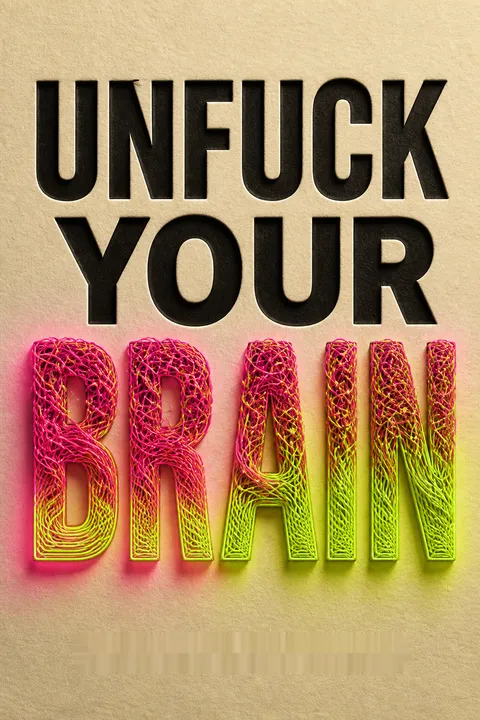
重點摘要
1. 創傷重塑大腦,形成不良的應對機制
「這些感受是正常的。我們的大腦天生為了自我保護和生存而設計,當它表現得混亂不堪時,正是它在執行這個任務。」
創傷改變大腦化學反應。 當我們經歷創傷時,大腦會做出調整以保護我們,但這些調整隨著時間可能變得有害。負責情緒處理的杏仁核變得過度活躍,而負責理性思考的前額葉皮質則參與度降低。
形成不良的應對機制。 這些機制可能表現為:
- 焦慮與高度警覺
- 抑鬱與情感麻木
- 成癮與自我毀滅行為
- 憤怒與易怒
- 人際關係困難
理解這些反應是生存機制,而非個人失敗,對於療癒與復原至關重要。
2. 了解大腦功能是療癒創傷的關鍵
「如果我們能更了解你為何會做出這些行為,康復的過程就會變得容易許多。」
腦科學揭開創傷反應的神秘面紗。 了解大腦在創傷期間及之後的運作,能幫助個人:
- 認識自己的症狀是正常反應
- 減少自責與羞愧感
- 發展更有效的應對策略
創傷相關的重要大腦區域:
- 杏仁核:情緒處理與威脅偵測
- 前額葉皮質:理性思考與決策
- 海馬體:記憶形成與經驗情境化
理解這些組成部分有助於針對性介入與自我幫助,使復原過程更可控且不那麼壓倒性。
3. 接地技巧有助於管理情緒痛苦與焦慮
「接地是管理情緒痛苦的最佳方法之一,因為它幫助你停留在當下,並記得痛苦本身源自記憶,當下並無能力傷害你。」
接地讓你紮根於當下。 這些技巧透過將注意力轉向當前時刻和身體感受,打斷焦慮、閃回和情緒過載的循環。
有效的接地技巧包括:
- 5-4-3-2-1法:辨認5樣你看見的東西、4樣你聽見的、3樣你感覺到的、2樣你聞到的、1樣你嘗到的
- 深呼吸練習
- 身體感覺:握冰塊、觸摸不同質地、緊繃與放鬆肌肉
- 心理練習:倒數計數、背誦歌詞或解數學題
定期練習接地技巧能顯著減輕創傷相關症狀的強度與頻率,帶來掌控感與穩定感。
4. 正念與冥想是重塑大腦的強大工具
「冥想釋放所有對抗大腦混亂的化學物質:多巴胺、血清素、催產素,還有內啡肽。」
正念改變大腦結構。 定期練習正念與冥想已被證明能:
- 增加與學習、記憶及情緒調節相關區域的灰質
- 減少杏仁核活動,降低焦慮與壓力反應
- 強化前額葉皮質的連結,提升決策與衝動控制能力
實用的正念技巧:
- 身體掃描冥想
- 正念呼吸
- 慈心冥想
- 觀察思緒而不加評判
將短時間的正念練習融入日常生活,能帶來心理健康與整體福祉的顯著改善。
5. 自我慈悲對療癒與個人成長至關重要
「自我慈悲就是對自己像對待最好的朋友一樣溫柔。」
自我慈悲培養韌性。 與依賴外在認可的自尊不同,自我慈悲為情緒健康提供穩固基礎。它包含:
- 以善意與理解對待自己
- 認識到痛苦是人類共同的經驗
- 正念地覺察自身經歷
自我慈悲的好處:
- 減少焦慮與抑鬱
- 增強動力與個人成長
- 改善人際關係與情緒智力
- 提升整體生活滿意度
培養自我慈悲是對抗創傷倖存者常有的嚴苛自我批評的強效解藥,促進更溫和且有效的療癒。
6. 焦慮是對壓力的生化過度反應
「焦慮是一種全身失衡的狀態,強度足以要求你立即注意並採取矯正行動。」
理解焦慮的目的。 焦慮是身體為潛在威脅做準備的方式。在創傷倖存者中,這套系統過度活躍,導致:
- 持續的不安或恐懼感
- 心跳加速、出汗、顫抖等身體症狀
- 逃避行為與社交孤立
有效管理焦慮:
- 認識焦慮是保護機制失調
- 練習接地與正念技巧
- 透過認知重組挑戰焦慮思維
- 在可控環境中逐步面對恐懼情境
將焦慮視為誤導的保護嘗試,而非個人缺陷,有助於以更慈悲且有效的態度面對症狀。
7. 抑鬱是身體對壓力的學習性無助反應
「抑鬱是一種基因與神經化學疾病,需要強烈的環境觸發,其典型表現是無法欣賞日落的美麗。」
抑鬱是關閉反應。 當大腦認為無法改善情況時,可能會:
- 降低動力與能量
- 減弱情感反應(快感缺失)
- 增加負面自我對話與絕望感
全面應對抑鬱:
- 承認抑鬱的生化層面
- 探索並處理環境觸發與未解決的創傷
- 參與促進神經可塑性的活動(運動、學習新技能)
- 培養社交連結與支持系統
理解抑鬱是基因傾向、生活經驗與生化反應的複雜交互作用,有助於採取更全面且有效的治療方法。
8. 成癮常源自未解決的創傷或痛苦
「成癮是敏感者的領域。是那些早早察覺社會中黑暗、隱藏與破碎的人們的領域。」
成癮作為應對機制。 許多成癮行為是為了管理情緒痛苦、創傷或未被滿足的需求。主要特徵包括:
- 使用物質或行為來麻痺困難情緒
- 產生耐受性,需要越來越多劑量才能達到相同效果
- 即使有負面後果仍持續使用
成癮復原方法:
- 處理潛在創傷與情緒痛苦
- 發展更健康的應對機制
- 建立支持性社群
- 練習自我慈悲與寬恕
- 考慮戒斷與減害並行的策略
將成癮視為對痛苦的反應,而非道德缺陷,有助於採取更有同理心且有效的治療策略。
9. 哀傷是自然過程,需要時間與空間來療癒
「哀傷是對被遺棄確定性的覺察。它是我們最深的恐懼成為現實。」
尊重哀傷過程。 哀傷是對失落的自然反應,但我們的文化常催促人們快速走過。給予哀傷空間包括:
- 承認失落的深度與複雜性
- 允許各種情緒的流動而不加評判
- 避免陳詞濫調,允許真實表達
- 創造儀式或典禮來紀念失去
常被忽視的哀傷類型:
- 被社會忽視的哀傷(如非公開的失落)
- 預期性哀傷
- 非死亡失落的哀傷(如離婚、失業、健康變化)
認識並尊重哀傷作為必要過程,可防止其演變成更複雜的創傷反應或心理健康問題。
10. 透過理解、自我慈悲與支持,復原是可能的
「事情會變好。真的會。不是完美,也不是回到創傷前的純真。但會更好。有時因為你以自己的方式奪回力量,生活反而更豐富、更深刻。」
復原是旅程,而非終點。 從創傷與心理健康挑戰中療癒,包含:
- 更深入了解自己與經歷
- 建立應對策略與自我照護工具箱
- 創造支持性的人際網絡
- 練習自我慈悲與耐心
復原的跡象:
- 更能管理情緒與壓力
- 改善人際關係與社交參與
- 增強生命意義與目標感
- 能在生活經驗中找到喜悅與感恩
復原不意味抹去過去,而是與過去建立新關係——讓創傷經驗成為參考,而非控制你生命的力量。
評論摘要
讓你的腦袋清醒過來這本書收到的評價褒貶不一,平均評分為五分中的3.32分。部分讀者欣賞作者直白、不拘形式的寫作風格,認為書中內容有助於理解心理健康議題。另一些讀者則批評書中髒話過多、有聲書音質不佳,且缺乏實質性的建議。許多人覺得作者過於刻意地想表現得前衛或酷炫。有些讀者認為這本書內容豐富且能引起共鳴,但也有人覺得它缺乏深度,在應對心理健康問題方面未能提供切實可行的策略。
其他人也在讀


常見問題
What's "Unfuck Your Brain" about?
- Overview: "Unfuck Your Brain" by Faith G. Harper is a self-help book that uses science to help readers overcome anxiety, depression, anger, freak-outs, and triggers.
- Focus on Trauma: The book emphasizes understanding how trauma rewires the brain and how this affects mental health.
- Practical Advice: It provides practical advice and exercises to help readers retrain their brains and manage their mental health more effectively.
- Holistic Approach: Harper combines traditional therapy with complementary therapies, offering a holistic approach to mental wellness.
Why should I read "Unfuck Your Brain"?
- Understanding Mental Health: The book offers insights into how mental health issues develop and how they can be managed.
- Empowerment: It empowers readers by explaining that their feelings are normal and can be addressed with the right strategies.
- Practical Tools: Provides actionable tools and exercises to help readers take control of their mental health.
- Relatable Language: Written in a conversational and often humorous tone, making complex topics accessible and engaging.
What are the key takeaways of "Unfuck Your Brain"?
- Trauma's Impact: Trauma can rewire the brain, leading to mental health issues, but understanding this can help in healing.
- Adaptive Strategies: Emotions like anger and anxiety are adaptive strategies for survival, not signs of weakness.
- Retraining the Brain: It's possible to retrain the brain to respond differently to stressors and triggers.
- Holistic Healing: Combining traditional therapy with complementary practices can enhance mental health recovery.
How does Faith G. Harper explain trauma in "Unfuck Your Brain"?
- Definition of Trauma: Trauma is described as an event that disrupts one's understanding of the world, leading to a traumatic response.
- Brain Rewiring: Trauma can cause the amygdala to hijack the brain, leading to heightened emotional responses.
- Healing Process: Healing involves understanding the trauma, processing it, and retraining the brain to respond differently.
- Importance of Support: Emphasizes the need for relational support and time to process trauma for effective healing.
What methods does "Unfuck Your Brain" suggest for managing anxiety?
- Grounding Techniques: Use mental, physical, and soothing grounding techniques to stay present and manage anxiety.
- Self-Training: Practice learned optimism by challenging negative thoughts and reframing them positively.
- Breathing Exercises: Focus on breathing to calm the nervous system and reduce anxiety symptoms.
- Mindfulness Meditation: Incorporate mindfulness practices to disrupt storytelling and reduce anxiety.
How does "Unfuck Your Brain" address anger management?
- Understanding Anger: Anger is an instinctive response to perceived threats, meant to protect us.
- AHEN Model: Use the AHEN model to identify if anger is triggered by hurt, unmet expectations, or unmet needs.
- Cultural Influence: Recognizes that cultural norms can influence how anger is expressed and perceived.
- Practical Steps: Offers steps to evaluate and address anger constructively, minimizing harm to oneself and others.
What is the role of addiction in "Unfuck Your Brain"?
- Addiction as Coping: Addiction is seen as a coping mechanism that becomes problematic when it replaces relationships.
- Understanding Addiction: Addiction involves compulsive engagement, impaired control, and persistence despite harm.
- Treatment Approaches: Discusses both abstinence-based and harm-reduction approaches to addiction treatment.
- Mindful Engagement: Encourages mindful engagement with addictive behaviors to regain control and make healthier choices.
How does "Unfuck Your Brain" differentiate between depression and grief?
- Depression vs. Grief: Depression is a biochemical response characterized by anhedonia, while grief is a natural response to loss.
- Triggers and Predispositions: Depression often requires a genetic predisposition and a triggering event, while grief is a response to specific losses.
- Healing from Depression: Emphasizes the importance of addressing trauma and finding personalized treatment paths for depression.
- Honoring Grief: Stresses the importance of allowing space for grief to prevent it from becoming traumatic.
What are the recommended complementary therapies in "Unfuck Your Brain"?
- Acupuncture and Acupressure: These therapies stimulate certain points on the body to promote healing and reduce pain.
- Massage and Chiropractic Care: Used to reset the nervous system and help individuals reconnect with their bodies.
- Energy Healing: Techniques like Reiki and reflexology are suggested for releasing trauma held in the body.
- Biofeedback and Neurofeedback: These methods help individuals learn to control bodily and brain responses to stress.
What are the best quotes from "Unfuck Your Brain" and what do they mean?
- "Our behaviors are responses to the bullshit we have to deal with day in and day out." This highlights the idea that mental health issues are often adaptive responses to stress and trauma.
- "You are not fundamentally, unfixably broken." Emphasizes the book's message of hope and the possibility of healing and recovery.
- "Healing trauma means working through our shit, rather than trying to overpower it." Suggests that understanding and processing trauma is more effective than trying to ignore or suppress it.
- "You deserve every opportunity to heal." Reinforces the importance of self-compassion and the right to seek healing and support.
How does "Unfuck Your Brain" suggest building self-compassion?
- Self-Compassion Exercises: Encourages treating oneself with the same kindness and understanding as one would a friend.
- Mindfulness Practices: Use mindfulness to become aware of thoughts and feelings without judgment.
- Positive Self-Talk: Develop mantras and positive affirmations to counter negative self-talk.
- Forgiveness: Emphasizes forgiving oneself for past mistakes as a crucial step in healing.
What is the significance of storytelling in "Unfuck Your Brain"?
- Storytelling Brain: The brain is wired to create stories, which can influence how we perceive and react to the world.
- Reframing Stories: Changing the narrative we tell ourselves can help rewire the brain and improve mental health.
- Default Mode: The brain's default mode is storytelling, which can be disrupted through mindfulness and meditation.
- Creating New Narratives: Encourages creating new, positive stories to replace negative or traumatic ones.
關於作者
其他著作: Faith G. Harper




下載 PDF
下載 EPUB
.epub digital book format is ideal for reading ebooks on phones, tablets, and e-readers.








































