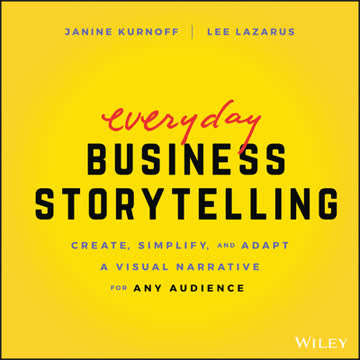
核心要点
1. 掌握故事讲述的四大标志:背景、角色、冲突与解决
“所有伟大的故事都会带领观众(观众/读者/听众)踏上一段旅程。”
设定舞台: 故事讲述的四大标志为构建引人入胜的商业叙事提供了框架。背景设定了情境,介绍当前的状况或市场环境。角色代表故事中受影响的关键利益相关者或人物。冲突呈现需要解决的挑战或问题。解决则提供克服冲突的方案或建议。
制造张力: 这四个标志的顺序至关重要。虽然背景、角色和冲突可以灵活排列,但解决必须始终放在最后。这样的结构形成了一个叙事弧线,吸引观众,积累张力,最终带来令人满意的结局。掌握这些标志,能将枯燥的商业演示转化为引人共鸣、激发行动的精彩故事。
- 各标志的关键要素:
- 背景:市场状况、行业趋势、公司环境
- 角色:客户、员工、利益相关者、竞争对手
- 冲突:挑战、障碍、痛点、错失的机会
- 解决:方案、建议、行动计划、后续步骤
2. 打造引人注目的核心理念,锚定故事并驱动行动
“你的核心理念是你希望观众记住的唯一重点(因为他们不会记住所有内容)。”
定义核心理念: 核心理念是故事的中心信息,结合明确的“是什么”陈述和1-3个高层次的利益点。它作为冲突与解决之间的心理桥梁,预示你的方案,同时直击核心问题。精心设计的核心理念富有洞察力、可执行,且完全聚焦于观众的需求。
强大核心理念的特征:
- 直接回应冲突
- 提供有意义的洞见
- 可执行且具体
- 关注观众,而非产品或公司
- 可用简洁、对话式的表达呈现
打造有力的核心理念时,应避免行话,聚焦方案背后的宏大概念。它应易于记忆和传播,促使观众主动倾听并寻求更多细节。以清晰的核心理念锚定故事,确保你的关键信息在演讲结束后依然回响。
3. 使用主动式标题引导观众贯穿叙事
“标题是捕捉洞察并推动故事发展的对话式陈述。”
打造有效标题: 主动式标题如同故事的导航仪,引导观众穿越每个关键点。不同于模糊的标题,主动式标题提供清晰、简洁的洞见,推动叙事前进。它们帮助演讲者和观众定位,使故事脉络清晰,关键点易于回忆。
标题的最佳实践:
- 保持简短,剔除多余词汇
- 采用对话式表达,避免行话
- 适当时包含具体数据或指标
- 确保标题间逻辑连贯
通过全程使用主动式标题,你为观众绘制出清晰的路线图。这不仅帮助他们保持专注,也让你在面对时间限制或观众提问时更从容。记住,标题连读应讲述一个连贯的故事,概览整个叙事。
4. 针对不同商业场景和受众调整故事结构
“最优秀的讲故事者会跳出自身视角,站在观众的立场思考。”
适应受众: 有效的商业故事讲述需具备灵活性,以满足多样受众和情境的需求。无论是向高管汇报、面对多元利益相关者,还是在时间紧迫的环境中,故事结构都应调整,但核心要素不可缺失。
不同场景的策略:
- 高管汇报:采用“枢纽策略”,以核心理念开场,根据反馈灵活切换背景与解决方案
- 多元受众:引入多角色和多冲突,涵盖不同视角,统一于单一核心理念
- 时间受限:优先突出关键要素,口头补充背景,视觉内容聚焦核心理念与解决方案
- 团队演示:协作确定“为什么”和“是什么”,分工负责“怎么做”,用着陆页引导叙事
理解受众的视角、角色和需求,能让你量身定制故事,最大化其影响力和相关性。此种适应性确保信息无论在何种商业环境或限制下都能产生共鸣。
5. 利用视觉力量提升故事表达
“故事、数据与视觉的结合,才能点燃你的创意火花。”
视觉讲故事技巧: 有效的视觉元素能放大叙事效果,使复杂理念更易理解和记忆。关键在于策略性使用视觉,确保其支持并强化故事,而非分散注意力。避免拼凑无关视觉,打造与故事结构相契合的连贯视觉叙事。
五种经过验证的视觉化技巧:
- 照片:赋予信息人性化,建立情感连接
- 图表:简化复杂概念与关系
- 数据可视化:突出关键洞察与趋势
- 文字:适度使用,强调重点与清晰度
- 视频:改变节奏,增添动态元素
设计视觉时,考虑其与故事不同部分的契合度。用照片和大号文字表现背景与角色,用数据可视化呈现冲突,用图表阐释解决方案。始终以简洁明了为先,确保视觉增强而非淹没叙事。
6. 调整故事技巧以适应虚拟环境
“虚拟会议是故事、视觉与个人表现的精心编排之舞。”
吸引虚拟观众: 虚拟演示需采用不同的讲故事方法。为保持观众参与度并克服数字平台的限制,应在叙事中频繁融入互动和视觉提示,营造更具活力和参与感的体验,即使远程呈现亦然。
虚拟讲故事的关键策略:
- 使用互动占位幻灯片引导观众参与
- 战略性运用投票、聊天和分组讨论工具
- 每3-5分钟安排互动,维持注意力
- 优化视觉以适应屏幕共享,注重清晰简洁
- 通过语言强化和积极引导,打造强大虚拟存在感
重新构想虚拟环境下的故事,你能创造出克服数字沟通挑战的精彩演示。这不仅保持观众专注,也展现你对虚拟平台的驾驭能力。
7. 通过辅导与协作培育故事文化
“商业故事讲述的最大效力,源于其融入组织文化。”
培养故事技能: 要真正将故事讲述植入组织,必须成为团队的日常实践和文化。这一转变始于管理者以身作则,推动各层级辅导。通过营造协作氛围,持续发展和强化故事技能,打造共享的沟通语言和方法。
发展故事文化的策略:
- 鼓励管理者主导故事技巧辅导
- 推动同伴间反馈与演示协作
- 将故事原则融入常规团队流程与会议
- 庆祝并分享组织内有效故事的典范
将故事讲述作为团队或组织的核心能力,能显著提升商业沟通的清晰度、影响力和说服力。这种文化转变不仅提升个人表现,更强化集体传达理念、推动决策和实现成果的能力。
读者评价
《日常商务讲故事》因其实用的商务沟通提升方法而备受好评。读者们赞赏其简明的框架、直观的示例以及切实可行的建议,这些内容有助于打造引人入胜的演示和提案。许多人认为本书在多种商务场景中提升讲故事能力方面颇具帮助。部分评论指出书中内容略显重复,且侧重于推介方案的技巧。总体来看,无论是初学者还是有经验的专业人士,都强烈推荐此书,尤其适合希望提升沟通技巧、制作高效演示文稿和幻灯片的读者。
其他人还在读


常见问题
1. What is "Everyday Business Storytelling" by Janine Kurnoff and Lee Lazarus about?
- Practical storytelling framework: The book provides a simple, repeatable framework for incorporating storytelling into everyday business communications, both visually and verbally.
- Focus on business relevance: It demystifies storytelling for business professionals, showing how to use stories to drive decisions, influence outcomes, and make ideas memorable.
- Tools and techniques: Readers learn about active headlines, the BIG Idea, and visual strategies to make presentations, emails, and updates more compelling.
- Real-world scenarios: The book is filled with before-and-after examples, case studies, and templates for common business situations like recommendations, updates, and team presentations.
2. Why should I read "Everyday Business Storytelling" by Janine Kurnoff and Lee Lazarus?
- Career advancement: The authors argue that mastering business storytelling is "career gold," helping you gain executive presence and influence decisions.
- Clarity and impact: The book teaches you to avoid "Frankendecks" (confusing, cobbled-together presentations) and instead communicate with clarity and purpose.
- Adaptability: You'll learn how to flex your story for different audiences, time constraints, and formats, making you a more agile communicator.
- Actionable advice: The book is highly practical, offering step-by-step guidance, checklists, and real examples you can immediately apply to your work.
3. What are the key takeaways from "Everyday Business Storytelling"?
- Four signposts of storytelling: Every business story should include setting, characters, conflict, and resolution, in a logical order.
- The WHY-WHAT-HOW structure: Start with WHY (context, characters, conflict), state your WHAT (the BIG Idea), and finish with HOW (your resolution or recommendation).
- Active headlines and visuals: Use clear, conversational headlines and intentional visuals to guide your audience and make your message stick.
- Audience-centric approach: Always tailor your story to your audience’s needs, role, and perspective for maximum relevance and impact.
4. How does the storytelling framework in "Everyday Business Storytelling" work?
- Four signposts explained: The framework is built on setting (context), characters (who is affected), conflict (the problem or tension), and resolution (the solution or recommendation).
- Order matters: The first three signposts (setting, characters, conflict) can be presented in any order, but the resolution must always come last to ensure the story is earned and meaningful.
- The BIG Idea: Insert a concise, memorable statement (the WHAT) after the conflict and before the resolution to bridge the gap and focus your audience.
- Flexibility: The framework is designed to be adapted for different formats—presentations, emails, one-pagers, and more.
5. What is a "Frankendeck" and why does "Everyday Business Storytelling" warn against it?
- Definition: A "Frankendeck" is a disjointed, incoherent presentation made by cobbling together slides, charts, and bullet points from various sources without a clear narrative.
- Common problem: Frankendecks are prevalent in business because people often default to reusing old content for speed, leading to confusing messages.
- Negative impact: They leave audiences confused, stall decisions, and waste opportunities to influence and drive business forward.
- Solution: The book provides a structured approach to avoid Frankendecks by building every communication around a clear story framework.
6. What is the "BIG Idea" in "Everyday Business Storytelling" and how do I create one?
- Definition: The BIG Idea is a concise, conversational statement that captures the WHAT of your story and includes one to three high-level benefits.
- Placement: It comes after the conflict and before the resolution, serving as a mental bridge for your audience.
- Characteristics: A strong BIG Idea is clear, memorable, actionable, and focused on the audience’s needs—not your product or company.
- Creation tips: Use everyday language, avoid jargon, and test it by saying it aloud to ensure it flows naturally and is easy to remember.
7. How does "Everyday Business Storytelling" recommend using data and visuals in business stories?
- Support, don’t overwhelm: Data and visuals should directly support your story, not distract or overload your audience.
- Strategic selection: Only include data that brings insight, supports your narrative, and helps move the story forward.
- Visual techniques: Use a mix of photos, diagrams, charts, text, and video, but always in moderation and with clear intent.
- Active headlines: Every visual (slide, chart, or section) should have an active, newsworthy headline that advances the story.
8. How do I adapt the "Everyday Business Storytelling" framework for different business scenarios?
- Recommendations: Use the full story structure (WHY, WHAT, HOW) to make a compelling case for your proposal.
- Updates: If there’s conflict, use the full framework; if not, focus on setting, characters, and a simple BIG Idea to show progress.
- Emails and one-pagers: Apply the same structure—context first, BIG Idea in the subject or headline, and a clear call to action.
- Team presentations: Collaborate on the WHY and WHAT, then assign parts of the HOW to different team members, using landing pages and transitions for cohesion.
9. What does "Everyday Business Storytelling" say about flexing your story for different audiences and situations?
- Audience-first mindset: Always investigate your audience’s role, perspective, and challenges before crafting your story.
- Pivot strategy: Be ready to start with your BIG Idea and pivot to more context or details based on audience feedback, especially with executives or time constraints.
- Diverse audiences: For mixed groups, introduce multiple characters and conflicts but unite them with a single BIG Idea and segmented resolutions.
- Virtual and limited-slide scenarios: Adjust your story for virtual meetings with more interaction and visual cues, or condense your story to a few slides by focusing on essentials.
10. How can managers and teams build a culture of storytelling using "Everyday Business Storytelling"?
- Coaching is key: Managers should model and encourage regular story coaching, both top-down and peer-to-peer, to reinforce the framework.
- Common language: Use shared terms like the four signposts, BIG Idea, and active headlines to align teams and streamline collaboration.
- Peer review: Teams should review each other’s stories, checking for structure, clarity, and alignment with the audience’s needs.
- Ongoing practice: Make storytelling a regular part of meetings, feedback sessions, and project updates to embed it in the organizational culture.
11. What are the best quotes from "Everyday Business Storytelling" and what do they mean?
- “Frankendecks are the place where good ideas are lost and decisions are stalled.” This highlights the danger of unstructured, incoherent presentations.
- “Storytelling is career gold.” Mastering storytelling is positioned as a key skill for professional growth and influence.
- “The best storytellers step outside of their world and walk in their audience’s shoes.” Emphasizes the importance of audience-centric communication.
- “You must always be ready to tell your story out of sequence or nonlinearly.” Stresses the need for flexibility and responsiveness in business storytelling.
12. How can I start applying the advice from "Everyday Business Storytelling" by Janine Kurnoff and Lee Lazarus right away?
- Use the four signposts: Begin every communication by identifying your setting, characters, conflict, and resolution.
- Craft your BIG Idea: Summarize your main message in a simple, memorable statement and use it as your anchor.
- Edit ruthlessly: Remove unnecessary data, jargon, and slides that don’t directly support your story or BIG Idea.
- Practice and get feedback: Share your stories with colleagues, seek coaching, and refine your approach based on their input and your audience’s reactions.








































