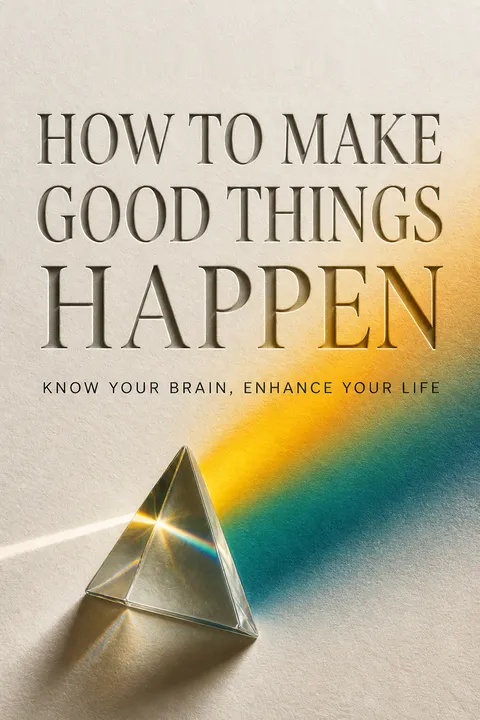

核心要点
1. 幸福是一种选择:学会积极解读现实
幸福不在于发生了什么,而在于我们如何解读所发生的事情。
感知塑造现实。 我们对事件的解读,而非事件本身,决定了我们的幸福感。这一观点源自认知心理学,表明通过改变思维模式,我们可以显著影响情绪健康。
积极解读的实用方法:
- 每日练习感恩
- 在困境中寻找积极面
- 挑战消极自我对话
- 关注可控因素
- 培养成长型思维
有意识地将生活挑战视为成长和学习的机会,可以增强我们的韧性和整体生活满意度。这并非忽视问题,而是以建设性的心态面对,促进问题解决和个人发展。
2. 皮质醇:影响健康与幸福的压力激素
当皮质醇水平长期升高时,它开始成为一种毒素。
了解皮质醇对于管理压力和维护健康至关重要。 皮质醇被称为“压力激素”,在身体的“战斗或逃跑”反应中发挥重要作用。然而,持续的压力导致皮质醇长期升高,会引发多种健康问题。
长期高皮质醇的影响:
- 免疫系统减弱
- 炎症增加
- 睡眠紊乱
- 体重增加
- 情绪障碍
为减少过量皮质醇的产生,应注重减压技巧,如深呼吸、规律运动和保持稳定的作息。此外,培养积极的人际关系和参与愉快活动,有助于调节皮质醇水平,促进整体健康。
3. 克服过去创伤与未来焦虑,活在当下
恐惧总让我们把事情看得比实际更糟。
疗愈过去创伤和管理未来焦虑,是活在当下的关键。 许多人陷于对过去的反复思考或对未来的担忧,阻碍了他们体验当下的丰富与美好。
克服过去与未来困扰的策略:
- 练习宽恕(包括对自己和他人)
- 认知重构,挑战焦虑思维
- 运用正念技巧,扎根当下
- 寻求专业帮助处理创伤
- 设定切实可行的目标,建立目标感和方向感
通过同时处理过去的伤痛和未来的焦虑,个体能够更充分地投入当前的体验、人际关系和成长机会。
4. 健康表达情绪,避免身心疾病
情绪被表达时,身体会回应;情绪被否认或压抑时,会被困住,严重损害个体。
情绪表达对心理和身体健康至关重要。 压抑或否认情绪可能导致各种身心疾病,即心理压力以身体症状的形式表现出来。
情绪压抑常见的身心症状:
- 慢性头痛
- 胃肠问题
- 肌肉紧张与疼痛
- 皮肤问题
- 疲劳与睡眠障碍
为促进情绪健康,预防身心疾病,应通过以下方式健康表达情绪:
- 写日记
- 与信任的朋友或治疗师交流
- 参与艺术或音乐等创造性活动
- 规律运动,释放情绪紧张
- 正念冥想,提高情绪觉察
通过积极承认和表达情绪,个体能降低压力相关身体疾病的风险,提升整体生活质量。
5. 管理有害人际关系,培养积极关系
有害的人成为你生活的旁观者,随时有权发表意见。
识别并管理有害关系,对维护情绪健康和个人成长至关重要。 有害的人往往消耗你的能量,过度批评,破坏自尊,导致压力增加和幸福感下降。
管理有害关系的策略:
- 设定明确界限
- 尽量减少接触
- 练习坚定沟通
- 注重自我关怀和成长
- 寻求积极关系的支持
同时,培养积极的人际关系对幸福和韧性同样重要。围绕“人际维生素”——那些提升、支持和激励你的人。这些关系提供情感滋养,促进个人成长,成为应对生活挑战的缓冲。
6. 练习正念与运动,减轻压力
知道如何看,就是知道如何爱。
正念与运动是减压、提升心理清晰度和整体健康的有力工具。 正念,即无评判的当下觉察,有助于打破反复思考和担忧的循环,这些往往是压力和焦虑的根源。
正念的益处:
- 减轻压力和焦虑
- 提高专注力
- 增强情绪调节能力
- 改善睡眠质量
- 增强自我觉察
规律运动则通过:
- 释放内啡肽,提升情绪
- 降低皮质醇水平
- 改善睡眠
- 增强自尊和自信
- 提供健康的压力释放途径
将正念和运动融入日常生活,能显著提升身心健康,增强韧性和生活满意度。
7. 通过自知与热情,发展最佳自我(BPS)
天赋 + 热情 = 天职
理解并发展你的最佳可能自我(BPS),是个人成长与实现的有力路径。 这一理念强调识别你的优势、热情和价值观,构建理想未来自我的愿景。
发展BPS的步骤:
- 自我反思:明确核心价值、优势和兴趣
- 视觉化:详细想象理想的未来自我
- 目标设定:制定具体可行的目标,契合BPS愿景
- 技能提升:持续学习,提升相关能力
- 定期回顾:评估并调整BPS愿景与目标
专注于发展独特的天赋与热情,能为生活赋予意义和方向。这不仅带来更大的个人满足感,也提升职业成功和对社会的有意义贡献。
读者评价
《如何让美好事物降临》评价不一。许多人赞赏其对情绪、心理健康与幸福的科学解读,认为内容既深刻又实用。读者认可作者的专业背景及对复杂问题的清晰阐释,有人称其改变了人生观;但也有人批评其过于简单甚至陈词滥调。该书的优势在于科学知识、案例分析与可操作建议的结合;批评者则指出其缺乏社会背景考量,且有说教之嫌。总体来看,它比一般自助书籍更具分量,但效果或因读者当下生活状况而异。
其他人还在读








常见问题
What's How to Make Good Things Happen about?
- Focus on Happiness: The book explores the concept of happiness, linking it to self-esteem, love, and overcoming suffering. It emphasizes that happiness is an experience rather than a defined state.
- Understanding the Brain: It delves into neuroscience, explaining how thoughts and emotions impact physical health and well-being. The author simplifies complex brain functions to enhance readers' lives.
- Practical Tools: Offers practical advice for managing emotions, reducing cortisol, and fostering resilience. Encourages finding one's "Best Possible Self" through self-awareness and emotional management.
Why should I read How to Make Good Things Happen?
- Expert Insights: Written by psychiatrist Marian Rojas Estapé, the book combines scientific research with personal anecdotes, providing a credible perspective on mental health.
- Holistic Approach: Addresses both psychological and physiological aspects of happiness, integrating neuroscience with practical life advice for comprehensive mental well-being.
- Empowerment: Encourages readers to take control of their happiness by understanding their emotions and thoughts, promoting a proactive approach to mental health.
What are the key takeaways of How to Make Good Things Happen?
- Happiness is a Journey: Emphasizes that happiness is a continuous journey involving self-discovery and emotional growth, not a final destination.
- Cortisol Management: Highlights the importance of understanding cortisol's role in stress and health, offering strategies like exercise and mindfulness to lower levels.
- Resilience and Love: Presents love as a powerful antidote to suffering, advocating for building resilience through love and compassion.
What are the best quotes from How to Make Good Things Happen and what do they mean?
- "Happiness consists in having a fully realized life.": Suggests that happiness is about living authentically and aligning actions with personal values and aspirations.
- "Suffering has meaning.": Encourages finding purpose in challenges and hardships, viewing them as opportunities for personal growth.
- "We have to go out and find it.": Emphasizes the proactive nature of seeking happiness and fulfillment, urging individuals to take initiative.
How does How to Make Good Things Happen address the impact of trauma on happiness?
- Understanding Trauma: Explains how traumatic experiences shape emotional landscapes and hinder happiness, stressing the importance of addressing past wounds.
- Resilience Building: Discusses resilience as key to overcoming trauma, offering strategies like seeking support and practicing self-compassion.
- Forgiveness and Healing: Highlights forgiveness as crucial for healing, encouraging letting go of resentment to find peace and move forward.
What specific methods does How to Make Good Things Happen recommend for managing emotions?
- Mindfulness and Meditation: Advocates mindfulness practices to stay present and manage anxiety, highlighting techniques like deep breathing and meditation.
- Positive Thinking: Encourages cultivating positive thoughts to counteract negativity, suggesting a gratitude journal to reinforce positive patterns.
- Physical Activity: Recommends regular exercise to lower cortisol levels and improve mood, emphasizing the link between physical health and emotional well-being.
What is the significance of the term "Best Possible Self" (BPS) in How to Make Good Things Happen?
- Personal Growth Concept: BPS refers to the ideal version of oneself, serving as a guiding principle for personal development.
- Goal Setting: Linked to setting realistic goals aligned with values and passions, acting as a motivational tool for action and commitment.
- Self-Reflection: Achieving BPS requires understanding strengths and weaknesses, with exercises provided for exploring identities and aspirations.
How does How to Make Good Things Happen address the impact of sleep on mental health?
- Sleep Cycles: Emphasizes the importance of achieving multiple sleep cycles for cognitive function and emotional regulation.
- Cognitive Function: Lack of sleep can impair learning and memory, making individuals more irritable and sensitive to stress.
- Emotional Storage: Discusses how emotions are processed during sleep, with positive thoughts aiding in storing pleasant emotions.
How does the author define emotional intelligence in How to Make Good Things Happen?
- Understanding Emotions: Involves recognizing and understanding one's own emotions and those of others, crucial for effective communication.
- Managing Emotions: Emphasizes the ability to manage emotions in oneself and others, essential for healthy relationships.
- Empathy and Connection: Highlights empathy's role in emotional intelligence, fostering deeper connections and enhancing relationships.
What role does love play in achieving happiness according to How to Make Good Things Happen?
- Antidote to Suffering: Love is described as a primary antidote to suffering, fostering emotional resilience.
- Connection and Support: Building strong relationships enhances happiness, with social support crucial for overcoming challenges.
- Different Forms of Love: Categorizes love into self-love, love for others, and love for ideals, each contributing uniquely to happiness.
How can I apply the concepts from How to Make Good Things Happen in my daily life?
- Practice Mindfulness: Incorporate mindfulness techniques like deep breathing or meditation to enhance emotional awareness and reduce stress.
- Set Personal Goals: Identify your BPS and set achievable goals aligned with your values, regularly reflecting on progress.
- Cultivate Relationships: Focus on building positive relationships, engaging in acts of kindness to strengthen connections and enhance happiness.
How does the Ascending Reticular Activating System (ARAS) play a role in our lives according to How to Make Good Things Happen?
- Filtering Information: ARAS filters and prioritizes information relevant to goals and needs, helping focus on what matters.
- Attention Activation: Activating ARAS enhances noticing opportunities and positive experiences, leading to a more engaged life.
- Goal Orientation: Setting clear goals helps activate ARAS, encouraging proactive pursuit of aspirations.
关于作者
其他作品,作者: 玛丽安·罗哈斯·埃斯塔佩


下载 PDF
下载 EPUB
.epub digital book format is ideal for reading ebooks on phones, tablets, and e-readers.








































