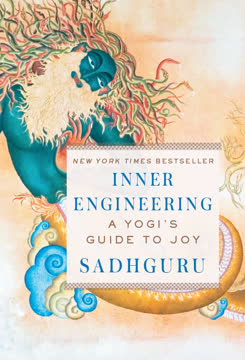
核心要点
1. 瑜伽:内在幸福与终极合一的科学
“瑜伽,简而言之,就是创造你所期望的内在状态的科学。”
整体观念。 瑜伽不仅仅是身体锻炼或一套信仰体系,而是一门涵盖身、心、情绪与能量多重维度的内在转化科学。瑜伽的终极目标,是实现个体意识与宇宙意识的合一,进而达到绝对的幸福与自由状态。
转化的实用工具。 瑜伽提供多种修炼方法:
- 体式(Asanas):促进身体健康与调整
- 调息(Pranayama):提升心智清晰与能量管理
- 冥想:获得内心平静与自我觉悟
- 内行(Kriya):激活能量,促进灵性成长
持续练习这些方法,能够深刻改变个人的感知、体验及整体生活质量。
2. 责任与有意识回应的力量
“承担责任并非替代指责,而是有意识地回应当下情境。”
责任带来的赋能。 承担责任不是负担或责备,而是认识到我们能够主动回应生活中的各种状况。这种视角的转变,使我们能够塑造自身经历和结果,而非被环境所左右。
有意识回应与冲动反应的区别。 关键在于:
- 觉察:关注自己的思想、情绪与行为
- 选择:意识到我们拥有回应的自由
- 结果:理解选择对自己和他人的影响
通过培养有意识的回应,我们能打破习惯性模式,创造更积极、充实的人生。这种方法带来更高的情绪智力、更好的人际关系和整体幸福感。
3. 心智作为工具:从局限到解放
“一旦你错误地将非自我的事物认同为自己,生活便陷入无谓的挣扎。”
理解心智的本质。 心智是强大的工具,但当我们过度认同它时,也会成为限制和痛苦的根源。需明白:
- 心智不是你,而是你的一部分
- 思想与情绪非事实,而是短暂的体验
- 理智有助于生存,但难以把握终极实相
超越心智的局限。 解放的修炼包括:
- 培养觉察:观察思想而不执着
- 保持平衡:在心智波动中保持宁静
- 探索更高维度:通过冥想进入超越思维的境界
掌控心智而非被其奴役,我们便能触及更深层的智慧、创造力与喜悦。此转变使心智成为成长与探索的工具,而非习惯模式的牢笼。
4. 身体:通往更高维度的门户
“肉体是从粗糙到神圣一切可能性的舞台。”
身体作为转化的载体。 人体不仅是生物机器,更是感知和体验更高实相的精密工具。要点包括:
- 身体与宇宙紧密相连
- 身体修炼可引发灵性洞见
- 身体的良好维护对灵性成长至关重要
发挥身体潜能。 瑜伽中的身体转化实践:
- 体式:调整身体几何与宇宙几何相合
- 合理饮食:促进身心灵的最佳状态
- 能量工作:激活并平衡身体的微妙能量系统
以敬畏之心对待身体,利用其作为灵性探索的工具,我们能开启超越凡俗的非凡潜能与体验。
5. 业力:理解与超越生命模式
“业力只是你自身的创造,既非善亦非恶。它如同软件,若你能超脱其中,便能加以利用。”
业力的本质。 业力非命运或惩罚,而是过去行为积累的印记,塑造了当下的倾向与经历。理解业力需:
- 识别生命中的模式
- 承担选择的责任
- 将业力视为成长的工具,而非负担
打破业力循环。 超越策略包括:
- 有意识的行动:带着觉知与意图行事
- 无执着:行动而不执着结果
- 冥想:在内心与业力模式保持距离
- 内行瑜伽(Kriya Yoga):运用内在能量消解业力印记
通过理解并有意识地运用业力,我们能摆脱重复的模式,创造更有意义和满足的人生,获得更大的自由、创造力与本真契合。
6. 虔诚:通向无限扩展的道路
“虔诚非行为,亦非指向某物;虔诚的对象无关紧要。虔诚使你融解所有抵抗,神性便如呼吸般自然流露。”
虔诚的本质。 瑜伽中的虔诚非盲目信仰或崇拜,而是对生命本身的开放与接纳。它包含:
- 融解自我界限
- 培养敬畏与惊奇之心
- 全然拥抱生命
修炼虔诚。 培养虔诚心态的方法:
- 感恩:珍惜生命的馈赠
- 服务:无私为他人付出
- 放下:舍弃自我驱动的欲望与恐惧
- 巴克提瑜伽(Bhakti Yoga):将情感导向神性
拥抱虔诚,我们超越自我限制,体验与万有的深刻连接。这条道路带来喜悦、自由与超越个人成就的深层满足。
7. 能量与加持:驾驭生命的力量
“拥有必要的技术,你能将周围的空间转化为神圣的欢愉。你甚至能将一块石头变成神祇,这便是加持的现象。”
理解能量。 瑜伽视能量(Prana)为万物存在的根本力量。核心理念:
- 万物本质上是不同形态的能量
- 人类可以学习感知并操控能量
- 能量可用于疗愈、成长与灵性转化
加持与圣地。 瑜伽创造充满能量环境的科学:
- 寺庙与圣地作为能量蓄电池
- 加持方法:咒语、仪式、能量安置(Prana Pratishtha)
- 在加持空间中停留的益处
通过理解并运用能量,我们能创造强大的个人与集体转化工具。加持空间成为灵性成长的催化剂,为瑜伽与内在探索者提供实质支持。
读者评价
《内在工程》整体评价积极,因其实用的灵性与自我提升方法而备受赞誉。读者欣赏萨古鲁对复杂概念的简明阐释,以及他强调体验式学习的理念。有些人认为此书具有改变人生的力量,亦有人批评其内容模糊,缺乏科学依据。全书分为理论与实践两部分,许多读者尤其认为后半部分关于身体、心灵与能量的内容颇具启发性。一些评论指出,本书可作为深入灵修的入门读物。
其他人还在读






常见问题
What's Inner Engineering: A Yogi's Guide to Joy about?
- Inner Transformation Focus: The book emphasizes self-transformation as the key to achieving joy and well-being, presenting yoga as a profound science of inner engineering.
- Two-Part Structure: It is divided into two sections; the first part explores fundamental insights about life, while the second part offers practical tools for personal transformation.
- Experiential Approach: Sadhguru shares personal experiences and insights, encouraging readers to engage with the material through practice rather than mere intellectual understanding.
Why should I read Inner Engineering: A Yogi's Guide to Joy?
- Practical Guidance: The book provides practical tools and techniques for self-exploration and transformation, suitable for anyone seeking personal growth.
- Holistic Perspective: It offers a holistic view of life, integrating physical, mental, and spiritual dimensions to help readers achieve a balanced and fulfilling life.
- Accessible Wisdom: Sadhguru presents complex spiritual concepts in an accessible manner, making them relatable to modern readers.
What are the key takeaways of Inner Engineering: A Yogi's Guide to Joy?
- Self-Transformation is Essential: True well-being comes from within and requires a shift in perception and experience of life.
- Understanding the Mind: Mastering the mind and emotions is crucial, as they should serve us rather than control us.
- Joy as a Foundation: Joy is presented as the essential backdrop for a fulfilling life, turning challenges into opportunities for growth.
What are the best quotes from Inner Engineering: A Yogi's Guide to Joy and what do they mean?
- “The only solution for all the ills that plague humanity is self-transformation.”: External changes are insufficient; true change must come from within.
- “The way out is in.”: Introspection and inner exploration are keys to overcoming life's challenges and achieving joy.
- “Joy is a rare visitor in most people’s lives.”: Many struggle to maintain joy, highlighting the need to actively cultivate it.
How does Sadhguru define yoga in Inner Engineering: A Yogi's Guide to Joy?
- Union with Existence: Yoga is the science of creating a union with existence, transcending physical and mental limitations.
- Not Just Physical: It is not merely about physical postures but about aligning oneself with the deeper aspects of life.
- Path to Self-Realization: Yoga is a path to self-realization, where one can experience the interconnectedness of all life.
What is the significance of the term "guru" in Inner Engineering: A Yogi's Guide to Joy?
- Dispeller of Darkness: A guru is a "dispeller of darkness," helping illuminate the deeper aspects of existence.
- Not a Teacher: The role of a guru is to guide individuals toward their own inner experience and understanding, not to indoctrinate.
- Roadmap for Exploration: The guru serves as a roadmap for navigating the inner dimensions of life, helping seekers avoid potential pitfalls.
What practices does Sadhguru recommend in Inner Engineering: A Yogi's Guide to Joy?
- Sadhana: Various spiritual practices are included to help readers implement the concepts discussed, encouraging self-exploration and transformation.
- Surya Namaskar: The importance of Surya Namaskar (Sun Salutation) is highlighted as a way to harmonize the body and mind.
- Mindfulness and Awareness: Mindfulness in daily activities is advocated, encouraging attention to thoughts, emotions, and bodily sensations.
How does Inner Engineering: A Yogi's Guide to Joy address the concept of well-being?
- Inner Pleasantness: Well-being is defined as a deep sense of pleasantness within, essential for a fulfilling life.
- Connection to the Body: Physical health and mental clarity are foundational to achieving a state of well-being.
- Responsibility for Experience: Readers are encouraged to take responsibility for their inner state, recognizing that thoughts and emotions shape their life experience.
What is the concept of kundalini in Inner Engineering: A Yogi's Guide to Joy?
- Latent Energy: Kundalini is described as a coiled energy within every human being, symbolized by a snake, largely dormant until awakened.
- Path to Transcendence: Awakening kundalini is essential for transcending physical limitations and experiencing higher states of consciousness.
- Connection to Spirituality: The rising of kundalini energy is crucial for accessing deeper spiritual dimensions, allowing life beyond the ordinary.
How does Sadhguru suggest we manage our thoughts and emotions in Inner Engineering: A Yogi's Guide to Joy?
- Mastering the Mind: Taking charge of the mind is crucial, using it as a tool rather than allowing it to control us.
- Awareness of Patterns: Observing thought patterns and emotional responses fosters a deeper understanding of inner workings.
- Transformative Practices: Practices are offered to transform negative thought patterns and emotional states into positive experiences.
How does Inner Engineering: A Yogi's Guide to Joy explain the relationship between body and mind?
- Interconnectedness: The body and mind are deeply interconnected, influencing each other in various ways.
- Impact of Thoughts: Thoughts can affect physical health and vice versa; negative patterns can lead to ailments, while a healthy body promotes a positive mindset.
- Holistic Approach: A holistic approach to health is advocated, considering both body and mind for a balanced and fulfilling life.
What is the significance of fasting in Inner Engineering: A Yogi's Guide to Joy?
- Detoxification and Awareness: Fasting is a method for detoxifying the body and enhancing awareness, allowing nourishment beyond physical food.
- Spiritual Tradition: Rooted in spiritual traditions, fasting is often aligned with lunar cycles, enhancing its effectiveness as a spiritual practice.
- Breaking Compulsions: Fasting helps break compulsive eating patterns, encouraging mindfulness around food and a conscious approach to nourishment.