核心要点
1. 利基市场对自筹资金的创业公司至关重要
如果你想自筹资金创业,必须选择一个利基市场。
利基优势。 专注于利基市场使自筹资金的创业公司能够:
- 避免与资金雄厚的大公司竞争
- 通过精准营销锁定特定受众
- 成为某一特定问题的首选解决方案
- 因专业化而能够收取更高价格
- 更容易实现口碑传播
寻找利基。 识别可行利基的方法包括:
- 探索个人兴趣、爱好和工作经验
- 利用网络资源调研职业和行业
- 寻找存在特定痛点的未被充分服务的市场
- 通过关键词研究工具和竞争对手分析验证需求
2. 产品成功依赖市场、营销与执行
产品是最后,营销是第一。
成功三角。 一个成功的产品依赖于三大关键要素:
- 市场:愿意为你的解决方案买单的人群
- 营销:有效触达并说服目标受众
- 执行:构建、销售及支持产品
市场优先策略。 在开发产品之前应:
- 确定具有具体问题的目标市场
- 通过调研和测试验证需求
- 制定营销策略以触达受众
- 创建最小可行产品(MVP)以测试假设
3. 通过邮件列表、博客或播客建立受众
电子邮件是最普及的在线沟通工具,甚至超过了曾经和现在的“热门”话题如博客、RSS、推特和脸书。
建立受众。 培养忠实粉丝带来:
- 与潜在客户的直接沟通渠道
- 反馈和产品改进的机会
- 推出新产品或功能的平台
- 在利基市场中提升信誉和权威
受众建设策略:
- 邮件营销:提供有价值内容换取邮箱地址
- 博客:持续发布有帮助且相关的内容
- 播客:为喜欢听内容的受众制作音频节目
- 视频博客:用视觉内容和演示吸引观众
4. 搜索引擎优化对持续流量至关重要
链接建设才是SEO的真正工作。
SEO重要性。 自然搜索流量带来:
- 可持续的长期网站访问者
- 积极寻找解决方案的高度精准潜在客户
- 相较付费广告更具成本效益的营销方式
SEO策略:
- 页面优化:提升页面标题、元描述和内容质量
- 链接建设:获取相关网站的高质量反向链接
- 内容创作:开发有价值且关键词优化的内容
- 技术SEO:确保网站结构合理、加载速度快且移动友好
5. 利用虚拟助理加速增长并节省时间
做那些你可以花6美元让别人完成的任务,是对创业者时间的浪费。
虚拟助理优势。 使用虚拟助理让创业者能够:
- 专注于推动业务增长的高价值任务
- 减少行政工作所花时间
- 在不雇佣全职员工的情况下扩大运营
- 以最低投入测试新想法和流程
虚拟助理任务。 常见工作包括:
- 客户支持和邮件管理
- 研究和数据录入
- 社交媒体管理
- 内容创作与编辑
- 基础平面设计和网站更新
6. 在全面开发前快速且低成本测试产品想法
用关键词工具估计需求是一回事,观察真实访客点击、浏览、尝试或购买则是完全不同的体验。
快速测试。 在全面开发前验证产品想法的方法:
- 创建带有产品信息和定价的“迷你销售网站”
- 利用按点击付费广告引入精准流量
- 跟踪访客行为和转化情况
- 收集感兴趣潜在客户的邮箱地址
测试好处:
- 降低开发不受欢迎产品的风险
- 节省开发时间和资源
- 获取客户偏好和行为洞察
- 为产品发布积累初始受众
7. 聚焦高质量且转化率高的流量来源
流量质量对网站将访客转化为客户的效果起着关键作用。
高质量流量。 优先选择那些:
- 与理想客户画像高度匹配的流量
- 已与品牌建立一定关系的用户
- 明确有解决问题意图的访问者
主要流量来源:
- 邮件列表订阅者
- 博客或播客粉丝
- 来自相关关键词的自然搜索流量
次要来源:
- 社交媒体粉丝
- 按点击付费广告
- 合作伙伴或联盟推荐
8. 定价策略影响市场定位与盈利能力
开发者往往低估软件价值,认为降价能带来更多销售,但事实通常并非如此。
定价考量:
- 市场认知:较高价格往往传递更高质量信号
- 客户价值:基于解决的问题定价,而非开发成本
- 竞争分析:相对于替代品定位价格
- 盈利能力:确保价格覆盖成本并保持可持续利润
定价策略:
- 分层定价:提供多种方案,价值递增
- 价值定价:根据客户感知价值设定价格
- 心理定价:采用如.99或.97结尾的定价技巧
- 免费增值:提供免费基础版,付费升级
9. 销售网站应有明确行动号召并捕获潜在客户
你的首要目标,甚至超过销售产品,是将浏览者转化为潜在客户。
高效销售网站:
- 每页都有清晰显著的行动号召
- 提供有价值的内容换取邮箱地址
- 用有说服力的文案和视觉展示产品优势
- 通过客户评价和案例展示社会认同
关键网站元素:
- 传达独特价值主张的吸引人标题
- 清晰的产品描述和功能介绍
- 价格信息及购买选项
- 解答常见异议的FAQ
- 简便的联系方式表单
10. 发布策略对初期销售和势头影响巨大
没有上述某种变体,你第一周卖出10个授权都算幸运。
有效发布策略:
- 制造期待:预告产品并提供早鸟优惠
- 利用受众:通知邮件订阅者和粉丝
- 创造紧迫感:限时折扣或赠品
- 跟进提醒:促销结束前发送提醒邮件
- 收集反馈:鼓励早期用户提供评价
发布好处:
- 产生初期销售势头
- 制造话题和口碑传播
- 获取宝贵反馈以改进产品
- 为未来营销建立信誉和社会认同
读者评价
《从小做起,稳步前行》评价褒贬不一,平均评分为3.96分(满分5分)。读者普遍认可其为初创小企业开发者提供的实用建议,尤其强调聚焦细分市场和自力更生的策略。许多人认为书中的原则依然适用,称赞其对创业的直截了当的阐述。然而,也有不少评论指出内容显得过时,尤其是在技术和营销策略方面。一些读者建议对书籍进行更新,以适应当今快速变化的科技环境。尽管年代久远,许多读者仍推荐此书,认为其在市场调研、营销和商业基础方面的核心见解具有重要价值。
其他人还在读
 沉浸式
沉浸式
常见问题
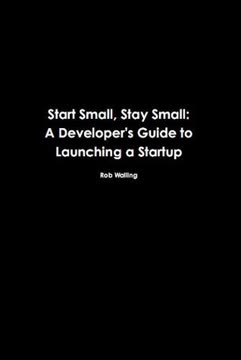
What's "Start Small, Stay Small" about?
- Target Audience: The book is aimed at developers who want to launch a startup without outside funding, focusing on real developers solving real pain points.
- Core Focus: It emphasizes building and launching a successful software, web, or mobile startup with no external funding.
- Avoids Venture Topics: It intentionally avoids topics related to venture-backed startups, such as securing funding and investor pitches.
- Practical Approach: The book provides a step-by-step guide to getting a startup off the ground, focusing on practical advice without filler content.
Why should I read "Start Small, Stay Small"?
- Realistic Approach: It offers a realistic approach for developers who can't relocate to startup hubs or work 70-hour weeks for low pay.
- Niche Focus: The book highlights the importance of finding and targeting niche markets, which are often overlooked by larger competitors.
- Self-Funding Emphasis: It provides strategies for building a startup without relying on venture capital, which can be a distraction and limit market options.
- Actionable Advice: The book is filled with actionable advice, encouraging readers to underline, highlight, and take notes to implement the strategies effectively.
What are the key takeaways of "Start Small, Stay Small"?
- Market-First Approach: Emphasizes finding a market before building a product to ensure there is demand.
- Niche Importance: Stresses the importance of targeting niche markets to reduce competition and increase profitability.
- Self-Funding Benefits: Highlights the advantages of self-funding, such as maintaining control and focusing on modest success.
- Outsourcing and Automation: Encourages outsourcing and automating tasks to save time and focus on growth.
What is the Market-First Approach in "Start Small, Stay Small"?
- Market First: The approach prioritizes finding a market willing to pay for a product before developing it.
- Avoid Product-First: It contrasts with the Product-First Approach, where developers build a product without confirming demand.
- Sustainable Strategy: By focusing on existing demand, startups can avoid the high costs of creating demand.
- Testing Demand: The book suggests using tools like Google AdWords to test market demand before investing heavily in development.
How does "Start Small, Stay Small" define an entrepreneur?
- Visionary Role: An entrepreneur is described as a visionary who sees potential in an idea and creates a viable business.
- Micropreneurs and Bootstrappers: The book distinguishes between Micropreneurs, who prefer to remain solo, and Bootstrappers, who aim to grow a small team.
- Common Knowledge: It notes that 90% of the knowledge needed for Micropreneurship and bootstrapping is identical.
- Focus on Execution: Emphasizes the importance of execution, marketing, and finding a niche over the technical aspects of product development.
What is the Product Success Triangle in "Start Small, Stay Small"?
- Three Components: The triangle consists of product, market, and execution, each being crucial for success.
- Product as One-Third: The product is only one-third of the equation, contrary to the belief that it's the most important part.
- Market and Execution: A brilliant product with no market or execution is doomed, while a mediocre product with excellent marketing can succeed.
- Long-Term Mastery: The goal is to master all three components over time, but initial focus should be on market and execution.
Why does "Start Small, Stay Small" emphasize niches?
- Reduced Competition: Niches are often too small for large competitors, allowing startups to thrive with less competition.
- Higher Profit Margins: Niche markets allow for higher pricing due to less competition and more targeted solutions.
- Cost-Effective Marketing: Marketing to a niche is more cost-effective, as it's easier to reach a concentrated audience.
- Focused Product Development: A niche requires a narrow product focus, making it easier to create a product that perfectly fits the market's needs.
How does "Start Small, Stay Small" suggest testing a product idea?
- Mini Sales Site: The book recommends creating a mini sales site to test demand before full development.
- AdWords Campaign: Use Google AdWords to drive traffic to the site and gauge interest through clicks and sign-ups.
- Conversion Tracking: Track conversions to see how many visitors are willing to try or buy the product.
- Cost-Effective Testing: This approach allows for testing an idea for under $100, saving time and resources if the idea doesn't resonate.
What role do virtual assistants play in "Start Small, Stay Small"?
- Task Delegation: Virtual assistants (VAs) are used to handle tasks that the founder should not be doing, freeing up time for growth.
- Cost-Effective: VAs can be hired at a low hourly rate, making them a cost-effective solution for administrative and repetitive tasks.
- Proof of Concept: VAs can help in developing a proof of concept by handling manual tasks that don't need immediate automation.
- Post-Launch Support: After launch, VAs can assist with customer support, marketing, and other ongoing tasks to maintain the business.
How does "Start Small, Stay Small" view outsourcing and automation?
- Time-Saving: Outsourcing and automation are seen as crucial for saving time and focusing on growth.
- Initial Outsourcing: Tasks should be outsourced first to test processes before investing in automation.
- Cost-Effective: Hiring VAs or contractors for specific tasks can be more cost-effective than doing everything in-house.
- Focus on Core Activities: By outsourcing non-core activities, founders can focus on product development and marketing.
What are the best quotes from "Start Small, Stay Small" and what do they mean?
- "Market comes first, marketing second, aesthetic third, and functionality a distant fourth." This quote emphasizes the importance of finding a market before focusing on product features or design.
- "Product Last. Marketing First." Highlights the critical role of marketing in the success of a startup, even more than the product itself.
- "If you aren’t frantically underlining, highlighting or taking notes as you read each chapter, then I have not achieved my goal for this book." Reflects the author's intent to provide actionable, valuable content without filler.
- "The first time someone pays you for software you wrote, your head will nearly spin off its axis." Captures the excitement and validation of making a sale as a software entrepreneur.
What is the Ideal Launch plan in "Start Small, Stay Small"?
- Pre-Launch Engagement: Six months before launch, engage your audience through social media and a landing page to collect emails.
- Buzz Creation: Over the next six months, create buzz through guest blogging, social media updates, and community engagement.
- Email Notification: One week before launch, email your list with a special offer available only to them.
- Launch Day Sales: On launch day, send a final email to drive sales, leveraging the trust and anticipation built with your audience.