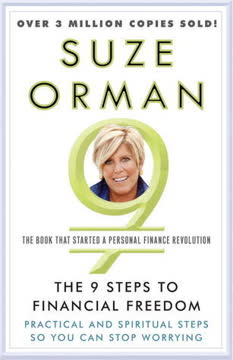
核心要点
1. 过去的金钱经历塑造你的财务未来
关于金钱的信息代代相传,像家里的老瓷器一样,斑驳而珍贵。
童年记忆至关重要。 我们最早的金钱体验往往奠定了成年后财务信念和行为的基础。这些记忆可能是积极的,也可能是消极的,但无一例外地影响着我们今天对待金钱的态度。
识别你的金钱故事。 花时间回想你最早与金钱相关的记忆,思考:
- 童年时收到过最好的礼物是什么?
- 朋友们有没有你没有的东西?
- 父母如何谈论金钱?
- 你是否为家里的经济状况感到羞愧或自豪?
理解这些形成性的经历,有助于你发现当前财务行为中的模式,并有意识地改变负面模式。
2. 面对财务恐惧,创造新的真相
赚得越多,花得越多。
直面焦虑。 许多人因恐惧或焦虑而回避理财。常见的财务恐惧包括:
- 钱不够用
- 失去一切
- 无法养家
- 投资失误
创造新的财务真相。 识别恐惧后,用积极、赋能的语句取代它们。例如:
- “我掌控着自己的财务未来。”
- “我有能力做出明智的财务决策。”
- “我能够积累财富和保障。”
每天重复这些新真相,重塑你的财务思维,克服令人瘫痪的恐惧。
3. 坦诚面对自己的财务状况
现实检验:扔掉一本四美元的杂志很容易;扔掉五美元的坏掉食物你可能会自责,但你可能经常这样做;买了一件三十美元的打折毛衣,六个月后只穿过一次,因为不合适,你就送人了。现在试着撕毁并扔掉一张一美元的钞票。
记录开支。 许多人低估了每月开销一千到一千五百美元。要准确了解情况:
- 查看过去两年的银行和信用卡账单
- 分类所有开支(如住房、食品、交通、娱乐)
- 计算每类的平均月支出
- 包括不定期开销(如年费订阅、季节性费用)
面对数字。 清楚了解开支后:
- 将实际开销与预估开销对比
- 找出过度消费的领域
- 寻找削减成本或重新分配资金的机会
- 根据真实财务状况制定切实可行的预算
4. 对所爱之人承担财务责任
生病或去世时,留下财务混乱让别人收拾,这绝非理想。
规划未来。 确保你已准备好:
- 遗嘱或生前信托
- 医疗持久授权书
- 充足的人寿保险
- 长期护理保险(如适用)
- 最新的遗产规划
考虑受益人。 不仅限于直系亲属,还要考虑:
- 前婚姻的子女
- 年迈的父母
- 兄弟姐妹或其他受抚养人
通过这些措施,你能保护亲人免受不必要的财务压力,确保你的意愿得以实现。
5. 尊重自己和金钱,吸引财富
尊重吸引金钱——不尊重则驱散财富。
珍惜金钱。 就像尊重自己一样,尊重你的钱:
- 保持钞票整洁有序
- 按时缴纳账单
- 避免不必要的费用和罚款
- 明智且持续地投资
最大化收益。 寻找让钱“生钱”的方法:
- 比较储蓄账户利率
- 考虑高收益储蓄选项
- 通过合理规划减少税负
- 利用雇主退休账户的配套资金
尊重金钱,能营造积极的财务能量,吸引更多财富进入你的生活。
6. 相信自己胜过他人,做出财务决策
先信任内心,再付诸行动。
培养财务直觉。 虽然寻求建议重要,但最终你最了解自己的情况:
- 倾听内心对财务决策的感受
- 考虑投资是否符合你的价值观和目标
- 不要被迫做出不合适的决定
提升财务知识。 增强自我教育:
- 阅读权威的理财书籍和网站
- 参加讲座或研讨会
- 通过小额投资积累信心
记住,没有人比你更关心你的钱。相信直觉,承担财务责任。
7. 明智投资,实现长期财务增长
不知道买哪个基金,也不想研究经理人?指数基金是个好选择。
掌握投资基础。 关键概念包括:
- 分散投资
- 风险承受能力
- 资产配置
- 定期定额投资
考虑低成本选项。 指数基金和ETF优势明显:
- 费用低于主动管理基金
- 市场覆盖广泛
- 简单易管理
早起步,持之以恒。 复利的力量让小额定投也能积累可观财富。目标是:
- 最大化退休账户缴纳
- 每月自动投资
- 再投资分红和资本利得
8. 理解并有效管理债务
信用卡如同毒品,能带来虚假的快感,满足短暂欲望。
优先还清债务。 并非所有债务都一样:
- 高利率信用卡债务
- 个人贷款
- 学生贷款
- 房贷
减债策略:
- 雪崩法:先还小额债务,获得心理胜利
- 雪球法:先还高利率债务,节省利息
- 考虑债务合并或余额转移以降低利率
- 还债期间避免新增债务
记住,摆脱债务是迈向财务自由和财富积累的重要一步。
9. 及早教导孩子财务责任
今天的孩子将继承一个全球化、高科技、竞争激烈的世界。
从小开始。 财务教育应从童年起步:
- 发放适龄零花钱
- 教授预算和储蓄
- 公开讨论家庭财务
- 鼓励创业思维
利用实际体验。 实践是最有效的课堂:
- 带孩子一起购物,比较价格
- 帮助他们开设银行账户
- 讨论家庭活动或旅行的费用
规划大学教育。 可考虑:
- 529大学储蓄计划
- Coverdell教育储蓄账户
- UGMA/UTMA账户
通过早期培养良好财务习惯,为孩子未来的财务成功和独立奠定坚实基础。
读者评价
《通往财务自由的九个步骤》评价褒贬不一。许多读者认为本书有助于理解个人理财,并改变与金钱的关系。书中整体性的视角、关于遗产规划的实用建议以及对慷慨精神的强调,均受到赞赏。然而,也有人批评其内容有些过时,且过于聚焦于美国的金融体系。读者普遍认可奥尔曼将专业知识与情感洞察相结合的写作风格,但部分人对其带有灵性色彩的表达感到不适。总体来看,本书更适合已有一定财务基础的人群,而非陷入严重债务者。
其他人还在读
 沉浸式
沉浸式






常见问题
What's The 9 Steps to Financial Freedom about?
- Holistic Approach: The book combines practical financial advice with spiritual insights, aiming to help readers achieve financial freedom while fostering a healthy relationship with money.
- Nine-Step Framework: Suze Orman outlines a nine-step process that guides readers through understanding their financial situation, managing debt, investing wisely, and ultimately creating wealth.
- Emotional and Financial Focus: It emphasizes that true financial freedom involves mastering fears and anxieties related to money, not just accumulating wealth.
Why should I read The 9 Steps to Financial Freedom?
- Timeless Lessons: Despite being published in 1997, the lessons remain relevant, especially in light of recent financial crises, offering insights into the emotional aspects of money management.
- Comprehensive Financial Education: The book provides a thorough understanding of personal finance, covering topics such as debt management, investment strategies, and estate planning.
- Empowerment and Control: Orman’s approach encourages readers to take control of their financial destinies, helping them overcome fears and anxieties for a more secure life.
What are the key takeaways of The 9 Steps to Financial Freedom?
- Master Your Fears: Understanding and overcoming fears about money is essential for achieving financial freedom.
- Take Responsibility: The book stresses the importance of being responsible for your financial decisions and their impact on loved ones.
- Respect Your Money: Treating money with respect can attract more wealth and help manage finances better.
What are the nine steps outlined in The 9 Steps to Financial Freedom?
- Step 1: Seeing Your Past: Reflect on how past experiences with money shape current financial behaviors.
- Step 2: Facing Your Fears: Identify and confront fears related to money to create empowering truths.
- Step 3: Being Honest with Yourself: Assess your current financial situation, including income, expenses, and debts.
How does The 9 Steps to Financial Freedom address emotional aspects of money?
- Emotional Connection: Orman emphasizes that emotions significantly influence financial decisions, urging readers to understand their financial behaviors.
- Behavioral Finance: The book aligns with behavioral finance principles, exploring psychological factors affecting financial decision-making.
- Transformative Insights: By facing fears and understanding emotional triggers, readers can transform their relationship with money.
What is the importance of having a will and trust according to The 9 Steps to Financial Freedom?
- Protecting Loved Ones: A will and trust ensure that loved ones are taken care of after your death, avoiding financial chaos.
- Avoiding Probate Fees: Trusts help heirs avoid costly probate fees, preserving more of the inheritance.
- Control Over Assets: A trust allows you to specify asset management and distribution, providing peace of mind.
What are some practical financial strategies mentioned in The 9 Steps to Financial Freedom?
- Debt Management: Strategies for managing and reducing debt, emphasizing living within your means and prioritizing high-interest debts.
- Investment Basics: Covers fundamental investment principles, including diversification and understanding risk.
- Retirement Planning: Stresses the need to start saving for retirement early, discussing various retirement accounts and their benefits.
How does The 9 Steps to Financial Freedom define true wealth?
- Beyond Financial Assets: True wealth is not just money but also peace of mind and emotional well-being.
- Emotional Freedom: Includes freedom from financial worries and the ability to live life on your own terms.
- Legacy and Impact: Encourages thinking about the legacy you want to leave, making a positive impact on others.
What is the dollar cost averaging method mentioned in The 9 Steps to Financial Freedom?
- Investment Strategy: Involves dividing the total amount to be invested across periodic purchases of a target asset, reducing volatility impact.
- Consistent Contributions: By investing a fixed amount regularly, investors can buy more shares when prices are low and fewer when prices are high.
- Long-Term Growth: Mitigates the risk of investing a large amount at the wrong time, promoting a disciplined approach to investing.
How does The 9 Steps to Financial Freedom address debt management?
- Understanding Debt: Emphasizes recognizing the types of debt and their impact on financial freedom.
- Strategies for Repayment: Provides practical strategies for paying off debt, such as prioritizing high-interest debts.
- Emotional Impact of Debt: Discusses the psychological burden of debt and encourages facing financial realities to regain control.
What are the differences between a Roth IRA and a Traditional IRA as explained in the book?
- Tax Treatment: Traditional IRA contributions may be tax-deductible, but withdrawals are taxed; Roth IRA contributions are after-tax, allowing tax-free withdrawals.
- Withdrawal Rules: Traditional IRAs require minimum distributions starting at age 72, while Roth IRAs do not during the account holder's lifetime.
- Ideal Situations: Roth IRAs are recommended for younger individuals in lower tax brackets, while Traditional IRAs may benefit those seeking immediate tax deductions.
How can I maximize my retirement savings according to The 9 Steps to Financial Freedom?
- Start Early: Emphasizes the importance of beginning to save for retirement early to take advantage of compounding interest.
- Contribute to Employer Plans: Encourages contributing to employer-sponsored retirement plans, especially to receive any employer match.
- Diversify Investments: Advises diversifying retirement investments across various asset classes to balance risk and growth potential.