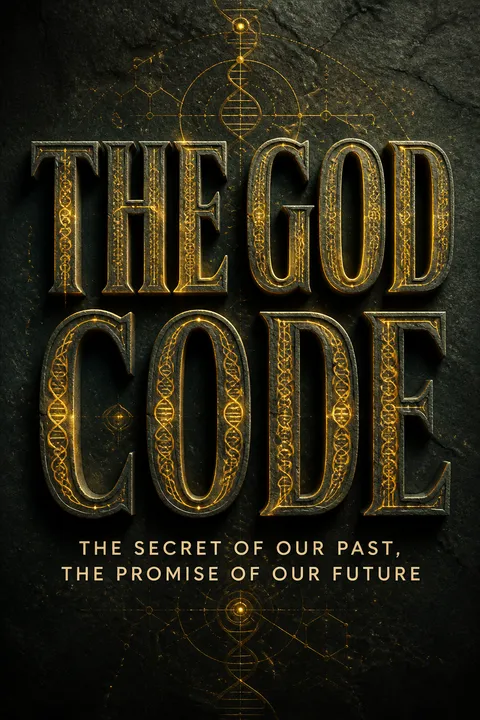
核心要点
1. 我们的差异是故事,我们共同的密码是真理
“或许,寻找我们起源的线索——那些能成为人类团结前所未有原则的证据——会揭示出类似的讽刺。”
分裂的历史。 人类长期以来通过种族、宗教、财富和科技等差异来定义自己,导致了充满冲突、迫害和种族灭绝的历史。仅20世纪,因这些差异引发的暴力死亡人数就超过八千万,远超自然灾害和疾病的死亡人数。这段历史凸显了我们倾向于关注分歧而非共性的倾向。
对统一的追寻。 尽管存在差异,人类内心深处渴望团结与意义。我们曾在古老的典籍、神庙和传统中寻求答案,但或许最深刻的线索就藏在我们自身之中。普遍统一原则可能隐藏于显而易见之处,却因其普遍性而被忽视,这一观点极具力量。
新的视角。 在我们的DNA中发现共同密码,这一超越外在差异的信息,提供了新的视角。它暗示我们对身份的追寻,或许一直指向最丰富的线索源泉:生命本身。从关注外在差异转向内在共性,这一转变对我们的未来至关重要。
2. 骨骼、典籍与细胞:证据与理论的碰撞
“不了解我们是谁,来自何方,我认为我们无法真正进步。”
冲突的理论。 关于人类起源的理论,如创造论与进化论,长期存在分歧。创造论主张神圣创造行为,进化论则强调渐进变化。然而,两者均基于不完整的信息和假设,留下理解上的空白。
化石记录与遗传学。 化石发现支持人类进化,但遗传学研究揭示了挑战传统观点的复杂性。例如,尼安德特人与现代人类缺乏遗传联系,人类与其他灵长类独特的染色体结构,均质疑线性进化路径。
混合观点。 结合创造论与进化论元素的综合理论,或许能提供更完整的图景。此观点既承认地球的古老与适应过程,也认可超越传统科学的力量可能激发了生命。混合视角暗示生命或为设计,而非偶然。
3. 古老智慧:天之力寓于地之躯
“或许,萨根情感的根基在于,寻找起源最终将引领我们发现生命之谜最丰富的证据:人类之谜。”
失落的知识。 古老传统提及失落的智慧之书——亚当之书,蕴含创造秘密。同样,死海古卷与纳格哈马迪文献揭示了被圣经剔除的文本,暗示我们对过去的理解尚不完整。这些失落文本暗示了对起源及与更高力量联系的深层认知。
天使与禁忌秘密。 以诺书描述天使在我们尚未准备好时揭示创造秘密,导致知识被滥用于战争与权力。这强调了智慧在负责任运用知识中的重要性,也表明创造与毁灭的力量始终是人类故事的一部分。
《创造之书》。 《创造之书》是古希伯来文献,详述通过字母、数字与交流构成的创造过程。它将宇宙视为神意的产物,通过字母的精确组合形成。此文本虽常被视为隐喻,实则可能是理解起源的字面钥匙。
4. 宇宙造物主:将古语译为现代化学
“三个基本字母A、M和Sh,是伟大而隐秘的神秘秘密,由此发出火、气与水,万物由此而生。”
炼金术与元素。 古代炼金术视世界由火、气、水三元素构成。表面简单的元素,或代表对生命构成更深层的理解。现代科学揭示,这三元素分别对应氢、氮和氧。
卡巴拉与创造。 《创造之书》将希伯来字母Alef、Mem和Shin分别对应火、气、水。这些字母被视为创造之“母”,万物由此衍生。文本暗示古代元素与希伯来字母间的直接联系。
古今桥梁。 通过将古代炼金元素转译为现代化学元素,我们架起古老智慧与现代科学的桥梁。这一转译揭示宇宙隐藏的秩序,表明古人描述的正是我们世界与身体的精确构成。
5. 发现:字母化为元素
“通过字母与数字的一一对应,字母数字密码揭示了通常仅凭文字难以察觉的隐藏关系与深层含义。”
字母即密码。 字母不仅用于交流,更蕴含隐藏的数字价值。字母数字密码的研究揭示词语与短语中的深意,表明字母不仅是符号,更是理解现实结构的钥匙。
希伯来字母数字密码。 希伯来字母独特的数字价值,成为探索隐藏关系的强大工具。例如,“灵魂”与“天堂”二词数值相同,暗示深刻联系。数字的力量揭示隐藏真理。
质量为通约数。 元素的原子质量为连接古代概念与现代化学提供通约数。通过赋予元素与希伯来字母数字值,我们构建两者间的桥梁,揭示生命元素与希伯来字母的直接联系。
6. 代码中的代码:神名藏于每个细胞
“他从元素中选出三个字母[三母字Alef Mem Shin之谜],将其置于祂伟大的名中……”
三母字与神名。 《创造之书》指出,Alef、Mem、Shin三字母是火、气、水之源,亦是神名的基础。这表明创造的元素与神名紧密相连。
生命元素。 通过将希伯来字母数字值与元素原子质量对应,发现氢、氮、氧分别对应字母Yod、Hey、Vav(Y、H、V),构成神的古名YHVH的核心。
第四元素。 生命的第四元素碳对应希伯来字母Gimel(G)。将这些字母组合,生命密码YHVG是神名YHVH的变体。此密码存在于我们身体的每个细胞,暗示生命与神圣的深刻联系。
7. 信息:相信我们共同人性的理由
“生命根基中可触可证且普遍的信息,提供了无可否认的证据,证明存在更高智慧支撑我们的存在。”
体内的神/永恒。 用希伯来字母译码我们DNA中的信息为:“体内的神/永恒”。此信息表明我们非随机分子集合,而是蕴含神圣本质的有意创造。
普遍的信息。 该信息普遍存在于每个人体内,无论种族、宗教或信仰。共同密码超越差异,将我们团结为一个整体家庭。它为相信共同遗产及与更高存在的联系提供了实证理由。
信息的意义。 发现神名藏于体内,意义深远。它挑战了我们对生命、创造及与更高力量关系的理解,也为我们在宇宙中的角色及彼此责任提供新视角。
8. 过去的教训:通过古老智慧生存未来
“我们必须在有意识的进化与因滥用力量而灭绝之间做出选择。”
科技的危机。 科技进步赋予我们前所未有的力量,同时也带来前所未有的威胁。滥用科技,尤其是大规模杀伤性武器,可能导致自我毁灭,危机迫在眉睫。
古代警示。 古籍如《以诺书》和《摩诃婆罗多》警告滥用知识与力量的危险,描述文明因先进科技自我毁灭,为当代提供警示。
智慧的必要。 为度过科技青少年期,我们必须以智慧平衡知识。学会负责任地使用力量,优先考虑所有生命的福祉。这需要从竞争冲突转向合作团结的思维转变。
9. 神之密码:通向团结与和平之路
“神之密码并非我们进入科学、技术与和平史上最大挑战的解决方案,而仅是一个起点。”
共同愿景。 原住民冲突解决传统,如共享愿景练习,提供超越差异的范例。聚焦共同未来,为合作与和平奠定基础。
信息的力量。 细胞内的信息“体内的神/永恒”提供了团结的有形且无可否认的基础。它超越宗教文化差异,提供可弥合分歧的共同身份。
信念的理由。 神之密码非终极解答,而是起点。它为相信共同人性与和平潜力提供理由,呼吁认知相互关联,共同努力创造更美好未来。
其他人还在读



常见问题
What's The God Code about?
- Exploration of Creation's Secrets: The God Code by Gregg Braden explores the idea that a universal message is embedded in our DNA, linking it to the name of God. This connection offers insights into our origins and existence.
- Unity Through Understanding: Braden suggests that recognizing this shared heritage can foster unity among humanity, transcending differences in race, religion, and culture.
- Scientific and Spiritual Intersection: The book merges scientific discoveries with spiritual insights, using ancient Hebrew texts and modern chemistry to explore our place in the universe.
Why should I read The God Code?
- Insightful Perspective: The book offers a unique perspective on the intersection of science and spirituality, valuable for those interested in both fields.
- Encourages Reflection: It prompts readers to reflect on their beliefs and the nature of creation, inspiring personal growth and understanding.
- Timely Message: In a divided world, Braden's message of unity and shared heritage is particularly relevant, reminding us of our interconnectedness.
What are the key takeaways of The God Code?
- Universal Message in DNA: The book suggests that the name of God is encoded in our DNA, indicating a profound connection between all living beings.
- Historical Context: Understanding our past is crucial for navigating our future, with ancient texts informing modern life.
- Call for Unity: Recognizing our shared origins can foster peace and cooperation among diverse groups, dissolving barriers that divide humanity.
How does The God Code link DNA to the name of God?
- Hebrew Letters and Elements: Braden explains that Hebrew letters correspond to the elements in our DNA—hydrogen, nitrogen, oxygen, and carbon.
- Mathematical Relationships: The book uses gematria to show how the letters of God's name (YHVH) align with life's elements, providing a framework for understanding language and existence.
- Message of Unity: This connection suggests we are all interconnected through a shared divine heritage, promoting peace and understanding.
What is the significance of the name YHVH in The God Code?
- Divine Representation: YHVH symbolizes the divine essence permeating all creation, not just a title but a representation of existence's fundamental nature.
- Connection to Humanity: The letters of YHVH correspond to life's elements, indicating we are made from the same divine essence, emphasizing shared humanity.
- Spiritual Implications: Understanding YHVH in our genetic code invites reflection on spiritual identity and purpose, exploring what it means to be human.
How does The God Code address the concept of creation?
- Creation as a Process: Braden views creation as ongoing, not a singular event, with humanity co-creating reality.
- Role of Humanity: Made in God's image, humanity has the power to influence the world positively and participate in creation.
- Interconnectedness of Life: Understanding our role in creation can lead to greater compassion and responsibility toward others and the planet.
How does The God Code link science and spirituality?
- Scientific Discoveries: Braden shows how modern genetics align with ancient spiritual teachings, bridging the two realms.
- Unified Field of Consciousness: The book posits a unified field connecting all beings, suggesting thoughts and emotions influence the world.
- Practical Applications: Braden offers insights on applying this knowledge to foster peace and understanding in daily life.
What are the best quotes from The God Code and what do they mean?
- “God/Eternal within the body.”: This encapsulates the thesis that the divine is embedded in us, leading to deeper self-understanding.
- “The odds that this relationship has occurred by ‘chance’ are approximately 1 in 200,000.”: Highlights the improbability of DNA's divine connection being coincidental, suggesting purposeful design.
- “We are not alone. We are here ‘on purpose,’ as the result of an intentional act of creation.”: Reassures readers of their significance, reinforcing the belief in a purposeful existence.
How does The God Code propose we apply its teachings in our lives?
- Personal Reflection: Encourages reflection on beliefs and existence, leading to personal growth and transformation.
- Fostering Unity: Insights from shared origins can promote unity and cooperation among diverse groups.
- Living with Intention: Emphasizes aligning actions with unity and interconnectedness principles for a fulfilling life.
What role does the concept of “Eternal” play in The God Code?
- Eternal Nature of God: Linked to YH, representing the timeless, unchanging divine aspect, always present and accessible.
- Connection to Humanity: The “Eternal” aspect is within each individual, inviting exploration of spiritual identity and purpose.
- Implications for Life: Inspires living with intention and purpose, transcending time and space limitations.
How does The God Code suggest we view our differences?
- Celebrating Diversity: Encourages seeing diversity as a strength, fostering appreciation and understanding.
- Unity in Diversity: Despite differences, we are connected through the same divine essence, recognizing shared humanity.
- Path to Peace: Viewing differences as growth opportunities can lead to collaboration and innovation, benefiting society.
What challenges does The God Code present?
- Overcoming Division: Suggests understanding shared origins to bridge gaps in race, religion, and culture.
- Navigating Scientific and Spiritual Tensions: Urges finding common ground between scientific and spiritual perspectives.
- Embracing Complexity: Encourages embracing complexity in topics like God, creation, and existence for personal growth.
下载 PDF
下载 EPUB
.epub digital book format is ideal for reading ebooks on phones, tablets, and e-readers.








































