核心要点
1. 投资自己:技能是你最宝贵的资产
凡因生活所迫离开故土的人,都必须从零开始。
培养有价值的技能。 从无到有积累财富的根基在于掌握能提升你社会价值的技能。任何能为你带来收入的技能都是宝贵的。比如写作、编程、演讲、设计或领导力。当你能掌握任何一项技能时,就能灵活应对世界的需求。
采用“技能跳板”框架:
- 发挥你的天赋优势
- 向最优秀的人学习
- 在导师指导后独立突破
- 尽力而为,但不过度消耗自己
通过投资自己,你建立了稳定的赚钱能力,无论市场如何波动,技能始终是你最可靠的财富。
2. 理解市场原则:收益、宏观因素与心理
收益,收益,还是收益。
股市背后有三大驱动力:
- 收益:长期股票表现的核心因素
- 宏观因素:经济衰退、地缘政治、战争、自然灾害、利率及系统性问题
- 集体心理:市场情绪在恐惧与贪婪间摇摆
理解这些原则,能帮助投资者自信应对市场波动,做出更明智的决策。股市长期理性,但短期因上述因素常表现出非理性。
3. 坚持是关键:让投资成为习惯
投资是一种习惯,而非一次性任务或活动。
自动化投资。 设定规则,比如每月固定金额投资于标普500指数基金,不因市场波动随意调整。根据自身情况决定可投资金额。
从小额开始,逐步增加。 即使已有较多积蓄,也应先从小额投资开始,适应市场波动,逐渐加码。
- 每月投资你不会感到缺失的金额
- 注重持续性,而非追求最高回报
- 牢记持续小额投资胜过偶尔大额投入
4. 接受短期亏损,换取长期收益
当一家基本面良好的公司因某种原因暂时失宠时,正是买入的最佳时机。
拥抱暂时的挫折。 短期亏损是投资的自然组成部分。接受它们,才能坚持策略,实现长期成功。
应对财务损失的三步法:
- 不让别人看到你的慌张:保持内外镇定
- 市场崩盘时不轻举妄动:避免恐慌性决策
- 有能力时加码投资:利用低价买入机会
亏损只有在卖出时才成为永久。坚持持有,方能享受长期增长红利。
5. 通过纪律投资避免永久亏损
华尔街的成功是赚最多的钱,我们的成功是拥有最好的生活。
遵循三条斯多葛投资原则:
- 投资你了解的资产
- 不用借来的钱投资,避免过度风险
- 用长期不用的钱投资,给予时间成长
遵守这些原则,能最大限度降低永久亏损风险,铺就长期成功之路。财富积累更快的秘诀是避免亏损,而非盲目追求高回报。
6. 贪婪不可取:追求中庸之道
财富的适当衡量标准?最好的衡量是拥有必需品,其次是足够。
在财富追求中找到平衡。 斯多葛哲学倡导在放弃财富与过度追求之间取中庸,这种平衡帮助你避免贫穷与贪婪的陷阱。
两项斯多葛练习以中和贪婪:
- 只渴望你能掌控的事物
- 适度节制,从饮食开始
通过节制和专注于可控因素,你能建立更健康的金钱观,长期获得更大满足与财务稳定。
7. 让复利发挥魔力
人们面对早已准备好的风险更有勇气,即使环境严酷,也能提前预想并抵御。
优化时间回报率(ROT)。 关注时间的价值,而非过度纠结财务回报。让资金自然复利增长,避免频繁干预。
复利投资建议:
- 现在就开始投资,别拖延
- 避免高额费用侵蚀收益
- 长期持有,享受指数级增长
复利被誉为“世界第八大奇迹”绝非偶然。时间是你最强的盟友。
8. 信任自己的判断,坚持策略
即使是世界最伟大的投资导师,若频繁干预你的交易节奏,也可能成为阻碍。
培养独立思考。 随着知识和经验积累,学会信任自己的判断,而非一味依赖他人,哪怕是专家。
提升判断力的策略:
- 追求纯粹判断:基于事实而非情绪决策
- 与结果保持距离:专注于做出正确决策,而非无法控制的结果
- 认识自身不足:诚实面对局限,发挥优势
信任判断,坚持策略,避免被市场噪音左右,保持投资稳定。
9. 斯多葛优势:投资中的情绪控制
努力获得的成果虽辛苦,但长久;为享乐而做的羞耻事虽快逝,但耻辱长存。
培养情绪纪律。 斯多葛优势是管理情绪、避免投资常见错误的能力,人人可达成,易于掌握。
斯多葛优势关键点:
- 市场波动时保持冷静
- 以理性而非情绪做决策
- 聚焦长期目标,淡化短期波动
拥有情绪控制力,你将在投资中占据显著优势,稳步积累财富。
10. 实施90/10法则,理性投机
不可能全年每天或每周都通过交易稳定赚钱。
平衡稳健与机会。 将90%资金配置于稳定的长期投资(如标普500指数基金),剩余10%用于高风险高回报的投机。
成功股市交易五大支柱:
- 交易频率低
- 止损控制在10%以内
- 不做摊平操作
- 避免购买热门资产
- 20%利润即止盈
此法既能追求潜在高收益,又保持财富基础稳固。
11. 像斯多葛哲学家一样退休:持续持股
我们也应保持灵活,不要过分依赖既定计划。
退休后保持股票配置。 与传统观念相反,退休期间持有股票有助于实现更好长期回报,保护财富。
斯多葛退休要点:
- 若想降低波动,可考虑60%股票、40%债券组合
- 采用每月提款,避免市场低迷时被迫卖出
- 根据市场和个人需求灵活调整提款比例
退休非投资终点,保持平衡持股,持续增长财富,保障晚年财务安全。
其他人还在读
常见问题
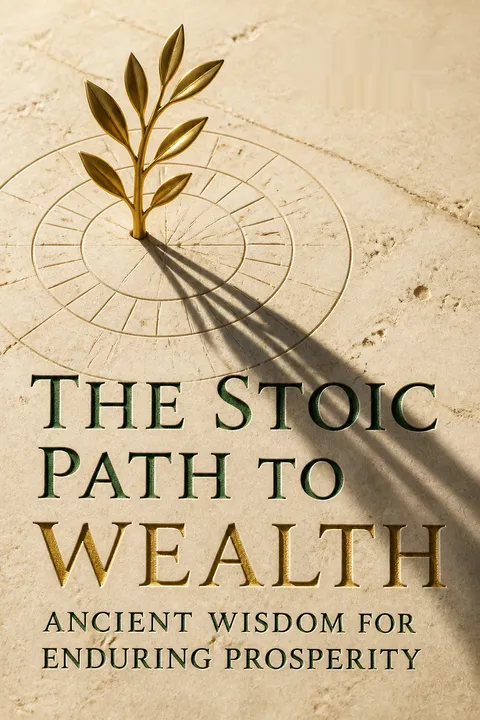
What's "The Stoic Path to Wealth" about?
- Overview: "The Stoic Path to Wealth" by Darius Foroux combines ancient Stoic philosophy with modern financial strategies to guide readers toward enduring prosperity.
- Core Concept: The book emphasizes the importance of mastering emotions, investing wisely, and building wealth through consistent, disciplined actions.
- Structure: It is divided into principles and steps that align Stoic teachings with practical financial advice, aiming to help readers achieve both financial and mental peace.
- Target Audience: The book is ideal for those interested in personal finance, investing, and philosophy, particularly those who seek a balanced approach to wealth building.
Why should I read "The Stoic Path to Wealth"?
- Unique Approach: The book offers a unique blend of Stoic philosophy and financial wisdom, providing a holistic approach to wealth building.
- Practical Advice: It provides actionable steps and strategies that can be applied to everyday financial decisions, making it practical for readers at any stage of their financial journey.
- Emotional Mastery: By focusing on emotional control, the book helps readers develop the mental fortitude necessary for long-term financial success.
- Inspiration and Motivation: Through stories of successful investors and Stoic philosophers, the book inspires readers to pursue financial independence with integrity and resilience.
What are the key takeaways of "The Stoic Path to Wealth"?
- Invest in Yourself: Developing valuable skills is crucial for financial success and stability, as they provide a reliable means of earning money.
- Accept Loss: Embrace short-term losses as a natural part of the investment process, and focus on long-term growth and resilience.
- Compound Your Money: Let your money work for you by consistently investing and allowing it to grow over time through the power of compounding.
- Trust Your Judgment: Rely on your own informed decisions and avoid being swayed by external opinions or market noise.
How does Darius Foroux integrate Stoicism with investing in "The Stoic Path to Wealth"?
- Stoic Principles: The book applies Stoic principles such as emotional control, acceptance of loss, and focus on what can be controlled to the realm of investing.
- Practical Steps: Foroux outlines practical steps to build a "Stoic Edge" in investing, which includes investing in oneself, accepting loss, and compounding money.
- Philosophical Insights: The book provides insights from prominent Stoics like Seneca and Marcus Aurelius, relating their teachings to modern financial challenges.
- Long-term Focus: By merging Stoicism with investing, the book encourages a long-term perspective, emphasizing patience and consistency over quick gains.
What is the "Stoic Edge" mentioned in "The Stoic Path to Wealth"?
- Definition: The "Stoic Edge" is an advantage in investing that comes from mastering one's emotions and maintaining composure in volatile markets.
- Components: It involves three steps: investing in oneself, accepting loss, and letting money compound over time.
- Accessibility: Unlike other investment edges that require specific knowledge or resources, the Stoic Edge is attainable for every investor through emotional discipline.
- Benefits: Possessing a Stoic Edge helps investors stick to their strategies, avoid common mistakes, and build long-term wealth.
What are the three principles outlined in "The Stoic Path to Wealth"?
- Invest in Yourself: Focus on developing valuable skills that increase your earning potential and adaptability in the economy.
- Accept Loss: Understand that short-term losses are part of the investment journey and should not deter long-term goals.
- Compound Your Money: Allow your investments to grow over time by reinvesting returns and benefiting from the power of compounding.
How does "The Stoic Path to Wealth" suggest dealing with financial loss?
- Perspective Shift: View losses as temporary setbacks and an integral part of the wealth-building process.
- Emotional Control: Practice Stoic exercises to remain calm and composed during market downturns, avoiding impulsive decisions.
- Long-term Focus: Maintain a long-term perspective, recognizing that the market's overall trend is upward despite short-term fluctuations.
- Investment Strategy: Stick to a consistent investment strategy and consider buying more when the market is down, if financially feasible.
What is the 90/10 Rule of Speculation in "The Stoic Path to Wealth"?
- Definition: The 90/10 Rule of Speculation advises allocating 90% of your investment portfolio to stable, long-term assets and 10% to higher-risk speculative investments.
- Purpose: This rule allows investors to explore potentially high-reward opportunities without jeopardizing their overall financial stability.
- Risk Management: By capping speculative investments at 10%, investors limit potential losses while still participating in market opportunities.
- Application: The rule encourages disciplined trading and helps investors avoid the pitfalls of excessive risk-taking.
What are some of the best quotes from "The Stoic Path to Wealth" and what do they mean?
- "To build wealth in the stock market, I need to master my emotions." This quote emphasizes the importance of emotional control in successful investing.
- "When your finances are solid while your mind is peaceful, that’s true wealth." It highlights the book's core message that financial success should be accompanied by mental tranquility.
- "Invest in yourself: With your knowledge and skills, you will always be able to provide value in the economy." This underscores the importance of continuous self-improvement and skill development for financial security.
- "Accept loss: When you know how to lose and still avoid financial ruin, you will always preserve your wealth." It encourages resilience and a long-term perspective in the face of financial setbacks.
How does "The Stoic Path to Wealth" address the concept of greed?
- Balanced Approach: The book advocates for a balanced approach to wealth, avoiding the extremes of excessive desire and complete renunciation.
- Stoic Exercises: It provides Stoic exercises to help readers moderate their habits and focus on what is within their control.
- Contentment: Emphasizes the importance of being content with having enough, rather than constantly chasing more.
- Long-term Fulfillment: Encourages readers to seek long-term fulfillment and peace of mind over short-term gains and material excess.
What practical advice does "The Stoic Path to Wealth" offer for new investors?
- Start Small: Begin investing with small amounts to get accustomed to market fluctuations and build confidence.
- Automate Investments: Set up automatic investments to ensure consistency and remove emotional decision-making from the process.
- Focus on Index Funds: Consider investing in low-cost index funds like the S&P 500 for broad market exposure and long-term growth.
- Build an Emergency Fund: Establish a financial safety net before investing to avoid forced selling during emergencies.
What are the challenges of long-term investing according to "The Stoic Path to Wealth"?
- Volatility: The book highlights market volatility as a significant challenge, requiring investors to remain calm and composed.
- Consistency: Maintaining a consistent investment strategy over time can be difficult, especially during market downturns.
- Emotional Discipline: Investors must manage their emotions and avoid impulsive decisions driven by fear or greed.
- Patience: Long-term investing requires patience and a focus on gradual wealth accumulation rather than quick profits.




下载 PDF
下载 EPUB
.epub digital book format is ideal for reading ebooks on phones, tablets, and e-readers.








































