
核心要点
1. 真理无路可循:拥抱自我发现的旅程
真理是一片无路之地。人无法通过任何组织、信条、教条、祭司或仪式,也无法通过任何哲学知识或心理技巧而抵达真理。
真理是个人的。 每个人都必须独立发现真理,摆脱外界影响和既定路径的束缚。这段自我发现的旅程独一无二,无法被他人规定,也无法从既有的思想体系中寻得。
拥抱不确定性。 寻找真理需要勇气去质疑一切,包括自身的信念和假设。它要求我们放下熟悉,勇敢迈向未知。
- 无路之旅的关键要素:
- 持续的探询与自省
- 对新思想和新体验的开放
- 敢于挑战根深蒂固的信念
- 接纳模糊与不确定性
2. 无评判地观察,以理解自我与现实
若你察觉路上的石头和即将踩上去的驴蹄,你不会对驴说:“你错了,不该踩石头。”你只需移开石头。
练习无选择的觉知。 通过无评判、无干预地观察,我们能更深刻地洞察自我与周遭世界。这种公正的感知带来对现实更清晰的理解。
暂停反应。 不急于将经历归类为好坏、对错,而是如实观察其本来面目。这种非反应的态度为更深层的理解和更有效的行动创造空间。
- 无评判观察的益处:
- 减少情绪反应
- 增强感知清晰度
- 提升回应而非反射的能力
- 增进对他人的同理与理解
3. 摆脱条件反射,方能真实生活
自由存在于对日常存在与活动的无选择觉知中。
认清条件反射。 我们的思想、信念和行为深受成长环境、社会和过往经历影响。觉察这些条件反射模式,是迈向自由的第一步。
质疑一切。 挑战你的假设、信念和习惯性反应。通过批判性审视思想和行为的根源,你能逐渐挣脱无意识的束缚,活出真实自我。
- 克服条件反射的步骤:
- 识别根深蒂固的思维与行为模式
- 探究这些模式的起源
- 质疑其在当下生活中的有效性与价值
- 有意识地选择新的思维与行动方式
- 定期反思并调整选择
4. 观察者即被观察者:消解分离的幻象
观察者即被观察者,认识到这一点便能从已知中解脱。
认知统一。 传统上将观察者(自我)与被观察者(世界)分开,实为幻象。实际上,我们的感知与被感知对象相互关联,不可分割。
超越二元对立。 理解观察者与被观察者合一,能突破二元思维的局限。这种视角转变促使我们以更整体、更融合的方式面对生活与问题。
- 观察者与被观察者统一的意义:
- 减少内心冲突与心理分裂
- 增强对他人的同理与连接
- 提升对自身感知与行为的责任感
- 增强洞察万物相互关联的能力
5. 挑战社会规范,质疑权威以寻求真理
要理解何为正确的教育,必须探究生活的整体意义。
批判性思考。 不因传统或普遍接受而盲从。持续质疑并审视塑造你生活与社会的信念、体系和权威。
培养独立性。 勇于独立思考,形成自己的结论,即使与主流相悖。真正的理解源于直接体验与洞察,而非盲目跟随。
- 需质疑与挑战的领域:
- 教育体系与方法
- 宗教与精神教义
- 政治意识形态与制度
- 社会规范与期望
- 个人信念与价值观
6. 培养觉知,转化意识,终结冲突
世界的转变源于自我的转变。
从自我觉察开始。 深刻理解自身的思想、情绪与行为,开启意识的转化。这种内在改变是创造有意义世界变革的基础。
终结内在冲突。 随着觉察加深,我们能解决内心的矛盾与冲突。这种内在和谐自然延伸至人际关系与对外互动。
- 培养觉知的实践:
- 定期自我反思与内省
- 日常活动中的正念
- 无评判地观察思想与情绪
- 探索信念与行为的根源
- 培养对内外微妙变化的敏感度
7. 爱与慈悲源于理解,而非依附
爱非依附;依附摧毁自由,而无自由则无爱。
培养理解。 真正的爱与慈悲源自对自我与他人的深刻理解,而非情感依赖或执着。这种理解使连接真实而无惧失去或控制。
放下期待。 依附常源于对他人满足自身需求的期待。释放这些期待,为基于相互理解与尊重的真实关系腾出空间。
- 基于理解的爱的特质:
- 无条件接纳他人本来面目
- 给予双方成长与变化的自由
- 无占有欲与嫉妒心
- 能支持而不纠缠
- 慈悲超越个人关系,关怀一切众生
8. 冥想是无思维中活在当下的艺术
冥想非手段,而是手段与目的的统一。
拥抱当下。 真正的冥想非技巧或练习,而是完全觉知当下的状态。全然专注于生命的展开,无思维与评判的干扰。
超越思维。 思维在实际事务中有其位置,但持续的内心喋喋不休常遮蔽我们对现实的直接体验。冥想使我们超越思维的局限,更完整地体验生命。
- 冥想生活的特征:
- 感官觉知增强
- 心理评论与分析减少
- 更能自发应对生活
- 内心平和与满足感提升
- 创造力与直觉增强
9. 真正的革命始于个体转变
危机存在于我们自身,而非世界;世界是自我的投射,理解世界须先理解自我。
由内而外改变。 持久的社会变革唯有通过个体转变实现。解决内心冲突、偏见与局限,助力社会整体转型。
承担责任。 不等待外部解决或责怪他人,认识到每个人都对自身意识及其对世界的影响负责。这赋予我们成为积极变革推动者的力量。
- 个体转变的步骤:
- 培养自我觉察,理解自身模式
- 质疑并挑战信念与假设
- 培养对自己与他人的慈悲
- 以诚信行事,使行为与理解一致
- 分享洞见,鼓励他人探索自我意识
10. 教育应促进整体成长,而非单纯服从
教育的最高功能是培养能够整体应对生活的完整个体。
促进整体性。 真正的教育应滋养人的智力、情感、身体与精神各方面。鼓励创造力、批判性思维与自我理解,而非死记硬背与盲从。
培养智慧。 教育应着重发展独立思考能力,质疑假设,适应新环境。这种智慧超越学术知识,涵盖情感与实践智慧。
- 整体教育的关键要素:
- 激发好奇心与独立探究
- 培养创造力与自我表达
- 发展情绪智力与同理心
- 教授实用生活技能与问题解决
- 培养对自然与社会的连接感
11. 关系是自我理解与成长的镜子
关系是一面镜子,让我们看到真实的自己。
将关系视为导师。 与他人的互动揭示隐藏的思想、情绪与行为模式。关注这些反映,获得宝贵的自我洞察。
在关系中培养觉知。 不试图改变他人或逃避困难互动,而是将关系视为自我发现与成长的机会。此法能将冲突转化为个人发展的催化剂。
- 从关系中学习的方法:
- 观察互动中的反应与触发点
- 反思关系中的模式
- 练习积极倾听与同理
- 探索冲突与误解的根源
- 将分歧视为自我审视的契机
读者评价
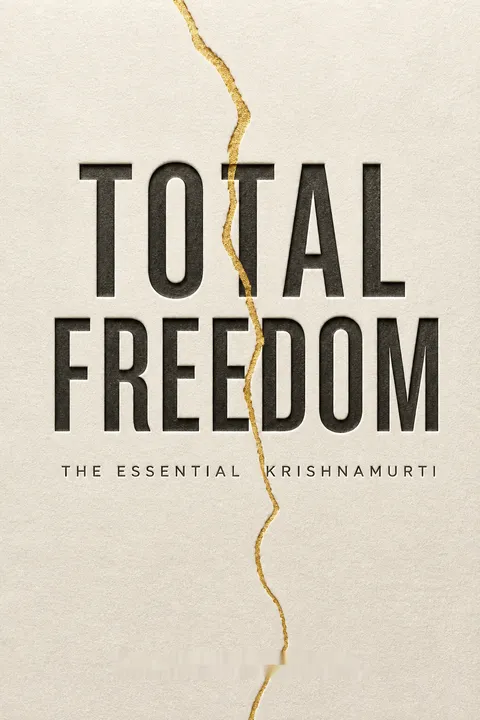
《完全自由》一书由J. 克里希那穆提所著,广受好评,因其对意识、自由与自我觉察的深刻洞见而备受赞誉。读者普遍认可克里希那穆提直截了当的表达方式及其富有挑战性的思想,尽管部分人认为内容存在重复或难以理解之处。此书被视为促进个人成长与理解的有力工具,激励读者质疑既有信念,培养批判性思维。大多数评论者认为其具有变革性,但也有少数批评者指出,克里希那穆提的观点缺乏原创性或实际应用价值。
其他人还在读








常见问题
What's Total Freedom: The Essential Krishnamurti about?
- Exploration of Existence: The book delves into the nature of human existence, focusing on self-awareness and the dissolution of conditioning as paths to true freedom.
- Rejection of Authority: Krishnamurti emphasizes the importance of personal exploration over reliance on external authorities or ideologies.
- Pathless Truth: It presents the idea that "Truth is a pathless land," meaning there is no single path to truth; each person must discover their own understanding.
Why should I read Total Freedom: The Essential Krishnamurti?
- Timeless Wisdom: Krishnamurti's insights are relevant across cultures and eras, addressing universal human concerns.
- Encourages Self-Discovery: The book invites readers to embark on a journey of self-exploration, fostering a deeper understanding of their thoughts and emotions.
- Challenges Conventional Thinking: It provokes thought and inspires change by challenging assumptions about life, society, and spirituality.
What are the key takeaways of Total Freedom: The Essential Krishnamurti?
- Self-Awareness is Crucial: Understanding oneself is the foundation for true freedom, leading to liberation from societal conditioning.
- Illusion of Time: Psychological time affects our perception of life; true understanding transcends time.
- Freedom from Conditioning: Breaking free from societal and personal conditioning is essential for personal responsibility and transformation.
What are the best quotes from Total Freedom: The Essential Krishnamurti and what do they mean?
- “Truth is a pathless land.”: Emphasizes personal exploration over following established doctrines to discover truth.
- “The moment you follow someone you cease to follow Truth.”: Highlights the importance of personal exploration over blind adherence to authority.
- “When the mind is still, tranquil... there can be a regeneration.”: Suggests that clarity and insight arise from stillness rather than constant mental activity.
How does Krishnamurti define freedom in Total Freedom: The Essential Krishnamurti?
- Freedom from Fear: True freedom is the absence of fear, which is a major barrier to understanding oneself.
- Self-Liberation: Freedom is achieved through self-awareness and understanding, not granted by external circumstances.
- Beyond Ideals: Transcending societal ideals and conditioning is necessary for true understanding.
What role does fear play in Total Freedom: The Essential Krishnamurti?
- Fear as a Limiting Factor: Fear restricts human potential and understanding, perpetuating itself through avoidance.
- Fear and Self-Pity: Dwelling on fears leads to a cycle of sorrow; confronting fear directly is essential.
- Overcoming Fear: Observing fears without judgment can lead to liberation from their grip.
How does Krishnamurti view the relationship between the individual and society in Total Freedom: The Essential Krishnamurti?
- Interconnectedness: The individual and society are deeply interconnected; societal issues stem from individual actions.
- Responsibility of the Individual: Societal change begins with personal transformation and responsibility.
- Critique of Ideals: Reliance on collective ideals often leads to conflict; understanding society comes from understanding oneself.
What is the significance of self-awareness in Total Freedom: The Essential Krishnamurti?
- Foundation for Understanding: Self-awareness is essential for personal growth and understanding.
- Awareness of Conditioning: Recognizing one’s conditioning is the first step toward transformation.
- Path to Freedom: Self-awareness leads to freedom from fear and societal constraints.
How does Krishnamurti suggest we approach education in Total Freedom: The Essential Krishnamurti?
- Holistic Development: Education should foster total development, not just academic achievement.
- Freedom from Authority: Traditional education promotes conformity; independent thought is crucial.
- Encouraging Inquiry: Education should encourage inquiry and self-discovery rather than rote learning.
How does Total Freedom: The Essential Krishnamurti address the concept of love?
- Love Beyond Attachment: True love is free from possessiveness and desire.
- Love as Compassion: Love is a state of compassion that arises when one is free from fear and sorrow.
- Love Requires Freedom: Love flourishes in an environment of psychological freedom.
What is Krishnamurti's view on meditation in Total Freedom: The Essential Krishnamurti?
- Meditation as Awareness: True meditation is about cultivating awareness, not following a system.
- Silence and Attention: A quiet mind is necessary for genuine meditation and deeper observation.
- Freedom from Control: True meditation arises naturally from awareness, not forced practice.
How can one apply the teachings of Total Freedom: The Essential Krishnamurti in daily life?
- Practice Self-Inquiry: Regular self-inquiry helps understand thoughts, emotions, and conditioning.
- Cultivate Awareness: Develop awareness of reactions and responses in daily interactions.
- Embrace the Present Moment: Focus on living fully in the present, letting go of past conditioning and future expectations.
关于作者
其他作品,作者: 吉杜·克里希那穆提








下载 PDF
下载 EPUB
.epub digital book format is ideal for reading ebooks on phones, tablets, and e-readers.








































