أهم النقاط
1. العقل كحدود علمية: تطور علم النفس من الفلسفة إلى الدراسة التجريبية
"علم النفس يعني التخلي عن حدسنا واستخدام أدوات العلم الموضوعية لاكتشاف كيف يعمل العقل حقًا، ولماذا يتصرف الناس بالطريقة التي يتصرفون بها."
من التأمل الذاتي إلى التجريب. بدأت رحلة علم النفس مع الفلاسفة الذين تأملوا في طبيعة العقل، لكنه تطور إلى علم تجريبي بفضل جهود رواد مثل فيلهلم فونت وويليام جيمس. أسس هؤلاء أول مختبرات نفسية وبدأوا في تطبيق طرق تجريبية صارمة لدراسة السلوك البشري والعمليات الذهنية.
ثورة السلوكية. في أوائل القرن العشرين، رفض السلوكيون مثل جون واتسون وبي. إف. سكينر دراسة الحالات الذهنية الداخلية، وركزوا بدلاً من ذلك على السلوك الظاهر. أدى هذا المنهج إلى اكتشافات مهمة حول التعلم والتكييف، لكنه ثبت في النهاية أنه محدود جدًا لتفسير التعقيد الكامل للإدراك والعاطفة البشرية.
الثورة المعرفية وما بعدها. منذ خمسينيات القرن الماضي، تبنى علم النفس دراسة العمليات الذهنية الداخلية، مدفوعًا بتقدم علوم الحاسوب وعلم الأعصاب. مهدت هذه الثورة المعرفية الطريق لمجالات حديثة مثل علم النفس المعرفي، وعلم الأعصاب، وعلم النفس التطوري، التي تواصل كشف أسرار العقل البشري باستخدام أدوات ومنهجيات متطورة.
2. الطبيعة مقابل التنشئة: التفاعل بين الجينات والبيئة في تشكيل السلوك البشري
"ليس الطبيعة أو التنشئة فقط من يشكل الإنسان الذي نصبح عليه، بل كلاهما يتفاعلان ويؤثران في بعضهما البعض."
الازدواجية الخاطئة. لعقود، ناقش علماء النفس ما إذا كانت الطبيعة (الوراثة) أو التنشئة (البيئة) أهم في تحديد السلوك والصفات البشرية. أظهرت الأبحاث الحديثة أن هذه الثنائية خاطئة – فكلا العاملين يلعبان دورًا حيويًا ومتشابكًا.
تفاعلات الجين والبيئة. أظهرت الدراسات أن بعض الاستعدادات الجينية قد تظهر فقط في ظل ظروف بيئية معينة. على سبيل المثال، قد يصاب شخص لديه قابلية جينية للاكتئاب بالمرض فقط إذا تعرض لضغوط حياتية كبيرة.
علم التخلق الجيني: الجسر بين الطبيعة والتنمية. يدرس هذا المجال الناشئ كيف تؤثر العوامل البيئية على تعبير الجينات دون تغيير تسلسل الحمض النووي نفسه. يمكن أن تنتقل التغيرات التخلقية عبر الأجيال، مما يطمس الخط الفاصل بين الصفات الموروثة والمكتسبة.
3. قوة التأثير الاجتماعي: كيف تشكل الجماعات سلوك الفرد واتخاذ قراره
"كلنا قادرون على ارتكاب أفعال مروعة تجاه الآخرين إذا أمرنا بذلك شخص ذو سلطة."
الامتثال والطاعة. كشفت تجارب الطاعة الشهيرة لستانلي ميلغرام وتجربة سجن ستانفورد لفيليب زيمباردو مدى تأثير الضغط من قبل السلطات أو الأعراف الجماعية على دفع الأشخاص العاديين لارتكاب أفعال ضارة.
تأثير المتفرج وتشتت المسؤولية. أظهرت أبحاث جون دارلي وبيب لاتاني أن وجود الآخرين قد يعيق سلوك المساعدة، حيث يفترض الأفراد أن شخصًا آخر سيتصرف.
استقطاب الجماعة والتفكير الجماعي. بينت الدراسات أن النقاش بين أفراد متشابهين في الرأي قد يؤدي إلى مواقف أكثر تطرفًا (استقطاب الجماعة)، بينما قد تقع الجماعات المعزولة في قرارات سيئة بسبب الضغط على التوافق (التفكير الجماعي).
4. الانحيازات المعرفية: فهم الاختصارات والأخطاء في التفكير البشري
"هل تتخذ قراراتك باستخدام المنطق البارد أم العواطف الحارة؟ ربما كلاهما."
التفكير النظام 1 والنظام 2. كشف بحث دانيال كانيمان عن نمطين من التفكير: التفكير السريع والحدسي (النظام 1) والتفكير البطيء والمتأمل (النظام 2). تنشأ العديد من الانحيازات المعرفية من الاختصارات التي يستخدمها النظام 1.
الانحيازات الشائعة:
- انحياز التأكيد: البحث عن معلومات تؤكد المعتقدات القائمة
- قاعدة التوفر: المبالغة في تقدير احتمال وقوع أحداث يمكن تذكرها بسهولة
- تأثير التثبيت: التأثر المفرط بالمعلومة الأولى التي نواجهها
- مغالطة التكاليف الغارقة: الاستمرار في الاستثمار بسبب الاستثمارات السابقة رغم عدم منطقية ذلك
تأثيرات على اتخاذ القرار. يساعد فهم هذه الانحيازات الأفراد والمنظمات على اتخاذ قرارات أفضل من خلال التعرف على متى قد يضلهم الحدس واستخدام استراتيجيات تفكير أكثر منهجية.
5. مرونة الدماغ البشري: كيف تشكل التجارب الروابط العصبية
"ما تفعله وتفكر فيه يمكن أن يغير بنية دماغك."
تعريف اللدونة العصبية. قدرة الدماغ على إعادة تنظيم نفسه من خلال تكوين روابط عصبية جديدة طوال الحياة، استجابةً للتعلم أو التجارب أو الإصابات.
أدلة على اللدونة:
- سائقي سيارات الأجرة في لندن الذين طوروا حجماً أكبر للحُصين (منطقة دماغية مرتبطة بالذاكرة المكانية) عبر سنوات من التنقل
- الأشخاص المكفوفون الذين يعيدون استخدام مناطق القشرة البصرية للمس والسمع
- مرضى السكتة الدماغية الذين يستعيدون وظائف مفقودة من خلال إعادة التأهيل المكثف
تأثيرات على التعلم والتطور. أحدث فهم اللدونة العصبية ثورة في طرق التعليم وإعادة التأهيل والنمو الشخصي، مؤكدًا أهمية التعلم مدى الحياة وقدرة الدماغ على التغيير في أي عمر.
6. العقل اللاواعي: استكشاف الدوافع الخفية للسلوك والعاطفة
"القوى الدافعة اللاواعية تلعب دورًا مركزيًا في تشكيل سلوكنا، لكنها أيضًا السبب الرئيسي للأمراض النفسية."
إرث فرويد. رغم أن العديد من نظريات سيغموند فرويد الخاصة فقدت مصداقيتها، إلا أن رؤيته الأساسية حول أهمية العمليات اللاواعية في تشكيل السلوك لا تزال مؤثرة.
وجهات نظر حديثة عن اللاوعي. يعترف علم النفس المعاصر بعمليات لاواعية متعددة، منها:
- الانحيازات الضمنية: مواقف أو صور نمطية لاواعية تؤثر على سلوكنا
- تأثيرات التمهيد: كيف يؤثر التعرض لمحفز معين على الاستجابة لمحفز آخر
- السلوكيات التلقائية: أفعال معتادة تتم دون وعي
تأثيرات علاجية. فهم العمليات اللاواعية ضروري لعلاج العديد من المشكلات النفسية، من اضطرابات القلق إلى الإدمان.
7. اللغة والفكر: العلاقة المعقدة بين الكلمات والإدراك
"لا يمكننا التفكير في مفاهيم نفتقر إلى كلماتها."
فرضية سابير-وورف. هذه النظرية المثيرة للجدل اقترحت أن اللغة تحدد الفكر، مما يعني أن متحدثي لغات مختلفة يدركون ويفكرون في العالم بطرق مختلفة.
وجهات نظر حديثة. رغم أن النسخة القوية من الحتمية اللغوية فقدت مصداقيتها إلى حد كبير، تظهر الأبحاث أن اللغة تؤثر على الفكر بطرق أكثر دقة:
- النسبية اللغوية: كيف تشكل اللغة إدراك اللون والزمان والمكان
- التأطير اللغوي: كيف تؤثر الكلمات التي نستخدمها لوصف القضايا على فهمنا واتخاذنا للقرارات
النحو العالمي عند تشومسكي. اقترح نعوم تشومسكي أن البشر يمتلكون قدرة فطرية على اللغة، وأن جميع اللغات تشترك في بنى أساسية متشابهة.
8. الذاكرة: الطبيعة الإعادية لاسترجاع الإنسان
"ذكرياتنا هشة وقابلة للتأثر لدرجة أن طريقة طرح السؤال علينا قد تغير استذكارنا الدقيق."
الذاكرة كإعادة بناء. أظهرت أبحاث إليزابيث لوفتوس الرائدة أن الذكريات ليست تسجيلات ثابتة، بل تُعاد بناؤها في كل مرة نسترجعها، مما يجعلها عرضة للتحريف.
عوامل تؤثر على دقة الذاكرة:
- الأسئلة الموجهة وتقنيات المقابلة المقترحة
- المعلومات التي ترد بعد الحدث وتأثيرات التضليل
- أخطاء مراقبة المصدر: الخلط بين مصادر الذكريات
تأثيرات على شهادة الشهود والعلاج. فهم قابلية الذاكرة للتغيير له آثار مهمة على النظام القضائي والممارسات العلاجية، خاصة فيما يتعلق بالذكريات المستعادة للصدمة.
9. الشخصية: فهم الفروق الفردية وأصولها
"تتجسد تنويعات الشخصية في خمسة عوامل رئيسية تُعرف بالعوامل الخمسة الكبرى."
نموذج العوامل الخمسة. هذا الإطار المقبول على نطاق واسع يصف الشخصية عبر خمسة أبعاد:
- الانفتاح على التجربة
- الضمير
- الانبساط
- الاتفاقية
- العصابية
الثبات والتغير. تظهر الأبحاث أن سمات الشخصية مستقرة نسبيًا مع مرور الوقت، لكنها قد تتغير تدريجيًا، خاصة خلال التحولات الحياتية الكبرى.
التأثيرات على الشخصية:
- الوراثة: تشير دراسات التوائم إلى وجود مكون وراثي مهم
- البيئة: ديناميات الأسرة، الثقافة، والتجارب الحياتية تشكل الشخصية
- تفاعلات الجين والبيئة: كيف تتفاعل الاستعدادات الجينية مع العوامل البيئية
10. الصحة النفسية: طيف التجربة الإنسانية ودور العلاج
"العلاج السلوكي المعرفي يساعد المريض على فهم وكسر أنماط التفكير التي تحفز العديد من الاضطرابات النفسية."
النموذج البيولوجي النفسي الاجتماعي. تعترف المناهج الحديثة للصحة النفسية بتداخل العوامل البيولوجية والنفسية والاجتماعية في تطور وعلاج الاضطرابات النفسية.
العلاجات المبنية على الأدلة:
- العلاج السلوكي المعرفي: يركز على تغيير أنماط التفكير والسلوك غير الملائمة
- العلاج الديناميكي النفسي: يستكشف الصراعات اللاواعية والتجارب الماضية
- العلاجات القائمة على اليقظة الذهنية: تدمج التأمل والوعي باللحظة الراهنة
إزالة الوصمة وطيف الصحة النفسية. تركز الجهود الحديثة على رؤية الصحة النفسية كطيف بدلاً من ثنائية "مريض" أو "سليم"، مما يعزز التدخل المبكر ويقلل من وصمة طلب المساعدة.
ملخص المراجعات
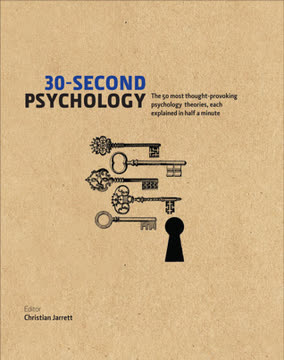
يحظى كتاب "علم النفس في 30 ثانية" بتقييمات إيجابية بشكل عام، حيث يثني القراء على شرحه المختصر للنظريات النفسية. يجد الكثيرون فيه مقدمة مفيدة أو مراجعة سريعة، مع الإشادة بتنظيمه وسهولة فهمه. ومع ذلك، يشير بعض المراجعين إلى نقص في العمق والسياق لبعض المواضيع. كما يُذكر بشكل إيجابي التصميم الجرافيكي والرسوم التوضيحية في الكتاب. يقدّر القراء تغطيته للتجارب والنظريات الشهيرة، رغم أن بعضهم ينتقد قدم بعض المحتويات. وبشكل عام، يُعتبر الكتاب نقطة انطلاق جيدة لمن يهتمون بعلم النفس.
قرأ الآخرون أيضًا




الأسئلة الشائعة
What's "30-Second Psychology" about?
- Overview: "30-Second Psychology" by Christian Jarrett is a concise guide that explains 50 of the most thought-provoking psychology theories in just 30 seconds each.
- Structure: The book is divided into sections covering different aspects of psychology, such as Old School, New School, Growth & Change, Decision Making & Emotions, Social Psychology, Ways We Differ, Disordered Minds, and Thoughts & Language.
- Purpose: It aims to make complex psychological theories accessible to a general audience by breaking them down into easily digestible segments.
- Format: Each theory is presented with a 30-second introduction, a 3-second summary, and a 3-minute analysis, along with related theories and key biographies.
Why should I read "30-Second Psychology"?
- Quick Learning: The book offers a fast and efficient way to grasp essential psychological concepts without needing to delve into lengthy academic texts.
- Broad Coverage: It covers a wide range of topics, from foundational theories to modern psychological insights, providing a comprehensive overview of the field.
- Practical Insights: Understanding these theories can offer practical insights into human behavior, decision-making, and social interactions.
- Engaging Format: The book's structured format makes it easy to pick up and read in short bursts, making it ideal for busy readers.
What are the key takeaways of "30-Second Psychology"?
- Psychology's Evolution: The book traces the evolution of psychology from introspection and behaviorism to cognitive and evolutionary psychology.
- Human Behavior: It highlights how various psychological theories explain different aspects of human behavior, emotions, and decision-making.
- Social Influence: The book discusses the impact of social dynamics and group behavior on individual actions and beliefs.
- Mind and Brain: It explores the relationship between mental processes and brain functions, emphasizing concepts like neuroplasticity and consciousness.
What are the best quotes from "30-Second Psychology" and what do they mean?
- "The mind turned inward": This quote emphasizes psychology's focus on understanding the mind and behavior through scientific methods rather than intuition.
- "A new science": Refers to psychology's relatively recent establishment as a scientific discipline, highlighting its rapid development and the controversies it has faced.
- "What you do and think can change the structure of your brain": This quote underscores the concept of neuroplasticity, illustrating how experiences and thoughts can physically alter brain structure.
- "We’re all capable of doing awful things to others if told to by someone in authority": Reflects the findings of Milgram's obedience study, which revealed the power of authority in influencing behavior.
How does "30-Second Psychology" explain Wundt’s introspection?
- Definition: Introspection is the process of examining one's own conscious thoughts and feelings, a method favored by early psychologists like Wilhelm Wundt.
- Historical Context: Wundt's laboratory at the University of Leipzig is considered the first experimental psychology lab, where introspection was used to break down conscious experience into its basic elements.
- Criticism: The method faced criticism for its lack of objectivity and reliability, leading to the rise of behaviorism, which focused on observable behavior.
- Modern Relevance: While formal introspection is no longer widely used, self-reporting in experiments is a form of introspection still relevant in modern psychology.
What is Watson’s behaviorism according to "30-Second Psychology"?
- Core Idea: Behaviorism, as proposed by John B. Watson, argues that psychology should focus on observable behavior rather than unobservable mental states.
- Scientific Approach: It emphasizes the importance of controlled experiments and objective measurement, using stimuli and responses to infer behavioral patterns.
- Impact: Behaviorism influenced the study of learning and behavior in both humans and animals, leading to the development of theories like operant conditioning.
- Legacy: Although modern psychology has moved beyond strict behaviorism, its emphasis on empirical research and objective data remains influential.
How does "30-Second Psychology" describe Freud’s psychoanalysis?
- Components of Personality: Freud's psychoanalysis posits that personality consists of the Id, Ego, and Superego, which interact to shape behavior and mental health.
- Unconscious Influence: It emphasizes the role of unconscious motivations and conflicts in influencing behavior and causing mental disorders.
- Criticism and Influence: While criticized for being unfalsifiable and based on unrepresentative samples, Freud's ideas have profoundly influenced both psychology and popular culture.
- Therapeutic Approach: Psychoanalysis involves exploring unconscious thoughts and feelings through techniques like dream analysis and free association.
What is the cognitive revolution as explained in "30-Second Psychology"?
- Shift in Focus: The cognitive revolution marked a shift from behaviorist approaches to understanding the mind in terms of information processing and mental representations.
- Key Figures: Noam Chomsky's critique of behaviorism and his work on language acquisition were pivotal in this shift.
- Mind as a Computer: The revolution introduced the metaphor of the mind as a computer, processing information through mental 'software.'
- Legacy: Cognitivism remains central to modern psychology, influencing fields like cognitive neuroscience and artificial intelligence.
How does "30-Second Psychology" explain evolutionary psychology?
- Basic Premise: Evolutionary psychology applies principles of natural selection to understand the human mind and behavior, suggesting that many psychological traits are adaptations.
- Common Principles: It seeks to identify universal behaviors and mental processes shared across species due to evolutionary pressures.
- Controversy: Critics argue that some evolutionary explanations are speculative and difficult to test empirically.
- Relevance: Despite criticisms, evolutionary psychology provides valuable insights into human behavior, particularly in areas like mate selection and social dynamics.
What is positive psychology according to "30-Second Psychology"?
- Focus on Strengths: Positive psychology, championed by Martin Seligman, emphasizes understanding and nurturing human strengths and virtues rather than just treating mental illness.
- Research Findings: Studies suggest that focusing on strengths can improve well-being, productivity, and resilience in the face of adversity.
- Criticism: Some critics argue that the emphasis on positivity can overlook the complexities of human emotions and the importance of addressing negative experiences.
- Applications: Positive psychology has influenced therapeutic practices, workplace management, and educational approaches by promoting a strengths-based perspective.
How does "30-Second Psychology" describe neuroplasticity?
- Definition: Neuroplasticity refers to the brain's ability to change and adapt in response to experiences, learning, and injury.
- Lifelong Process: It occurs throughout life, allowing the brain to reorganize itself by forming new neural connections.
- Implications: Neuroplasticity suggests that mental activities and behaviors can physically alter brain structure, offering potential for recovery from brain injuries and mental health interventions.
- Challenges: The concept challenges the view of the brain as a static, unchanging organ, highlighting its dynamic nature and capacity for growth.
What is the bystander effect as explained in "30-Second Psychology"?
- Definition: The bystander effect is the phenomenon where individuals are less likely to help a person in need when other people are present.
- Famous Case: The effect was famously illustrated by the murder of Kitty Genovese, where numerous witnesses reportedly failed to intervene.
- Research Findings: Studies by John Darley and Bibb Latané showed that the presence of others reduces a person's sense of responsibility, leading to inaction.
- Real-World Implications: Understanding the bystander effect can inform strategies to encourage intervention and support in emergency situations.