أهم النقاط
1. الحقائق الفلسفية غالبًا ما تخفي اعترافات شخصية
تدريجيًا، أدركت ما كانت عليه كل فلسفة عظيمة حتى الآن: وهي اعتراف شخصي لمؤلفها ونوع من الذكريات غير الطوعية وغير الملحوظة؛ وكذلك فإن النوايا الأخلاقية (أو غير الأخلاقية) في كل فلسفة تشكل البذور الحية الفعلية التي نمت منها كل نبتة فلسفية في كل مرة.
الأنظمة الفلسفية ككشف ذاتي. يجادل نيتشه بأن الأنظمة الفلسفية ليست حقائق موضوعية بل اعترافات شخصية وذكريات لمبدعيها. نوايا الفيلسوف الأخلاقية هي "البذور الحية" التي تنمو منها نبتته الفلسفية بالكامل. لفهم المطالب الميتافيزيقية لفيلسوف ما، يجب أولاً أن نسأل: "إلى أي أخلاق تهدف؟"
الدوافع وراء الفلسفة. يرفض نيتشه فكرة أن "الدافع للمعرفة" هو المحفز الأساسي وراء الفلسفة. بدلاً من ذلك، يقترح أن دوافع أخرى، مثل الإرادة للسلطة، تستخدم المعرفة كأداة. من خلال دراسة الدوافع البشرية الأساسية، يمكن للمرء أن يكشف النوايا والدوافع الخفية وراء الأنظمة الفلسفية.
الفلاسفة مقابل العلماء. يميز نيتشه بين الفلاسفة والعلماء، مشيرًا إلى أن العلماء قد يكون لديهم "دافع للمعرفة" حقيقي، لكن اهتماماتهم الشخصية غالبًا ما تكون في مكان آخر. في المقابل، توفر أخلاق الفيلسوف شهادة حاسمة عن هويته وترتيب الرتبة بين دوافعه الداخلية.
2. الأخلاق أداة للسلطة، وليست غاية في حد ذاتها
فكل دافع يسعى للسيطرة: ومن ثم يحاول الفلسفة.
الأخلاق كلعبة للسلطة. يرى نيتشه أن الأخلاق ليست معيارًا موضوعيًا للصواب والخطأ، بل أداة تستخدمها دوافع ومجموعات مختلفة لتأكيد هيمنتها. يسعى كل دافع لتقديم نفسه كالغرض النهائي من الوجود والرب المشرع لجميع الدوافع الأخرى. هذا المنظور يتحدى الرؤية التقليدية للأخلاق كمسعى غير مهتم للخير.
الإرادة للسلطة. يفترض نيتشه أن الإرادة للسلطة هي الدافع الأساسي الذي يكمن وراء كل سلوك إنساني، بما في ذلك الأخلاق. كل دافع يسعى للسيطرة، ومن ثم يحاول الفلسفة وفرض قيمه على الآخرين. هذا المنظور يتحدى الرؤية التقليدية للأخلاق كمسعى غير مهتم للخير.
الرواقية كاستبداد ذاتي. ينتقد نيتشه الأمر الرواقى للعيش وفقًا للطبيعة، مشيرًا إلى أنه خداع لفظي. العيش، كما يجادل، هو بالضبط الرغبة في أن نكون مختلفين عن الطبيعة، التي هي غير مبالية وغير عادلة ومحدودة. يسعى الرواقون، في الواقع، إلى فرض أخلاقهم على الطبيعة، مطالبين إياها بالتوافق مع صورتهم الخاصة للوجود.
3. قيمة الحقيقة سؤال خطير وغير مستقر
افترض أننا نريد الحقيقة: لماذا لا نفضل الكذب؟ وعدم اليقين؟ حتى الجهل؟
التشكيك في الإرادة للحقيقة. يتحدى نيتشه الافتراض الفلسفي التقليدي بأن الحقيقة ذات قيمة جوهرية. يسأل لماذا يجب أن نعطي الأولوية للحقيقة على الكذب، أو عدم اليقين، أو حتى الجهل. هذا التشكيك في قيمة الحقيقة هو موضوع مركزي في فلسفة نيتشه.
الحقيقة كشرط للحياة. يقترح نيتشه أن الكذب قد يكون شرطًا للحياة، مشيرًا إلى أن الأحكام الأكثر زيفًا غالبًا ما تكون الأكثر ضرورة لنا. بدون الخيالات المنطقية والتزوير المستمر للعالم، لا يمكن للبشر أن يعيشوا. هذا المنظور يتحدى القيم العاطفية المعتادة ويضع فلسفة نيتشه خارج نطاق الخير والشر.
المظهر مقابل الحقيقة. يتساءل نيتشه عن المعارضة الأساسية بين "الصحيح" و"الخطأ"، مقترحًا أنه قد يكفي افتراض مراحل من الوضوح وظلال مختلفة من المظهر. حتى أنه يتناول إمكانية أن العالم الذي يهمنا هو خيال، متحديًا الإيمان الفلسفي التقليدي في القواعد والموضوع.
4. الأخلاق السائدة والعبودية تحدد تاريخ البشرية
في الحقيقة، الأمور مختلفة تمامًا: في ادعائك بفرح قراءة قانونك من الطبيعة، أنت في الواقع تريد العكس، أيها الممثلون الغريبون والمخادعون لأنفسكم!
نوعان أساسيان من الأخلاق. يحدد نيتشه نوعين أساسيين من الأخلاق: أخلاق السادة وأخلاق العبيد. تنشأ أخلاق السادة من نوع مهيمن يؤكد قيمه الخاصة ويرى نفسه "جيدًا" في مقابل الصفات "السيئة" للمهزومين. من ناحية أخرى، تنشأ أخلاق العبيد من المقموعين وتؤكد قيمًا مثل التعاطف، والتواضع، وإنكار الذات.
إعادة تقييم القيم. تبدأ ثورة العبيد في الأخلاق عندما يصبح الاستياء إبداعيًا ويولد القيم. تقول أخلاق العبيد لا لـ "الخارج"، لـ "المختلف"، لـ "غير الذات"، وهذه الـ لا هي فعلها الإبداعي. هذه إعادة تقييم القيم هي سمة رئيسية لأخلاق العبيد.
النبلاء مقابل المستائين. يشعر الإنسان النبيل بأنه محدد للقيمة ولا يحتاج إلى موافقة. في المقابل، الإنسان المستاء ليس مستقيمًا ولا ساذجًا، ونفسه تتجهم. هذه الفروق الأساسية في المنظور تشكل تقييماتهم الأخلاقية الخاصة.
5. المثال الزهدي: قوة تنكر الحياة تتنكر كفضيلة
التضحية بالله من أجل العدم - هذه اللغز المتناقض لأقصى درجات القسوة كان محجوزًا للجيل الذي يظهر الآن: جميعنا نعرف شيئًا عن هذا.
الزهد كإرادة للعدم. يحدد نيتشه المثال الزهدي كإرادة للعدم، إرادة مضادة للحياة ترفض الافتراضات الأساسية للوجود. يتميز هذا المثال بكراهية الإنسان والحيوان والمادي، ويسعى إلى نفي الحواس والعقل والإرادة نفسها.
الكاهن الزاهد. الكاهن الزاهد هو مُغير الاتجاه للاستياء، يستغل الغرائز السيئة لجميع الناس المعانين من أجل الانضباط الذاتي والتغلب على الذات. يستخدم هذا الكاهن، الذي غالبًا ما يكون مريضًا بنفسه، الدين لنشر النور على الناس المعذبين أبديًا وجعلهم قابلين للتحمل في نظرهم الخاص.
سلم القسوة الدينية. يحدد نيتشه سلمًا عظيمًا من القسوة الدينية، يبدأ بتضحية البشر لإلههم، ثم تضحية أقوى الغرائز، وأخيرًا تضحية الله نفسه من أجل العدم. هذا اللغز المتناقض لأقصى درجات القسوة محجوز للجيل الذي يظهر الآن.
6. الضمير السيء: أشرس اختراع للبشرية
لترجمة الإنسانية إلى الطبيعة؛ للسيطرة على العديد من التفسيرات والتأويلات الفارغة والمندفعة التي تم كتابتها ورسمها حتى الآن على ذلك النص الأساسي الأبدي homo natura.
الداخلية للغرائز. ينشأ الضمير السيء من داخلية الغرائز التي لم يعد يُسمح بالتعبير عنها خارجيًا. هذه العملية، التي تحركها حاجة الدولة لترويض والسيطرة على مواطنيها، تجعل الإنسان يتجه ضد نفسه.
الذنب أمام الله. يصبح الشعور بالذنب أمام الله أداة تعذيب، حيث يتخيل الإنسان نفسه معاقبًا دون إمكانية التكفير. يؤدي ذلك إلى لغز متناقض لأقصى درجات القسوة، حيث يضحي الله بنفسه من أجل ذنب الإنسانية.
براءة التحول. يرفض نيتشه فكرة "الإرادة غير الحرة"، التي يراها إساءة استخدام السبب والنتيجة. يجادل بأن السبب والنتيجة يجب أن تُستخدم فقط كمفاهيم نقية، وليس ككيانات متجسدة. في "الشيء في ذاته"، لا يوجد شيء من "الروابط السببية"، أو "الضرورة"، أو "عدم الحرية النفسية".
7. ما وراء الخير والشر: دعوة لقيم جديدة ونبل جديد
التأثير الانتقائي، والتعليمي الذي يمكن أن يمارسه الأديان، والذي يكون دائمًا بنفس القدر تدميريًا كما هو إبداعي وشكلي، متنوع ومختلف حسب نوع الأشخاص الذين يتم وضعهم تحت سلطته وحمايته.
الفيلسوف كمربي. يتصور نيتشه الفيلسوف كشخص يستخدم الدين لأعمال الزراعة والتعليم، تمامًا كما يستخدم الظروف السياسية والاقتصادية المناسبة. سيكون لهذا الفيلسوف تأثير انتقائي وتعليمي، والذي يكون دائمًا بنفس القدر تدميريًا كما هو إبداعي وشكلي.
الروح الحرة. سيكون فلاسفة المستقبل أرواحًا حرة جدًا، لكنهم لن يكونوا مجرد أرواح حرة. سيكونون شيئًا أكثر، أعلى، أعظم، ومختلفًا جوهريًا. سيكون هؤلاء الفلاسفة في وطنهم في العديد من بلدان الروح، يتسللون دائمًا بعيدًا عن الزوايا الكئيبة والمريحة التي يبدو أنهم قد تم نفيهم إليها.
النبل الجديد. يدعو نيتشه إلى نوع جديد من الفلاسفة الذين هم مغوون، أولئك الذين يشككون في جميع القيم ويتحدون الوضع الراهن. سيكون هؤلاء الفلاسفة أرواحًا حرة ليست دوغمائية، لا يسعون لفرض حقائقهم على الآخرين، ومستعدون لتقبل "ربما" الخطير.
ملخص المراجعات
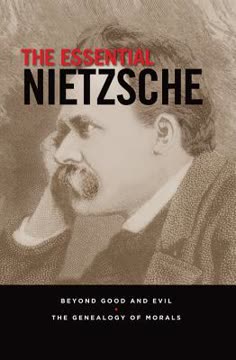
كتاب ما وراء الخير والشر ونسب الأخلاق يتلقى آراء متباينة. يثني الكثيرون على أفكار نيتشه العميقة وأسلوبه الأدبي، خاصة باللغة الألمانية. يقدّر القراء نقده للدين والأخلاق والفلسفة. بينما يجد البعض أن العمل معقد وكثيف وأحيانًا محير. يشير النقاد إلى آراء قديمة، خاصة فيما يتعلق بالنساء والعرق. أسلوب الكتاب الأفيوري واللغة الشعرية تحظى بالإعجاب والنقد في آن واحد. بشكل عام، يعترف القراء بأهمية العمل في الفلسفة الغربية، حتى وإن اختلفوا مع بعض الأفكار المطروحة فيه.
قرأ الآخرون أيضًا





الأسئلة الشائعة
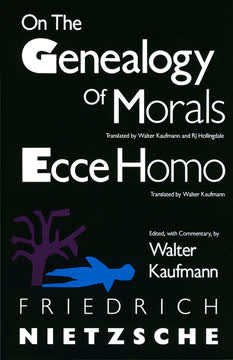
1. What is Beyond Good and Evil and The Genealogy of Morals by Friedrich Nietzsche about?
- Philosophical critique of morality: The book challenges traditional notions of morality, truth, and philosophy by tracing the historical and psychological origins of concepts like "good," "evil," "guilt," and "conscience."
- Genealogical method: Nietzsche uses a genealogical approach to show how moral values evolved from social power struggles, ressentiment, and cultural shifts rather than from objective truths.
- Critique of ascetic ideals: He examines the role of asceticism and religious values in shaping Western thought, arguing that they often suppress life-affirming instincts.
- Will to power and suffering: The works introduce the "will to power" as a fundamental force in life and explore the necessity of suffering for growth and creativity.
2. Why should I read Beyond Good and Evil and The Genealogy of Morals by Friedrich Nietzsche?
- Foundational philosophical work: These texts represent Nietzsche’s mature philosophy and are essential for understanding his critique of morality, culture, and the origins of values.
- Insight into morality’s origins: The books reveal how moral values are shaped by social, psychological, and power dynamics, challenging readers to rethink ethics and human nature.
- Influence on modern thought: Nietzsche’s ideas have profoundly impacted philosophy, psychology, and cultural criticism, making these works crucial for anyone interested in these fields.
- Invitation to self-examination: Readers are encouraged to critically examine inherited beliefs and consider the creation of new, life-affirming values.
3. What are the key takeaways from Beyond Good and Evil and The Genealogy of Morals by Friedrich Nietzsche?
- Morality is historically contingent: Moral values are not absolute but arise from social power relations and psychological drives like ressentiment.
- Critique of traditional morality: Nietzsche challenges the value of altruism, compassion, and asceticism, seeing them as life-denying forces.
- Will to power as fundamental: Life and morality are expressions of the will to power, a striving for dominance and self-overcoming.
- Call for new values: He urges the creation of new values beyond good and evil, affirming life, strength, and individuality.
4. What is Nietzsche’s genealogical method in Beyond Good and Evil and The Genealogy of Morals?
- Historical and psychological tracing: Nietzsche investigates the origins of moral concepts by examining their development through history and psychology, rather than accepting them as given.
- Uncovering hidden motives: The method reveals how values like "good" and "evil" are rooted in power struggles, social hierarchies, and psychological needs.
- Critique of objectivity: Nietzsche argues that what is considered objective truth is often a product of perspective and serves particular interests.
- Tool for reevaluation: The genealogical method is used to challenge and potentially overturn accepted moral values.
5. How does Nietzsche define and contrast "master morality" and "slave morality" in On the Genealogy of Morals?
- Master morality: Originates from the noble and powerful, defining "good" as strength, nobility, and life-affirmation, and "bad" as weakness or lowliness.
- Slave morality: Emerges from the oppressed, who invert master values by labeling the powerful as "evil" and themselves as "good," emphasizing humility and compassion.
- Moral inversion and ressentiment: Slave morality is driven by resentment and a desire for revenge, creating a value system that condemns strength and celebrates weakness.
- Social and psychological function: Both moralities serve to shape human relations and self-understanding within their respective social contexts.
6. What is Nietzsche’s concept of "ressentiment" and its role in morality in The Genealogy of Morals?
- Definition of ressentiment: Ressentiment is a deep-seated resentment and reactive hostility of the weak or oppressed toward their oppressors, who are perceived as "evil."
- Creative force of slave morality: This feeling leads to the creation of slave morality, which inverts the values of the masters and glorifies weakness and suffering.
- Psychological mechanism: Ressentiment causes the oppressed to reinterpret their impotence as moral superiority, fostering a morality based on negation and denial of life-affirming values.
- Historical impact: Nietzsche sees ressentiment as a driving force behind the rise of Christianity and modern moral systems that emphasize guilt and self-denial.
7. How does Nietzsche explain the origin and meaning of "bad conscience" in On the Genealogy of Morals?
- Internalization of instincts: Bad conscience arises when humans, once free and wild, are forced into social constraints and repress their natural instincts, turning aggression inward.
- Result of societal pressure: The formation of the state and social order imposes guilt and self-punishment as mechanisms to control and tame human impulses.
- Religious intensification: Religious doctrines intensify the feeling of guilt, framing it as sin against God and leading to self-torment.
- Psychological suffering: Bad conscience reflects humanity's alienation from its natural state and the burden of imposed morality.
8. What is the "will to power" in Beyond Good and Evil and The Genealogy of Morals by Friedrich Nietzsche?
- Fundamental life force: The will to power is described as the basic driving force in humans, underlying all behavior, morality, and knowledge.
- Contrast with will to life: Unlike Schopenhauer’s "will to life," Nietzsche’s concept emphasizes striving for dominance, self-overcoming, and creative expression.
- Shaping morality and knowledge: The will to power influences the creation of values and perspectives, challenging the idea of objective truth.
- Central to human flourishing: Nietzsche sees the will to power as essential for growth, creativity, and the affirmation of life.
9. How does Nietzsche critique traditional philosophers and their pursuit of truth in Beyond Good and Evil?
- Philosophers’ hidden motives: Nietzsche claims that philosophers are driven by personal instincts and prejudices, not pure reason or objectivity.
- Dogmatism and naivety: He criticizes dogmatic philosophy as a form of childish superstition based on unexamined assumptions.
- Truth as perspective: Nietzsche argues that what is called "truth" is often a perspective shaped by life-preserving instincts and power relations.
- Call for new philosophers: He advocates for thinkers who embrace uncertainty, perspectivism, and the creation of new values.
10. What is Nietzsche’s critique of ascetic ideals and their impact on culture in The Genealogy of Morals?
- Asceticism as life-denial: Nietzsche sees ascetic ideals as suppressing life-affirming instincts, promoting self-denial, suffering, and weakness.
- Tool of power and control: Priests and ascetics use these ideals to exert power over the weak, channeling guilt and ressentiment to maintain social order.
- Ambivalent force: While asceticism can provide meaning and structure to suffering, it also contributes to cultural decline and nihilism.
- Need for reevaluation: Nietzsche calls for a critical examination of the value of ascetic ideals and their role in shaping modern morality.
11. How does Nietzsche view suffering and its role in human life in Beyond Good and Evil and The Genealogy of Morals?
- Suffering as essential: Nietzsche sees suffering as an unavoidable and necessary aspect of life that drives growth, creativity, and the evolution of higher types of humans.
- Critique of pity: He challenges the moral elevation of pity and compassion, arguing that excessive pity can weaken life and promote decadence.
- Pathos of truth: Nietzsche insists on confronting the reality of suffering honestly, rather than denying or escaping it.
- Affirmation of existence: Embracing suffering is part of affirming life and achieving greatness.
12. What are the best quotes from Beyond Good and Evil and The Genealogy of Morals by Friedrich Nietzsche and what do they mean?
- "There are no moral phenomena at all, but only a moral interpretation of phenomena." This highlights Nietzsche’s view that morality is not inherent in actions but imposed by interpretation.
- "Whoever battles monsters should take care that he doesn't become one in the process." A warning about the dangers of adopting the traits of one’s enemies or moral adversaries.
- "Humanity would rather will nothingness than not will." This expresses Nietzsche’s belief in the fundamental drive to act, even destructively, rather than remain passive.
- "The will to truth is not an unconditional good." Nietzsche challenges the assumption that truth is always valuable, emphasizing its life-related function.
- "Master morality values pride and power; slave morality values kindness and humility." A concise summary of Nietzsche’s fundamental moral distinction.