أهم النقاط
1. الكتابة عادة وليست فناً: نمّ ممارسة يومية
"المفتاح لتصبح كاتبًا أفضل هو، في جوهره، أن تكون أكثر إنتاجية. أو ببساطة، المفتاح هو أن تكتب."
الثبات هو الأساس. خصص وقتًا يوميًا عندما تكون في أوج نشاطك للكتابة، حتى لو كان نصف ساعة فقط. لا تسعَ للكمال؛ ركز على إنتاج المحتوى بانتظام. إن الاستمرار في الكتابة سيطور مهاراتك مع مرور الوقت.
أنشئ روتينًا. اجعل لك مكانًا وزمنًا مخصصين للكتابة لتخبر عقلك أن وقت العمل قد حان. قد يكون ذلك زاوية معينة في منزلك أو مقهى تحبه. كثير من الكتاب الناجحين، مثل مايا أنجيلو وإرنست همنغواي، كانوا يلتزمون بروتين صارم ساعدهم على الإنتاج المستمر.
تابع تقدمك. حدد أهدافًا بعدد الكلمات بدلاً من الوقت. هذا يحفز الإنتاجية ويمنحك مقياسًا ملموسًا لما تنتجه. ابدأ بقليل، مثلاً 250 كلمة يوميًا، وزد هدفك تدريجيًا مع بناء العادة.
2. ركز على خدمة القارئ لا إبهاره
"الكتابة الجيدة تخدم القارئ، لا الكاتب. فهي ليست انغماسًا في الذات."
اعرف جمهورك. قبل أن تبدأ الكتابة، حدد بوضوح لمن تكتب. ما هي احتياجاتهم واهتماماتهم ومشاكلهم؟ صمم محتواك ليعالج هذه النقاط بدقة.
قدم قيمة. يجب أن يهدف كل محتوى إلى تعليم القارئ أو إعلامه أو تسليته. اسأل نفسك: "ماذا سيكسب القارئ من هذا؟" إذا لم تستطع الإجابة، أعد النظر في منهجك.
استخدم لغة المخاطب. اكتب وكأنك تخاطب القارئ مباشرة. هذا يخلق علاقة شخصية ويجعل القارئ يشعر بأن المحتوى موجه له تحديدًا.
3. تقبل "المسودة الأولى القبيحة" وراجع بلا رحمة
"اعترف بأن العبقرية – أو ما يقاربها – تأتي في المراجعة."
اكتب أولًا. المسودة الأولى تهدف إلى إخراج أفكارك على الورق مهما بدت فوضوية أو غير مترابطة. لا تقلق بشأن القواعد أو الإملاء أو البناء في هذه المرحلة.
خذ استراحة. بعد الانتهاء من المسودة الأولى، ابتعد عنها لفترة. هذه المسافة تساعدك على العودة بنظرة جديدة ونقدية.
راجع بتركيز. عند العودة:
- احذف الكلمات والعبارات غير الضرورية
- وضح الأفكار الغامضة
- قوِّ الحجج الضعيفة
- حسّن تدفق النص وبنيته
- تحقق من القواعد والإملاء
4. طور تعاطفًا مرضيًا مع جمهورك
"الكتابة الجيدة (وبالتالي خلق تجارب جيدة) تتطلب فهمًا وتعاطفًا مع جمهورنا، وضعهم، واحتياجاتهم وأهدافهم."
ابحث عن جمهورك. تجاوز المعلومات السطحية. أجرِ استبيانات أو مقابلات أو مجموعات تركيز لفهم تحديات القراء وطموحاتهم ورؤاهم.
أنشئ شخصيات القارئ. طور ملفات تفصيلية لقرائك المثاليين، تشمل خلفياتهم وأهدافهم ومشاكلهم. استعن بهذه الشخصيات أثناء الكتابة لضمان تلبية احتياجاتهم.
اختبر افتراضاتك. اطلب ردود فعل منتظمة من قرائك الفعليين. استخدم التعليقات وتفاعلات وسائل التواصل والتحليلات لتقييم مدى تفاعل الجمهور مع محتواك وعدّل بناءً على ذلك.
5. احكِ قصصًا تغير العالم، لا تكتفِ بسرد الحقائق
"قصتك يجب أن تكون العمود الفقري المدعوم بالصلب لأي محتوى أو حضور على وسائل التواصل الاجتماعي تخلقه."
اكتشف قصتك الكبرى. حدد الرسالة الأساسية أو المهمة التي تحرك علامتك أو محتواك. كيف تسعى لتغيير العالم، ولو بطريقة بسيطة؟
استخدم هياكل السرد. أدخل عناصر القصة الكلاسيكية مثل الصراع والحل وتطور الشخصيات في محتواك، حتى عند الكتابة عن مواضيع تجارية أو تقنية.
أرِ، لا تخبر فقط. بدلاً من سرد الحقائق أو الميزات فقط، استخدم أمثلة حية ودراسات حالة وحكايات تجسد رسالتك.
6. استخدم لغة بسيطة وتجنب المصطلحات لتعزيز الوضوح
"أي أحمق يمكنه تعقيد الأمور. العبقري هو من يبسطها."
بسّط الأفكار المعقدة. قسم المفاهيم الصعبة إلى أجزاء أصغر وأسهل للهضم. استخدم التشبيهات أو الاستعارات لربط الأفكار المعقدة بمفاهيم مألوفة.
تجنب الكلمات الرنانة والمصطلحات الفنية. إلا إذا كنت تكتب لجمهور متخصص، ابتعد عن المصطلحات التي قد تربك القارئ العام. وإذا اضطررت لاستخدامها، فاشرحها بوضوح.
استخدم صيغة المبني للمعلوم. اكتب بصيغة المبني للمعلوم لجعل الجمل أكثر وضوحًا وجاذبية. مثلاً، "أكمل الفريق المشروع" أوضح من "تم إكمال المشروع من قبل الفريق."
7. استند إلى البيانات والمصادر الموثوقة
"البيانات تضع محتواك في سياقه وتمنحك المصداقية."
استخدم مصادر موثوقة. استشهد بمعلومات من منظمات محترمة، مؤسسات أكاديمية، أو خبراء في المجال. تحقق دائمًا من صحة البيانات قبل تضمينها.
اعرض البيانات بصريًا. استخدم الرسوم البيانية والمخططات والإنفوجرافيك لجعل البيانات المعقدة أكثر سهولة وجاذبية.
اشرح الأهمية. لا تكتفِ بعرض البيانات فقط؛ فسّرها لجمهورك. بيّن لماذا هذه المعلومات مهمة وكيف ترتبط بنقاطك الرئيسية.
8. أتقن فن العناوين لجذب الانتباه
"اقضِ على الأقل نفس الوقت في صياغة العنوان كما تقضيه في كتابة المحتوى."
أثِر الفضول. اصنع عناوين تثير الاهتمام دون الكشف الكامل. استخدم أسئلة مشوقة أو عبارات مفاجئة لتشجيع النقر.
استخدم الأرقام والتفاصيل. العناوين التي تحتوي على أرقام عادة ما تحقق أداءً جيدًا، وكذلك تلك التي تعد بفوائد أو نتائج محددة.
اختبر نسخًا مختلفة. استخدم اختبار A/B لمقارنة نسخ العناوين المختلفة ومعرفة أيها يلقى صدى أكبر لدى جمهورك.
اجعلها مختصرة. استهدف عناوين تتراوح بين 6-8 كلمات أو 60-70 حرفًا لضمان عرضها بشكل جيد على مختلف المنصات والأجهزة.
9. صمم صفحات هبوط جذابة تحقق التحويل
"صفحة الهبوط الفعالة تحتوي على معلومات كافية لإعلام الزائرين دون أن تجعلهم يشعرون وكأن الألعاب النارية تنفجر أمامهم."
ركز على هدف واحد. يجب أن يكون لكل صفحة هبوط هدف واضح، سواء كان التسجيل في نشرة إخبارية، تحميل مورد، أو إجراء عملية شراء.
استخدم عناوين واضحة تبرز الفائدة. يجب أن يعبر العنوان الرئيسي فورًا عن القيمة التي تقدمها للزائرين.
قلل المشتتات. أزل عناصر التنقل أو الروابط غير الضرورية التي قد تشتت الزائرين عن الدعوة إلى اتخاذ إجراء (CTA).
أضف دليلًا اجتماعيًا. أدرج شهادات، مراجعات، أو دراسات حالة لبناء الثقة والمصداقية مع العملاء المحتملين.
حسّن للهواتف المحمولة. تأكد من أن صفحة الهبوط تبدو وتعمل بشكل جيد على جميع الأجهزة، خاصة الهواتف الذكية.
10. اكتب رسائل بريد إلكتروني يرغب الناس فعلاً في فتحها
"تعمل رسائل البريد الإلكتروني بشكل أفضل عندما تخاطب من يرغبون حقًا في سماعك."
صغ عناوين موضوع جذابة. اجعل العناوين أقل من 50 حرفًا وكن محددًا، مشوقًا، أو مركزًا على الفائدة لزيادة معدلات الفتح.
خصص رسائلك. استخدم اسم المستلم ووجه المحتوى لاهتماماته أو تفاعلاته السابقة مع علامتك.
قدم قيمة. يجب أن تقدم كل رسالة شيئًا مفيدًا، سواء معلومات حصرية، عرض خاص، أو نصائح مفيدة.
اجعلها مختصرة. احترم وقت قرائك بالوصول إلى النقطة بسرعة واستخدام فقرات قصيرة ونقاط مرقمة لتسهيل القراءة.
أدرج دعوة واضحة لاتخاذ إجراء (CTA). أخبر القراء بالضبط ما تريدهم أن يفعلوه بعد القراءة، سواء النقر على رابط، الرد على الرسالة، أو إجراء شراء.
ملخص المراجعات
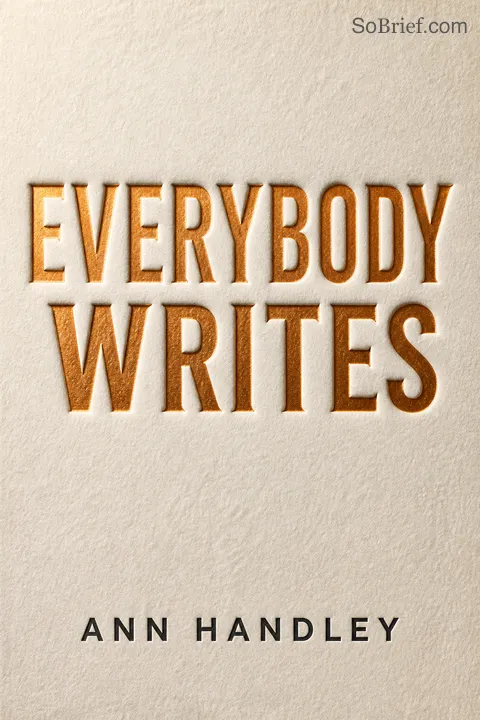
يحظى كتاب "الجميع يكتب" بتقييمات متباينة، حيث يبلغ متوسط تقييمه 3.97 من 5. يجد العديد من القراء فيه فائدة كبيرة لتحسين مهارات الكتابة في مجال الأعمال وتسويق المحتوى، مشيدين بنصائحه العملية وأسلوبه السلس والواضح. كما يثمن البعض تركيزه على الكتابة التي تضع القارئ في المقام الأول وتعزز التعاطف معه. ومع ذلك، يرى بعض الكتاب ذوي الخبرة أن محتواه بسيط أو متكرر إلى حد ما. ويشير النقاد إلى أن الكثير من المعلومات الواردة فيه متاحة على الإنترنت. ورغم ذلك، يعتبره كثير من القراء مصدرًا قيمًا للمبتدئين ودليلًا مفيدًا لمنشئي المحتوى.
قرأ الآخرون أيضًا



الأسئلة الشائعة
What's Everybody Writes about?
- Focus on Writing Skills: Everybody Writes by Ann Handley emphasizes that writing is a crucial skill for everyone, not just trained writers. It aims to empower individuals to improve their writing abilities for better communication in a content-driven world.
- Content Creation Guide: The book serves as a comprehensive guide to creating high-quality content, offering practical advice on writing techniques, grammar, storytelling, and publishing rules.
- Content as a Business Asset: Handley argues that writing is a crucial business skill, and that everyone in an organization should be able to communicate effectively through written content.
Why should I read Everybody Writes?
- Improve Communication: Reading this book will help you enhance your writing skills, which are essential for effective communication in both personal and professional contexts.
- Practical Tips: The book is filled with actionable advice and strategies that can be immediately applied to your writing, making it a valuable resource for marketers, business professionals, and anyone who creates content.
- Build Trust with Audiences: The book teaches how to create content that builds trust and engagement with audiences, which is essential for any brand or business.
What are the key takeaways of Everybody Writes?
- Writing is a Habit: One of the main takeaways is that "writing is a habit, not an art," emphasizing the importance of regular practice to improve your skills.
- Empathy for Readers: Handley stresses the need to "swap places with your reader," encouraging writers to consider their audience's perspective and needs when crafting content.
- Quality Over Quantity: The book stresses the importance of quality content over sheer volume. Handley encourages writers to focus on creating valuable, useful content that meets the needs of their audience.
What are the best quotes from Everybody Writes and what do they mean?
- "Writing is a habit, not an art.": This quote underscores the idea that anyone can become a better writer through practice and dedication, rather than relying solely on innate talent.
- "A good lede invites you to the party and a good kicker makes you wish you could stay longer.": This emphasizes the importance of strong opening and closing sentences in engaging readers and leaving a lasting impression.
- "Show, don't tell.": This classic writing advice encourages writers to use descriptive language and examples to illustrate their points, making the content more vivid and engaging.
What specific writing techniques does Ann Handley recommend in Everybody Writes?
- Follow a Writing GPS: Handley suggests using a structured approach to writing, which she refers to as a "writing GPS," to help navigate the writing process from brainstorming to final edits.
- Develop Pathological Empathy: She encourages writers to cultivate "pathological empathy" for their readers, ensuring that the content is relevant and engaging for the audience.
- End on a Strong Note: Handley advises writers to "end on an I-can't-wait-to-get-back-to-it note," leaving readers with a compelling conclusion that encourages further engagement.
How does Everybody Writes address grammar and usage?
- Practical Grammar Tips: The book provides straightforward grammar rules tailored for marketers, helping them avoid common pitfalls and improve clarity in their writing.
- Focus on Real Communication: Handley emphasizes that grammar should serve the purpose of clear communication, rather than being an obstacle that intimidates writers.
- Encouragement to Break Rules: While it covers grammar, the book also encourages writers to break certain rules when it enhances readability and engagement, promoting a more flexible approach to writing.
What is the importance of storytelling in Everybody Writes?
- Connect with Audiences: Handley emphasizes that storytelling is essential for creating a connection with readers, making content more relatable and memorable.
- Unique Brand Voice: The book discusses how a compelling brand story can differentiate a business, highlighting the importance of authenticity and originality in storytelling.
- Human Element: Handley argues that stories should focus on real people and experiences, as this human element makes the content more engaging and impactful.
What are some common mistakes marketers make in writing, according to Everybody Writes?
- Overuse of Jargon: Handley points out that many marketers fall into the trap of using jargon and buzzwords, which can dilute their message and alienate their audience.
- Neglecting Readability: The book highlights the importance of readability, warning against long, complex sentences that can confuse readers.
- Ignoring the Audience: A common mistake is failing to consider the reader's perspective, which can lead to content that is self-indulgent rather than reader-focused.
How does Everybody Writes define brand journalism?
- Brand Journalism Explained: Handley defines brand journalism as a way for companies to tell their stories through a journalistic lens. It involves creating content that is informative, engaging, and relevant to the audience.
- Focus on Audience Needs: The book emphasizes that brand journalism should prioritize the needs and interests of the audience over the company's promotional messages. This approach helps to build trust and credibility.
- Incorporate Storytelling: Handley encourages brands to use storytelling techniques in their content. By sharing real stories and experiences, brands can connect with their audience on a deeper level.
What is the importance of headlines according to Everybody Writes?
- Headlines Grab Attention: Handley states that headlines are crucial for capturing the reader's attention. A compelling headline can make the difference between someone reading your content or scrolling past it.
- Promise Value: The book advises that headlines should clearly convey the value of the content. They should promise what the reader will gain by engaging with the material.
- Use Numbers and Specificity: Handley suggests using numbers and specific language in headlines to make them more enticing. For example, "5 Tips for Effective Writing" is more appealing than "Tips for Writing."
How does Everybody Writes suggest using data in content?
- Ground Content in Facts: Handley encourages writers to support their claims with credible data and research. This practice enhances the credibility of the content and builds trust with the audience.
- Use Data to Tell Stories: The book suggests using data as a storytelling tool. By presenting data in a narrative format, writers can make complex information more relatable and engaging.
- Visualize Data: Handley advocates for using visuals, such as infographics, to present data. This approach makes information more accessible and easier to understand for readers.
How can I apply the principles from Everybody Writes to my own writing?
- Set Writing Goals: Start by setting specific writing goals based on word count rather than time spent, allowing you to measure your progress effectively.
- Practice Regularly: Incorporate writing into your daily routine to develop the habit, as suggested by Handley, and embrace the process of creating "The Ugly First Draft."
- Seek Feedback: Find a writing buddy or mentor to provide constructive feedback, helping you refine your work and improve your skills over time.