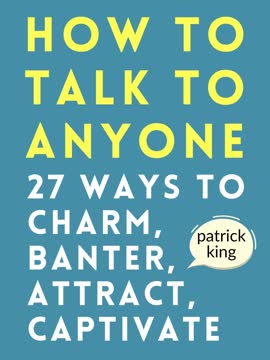
أهم النقاط
1. الانعكاس يبني علاقة فورية
الانعكاس ليس مجرد حيلة اختيارية، بل هو أساس كل تواصل جيد وتعاطف حقيقي.
الاتصال اللاواعي. الانعكاس، سواء كان لفظيًا أو غير لفظي أو عاطفيًا، يخلق شعورًا بالاتصال والفهم. إنه شكل بدائي من التواصل يرسل رسالة: "أنا أراك، أفهمك، ونحن على نفس الموجة." تعزز هذه التقنية الميل الطبيعي لمطابقة أسلوب تواصل الآخر، مما يعزز الثقة والتقارب.
التوافق اللفظي وغير اللفظي. الانعكاس اللفظي يشمل استخدام لغة، ونبرة، وإيقاع مشابه للشخص الآخر. أما الانعكاس غير اللفظي فيتضمن تقليد الوضعية، والإيماءات، وتعبيرات الوجه. الانعكاس العاطفي يعكس الحالة العاطفية للطرف الآخر، معبرًا عن التعاطف والتقدير.
الأصالة هي الأساس. تجنب أن تكون الانعكاسات واضحة أو متلاعبة، فقد تؤدي إلى نتائج عكسية. الهدف هو تعزيز التواصل الطبيعي، لا خلق تقليد سطحي. في مواقف الصراع، تجنب تقليد السلوكيات السلبية مثل الغضب أو الوقاحة.
2. المحادثات تزدهر بتوازن المداخل
قاعدة الثلاث تنص على ألا نقول ثلاث جمل تقريرية متتالية دون كسرها بسؤال أو توضيح.
الجمل التقريرية، الأسئلة، والتوضيحات. يجب أن تتوازن المحادثات بين الجمل التقريرية، والأسئلة، والتوضيحات. تجنب السيطرة على الحديث بسلسلة من التصريحات دون إتاحة المجال للطرف الآخر. هذا الأسلوب يجعل الحوار تعاونيًا ومحترمًا.
الأسئلة المدروسة. أدرج أسئلة مدروسة لتشارك الضوء، وتظهر اهتمامك، وتعبر عن احترامك. الأسئلة تشير إلى أن المحادثة ليست مجرد فرصة للحديث، بل تمرين اجتماعي تعاوني.
تليين التصريحات. استخدم التوضيحات أو "مخففات" للتعبير عن آرائك دون فرضها. عبارات مثل "أعلم أنني لا أمثل الجميع، لكن..." أو "من وجهة نظري..." تعترف بأن للآخرين وجهات نظر مختلفة.
3. الأحاديث الخفيفة تقود إلى علاقات عميقة
طريقة ARE تزيل الكثير من عناء الأحاديث الخفيفة وتوصلك إلى المواضيع المهمة – أي الحديث الجاد!
الربط، الكشف، التشجيع (ARE). توفر طريقة ARE نهجًا منظمًا لبدء واستمرار الأحاديث الخفيفة. ابدأ بربط شيء يجمعك مع الطرف الآخر، ثم اكشف شيئًا عن نفسك يتعلق بهذا الربط، وأخيرًا شجع الطرف الآخر على مشاركة شيء عن نفسه.
اختصار FORM. استخدم اختصار FORM لتوجيه مواضيع الأحاديث الخفيفة: العائلة، العمل، الترفيه، والدوافع. هذه المواضيع آمنة وسهلة للنقاش، وتوفر فرصًا للتواصل والاهتمامات المشتركة.
الانسحاب بأناقة. إذا لم تنجح الأحاديث الخفيفة، انسحب بأدب مستخدمًا عذرًا يتضمن كلمة "أحتاج". مثلًا: "كان من الجميل التحدث معك، لكني أحتاج للذهاب للاطمئنان على أطفالي." أضف شيئًا إيجابيًا من المحادثة لتنعيم الوداع.
4. الإيجاز يحافظ على انتباه المستمعين
كقاعدة غير معلنة، افترض أن لديك حوالي دقيقة واحدة لتوضيح فكرتك، ثم دع المحادثة تتدفق مجددًا.
قاعدة إشارة المرور. حدد ردودك بحوالي دقيقة للحفاظ على انتباه المستمع. في أول 30 ثانية، الضوء أخضر، ولديك انتباه كامل. في الـ30 ثانية التالية، الضوء أصفر، وقد يبدأ الانتباه بالتراجع. بعد الدقيقة، الضوء أحمر، وتخاطر بفقدان اهتمامهم.
اتركهم يرغبون بالمزيد. لا تكشف كل شيء دفعة واحدة. اترك مجالًا للآخرين لطرح الأسئلة إذا كانوا فضوليين. أحيانًا، يزداد اهتمام الناس بما تقول عندما تترك بعض الأمور غير مذكورة.
طريقة الإلقاء مهمة. ركز على طريقة إلقائك، وعدل صوتك لجعل حديثك مشوقًا. فكر قبل أن تتكلم، وكن موجزًا قدر الإمكان. تجنب الكلمات الحشو مثل "أم" و"مثلًا".
5. تعليق الأنا يعزز الروابط العميقة
تعليق الأنا بسيط لكنه ليس سهلاً: هو أن نضع عمدًا تصورات واحتياجات ورغبات الآخرين قبل أنفسنا.
أعطِ الأولوية للآخرين. تعليق الأنا يعني وضع تصورات واحتياجات ورغبات الآخرين قبل رغباتك. إنه اختيار مؤقت للدخول في وجهة نظر شخص آخر، حتى لو تطلب ذلك تأجيل حاجتك لأن تكون على حق أو مسيطرًا.
قاوم الرغبة في المشاركة. عندما تلاحظ نفسك تدخل في "وضع التصريح"، اختر عمدًا أن تتخلى عن قصتك. بدلًا من ذلك، انغمس في قصة شخص آخر لفترة. فقط استمع.
التقدير غير القضائي. انسَ فكرة الموافقة أو الرفض. ببساطة عبّر عن اهتمامك بالشخص أمامك، وأظهر احترامك وفضولك تجاه وجهة نظره.
6. الضعف يخلق روابط أقوى
الاتصال والضعف يسيران جنبًا إلى جنب.
الإفصاح الخفيف، المتوسط، والثقيل. يمكن بناء التقارب من خلال زيادة تدريجية في لحظات الإفصاح. ابدأ بإفصاح خفيف، بمشاركة سر بسيط أو قصة محرجة. إذا قُبل ذلك جيدًا، انتقل إلى الإفصاح المتوسط، بمشاركة آراء ومعتقدات وتجارب أكثر خصوصية. احتفظ بالإفصاح الثقيل، بمشاركة نقاط الضعف والمخاوف، لأولئك الذين تريد أعمق الروابط معهم.
كن متحفظًا. ابدأ بخطوات صغيرة ثم تصاعد تدريجيًا. الغوص في الأمور العميقة من البداية لا ينجح، وكذلك عدم التطرق حتى للمرحلة الأولى مع شخص تعرفه منذ سنوات. الإفصاح يجعل الناس يشعرون بالخصوصية.
استخدم الحكمة. تجنب إلقاء حمولة من الأمور المزعجة أو غير المناسبة على صديق، خاصة إذا لم يكن متوقعًا. الإفصاح الضعيف ليس تعريضًا متهورًا لكل مشاكلك الحميمة للآخرين.
7. نبرة الصوت تشكل الانطباع
الكلمات التي تقولها مهمة، لكن كيف تقولها قد يكون أهم.
إشارة عاطفية. نبرة صوتك هي إشارة عاطفية بحتة تُدرك قبل المكون العقلي لرسالتك. تكشف عن شخصيتك، وحالتك الذهنية، ونواياك، وحتى صحتك.
الطبقة، الحجم، والإيقاع. نوّع طبقة صوتك لتجنب الرتابة. عدّل حجم صوتك ليتناسب مع السياق ويعبر عن مشاعر مختلفة. تحكم في إيقاعك لتظهر الثقة والذكاء دون أن تبدو متوترًا أو مستعجلاً.
وضوح النطق مهم. نطق كل كلمة بوضوح يمنع خلق حاجز بينك وبين المستمع. النطق السيء قد يُرتبط بالكسل، أو قلة التعليم، أو الملل.
8. الحلقات المفتوحة تحافظ على تدفق المحادثات
استخدام الحلقة المفتوحة سهل مثل بدء قصة مشوقة ثم عدم إنهائها.
القصص غير المكتملة. الحلقة المفتوحة هي خط محادثة تتركه مفتوحًا عمدًا لتعود إليه لاحقًا إذا رغبت. الأمر بسيط كبدء قصة مشوقة ثم عدم إنهائها.
نقاط حفظ المحادثة. تعمل الحلقات المفتوحة كنقاط حفظ في المحادثة، تتيح لك العودة إلى موضوع سابق إذا جفت المحادثة. تخلق شعورًا بتاريخ مشترك وتقارب مع الطرف الآخر.
الوعي والذاكرة. المهارات الوحيدة التي تحتاجها لصنع حلقات مقنعة هي الوعي المركز والذاكرة الجيدة. عندما تعود للحلقة، أنت تقول ضمنيًا: "كنت أتابع هناك، وأهتم بهذا. دعنا نواصل الحديث..."
9. التعاطف يتجاوز نقاط العمى في المحادثة
التعاطف يسمح لنا بالنظر خارج نقاط عميانا والتفقد على الآخرين عندما نميل إلى نسيانهم والانشغال بأنفسنا.
الأنانية اللاواعية. الشيء الذي يجعلنا سيئين في المحادثات هو نفسه ما يجعلنا غير مدركين لكوننا سيئين فيها: الأنانية اللاواعية. يتطلب الأمر وعيًا ذاتيًا وانضباطًا وممارسة كبيرة لنتوقف عن التصرف كما لو أن المحادثة مجرد "إلقاء مونولوج في صحبة شخص آخر."
تعليق الافتراضات. لا تفترض أنك بلا نقاط عمياء في المحادثة، أو أن الآخرين يفكرون أو يشعرون أو يعتقدون كما تفعل، أو أن الطرف الآخر يرى المحادثة بنفس طريقتك. جوهر المحادثة هو لقاء شخص آخر ليس أنت، فلا تفترض أنك تعرفه جيدًا.
تقنية "النقرة المزدوجة". تخيل أن كل جملة يقولها الآخر تحتها خط أزرق وغير مستكشفة. "انقر نقرة مزدوجة" عليها لتطلب منه التوسع، وإخبارك المزيد، والغوص أعمق.
10. اختتم المحادثات بأناقة
المحادثات نادرًا ما تنتهي عندما يرغب الطرفان بذلك، ونادرًا ما تنتهي حتى عندما يرغب طرف واحد، والفارق المتوسط بين المدة المرغوبة والفعلية يقارب نصف مدة المحادثة.
التوقيت هو كل شيء. أفضل ما يمكنك فعله لمحادثة رائعة هو معرفة متى تنهيها. معظم الناس يميلون إلى تفضيل محادثات أقصر.
الإيجابية، العذر، الانسحاب. سر إنهاء المحادثات هو أن تكون هادئًا وواثقًا. انتظر اللحظة المناسبة، ابدأ بإيجابية، قدم عذرًا، وانسحب بحزم.
اتركهم يرغبون بالمزيد. إنهاء المحادثة بنبرة إيجابية يغلقها بطريقة أنيقة ويجعلكما متشوقين للقاء قادم. اترك بعض الأمور غير مذكورة، اخلق قليلًا من الغموض، ومن يدري، قد تكون بذلك تمنح الطرف الآخر فرصة للتنفس!
ملخص المراجعات
يحظى كتاب "كيف تتحدث مع أي شخص" بتقييمات متباينة، حيث يبلغ متوسط تقييمه 3.60 من 5. يرى بعض القراء أنه غني بالمعلومات ومليء بالنصائح المفيدة لتحسين مهارات المحادثة، بينما ينتقده آخرون لافتقاره إلى العمق واعتباره أقرب إلى قائمة من النصائح منه إلى كتاب متكامل. تبرز التقييمات الإيجابية تركيز الكتاب على الاستماع النشط، والتعاطف، وبناء علاقات أعمق. أما النقاد فيرون أن كثيرًا من النصائح تبدو بديهية أو متكررة. وبشكل عام، يثمن القراء النصائح العملية التي يقدمها الكتاب، لكنهم يرون أن مستوى العمق والأصالة في المحتوى يتفاوت عبر صفحاته.
قرأ الآخرون أيضًا


 تجربة غامرة


الأسئلة الشائعة
1. What is "How to Talk to Anyone" by Patrick King about?
- Practical Conversation Guide: The book is a practical guide offering 27 actionable strategies to improve your conversational skills, charm, and social intelligence.
- Focus on Connection: It emphasizes genuine connection, empathy, and playfulness over performance, competition, or impressing others.
- Applicable to All Situations: The advice is designed for use in professional, romantic, and casual settings, making it broadly applicable.
- Science-Backed Techniques: Patrick King incorporates psychological research and real-world examples to support his methods for becoming more charismatic and likeable.
2. Why should I read "How to Talk to Anyone" by Patrick King?
- Overcome Social Awkwardness: The book provides tools to avoid awkward silences, handle small talk, and navigate difficult conversations with confidence.
- Boost Charisma and Likability: You'll learn how to be more engaging, memorable, and appealing in any social situation.
- Develop Deeper Connections: The focus on empathy, vulnerability, and active listening helps foster more meaningful relationships.
- Actionable, Easy-to-Apply Tips: Each chapter offers clear, step-by-step methods you can start using immediately to improve your interactions.
3. What are the key takeaways from "How to Talk to Anyone" by Patrick King?
- Connection Over Performance: True charm comes from making others feel seen and valued, not from being witty or impressive.
- Active Listening is Crucial: Listening with intent, asking questions, and reflecting emotions are more important than talking.
- Vulnerability Builds Rapport: Gradual self-disclosure and sharing stories create trust and deeper bonds.
- Practical Conversation Tools: Techniques like mirroring, the ARE method, the rule of three, and the 1-minute rule help structure better conversations.
4. What is the "mirroring" technique in "How to Talk to Anyone" and how does it work?
- Definition: Mirroring involves subtly matching another person's verbal, nonverbal, or emotional cues to signal understanding and connection.
- Types of Mirroring: It can be verbal (repeating phrases), nonverbal (matching posture or gestures), or emotional (reflecting feelings).
- Builds Trust and Rapport: Scientific studies cited in the book show mirroring increases negotiation success and makes people feel understood.
- Natural and Subtle: Overdoing it can seem manipulative; mirroring should be natural and responsive to the other person's cues.
5. How does the "rule of three" improve conversations according to Patrick King?
- Balanced Dialogue: The rule states you should never make more than three declarative statements in a row without inserting a question or qualifier.
- Prevents Monologues: This keeps conversations from feeling like lectures and ensures both parties are engaged.
- Shows Respect and Interest: Asking questions or using softeners demonstrates you value the other person's perspective.
- Easy to Implement: Simply become aware of your speech patterns and consciously balance statements with inquiries.
6. What is the ARE method for small talk in "How to Talk to Anyone"?
- Acronym Explained: ARE stands for Anchor, Reveal, and Encourage.
- Step-by-Step: Start with an anchor (shared experience), reveal something about yourself, then encourage the other person to share.
- Moves Beyond Small Talk: This structure helps transition from surface-level conversation to more meaningful topics.
- Flexible and Natural: The method is adaptable and can be combined with the FORM topics (Family, Occupation, Recreation, Motivation) for variety.
7. How can I avoid being boring in conversations, according to Patrick King?
- Emphasize Fun and Playfulness: Boring people are often perceived as negative, self-centered, or overly serious; being open, lighthearted, and engaged is key.
- Share Passions and Stories: Talk about your interests and experiences with enthusiasm to appear more interesting.
- Avoid Stereotypical "Boring" Traits: Traits like being passive, uncreative, or reserved can be countered by showing curiosity and warmth.
- Self-Edit When Needed: If your hobbies or job are stereotypically dull, highlight other aspects of your personality to keep things lively.
8. What role does vulnerability and self-disclosure play in building rapport, as described in "How to Talk to Anyone"?
- Three Levels of Disclosure: Start with light (harmless secrets), move to medium (beliefs and opinions), and only share heavy (deep vulnerabilities) with trusted individuals.
- Builds Trust and Intimacy: Gradual self-disclosure signals trust and invites others to open up, deepening the relationship.
- Creates Connection Stories: Sharing personal anecdotes that reflect your values helps others relate to you.
- Be Selective and Appropriate: Oversharing too soon or with the wrong audience can backfire; calibrate based on the other person's response.
9. What are some advanced conversational techniques from "How to Talk to Anyone" by Patrick King?
- Open Loops: Start stories or topics without finishing them, creating curiosity and opportunities to revisit them later.
- Metaphors and Vivid Language: Use colorful analogies and imagery to make your points more memorable and engaging.
- "Yes, and" Mindset: Borrowed from improv, this technique keeps conversations flowing by affirming and building on what others say, rather than blocking with "but."
- Cold Reading: Make high-probability guesses and observations to show attentiveness and make others feel understood.
10. How does Patrick King suggest handling awkward silences and ending conversations gracefully?
- 1-Minute Traffic Light Rule: Limit your speaking turns to about one minute to avoid rambling and keep the exchange dynamic.
- Responsive and Quick: Fast response times help people feel more connected and keep the conversation lively.
- Graceful Exits: End conversations on a positive note, make a polite excuse, and disengage firmly but warmly.
- Most People Want Shorter Conversations: Research shows most conversations last longer than both parties desire, so it's better to end a bit early than too late.
11. What is "active listening" in "How to Talk to Anyone" and how can I practice it?
- More Than Hearing: Active listening involves comprehending, retaining, and responding to what the other person says, not just passively hearing.
- Nine Techniques: These include restating, reflecting, summarizing, labeling emotions, probing, and using silence effectively.
- Suppress Ego: Focus on the speaker's perspective rather than planning your own response or judging.
- Encourages Deeper Connection: Active listening makes others feel valued and understood, which is essential for building rapport.
12. What scientific research and psychological principles does Patrick King reference in "How to Talk to Anyone"?
- Mirroring and Negotiation: Studies show mirroring increases settlement rates and rapport in negotiations.
- Self-Disclosure and Closeness: Research by Arthur Aron demonstrates that sharing personal information fosters trust and intimacy.
- Similarity-Attraction Effect: People are drawn to those who share their values, interests, or even dislikes, as shown in studies by Newcomb and others.
- Conversation Dynamics: Research on response times, conversation endings, and the impact of vulnerability all inform the book's practical advice.
عن المؤلف
كتب أخرى لـ باتريك كينغ
 تجربة غامرة