
أهم النقاط
1. لدينا جميعًا أجزاء داخلية متعددة، وليس عقلًا موحدًا واحدًا فقط
الأجزاء هي كائنات داخلية صغيرة تحاول جهدها أن تحميك.
التعدد الداخلي أمر طبيعي. كل منا يحمل جوانب مختلفة أو "أجزاء" من شخصيته، وليس مجرد عقل موحد واحد. هذه الأجزاء غالبًا ما تحمل رغبات ومعتقدات ومشاعر متضاربة. من بين الأجزاء الشائعة الناقد الداخلي، والمثالي، ومحب إرضاء الآخرين، والمغامر. إن إدراك تعددنا الداخلي يمكننا من فهم صراعاتنا وتناقضاتنا الداخلية بشكل أفضل.
تتشكل الأجزاء استجابةً لتجارب الحياة. تتطور أجزاؤنا لمساعدتنا على التكيف مع التجارب الصعبة، خاصة في مرحلة الطفولة. على سبيل المثال، قد يكون جزء ناقد قد تشكل ليحمينا من ارتكاب الأخطاء، في حين أن جزء محب لإرضاء الآخرين تطور لمساعدتنا في كسب القبول وتجنب الرفض. فهم أصول نوايا أجزائنا الإيجابية يمنحنا مزيدًا من التعاطف مع الذات.
علاج أنظمة الأسرة الداخلية (IFS) يقدم إطارًا للعمل مع أجزائنا الداخلية:
- التعرف على الأجزاء المختلفة وأدوارها
- فهم كيفية تفاعل الأجزاء وتشكيل التحالفات
- الانفصال عن الأجزاء للوصول إلى الذات الجوهرية
- شفاء الأجزاء المجروحة من خلال قيادة الذات
2. المنفيون يحملون أعمق جراحنا ويحتاجون إلى الشفاء
غالبًا ما يكون المنفيون يائسين بشدة ليُعتنى بهم ويحاولون بكل ما أوتوا من قوة الخروج من المنفى عند أي فرصة.
المنفيون يحملون ألمنا. الأجزاء المنفية تحمل ذكريات ومشاعر من تجارب مؤلمة في الماضي، خاصة صدمات الطفولة. هذه الأجزاء الضعيفة غالبًا ما تُكبَت أو تُنفى لأن ألمها يبدو طاغيًا. ومع ذلك، فإن نفي هذه الأجزاء لا يحل معاناتها، بل يدفعها فقط خارج نطاق الوعي.
أعباء المنفى تؤثر علينا. حتى عندما تكون منفية، تستمر هذه الأجزاء المجروحة في التأثير على أفكارنا ومشاعرنا وسلوكياتنا بطرق دقيقة:
- تدني احترام الذات والشعور بعدم القيمة
- صعوبة في الحميمية والثقة
- ردود فعل مبالغ فيها تجاه الرفض أو النقد المتصور
- القلق المستمر، الاكتئاب، أو الفراغ الداخلي
الشفاء من المنفيين أمر أساسي. لكي نشفى حقًا، يجب أن نعيد الاتصال بتعاطف مع أجزائنا المنفية، نشهد ألمها، ونساعدها على تحرير أعبائها. هذا يسمح لهذه الأجزاء بالتحول والاندماج بطرق صحية. بالصبر والتعاطف مع الذات، يمكن شفاء حتى أكثر أجزائنا جرحًا.
3. الأجزاء الحامية تحاول حمايتنا لكنها قد تصبح متطرفة
المديرون هم أطفال داخليون تحملوا أدوارًا أبوية.
الحماة يحرسوننا من الألم. تتطور الأجزاء الحامية لتحمينا من الألم العاطفي وتحافظ على كبت أجزائنا المنفية. هناك نوعان رئيسيان من الحماة:
- المديرون: يسيطرون على سلوكنا لمنع إثارة المنفيين
- رجال الإطفاء: يتصرفون بشكل متهور عندما تُثار المنفيين
استراتيجيات الحماية قد تنقلب ضدنا. رغم نوايا الحماة الإيجابية، فإن استراتيجياتهم غالبًا ما تصبح جامدة ومتطرفة مع مرور الوقت. بعض الأمثلة:
- الكمالية والإدمان على العمل
- الإدمان والسلوكيات المخدرة
- الغضب، النقد، ودفع الآخرين بعيدًا
- الانفصال والابتعاد العاطفي
التصالح مع الحماة للشفاء. بدلاً من محاربة الحماة، يمكننا:
- تقدير نيتهم الإيجابية في حمايتنا
- فهم المنفيين الضعفاء الذين يحرسونهم
- التفاوض معهم للسماح بشفاء المنفيين
- مساعدتهم في إيجاد طرق جديدة وصحية للحماية
4. الذات هي جوهرنا من الهدوء والوضوح والتعاطف
هناك دائمًا ذات. مهما كانت أجزاؤنا متطرفة ومثارة، إذا استطعنا فصلها بما فيه الكفاية، سنتمكن من الوصول إلى بعض صفات الذات.
الذات هي طبيعتنا الحقيقية. تحت أجزائنا تكمن ذاتنا الجوهرية - حالة من الهدوء، الوضوح، الفضول، التعاطف، الثقة، الإبداع، الشجاعة، والاتصال. هذه الذات موجودة دائمًا، حتى عندما تغطيها أجزاؤنا. الوصول إلى الذات يمكننا من التواجد الكامل والاستجابة للحياة بحكمة.
طاقة الذات لها قوة تحويلية. عندما نقود من الذات، يمكننا:
- مشاهدة أجزائنا بتعاطف وليس حكمًا
- شفاء المنفيين وتخفيف أعباء الحماة
- اتخاذ قرارات تتماشى مع أعمق قيمنا
- التواصل الأصيل مع الآخرين
- اتخاذ إجراءات شجاعة في العالم
ممارسات للوصول إلى الذات:
- التأمل الواعي
- "الانفصال" عن الأجزاء بأسلوب IFS
- ممارسات التجسد مثل اليوغا أو الرقص
- قضاء وقت في الطبيعة
- التعبير الإبداعي
5. تحرير أعباء أجزائنا يسمح بالتحول والتناغم الداخلي
عندما تُستعاد الأجزاء وتُحرر من أدوارها، تصبح شيئًا مختلفًا وقيمًا دائمًا.
الأجزاء تحمل أعباء من الماضي. غالبًا ما تحمل أجزاؤنا معتقدات قديمة، مشاعر مؤلمة، وأنماطًا جامدة من تجارب صعبة في الماضي. تشكل هذه الأعباء كيف ترى الأجزاء نفسها والآخرين والعالم. التحرير يسمح للأجزاء بالتخلص مما لم يعد يخدمها.
عملية التحرير:
- الوصول إلى طاقة الذات والفضول تجاه الجزء
- مشاهدة قصة الجزء وتأكيد تجربته
- استعادة الجزء من التعلق بالماضي
- تحرير الأعباء من خلال التصور (مثل الضوء، الماء، النار)
- دعوة الصفات الإيجابية لتحل محل العبء
التحول يحدث بشكل طبيعي. بمجرد تحريرها، تتحول الأجزاء تلقائيًا إلى حالات أصلية وقيمة. على سبيل المثال:
- الناقد الداخلي القاسي يصبح مرشدًا مشجعًا
- رجل الإطفاء المندفع يصبح مرحًا ومبدعًا
- المدير الخائف والمتحكم يصبح متبصرًا وحاميًا بطرق صحية
6. قيادة الذات تجلب المزيد من المعنى والهدف والرضا
مع ازدياد قيادة الناس لأنفسهم، يجدون أنفسهم يتصرفون بإيثار دون جهد ودون جدال داخلي كثير، لأن ذلك يصبح طبيعيًا لهم في الرغبة بمساعدة الآخرين.
التوافق مع طبيعتك الحقيقية. مع شفاء أجزائنا وقيادتنا أكثر من الذات، نتوافق طبيعيًا مع أعمق قيمنا وإحساسنا بالهدف. نصبح أقل تأثرًا بالخوف أو الخجل أو الحاجة إلى التحقق الخارجي. بدلاً من ذلك، نسترشد بإحساس داخلي بالمعنى والاتصال بشيء أكبر من أنفسنا.
تظهر تغييرات إيجابية:
- تعبير ذاتي أكثر أصالة
- تحسين العلاقات والتواصل
- زيادة المرونة والقدرة على مواجهة التحديات
- مزيد من التعاطف مع الذات والآخرين
- شعور بالترابط مع كل الحياة
- رغبة في المساهمة في رفاهية الآخرين والعالم
الرؤية تنشأ بشكل عضوي. بدلاً من السعي لخلق رؤية أو هدف عظيم، نسمح له بالظهور طبيعيًا مع ازدياد قيادتنا للذات. غالبًا ما يشمل ذلك توازنًا بين تحقيق الذات وخدمة الآخرين.
7. تجسيد الذات يخلق تغييرًا إيجابيًا في أنفسنا والعالم
الأشخاص الذين يقودون أنفسهم ينجذبون إلى الممارسات والطقوس والتقاليد الدينية التي تساعدهم على الوصول إلى المزيد من الذات والشعور باتصالهم بشيء أعظم وأكثر كونية.
التجسيد هو المفتاح. التواجد الكامل في أجسادنا يسمح لنا بالوصول إلى المزيد من طاقة الذات وجلبها إلى العالم. كثير منا منفصل عن أجسادنا بسبب الصدمات أو التكييف الثقافي أو عوامل نمط الحياة. تساعد ممارسات مثل الحركة الواعية، تمارين التنفس، والعلاجات الجسدية على إعادة الاتصال.
تتسع تأثيرات قيادة الذات. مع تجسيد المزيد من الذات، نصبح طبيعيًا:
- نتعامل مع الآخرين بتعاطف وحكمة أكبر
- نتخذ قرارات تتماشى مع رفاهية الجميع
- نتحرك بشجاعة لإحداث تغيير إيجابي
- نلهم الآخرين من خلال حضورنا ومثالنا
التوازن بين العمل الداخلي والخارجي. التحول الحقيقي يشمل الشفاء الداخلي والعمل الخارجي معًا. يمكننا:
- تنمية قيادة الذات من خلال الممارسات الداخلية
- المشاركة في النشاط الاجتماعي والبيئي
- خلق فنون وأعمال ومنظمات تتماشى مع قيمنا
- بناء مجتمعات قائمة على التعاطف والترابط
من خلال تجسيد المزيد من الذات في حياتنا اليومية، نصبح وكلاء للتغيير الإيجابي في عائلاتنا ومجتمعاتنا والعالم الأوسع.
ملخص المراجعات
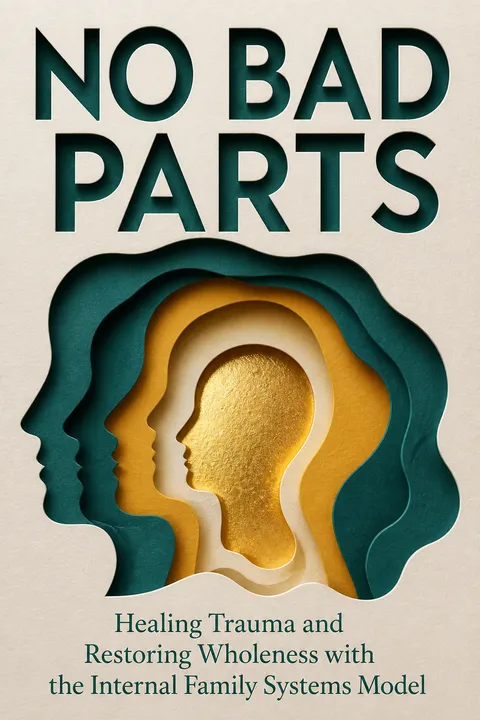
يقدم كتاب "لا أجزاء سيئة" منهج النظام العائلي الداخلي (IFS) في العلاج النفسي، الذي طوره ريتشارد شوارتز. يجد العديد من القراء أن فكرة التعامل مع جوانب مختلفة من الذات على أنها "أجزاء" تساعد بشكل فعّال في شفاء الصدمات النفسية وفهم السلوك. ومع ذلك، كانت الآراء متباينة بشأن أسلوب كتابة شوارتز وبعض ادعاءاته. فقد أبدى البعض تقديرهم للنهج المتعاطف والتمارين العملية التي يتضمنها الكتاب، في حين شعر آخرون أن محتواه يميل إلى الروحانية بشكل مفرط أو يحتوي على تعميمات غير مدعومة بالأدلة. كما أشار عدد من المراجعين إلى مخاوف تتعلق بموقف شوارتز من الأدوية وتشخيصات الصحة النفسية.
قرأ الآخرون أيضًا







الأسئلة الشائعة
What's "No Bad Parts" about?
- Internal Family Systems Model: "No Bad Parts" by Richard C. Schwartz introduces the Internal Family Systems (IFS) model, a therapeutic approach that views the mind as composed of multiple parts, each with its own perspective and role.
- Healing and Transformation: The book emphasizes healing by understanding and transforming these parts, rather than suppressing or fighting them, to achieve inner harmony and self-leadership.
- Spiritual and Psychological Integration: It explores the intersection of spirituality and psychology, suggesting that accessing one's core Self can lead to profound personal and spiritual growth.
- Practical Exercises: The book includes exercises to help readers identify and work with their internal parts, fostering self-compassion and healing.
Why should I read "No Bad Parts"?
- Innovative Approach: The book offers a fresh perspective on mental health by treating all parts of the psyche as valuable, even those that seem destructive or problematic.
- Self-Compassion and Acceptance: It encourages readers to develop self-compassion and acceptance, which can lead to greater emotional resilience and well-being.
- Practical Tools: Provides practical exercises and meditations that readers can use to explore and heal their internal systems.
- Spiritual Insights: Offers insights into how psychological healing can be a spiritual journey, connecting readers to a deeper sense of self and purpose.
What are the key takeaways of "No Bad Parts"?
- Multiplicity of the Mind: The mind is composed of multiple parts, each with its own role and perspective, and understanding these parts is crucial for healing.
- Self-Leadership: The core Self is inherently compassionate, curious, and capable of leading the internal system towards harmony and healing.
- No Bad Parts: All parts, even those that seem negative, have protective intentions and can be transformed through understanding and compassion.
- Spiritual Connection: Healing the internal system can lead to a deeper spiritual connection and a sense of interconnectedness with others and the world.
What is the Internal Family Systems (IFS) model?
- Parts and Self: IFS posits that the mind is made up of distinct parts and a core Self, which is the source of healing and leadership.
- Roles of Parts: Parts can be categorized as exiles, managers, and firefighters, each playing specific roles in response to past experiences and traumas.
- Healing Process: The model involves getting to know these parts, understanding their roles, and helping them unburden their past traumas to restore harmony.
- Self-Leadership: The ultimate goal is to have the Self lead the internal system, fostering balance and well-being.
How does "No Bad Parts" redefine mental health?
- Non-Pathologizing Approach: The book challenges traditional views by suggesting that all parts of the psyche are valuable and not inherently pathological.
- Focus on Healing: Emphasizes healing through understanding and compassion rather than control or suppression of symptoms.
- Integration of Parts: Encourages the integration of all parts into a harmonious whole, rather than isolating or exiling problematic parts.
- Empowerment: Empowers individuals to take an active role in their healing by becoming the primary caretaker of their internal system.
What exercises are included in "No Bad Parts"?
- Getting to Know a Protector: An exercise to identify and understand protective parts of the psyche, fostering a compassionate relationship with them.
- Mapping Your Parts: A method to visually map out the different parts of the internal system and their interactions.
- Unblending and Embodying: A meditation practice to help parts relax and allow the Self to become more embodied and present.
- Dilemma Meditation: An exercise to explore internal conflicts and facilitate dialogue between conflicting parts.
What are the "Eight Cs" of Self-leadership in IFS?
- Curiosity: An open and inquisitive attitude towards all parts of the psyche.
- Calm: A sense of peace and stability that comes from the Self leading the internal system.
- Confidence: Trust in the Self's ability to lead and heal the internal system.
- Compassion: A deep sense of care and understanding for all parts, even those that seem problematic.
How does "No Bad Parts" integrate spirituality?
- Spiritual Essence of Self: The book suggests that the Self is a spiritual essence within everyone, capable of profound healing and transformation.
- Connection to the Divine: Healing through IFS can lead to a deeper connection with a larger spiritual reality or divine presence.
- Nondual Awareness: The Self can experience a state of nondual awareness, where the boundaries between self and others dissolve.
- Spiritual Practices: Encourages the use of spiritual practices, such as meditation, to access and embody the Self.
What are the roles of exiles, managers, and firefighters in IFS?
- Exiles: Vulnerable parts that carry burdens from past traumas and are often locked away to protect the individual from pain.
- Managers: Parts that try to control the environment and behavior to prevent the exiles from being triggered.
- Firefighters: Parts that react when exiles are triggered, often using extreme measures to distract or numb the pain.
- Healing Process: Understanding and transforming these roles is key to achieving internal harmony and healing.
How does "No Bad Parts" address trauma?
- Trauma and Parts: Trauma often leads to the creation of exiles, which carry the burdens of painful experiences.
- Healing Trauma: The book provides a framework for healing trauma by helping parts unburden and transform through the leadership of the Self.
- Compassionate Approach: Emphasizes a compassionate approach to trauma, viewing all parts as protective and valuable.
- Integration and Wholeness: Healing trauma involves integrating all parts into a harmonious whole, leading to a sense of wholeness and well-being.
What are the best quotes from "No Bad Parts" and what do they mean?
- "All parts are welcome." This quote encapsulates the core philosophy of IFS, emphasizing that every part of the psyche has value and deserves compassion.
- "The Self is in everybody." Highlights the belief that everyone has an inherent core Self that is capable of healing and leading the internal system.
- "There are no bad parts, only burdened ones." Suggests that parts are not inherently negative but are burdened by past experiences and can be transformed.
- "Healing is about becoming whole." Reflects the goal of IFS to integrate all parts into a harmonious and balanced internal system.
How can "No Bad Parts" impact personal growth and relationships?
- Self-Understanding: Provides tools for deeper self-understanding and acceptance, leading to personal growth and emotional resilience.
- Improved Relationships: Encourages healthier relationships by fostering self-compassion and reducing internal conflicts that can affect interactions with others.
- Empowerment: Empowers individuals to take charge of their healing journey and become the primary caretaker of their internal system.
- Spiritual Growth: Offers a path to spiritual growth by connecting individuals to their core Self and a larger spiritual reality.
عن المؤلف

تحميل PDF
تحميل EPUB
.epub digital book format is ideal for reading ebooks on phones, tablets, and e-readers.








































