أهم النقاط
١. الفراغ: نحن مرتبطون بكل أشكال الحياة
الكون بأسره يتجمع الآن ليُعزز جسدنا في هذه اللحظة بالذات.
الترابط بين كل الأشياء. كل ما هو موجود يتكون من عناصر غير ذاتية. كما تحتوي الزهرة على التربة والمطر وأشعة الشمس، نحن أيضًا مكوَّنون من عدد لا يحصى من العناصر غير البشرية. جسدنا هو مجتمع من تريليونات الخلايا، كثير منها غير بشرية. لا يمكننا فصل أنفسنا عن العالم المحيط بنا.
الوجود المشترك كفهم عملي. إدراك ترابطنا يمكن أن يغير علاقاتنا وأفعالنا. عندما نرى أنفسنا في الآخرين والآخرين في أنفسنا، تنمو لدينا بشكل طبيعي الرحمة والتفاهم. هذا الفهم يساعدنا على تجاوز مشاعر العزلة والخوف والغضب، مما يؤدي إلى علاقات أكثر انسجامًا وشعور أعمق بالانتماء إلى العالم.
الوعي بالجسد الكوني. إدراك ارتباطنا بالكون يمنحنا شعورًا عميقًا بالسلام والدهشة. نحن مصنوعون من غبار النجوم، نحمل نفس عناصر الجبال والأنهار والمجرات. من خلال تنمية الوعي بجسدنا الكوني، نختبر اتساعًا وزمنًا يتجاوز وجودنا الفردي.
٢. اللاعلامية: غيّر نظرتك إلى الولادة والموت
الموت هو تحول. الموت هو استمرار.
الاستمرارية تتجاوز الشكل المادي. وجودنا لا يقتصر على جسدنا المادي الحالي. نحن نستمر بأشكال متعددة: من خلال أفعالنا، أفكارنا، وتأثيرنا على الآخرين. مثل السحابة التي تتحول إلى مطر، نحن نتحول ولا نختفي.
الاعتراف بالاستمرارية. يمكننا رؤية استمرارنا في:
- أطفالنا وطلابنا
- الأشخاص الذين لمسنا حياتهم
- أفكارنا وإبداعاتنا
- الطاقة التي بذلناها في العالم
تجاوز الخوف من الموت. بفهم أننا لسنا محصورين في شكلنا المادي، يمكننا مواجهة الموت بأقل خوف وقلق. هذا التغيير في النظرة يسمح لنا بالعيش بشكل أكثر اكتمالًا في الحاضر، مقدرين كل لحظة دون أن نشلنا الخوف من نهايتها.
٣. اللاهدف: ابحث عن السلام في اللحظة الحاضرة
أنت بالفعل ما تريد أن تصبحه.
الرضا في الآن. السعادة الحقيقية والاكتمال موجودان في اللحظة الحاضرة، لا في الإنجازات أو المكاسب المستقبلية. من خلال ممارسة اللاهدف، نتعلم التوقف عن الركض وراء الأهداف الخارجية وتقدير ما نملكه بالفعل.
خطوات عملية نحو اللاهدف:
١. حدد ما تشتهيه أو تسعى إليه
٢. تعرف على "الطُعم" أو المعاناة المحتملة في ذلك الرغبة
٣. تخلَّ عن الشهوة وارجع إلى الحاضر
الحرية من خلال عدم السعي. من المفارقات أنه عندما نتوقف عن المطاردة، غالبًا ما نجد ما كنا نبحث عنه. من خلال تنمية شعور بالراحة والرضا بما هو موجود، نحرر أنفسنا من السعي المستمر الذي قد يؤدي إلى التوتر وعدم الرضا.
٤. الزوال: قدّر طبيعة الحياة الزائلة
أعتز بالأيام والساعات التي بقيت لي لأعيشها. إنها ثمينة جدًا، وأتعهد بعدم إضاعة واحدة منها.
الوعي بالتغير. كل شيء يتغير باستمرار، بما في ذلك أجسادنا وأفكارنا وعلاقاتنا. من خلال فهم عميق للزوال، يمكننا:
- تقدير اللحظة الحاضرة بشكل أعمق
- التخلي عن التعلقات بسهولة أكبر
- تقبل التغيير كأمر طبيعي وحتمي
الدافع للعمل. إدراك طبيعة الحياة الزائلة يمكن أن يحفزنا على:
- التعبير عن الحب والامتنان بشكل أكثر
- السعي نحو أهداف ذات معنى دون تأجيل
- تصفية الخلافات وشفاء العلاقات
تحويل الخوف إلى تقدير. رغم أن إدراك الزوال قد يكون مخيفًا في البداية، إلا أنه يؤدي في النهاية إلى تقدير أعمق للحياة. بمواجهة موتنا، نعيش بشكل أكثر اكتمالًا وبنية أسمى.
٥. عدم الشهوة: ازرع الرضا والسعادة الحقيقية
بمجرد أن ندرك أننا في هذه اللحظة بالذات نملك ما يكفي، وأننا كافون، تصبح السعادة الحقيقية ممكنة.
الاعتراف بالكفاية. الرضا الحقيقي ينبع من إدراك أننا نملك ما يكفي لنكون سعداء. من خلال تنمية الامتنان لما لدينا، بدلاً من السعي المستمر للمزيد، نختبر شعورًا عميقًا بالارتياح.
ممارسات عدم الشهوة:
١. اذكر بانتظام شروط سعادتك
٢. مارس الاستهلاك الواعي (في الطعام، الإعلام، إلخ)
٣. نمِّ وعيك بالملذات البسيطة (التنفس، المشي، إلخ)
التحرر من دورة السعي. عندما نتوقف عن مطاردة مصادر السعادة الخارجية، نتحرر من دورة الرغبة المستمرة وخيبة الأمل. هذا يسمح لنا بالفرح باللحظات البسيطة في الحياة وأن نكون أكثر حضورًا لأنفسنا وللآخرين.
٦. التخلي: حوّل المعاناة إلى فهم
عندما نعرف فن المعاناة، نعاني أقل بكثير. نستطيع أن نستخدم طين معاناتنا لننمو زهور الحب والتفاهم.
احتضان المشاعر الصعبة. بدلاً من الهروب أو قمع المشاعر المؤلمة، يمكننا تعلم الاعتراف بها واحتضانها. هذه الممارسة الواعية تحول علاقتنا بالمعاناة.
خطوات لتحويل المعاناة:
١. تعرف على الشعور وسمّه
٢. تنفس بوعي واحتضن الشعور
٣. انظر بعمق إلى جذوره
٤. نمِّ الفهم والرحمة
النمو من خلال المحن. بمواجهة صعوباتنا بوعي ورحمة، نحولها إلى مصادر حكمة وفهم. هذه العملية لا تساعدنا فقط على الشفاء، بل تعمق أيضًا قدرتنا على التعاطف والاتصال بالآخرين.
٧. النيرفانا هي الآن: المس السلام في لحظات الحياة اليومية
النيرفانا حالة لطيفة من البرودة والانتعاش يمكننا جميعًا لمسها في هذه الحياة.
السلام المتاح. النيرفانا ليست حالة بعيدة نحققها بعد الموت، بل هي جودة من السلام والحرية يمكننا تجربتها في حياتنا اليومية. هي تبريد نيران الشهوة والغضب والوهم الداخلية.
لحظات النيرفانا اليومية:
- المشي بوعي في الطبيعة
- التنفس بعمق ووعي
- تقدير لحظة صمت
- تحويل شعور سلبي
تنمية وعي النيرفانا. من خلال ممارسة اليقظة وتطبيق رؤى الفراغ، اللاعلامية، واللاهدف، يمكننا لمس لحظات متزايدة من السلام العميق والحرية. هذه التجارب تتراكم، فتغير تدريجيًا حالتنا العامة وعلاقتنا بالعالم من حولنا.
قرأ الآخرون أيضًا

الأسئلة الشائعة
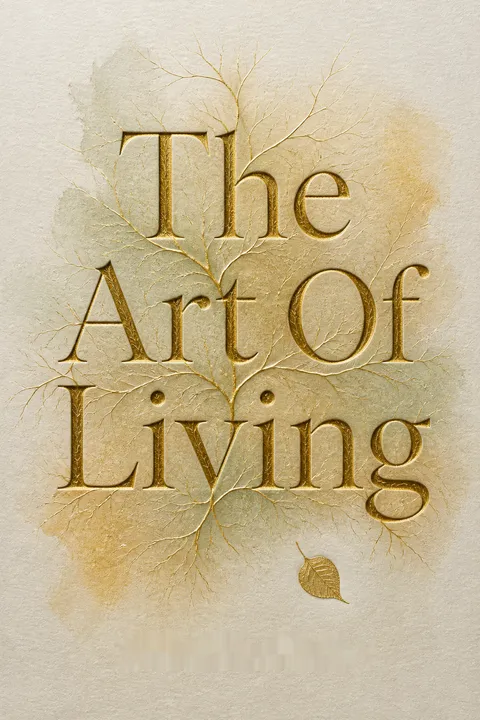
What's "The Art Of Living" by Thich Nhat Hanh about?
- Mindful Living: The book explores the art of living mindfully, emphasizing the importance of being present in each moment to achieve peace and happiness.
- Buddhist Teachings: It delves into fundamental Buddhist teachings, such as emptiness, signlessness, and aimlessness, to help readers understand the nature of existence and suffering.
- Practical Guidance: Thich Nhat Hanh provides practical exercises and meditations to help readers apply these teachings in their daily lives.
- Interconnectedness: The book highlights the interconnectedness of all things, encouraging readers to see themselves as part of a larger whole.
Why should I read "The Art Of Living"?
- Personal Growth: It offers insights into how to live a more fulfilling and peaceful life by understanding and transforming suffering.
- Mindfulness Practice: The book provides practical exercises to cultivate mindfulness, which can improve mental health and well-being.
- Spiritual Insight: Readers gain a deeper understanding of Buddhist philosophy and how it can be applied to modern life.
- Compassion and Understanding: It encourages the development of compassion and understanding, which can enhance relationships and community.
What are the key takeaways of "The Art Of Living"?
- Mindfulness: Practicing mindfulness can lead to greater peace, happiness, and understanding in life.
- Interbeing: Recognizing the interconnectedness of all things helps to dissolve the illusion of a separate self.
- Transformation of Suffering: Suffering can be transformed into understanding and compassion through mindful living.
- Present Moment: True happiness and freedom are found in the present moment, not in the pursuit of future goals.
What is the concept of "Interbeing" in "The Art Of Living"?
- Interconnectedness: Interbeing is the idea that all things are interconnected and interdependent, and nothing exists in isolation.
- No Separate Self: It challenges the notion of a separate self, suggesting that we are made up of non-self elements.
- Practical Implications: Understanding interbeing can lead to greater compassion and less discrimination, as we see ourselves in others.
- Environmental Awareness: It also encourages a deeper connection with the environment, recognizing that our well-being is tied to the health of the planet.
How does Thich Nhat Hanh define "Emptiness" in "The Art Of Living"?
- Fullness of Everything: Emptiness means being full of everything but empty of a separate existence.
- Interdependence: It highlights the interdependence of all things, where nothing can exist independently.
- Misconceptions: Emptiness is not nothingness; it is the absence of a permanent, unchanging self.
- Practical Insight: Understanding emptiness can help reduce suffering by dissolving the illusion of separateness.
What is the practice of "Aimlessness" in "The Art Of Living"?
- Being Present: Aimlessness is about arriving in the present moment and realizing that everything you seek is already here.
- Letting Go of Goals: It involves letting go of the constant pursuit of future goals and desires.
- Contentment: By practicing aimlessness, one can find contentment and happiness in the present moment.
- Spiritual Fulfillment: It aligns with the idea of resting in God or the ultimate, finding peace within oneself.
How does "The Art Of Living" address the concept of "Impermanence"?
- Nature of Change: Impermanence is the understanding that everything is in a constant state of change.
- Opportunity for Growth: It suggests that because things are impermanent, transformation and growth are possible.
- Living Fully: Recognizing impermanence encourages living fully in the present moment without attachment.
- Freedom from Fear: It helps to reduce fear and anxiety about the future by accepting the transient nature of life.
What is the significance of "Non-Craving" in "The Art Of Living"?
- Satisfaction in the Present: Non-craving is about realizing that you already have enough and are enough in the present moment.
- Freedom from Desire: It involves freeing oneself from the constant desire for more, which leads to true happiness.
- Mindful Consumption: Practicing non-craving encourages mindful consumption and appreciation of what one already has.
- Inner Peace: It leads to inner peace by reducing the restlessness and dissatisfaction caused by craving.
How does Thich Nhat Hanh suggest we practice "Letting Go" in "The Art Of Living"?
- Identifying Attachments: Letting go involves identifying what is entangling you and preventing happiness.
- Courage and Determination: It requires courage and determination to release attachments and ideas about happiness.
- Joy of Release: Letting go brings joy and freedom, allowing one to live more fully in the present.
- Transformation of Suffering: It is a key step in transforming suffering into understanding and compassion.
What does "Nirvana" mean in "The Art Of Living"?
- State of Coolness: Nirvana is described as a state of coolness and freshness, free from the flames of afflictions.
- Present Moment Experience: It is not a distant goal but something that can be touched in the present moment.
- Freedom from Suffering: Nirvana involves the extinction of suffering and the realization of non-fear.
- Ultimate Reality: It represents the ultimate dimension of reality, beyond birth and death, being and nonbeing.
What are some of the best quotes from "The Art Of Living" and what do they mean?
- "The way out is in." This quote emphasizes that true understanding and peace come from looking deeply within oneself.
- "You already are what you want to become." It suggests that everything you seek is already within you, and happiness is found in the present moment.
- "Thanks to impermanence, everything is possible." This highlights the positive aspect of change, allowing for growth and transformation.
- "Nirvana is now." It means that the peace and freedom of nirvana can be experienced in the present moment, not just after death.
How can the teachings in "The Art Of Living" be applied to daily life?
- Mindful Breathing: Practice mindful breathing to bring awareness and calm to everyday activities.
- Present Moment Awareness: Focus on being present in each moment to reduce stress and increase happiness.
- Compassionate Living: Apply the insights of interbeing and non-craving to cultivate compassion and understanding in relationships.
- Transforming Suffering: Use the teachings on letting go and impermanence to transform suffering into peace and joy.

تحميل PDF
تحميل EPUB
.epub digital book format is ideal for reading ebooks on phones, tablets, and e-readers.








































