أهم النقاط
1. إتقان أنماط الشموع اليابانية لفهم أعمق للسوق
"الشموع اليابانية هي لغة الأسواق المالية، فإذا أتقنت مهارة قراءة المخططات، ستفهم ما يحاول السوق إيصاله، وستتمكن من اتخاذ القرار الصحيح في الوقت المناسب."
تركيب الشمعة: تتكون الشمعة من جسم حقيقي (المسافة بين سعر الافتتاح والإغلاق) وظلال (الفتائل الممتدة للأعلى والأسفل). الأجسام الطويلة تدل على ضغط شراء أو بيع قوي، بينما الأجسام القصيرة تشير إلى نشاط ضعيف. الظلال العلوية والسفلية تقدم معلومات مهمة عن أقصى الأسعار خلال جلسة التداول.
الأنماط الرئيسية:
- الدوجي: يدل على التردد واحتمالية انعكاس الاتجاه
- الابتلاع: يشير إلى احتمال انعكاس أو استمرار الاتجاه
- المطرقة والنجم الطائر: تدل على احتمالية تكوين قيعان وذروات
- نجوم الصباح والمساء: تشير إلى انعكاسات الاتجاه
فهم هذه الأنماط يساعد المتداولين على تفسير نفسية السوق واتخاذ قرارات تداول مستنيرة. مارس التعرف على هذه الأنماط في المخططات لتطوير مهاراتك في التمييز واكتساب رؤى حول توجهات السوق.
2. فهم هيكل السوق: الاتجاهات، النطاقات، والأسواق المتقلبة
"إذا استطعت تحديد سوق يتجه نحو اتجاه معين، سيكون من السهل عليك التداول فيه، فإذا كان السوق صاعدًا، ستبحث عن فرصة شراء، لأن التداول يجب أن يكون مع الاتجاه، وإذا كان السوق هابطًا، عليك البحث عن فرصة بيع."
الأسواق المتجهة: تتميز بسلسلة من القمم والقيعان الأعلى (اتجاه صاعد) أو القمم والقيعان الأدنى (اتجاه هابط). هذه الأسواق توفر أفضل الفرص لاستراتيجيات متابعة الاتجاه.
الأسواق النطاقية: يتحرك السعر بشكل جانبي بين مستويات دعم ومقاومة. تشمل استراتيجيات التداول الشراء عند الدعم والبيع عند المقاومة، أو انتظار اختراقات السعر.
الأسواق المتقلبة: تفتقر إلى اتجاه واضح وتكون صعبة التداول. من الأفضل غالبًا تجنب التداول في هذه الفترات.
فهم هيكل السوق يساعد المتداولين على اختيار الاستراتيجيات المناسبة وتجنب التداول في ظروف غير مواتية. استخدم أطر زمنية أكبر (4 ساعات، يومي، أسبوعي) لتحديد الهيكل العام للسوق وضبط أسلوب تداولك وفقًا لذلك.
3. استخدام تحليل الأطر الزمنية المتعددة لاتخاذ قرارات أفضل
"لا يوجد متداول ناجح يعتمد على إطار زمني واحد لتحليل المخططات، ربما سمعت بمصطلح التحليل من الأعلى إلى الأسفل، والذي يعني البدء بالأطر الزمنية الأكبر لرؤية الصورة الكاملة، ثم الانتقال إلى الأصغر لاتخاذ قرار الشراء أو البيع."
التحليل من الأعلى إلى الأسفل: ابدأ بالأطر الزمنية الأكبر (الأسبوعي، اليومي) لتحديد الاتجاه العام والمستويات الرئيسية، ثم انتقل إلى الأطر الزمنية الأصغر (4 ساعات، ساعة) لاتخاذ قرارات الدخول والخروج.
خطوات تحليل الأطر الزمنية المتعددة:
- تحديد الاتجاه في الأطر الزمنية الأعلى
- تحديد مستويات الدعم والمقاومة الرئيسية
- إيجاد نقاط الدخول المحتملة في الأطر الزمنية الأدنى
- تأكيد نقاط الدخول بإشارات حركة السعر
يساعد هذا الأسلوب المتداولين على مواءمة صفقاتهم مع الصورة الأكبر وتجنب الصفقات ذات الاحتمالية المنخفضة. كما يقلل من مخاطر الانخداع بحركات السعر قصيرة الأمد وفقدان تحركات السوق الأكبر.
4. استغلال قوة أنماط الشمعة الدبوسية في التداول
"تتشكل الشموع الدبوسية عندما يتم رفض الأسعار، هذا الرفض لا يعني بالضرورة إشارة انعكاس، لأن هذا التكوين يمكن أن يظهر في أي مكان على مخططك."
خصائص الشمعة الدبوسية: جسم صغير مع فتيل طويل (ذيل) من جهة واحدة، يدل على رفض الأسعار عند مستويات معينة.
إعدادات الشموع الدبوسية ذات الاحتمالية العالية:
- تتشكل في أطر زمنية أكبر (4 ساعات، يومي)
- تتماشى مع الاتجاه العام
- تظهر عند مستويات دعم/مقاومة رئيسية أو مناطق هامة أخرى
استراتيجيات التداول:
- الدخول العدواني: الدخول فور إغلاق الشمعة الدبوسية
- الدخول المحافظ: الانتظار لتراجع 50% من الشمعة الدبوسية
- وضع وقف الخسارة خلف ذيل الشمعة
- تحديد أهداف الربح عند مستوى الدعم/المقاومة التالي
ادمج إشارات الشمعة الدبوسية مع عوامل أخرى مثل خطوط الاتجاه، المتوسطات المتحركة، ومستويات فيبوناتشي لزيادة فرص نجاح الصفقات.
5. الاستفادة من أنماط الشموع الابتلاعية لتحقيق صفقات ذات احتمالية عالية
"نمط الشمعة الابتلاعية من أقوى وأنجح أنماط حركة السعر، ومعرفة كيفية استخدامه بشكل صحيح كإشارة دخول سيحسن بشكل كبير من ربحيتك في التداول."
خصائص الشمعة الابتلاعية: نمط يتكون من شمعتين، حيث يغطي جسم الشمعة الثانية جسم الشمعة الأولى بالكامل.
نقاط مهمة لتداول نمط الابتلاع:
- الابتلاع الصاعد: احتمال انعكاس عند قاع الاتجاه الهابط
- الابتلاع الهابط: احتمال انعكاس عند قمة الاتجاه الصاعد
- أكثر موثوقية عند تكوينها في اتجاه الاتجاه العام
- ابحث عن أنماط الابتلاع عند مستويات دعم/مقاومة رئيسية
استراتيجيات التداول:
- الدخول بعد إغلاق الشمعة الابتلاعية
- وضع وقف الخسارة عند أدنى (للابتلاع الصاعد) أو أعلى (للابتلاع الهابط) النمط
- تحديد أهداف الربح عند مستوى الدعم/المقاومة التالي
- دمجها مع المتوسطات المتحركة، خطوط الاتجاه، أو مستويات فيبوناتشي للتأكيد
توفر أنماط الابتلاع إشارات دخول قوية، خاصة عند دمجها مع أدوات فنية أخرى ووجودها عند مستويات سوقية مهمة.
6. استغلال أنماط الشموع الداخلية لاستمرار الاتجاه أو انعكاسه
"الشمعة الداخلية تتكون من شمعتين، الأولى تسمى الشمعة الأم، وهي كبيرة، والثانية أصغر وتقع داخل نطاق الشمعة الأم."
خصائص الشمعة الداخلية: نمط يتكون من شمعتين، حيث تكون الشمعة الثانية محصورة بالكامل داخل نطاق الشمعة الأولى (الأم).
استراتيجيات التداول:
- استمرار الاتجاه: تداول الاختراقات في اتجاه الاتجاه
- انعكاس الاتجاه: ابحث عن الشموع الداخلية عند نهاية الاتجاهات أو عند مستويات رئيسية
- استراتيجية الاختراق الكاذب: الدخول بعد فشل اختراق الشمعة الداخلية
نقاط مهمة لتداول الشموع الداخلية:
- أكثر موثوقية في الأطر الزمنية الأكبر (4 ساعات، يومي)
- ابحث عنها عند مستويات دعم/مقاومة رئيسية
- ادمجها مع أدوات فنية أخرى للتأكيد
- استخدم أعلى/أدنى الشمعة الأم لوضع وقف الخسارة
تمثل الشموع الداخلية فترات تماسك وقد توفر فرص دخول ممتازة، خاصة عند دمجها مع عوامل توافق أخرى.
7. تطبيق إدارة مالية فعالة وضبط المخاطر
"أظهرت الدراسات أن المتداولين الناجحين لا يخاطرون بأكثر من 2% من رأس مالهم في كل صفقة."
مبادئ إدارة المخاطر:
- حدد المخاطرة بنسبة 1-2% من رأس المال لكل صفقة
- استهدف نسبة مخاطرة إلى مكافأة لا تقل عن 1:2
- استخدم حجم مركز مناسب بناءً على حجم الحساب وتحملك للمخاطر
- ضع وقف خسارة عند مستويات منطقية بناءً على حركة السعر
مثال على حساب المخاطرة:
- حجم الحساب: 10,000 دولار
- أقصى مخاطرة لكل صفقة: 2% = 200 دولار
- وقف الخسارة: 100 نقطة
- حجم المركز: 2 عقود مصغرة (للمخاطرة بـ 200 دولار)
تضمن الإدارة المالية الفعالة استمرارية التداول وتساعد على تجاوز فترات الخسارة المحتملة. اجعل الحفاظ على رأس المال أولوية قبل السعي لتحقيق الأرباح.
8. دمج حركة السعر مع الأدوات الفنية لتعزيز التداول
"إذا استطعت دمج مناطق العرض والطلب مع إشارة الشمعة الابتلاعية، ستزيد فرصك في تحقيق الأرباح كمتداول."
الأدوات الفنية المكملة لحركة السعر:
- مستويات الدعم والمقاومة
- خطوط الاتجاه والقنوات
- المتوسطات المتحركة (مثل 21 و8 فترات)
- تصحيحات فيبوناتشي (مع التركيز على مستويات 50% و61.8%)
- مناطق العرض والطلب
كيفية الدمج مع أنماط حركة السعر:
- تحديد المستويات الرئيسية باستخدام الأدوات الفنية
- البحث عن إشارات حركة السعر (الشموع الدبوسية، الابتلاعية، الداخلية) عند هذه المستويات
- تأكيد نقاط الدخول بعوامل توافق متعددة
- استخدام الأدوات لوضع وقف خسارة وأهداف ربح منطقية
يزيد هذا الأسلوب من احتمالية نجاح الصفقات من خلال الجمع بين قوة حركة السعر والتحليل الفني، ويساعد على تصفية الصفقات ذات الاحتمالية المنخفضة ويوفر رؤية أشمل لديناميكيات السوق.
قرأ الآخرون أيضًا






الأسئلة الشائعة
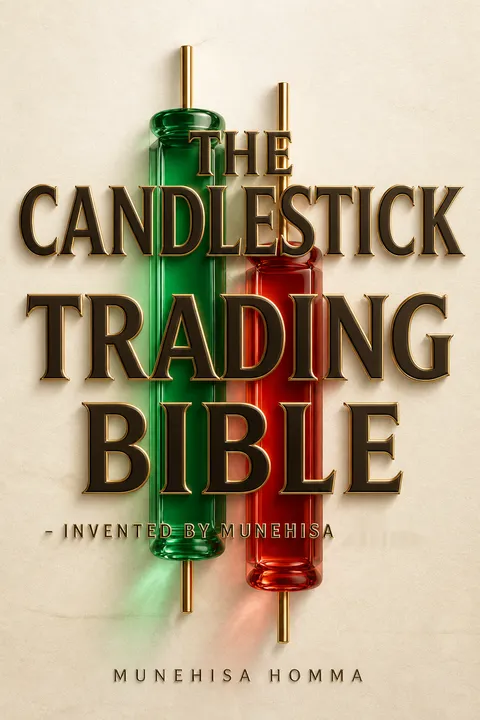
What's "The Candlestick Trading Bible" about?
- Overview: "The Candlestick Trading Bible" by Munehisa Homma is a comprehensive guide to trading using Japanese candlestick patterns combined with technical analysis.
- Historical Context: It introduces the history and development of candlestick charting, a method pioneered by Munehisa Homma, a successful Japanese rice trader.
- Trading System: The book presents a trading system that is designed to be consistent, profitable, and easy to follow, requiring minimal time and effort.
- Educational Focus: It emphasizes the importance of understanding market psychology and mastering candlestick patterns to make informed trading decisions.
Why should I read "The Candlestick Trading Bible"?
- Proven Strategies: The book offers strategies that have been proven to generate profits using Japanese candlestick patterns.
- Comprehensive Learning: It provides a detailed education on reading and interpreting candlestick charts, which are essential for trading in financial markets.
- Market Psychology: Understanding the psychology behind market movements is a key focus, helping traders make better decisions.
- Practical Application: The book is designed to be practical, with exercises and examples to help readers apply the concepts in real trading scenarios.
What are the key takeaways of "The Candlestick Trading Bible"?
- Candlestick Patterns: Learn to identify and interpret various candlestick patterns, such as the Engulfing Bar, Doji, and Hammer, which signal market trends and reversals.
- Market Structure: Understand how to identify trending, ranging, and choppy markets, and how to trade them effectively.
- Trading Strategies: The book outlines specific strategies like the Pin Bar and Engulfing Bar strategies, providing step-by-step guidance on their application.
- Money Management: Emphasizes the importance of risk management and developing a money management plan to protect trading capital.
What is the history of candlesticks according to "The Candlestick Trading Bible"?
- Origins: Candlestick charting originated in Japan in the 17th century, primarily used in rice trading.
- Munehisa Homma: Homma is credited with developing this method, understanding both supply and demand dynamics and market emotions.
- Western Adoption: Candlesticks were introduced to the Western world in the 1980s, gaining popularity due to their effectiveness in market analysis.
- Visual Representation: Candlesticks provide a visual representation of market activity, offering insights into price movements and trader psychology.
How does "The Candlestick Trading Bible" define a candlestick?
- Components: A candlestick is formed using the open, high, low, and close of a chosen time frame.
- Bullish vs. Bearish: If the close is above the open, the candlestick is bullish; if below, it is bearish.
- Real Body and Shadows: The filled part is the real body, while the lines above and below are shadows, indicating the high and low of the session.
- Body Sizes: Long bodies indicate strong buying or selling pressure, while short bodies suggest little activity.
What are the most important candlestick patterns in "The Candlestick Trading Bible"?
- Engulfing Bar: Indicates a potential reversal, with the second candle engulfing the first.
- Doji Patterns: Signify indecision in the market, often leading to reversals.
- Hammer and Shooting Star: Indicate potential reversals at the bottom or top of trends, respectively.
- Morning and Evening Stars: These are three-candle patterns that signal strong reversals.
How does "The Candlestick Trading Bible" suggest trading trending markets?
- Identify Trends: Look for higher highs and lows in uptrends, and lower highs and lows in downtrends.
- Impulsive and Retracement Moves: Trade at the beginning of impulsive moves, not during retracements.
- Support and Resistance: Use these levels to predict the start of impulsive moves.
- Trendlines: Draw trendlines to identify key support and resistance levels in trending markets.
What is the Pin Bar strategy in "The Candlestick Trading Bible"?
- Pin Bar Definition: A pin bar has a long tail and a small body, indicating rejection and a potential reversal.
- Trading with the Trend: Pin bars are most effective when traded in the direction of the prevailing trend.
- Key Levels: Look for pin bars at major support and resistance levels for high-probability setups.
- Entry Options: Enter aggressively after the pin bar closes or conservatively after a 50% retracement.
How does "The Candlestick Trading Bible" explain the Engulfing Bar strategy?
- Pattern Description: An engulfing bar consists of two opposite-colored bodies, with the second engulfing the first.
- Trend Reversal: A bullish engulfing pattern signals a reversal at the end of a downtrend, while a bearish one does so at the end of an uptrend.
- Trading with Levels: Combine engulfing bars with support and resistance levels for effective trading.
- Confluence: Use moving averages, Fibonacci retracements, and trendlines to confirm engulfing bar signals.
What is the Inside Bar strategy in "The Candlestick Trading Bible"?
- Pattern Definition: An inside bar consists of a smaller candle within the range of a larger mother candle.
- Reversal and Continuation: It can signal both reversals and continuations, depending on the market context.
- Trading with Trends: Best used in strong trending markets to join the trend after a pause.
- Support and Resistance: Use inside bars at key levels to confirm breakouts or reversals.
How does "The Candlestick Trading Bible" address money management?
- Risk/Reward Ratio: Emphasizes maintaining a risk/reward ratio of at least 1:2 to ensure long-term profitability.
- Position Sizing: Adjust position sizes based on account size and risk tolerance to manage exposure.
- Stop Losses: Use protective stop losses to limit potential losses and manage risk effectively.
- Emotional Control: Encourages setting and forgetting trades to avoid emotional decision-making.
What are the best quotes from "The Candlestick Trading Bible" and what do they mean?
- "The trend is your friend": Emphasizes the importance of trading in the direction of the prevailing market trend for higher success rates.
- "Candlesticks are the language of financial markets": Highlights the significance of understanding candlestick patterns to interpret market movements.
- "Trading is a game of probabilities": Reminds traders that success is about managing probabilities, not certainties, and the importance of risk management.
- "If you can get this skill, you will change completely your life": Encourages mastering candlestick patterns and market psychology to achieve financial independence through trading.
تحميل PDF
تحميل EPUB
.epub digital book format is ideal for reading ebooks on phones, tablets, and e-readers.








































