أهم النقاط
1. الصعود السريع لشركة WeWork مدفوع بالقيادة الكاريزمية والرؤية الجريئة
"آدم نيومان لم يكن يبيع مجرد مساحات مكتبية، بل كان يبيع حركة اجتماعية."
فكرة ثورية. بدأت WeWork كفكرة بسيطة: تحويل المكاتب التقليدية إلى أماكن عمل نابضة بالحياة ومجتمعية تجمع بين المستقلين والشركات الناشئة والمؤسسات الكبرى على حد سواء. تصور آدم نيومان وميغيل ماكلفي، المؤسسان، عالماً لا يكون فيه العمل مجرد مكان تذهب إليه، بل أسلوب حياة تحتضنه.
نمو سريع وتقييمات متصاعدة. كان توسع الشركة مذهلاً:
- 2010: افتتاح أول موقع لـ WeWork في مدينة نيويورك
- 2014: تقييم الشركة وصل إلى 1.5 مليار دولار
- 2017: تقييم الشركة وصل إلى 20 مليار دولار
- 2019: بلغ التقييم ذروته عند 47 مليار دولار
هذا النمو المتفجر كان مدفوعًا بكاريزما نيومان، ورؤيته الطموحة، وقدرته على إقناع المستثمرين بأن WeWork ليست مجرد شركة عقارات، بل شركة تقنية على أعتاب ثورة في طريقة العمل.
2. أسلوب إدارة آدم نيومان غير التقليدي وسلوكه الغريب
"ميل نيومان للإعلانات الضخمة والحفلات الصاخبة أصبح جزءًا لا يتجزأ من هوية WeWork مثل مساحاتها المكتبية الأنيقة."
عبادة الشخصية. بنى نيومان صورة شبه مسيحية، حيث قدم نفسه كقائد رؤيوي قادر على حل مشاكل العالم من خلال WeWork. تميز أسلوب إدارته بـ:
- اتخاذ قرارات متهورة
- إنفاق مبالغ طائلة على فعاليات الشركة ومتطلباته الشخصية
- تداخل واضح بين حياته الشخصية والمهنية
ممارسات مثيرة للجدل. أثار سلوك نيومان تساؤلات أخلاقية:
- تأجير مبانٍ يملكها لنفسه إلى WeWork
- تسجيل علامة "We" التجارية وبيعها للشركة مقابل 5.9 مليون دولار
- تعاطي مواد خلال ساعات العمل والاجتماعات
رغم تجاهل هذه الممارسات في البداية بسبب النمو السريع، إلا أنها أصبحت لاحقًا محور انتقادات حادة وساهمت في سقوط الشركة.
3. قوة السرد والهوية التجارية في جذب المستثمرين
"WeWork لم تكن تبيع مساحة مكتبية، بل كانت تبيع حلمًا."
صياغة قصة جذابة. نجاح WeWork في جذب الاستثمارات كان بفضل قدرتها على تقديم نفسها كأكثر من مجرد شركة عقارات. ركزت الشركة في سردها على:
- بناء مجتمع عالمي
- إحداث ثورة في أسلوب العمل والحياة
- استغلال التكنولوجيا لتحسين استخدام المساحات
براعة تسويقية. كانت جهود WeWork في العلامة التجارية متقنة وواسعة النطاق:
- تصميمات مكتبية عصرية وأنيقة أصبحت معروفة فورًا
- شراكات بارزة مع مشاهير ومؤثرين
- التركيز على الاستدامة والأثر الاجتماعي
هذا السرد مكن WeWork من الحصول على تقييمات شركات تقنية رغم أن نموذج عملها قائم على العقارات. كان المستثمرون يشترون رؤية مستقبلية، لا مجرد شركة تأجير مكاتب تقليدية.
4. التوسع السريع لشركة WeWork والممارسات التجارية المشكوك فيها
"النمو بأي ثمن أصبح شعار WeWork، حتى مع تراكم الخسائر."
استراتيجية توسع عدوانية. كان نمو WeWork لا يتوقف وعلى نطاق عالمي:
- افتتاح مواقع جديدة بوتيرة سريعة
- التوسع في أسواق ودول جديدة بسرعة
- التنويع في مجالات مثل التعليم (WeGrow) والمعيشة المشتركة (WeLive)
علامات مالية حمراء. رغم النمو، أظهر نموذج عمل WeWork نقاط ضعف كبيرة:
- خسائر ضخمة: 1.9 مليار دولار خسارة مقابل 1.8 مليار دولار إيرادات في 2018
- تكاليف عالية لاكتساب العملاء
- التزامات إيجارية طويلة الأجل مقابل عقود قصيرة الأجل مع العملاء
- ممارسات محاسبية مبتكرة لإخفاء الصحة المالية الحقيقية
كانت هذه الاستراتيجية تفضل النمو على الربحية، وهو نهج ثبت في النهاية عدم استدامته وساهم في اقتراب الشركة من الانهيار.
5. دور شركة SoftBank وصندوق Vision Fund في نمو WeWork
"دعم ماسايوشي سون حول WeWork من شركة أحادية إلى عملاق مالي وسرع في سقوطها."
استثمار ضخم من SoftBank. أصبح التكتل الياباني بقيادة ماسايوشي سون أكبر مستثمر في WeWork:
- استثمار أولي بقيمة 4.4 مليار دولار في 2017
- استثمارات لاحقة تجاوزت 10 مليارات دولار
تأثير صندوق Vision Fund. كان لتدخل SoftBank تأثيرات عميقة على WeWork:
- دفع الشركة نحو توسع أسرع
- الضغط من أجل تقييمات أعلى
- خلق ضغط لإجراء طرح عام أولي لتوفير عوائد
كانت العلاقة بين WeWork وSoftBank تكافلية لكنها في النهاية مشكلة. سمحت الموارد المالية الضخمة لـ WeWork بمواصلة استراتيجيتها العدوانية، لكنها أيضًا خلقت توقعات وتقييمات غير واقعية صعب تبريرها أمام المستثمرين في الأسواق العامة.
6. انهيار طرح WeWork العام الأولي والتداعيات اللاحقة
"كان من المفترض أن يكون طرح WeWork العام الأولي لحظة انتصار، لكنه كشف عيوب الشركة للجميع."
فشل الطرح العام الأولي. تحولت محاولة WeWork للاكتتاب في 2019 إلى كارثة سريعة:
- كشف ملف S-1 عن خسائر ضخمة وحوكمة مشكوك فيها
- تدقيق إعلامي مكثف لسلوك نيومان وتضارب المصالح
- انخفاض سريع في تقديرات التقييم
العواقب. أدى فشل الطرح إلى سلسلة من الأحداث:
- إجبار آدم نيومان على التنحي عن منصب المدير التنفيذي
- تسريحات جماعية وإجراءات تقشفية
- اقتراب الشركة من الإفلاس، تم تجنبه فقط بإنقاذ SoftBank
كشف الطرح العام الأولي عن نقاط ضعف WeWork الجوهرية، مما أجبرها على مواجهة تقييمها المبالغ فيه وممارساتها التجارية غير المستدامة. الشركة التي كانت تهدف إلى "رفع وعي العالم" سقطت بقوة على الأرض.
7. الدروس المستفادة من قصة WeWork التحذيرية للشركات الناشئة والمستثمرين
"قصة WeWork شهادة على مخاطر إعطاء الأولوية للنمو والرؤية على الأسس التجارية السليمة."
دروس للشركات الناشئة:
- النمو المستدام أفضل من التوسع السريع
- الحوكمة المؤسسية مهمة حتى للشركات الخاصة
- الكاريزما ليست بديلاً عن نموذج عمل قابل للحياة
دروس للمستثمرين:
- العناية الواجبة ضرورية بغض النظر عن الضجة أو الخوف من الفقدان
- الحذر من الشركات التي تخلط بين الصناعات
- الشركات التي تركز على المؤسس تحمل مخاطر فريدة
تُعد قصة WeWork تذكيرًا صارخًا بالمخاطر المحتملة في بيئة الشركات الناشئة. تؤكد على ضرورة تحقيق توازن في النمو، والشفافية في الحوكمة، والتركيز على المقاييس التجارية الأساسية. وللمستثمرين، تبرز أهمية التحليل الدقيق والشك، حتى في وجه الزخم الظاهر الذي لا يمكن إيقافه.
ملخص المراجعات
يُعد كتاب "عبادة الجماعة" سردًا مشوقًا لصعود وسقوط شركة WeWork، وقد نال استحسان القراء بفضل بحثه المتعمق وسرده الجذاب. يستعرض الكتاب ثقافة الشركات الناشئة، والجشع المؤسسي، وسوء التصرف المالي بطريقة أثارت اهتمام الكثيرين. قارن العديد من القراء هذا العمل إيجابيًا مع كتب أخرى تناولت فضائح الشركات مثل "الدم الفاسد". كما حظيت تفسيرات المؤلفين الواضحة للمفاهيم المالية المعقدة بتقدير واسع. وعلى الرغم من أن بعض القراء وجدوا أسلوب الكتاب جافًا في بعض الأحيان، إلا أن الغالبية انبهرت بالتفاصيل الصادمة عن غرور آدم نيومان والانهيار المذهل للشركة.
قرأ الآخرون أيضًا










الأسئلة الشائعة
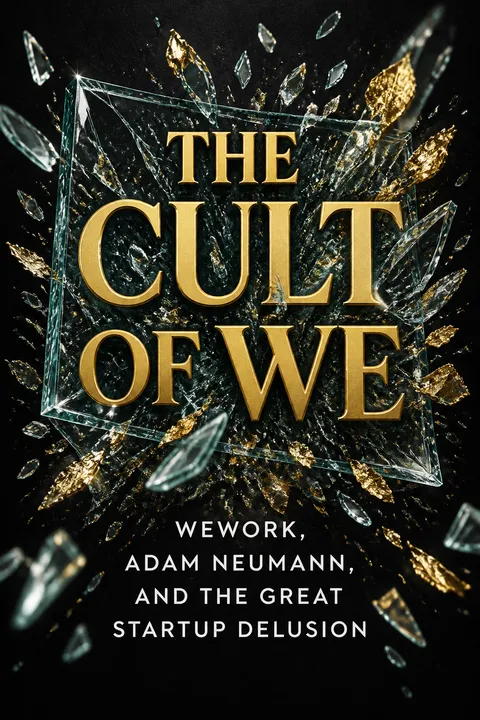
What's The Cult of We about?
- WeWork's Rise and Fall: The book chronicles the rapid ascent and subsequent collapse of WeWork, co-founded by Adam Neumann, highlighting its peak valuation of nearly $47 billion.
- Investment Culture: It examines the investment culture that fueled WeWork's growth, focusing on major investors like SoftBank and their funding strategies.
- Broader Themes: The narrative explores themes of ambition, excess, and the cult of personality in Silicon Valley, questioning modern capitalism and unchecked growth.
Why should I read The Cult of We?
- Startup Culture Insight: Offers a deep dive into Silicon Valley's startup culture, showing how charisma can overshadow sound business practices.
- Leadership Lessons: Provides valuable insights into leadership and governance, highlighting the pitfalls of founder-centric companies.
- Economic Context: Contextualizes WeWork's story within broader economic trends, serving as a cautionary tale about prioritizing growth over sustainability.
What are the key takeaways of The Cult of We?
- Sustainable Growth: Emphasizes the dangers of rapid growth without a sustainable business model, as illustrated by WeWork's collapse.
- Investor Influence: Highlights the critical role investors play in shaping a company's trajectory, often enabling reckless behavior.
- Founder Cult: Discusses the "cult of the founder" phenomenon, where charismatic leaders are given unchecked power, leading to poor decision-making.
How did Adam Neumann's leadership style impact WeWork?
- Charismatic Leadership: Neumann's charisma attracted investment and a loyal following, contributing to WeWork's initial success.
- Lack of Accountability: His leadership style led to a lack of accountability, with decisions made without board consultation.
- Conflicts of Interest: Personal investments in properties leased by WeWork created conflicts of interest, raising investor concerns.
What role did SoftBank play in WeWork's rise?
- Financial Backing: SoftBank provided billions in funding, boosting WeWork's valuation and enabling rapid expansion.
- Strategic Influence: CEO Masayoshi Son encouraged aggressive growth targets, allowing Neumann to operate with a sense of invincibility.
- Cautionary Tale: The partnership highlights the risks of relying on a single investor, as mounting losses made promises unsustainable.
How did WeWork's business model contribute to its downfall?
- Unsustainable Growth: The model of leasing long-term and subletting short-term led to financial strain and reliance on continuous funding.
- High Operating Costs: Rapid expansion resulted in high costs that outpaced revenue growth, creating a cycle of increasing losses.
- Failure to Adapt: Struggled to adapt to market changes, with a focus on branding over profitability, leading to investor skepticism.
What is "community-adjusted EBITDA" and why is it significant?
- Non-Traditional Metric: A non-standard financial metric created by WeWork to present a more favorable view of profitability.
- Misleading Representation: Allowed WeWork to portray itself as profitable despite significant losses, raising analyst and investor concerns.
- Investor Confidence Impact: Contributed to a perception of WeWork as a tech company, leading to a loss of confidence when true finances were revealed.
How did the culture at WeWork evolve over time?
- Startup to Corporate: Transitioned from a scrappy, community-oriented culture to a more corporate environment with increased hierarchy.
- Party Atmosphere: Known for a party-like atmosphere, attracting young employees but raising professionalism concerns.
- Leadership Disconnect: As Neumann became more removed, a disconnect grew between leadership and staff, affecting morale.
How did the failed IPO affect WeWork's future?
- Investor Confidence Loss: The failed IPO led to a significant drop in valuation and difficulty securing additional funding.
- Operational Changes: Prompted leadership restructuring and cost-cutting to stabilize the company.
- Business Strategy Shift: Refocused on core office space subleasing, shedding extraneous ventures for survival.
What lessons can be learned from The Cult of We?
- Strong Governance Need: Emphasizes the importance of robust corporate governance to prevent excesses of charismatic leaders.
- Investor Reality Check: Cautions investors to look beyond hype and charisma, highlighting the need for due diligence.
- Vision and Practicality Balance: Stresses the need for leaders to balance ambitious visions with practical business considerations.
How did the Neumanns' personal lives intertwine with WeWork?
- Lavish Lifestyle: The Neumanns' extravagant spending was often funded by WeWork, raising ethical concerns.
- Family Involvement: Rebekah Neumann's role in WeWork influenced the company's direction, often overshadowing business needs.
- Public Perception: Their personal choices became part of WeWork's narrative, clashing with business realities and contributing to its downfall.
What are the best quotes from The Cult of We and what do they mean?
- “If you do the right thing, you make the most money.”: Reflects Neumann's belief in ethical business practices, though often clashing with WeWork's reality.
- “We’re disconnected.”: Highlights WeWork's mission to foster community, ironically contrasting with members' feelings of isolation.
- “I want to be a billionaire so fucking bad.”: Captures Neumann's ambition and desire for wealth, overshadowing ethical business considerations.
تحميل PDF
تحميل EPUB
.epub digital book format is ideal for reading ebooks on phones, tablets, and e-readers.








































