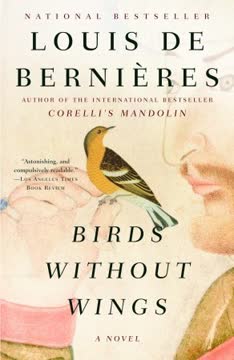
Plot Summary
A Town of Many Faiths
The Anatolian town of Eskibahçe flourishes in a chequerboard of faiths and ethnicities at the close of the Ottoman Empire. Muslims, Christians, and Armenians live side by side, sharing festivals, daily tasks, and even mischief, their bonds colored by affection but shadowed by prejudice and the casual boundaries of faith. The rhythm of life is set by the land, the seasons, and the collective rituals of feast and mourning. Old rifts occasionally surface, but are soothed over cups of bitter tea and the good offices of people like Iskander the Potter and Abdulhamid Hodja, the saintly imam. Yet, beneath the surface, the world beyond Eskibahçe begins to stir—a rumble of new nations, imperial ambitions, and surging identities that will soon test the fragile peace.
Twin Births, Twin Destinies
At the dawn of the twentieth century, two distinct births mark the threshold of upheaval. In Eskibahçe, Philothei arrives, startling the town with her beauty and stirring an early sense of foreboding, her life already bound to both adulation and hazard. Meanwhile, far away, Mustafa Kemal is born amidst a stew of Balkan identities, destined to transform a nation. Superstitions and celebrations entwine around new life, but the town's pronouncements warn: beauty and brilliance often invoke fate's envy. The delicate balance of the generations stands, yet the story hints the winds of history are converging, each destiny poised to clash with forces beyond parochial control.
Arrival of Destiny's Men
While Eskibahçe's narrative is shaped by the everyday triumphs and tragedies of its residents, the greater world surges forward. Mustafa Kemal's youth, marked by rebellious intelligence and disdain for archaic authority, is emblematic of the new tides sweeping Turkey. The collapse of old systems summons forth both revolutionary zeal and the confusions of modernity. In parallel, the children of the village—Karatavuk, Mehmetçik, Ibrahim, and the radiant Philothei—grow in a world still innocent, their fates unwittingly entangled with Kemal's growing shadow. As the men and women endure, celebrate, and mourn, the cracks between empire and nation widen.
Childhood Bonds and Betrothals
Innocence binds the children of Eskibahçe—Karatavuk and Mehmetçik with their crafted birdwhistles, and Ibrahim's unwavering devotion to Philothei. Even as they mimic birds and chase laughter, early rites of passage and rituals—like betrothal by the exchange of gifts—seed lifelong connections. Yet these unions, particularly the one between Muslim Ibrahim and Christian Philothei, mirror the fluid yet fragile harmony of their town. Under the surface, the playful teasing and tender promises gesture to the more profound tears and divisions on the horizon. Their make-believe wings cannot lift them above the gathering storms.
Feasts, Deaths, and Innocence
Life in Eskibahçe is a tapestry of regular celebration and ritualized sorrow. Christenings, feasts, and church processions breathe hope into days, while rites of exhumation and mourning teach children their first lessons in loss. The dead are never far from the living, their bones handled and honored, suspicions and curses lingering around family fates. Friendships like that of ugly Drosoula and luminous Philothei show how beauty and ugliness intertwine, and how love endures through hardship. These repeated cycles grant meaning and rhythm, but also reveal anxieties simmering—about purity, guilt, and consequences that will ripple as the world intrudes.
Lions, Birds, and Potters
Iskander, master of clay, muses on creation and legacy while Ibrahim courts Philothei with gifts of wings. Nicknames—Karatavuk the Blackbird and Mehmetçik the Little Mehmet—cement identities forged in play, foreshadowing the men they will become. The town's routines, from the making of pots to the exchange of doves for blessings, are laden with symbolism and a subtle apprehension of doom. Beneath each act of generosity or mischief, pride and jealousy stir. The bonds loosen, exposed to both internal feuds and the fraying authority of distant rulers. Each craftsman, each child, seeks to create, to escape, or to belong, but fate offers few clear choices.
Scars of Loss
The communal fabric tears under scandal and cruel tradition. Tamara's adultery is discovered by the telltale shoes outside the harem, leading to mob violence and the nearly fatal application of sharia and social codes. Women's fates—stoned for infidelity, rescued or banished—reveal the brittle calculus of reputation and the daily threat of violence. Rustem Bey, torn between duty, desire, and sorrow, is left to reconcile grief with responsibility. Across the generations, the wounds of such episodes echo in new rifts and the hardening of lines between faiths, sexes, and families. The costs for love—lost, abused, or refused—are paid in blood and exile.
Honour, Rumours, and Blood
Honour becomes both shield and noose. The town staggers under fresh blows—murder spun from stories, vengeance exacted through banishment or blood. The death of Bezmialem, at her brother's hand, exposes the tyranny of patriarchal expectation: loyalty to family, faith, and custom compels the destruction of what is most loved. Rumors swirl, resentment festers, and the humiliation of once-integrated Armenians signals the slow, inexorable slide into ethnic division and fear. Bitter self-blame and curses take root, as the grievances of past generations bleed into those of their children. The possibility of forgiveness dims; nobody emerges unscathed.
The Long Shadow of War
The First World War, rendered both epic and personal, overtakes Eskibahçe with relentless hunger. Under the leadership of Mustafa Kemal, young men—including both Muslims and Christians—are swept from fields into the trenches. The bitter realities of Gallipoli, as seen through Karatavuk's eyes, dispel all illusion about glory and holy war. Childhood comrades are scattered—some to labor, some to death, some transformed into outlaws. The front bleeds into the home front: starvation, requisitions, and epidemics hollow out the town. The years bring not only battle wounds and medals but also psychological trauma, deepening madness, and severed hopes. The world has cracked open.
Lines Divided, Dreams Broken
As the Ottoman Empire unravels, new states and identities sweep away the old ambiguities. Population exchanges are decreed—Muslims and Christians are forcibly swapped between Turkey and Greece, violently uprooted from homes, olive groves, and tombs. Familiar neighbors become strangers; companions of childhood become exiles or enemies. Rustem Bey and others try to mediate—saving Armenian girls, plotting survival—but the tide is unstoppable. Plagues, official theft, and the opportunisms of warlords shadow every journey. The departure is both physical and metaphysical—the very memory of a shared world frays, replaced by ruins, ghosts, and bitterness unmoored from the land.
Flight, Exile, and Curses
The exiled Christians—among them Drosoula, her family, and the memory of Philothei—navigate the perils and humiliations of forced migration, finding inhospitable new homes across the sea. Bonds are cut, loved ones lost or drowned; curses and furious farewells bind the living and the dead. The exodus is not only a physical spasm but a convulsive break in the soul. Meanwhile, the mad and grieving remain behind—Ibrahim branded by guilt for Philothei's death, skirting the edge of reason, keeping her alive through mournful music and ceaseless regret. The land and identity are split irrevocably, wounds echoing across generations.
Outlaws Return, Friends Depart
Amid the shattered town, survivors seek each other out. Red Wolf—once Mehmetçik, now a notorious bandit—returns in secret to find his family gone, their home inhabited by Cretan strangers. He and Karatavuk, now a maimed potter-turned-scribe, share a brief, bittersweet reunion, swapping tools, swearing loyalty, and lamenting their losses. Encounters with mad Ibrahim, the Dog, and other ghosts of the past highlight how trauma, grief, and memory stifle renewal. Desperate to preserve meaning, Karatavuk clings to his birdwhistles and his written records, even as the very act of writing—through shifting alphabets—marks the passage into an unrecognizable new world.
Exodus and Farewells
The final removal of Eskibahçe's Christians is marked by chaos, tenderness, and gestures of unlikely solidarity. Some Muslims quietly help their departing neighbors, lending donkeys or safeguarding trunks—a last echo of old friendship. The priest, Father Kristoforos, leads the exiles mournfully, icon in hand, his prayers pitched at a God who seems increasingly absent. The departed carry bones, icons, and tokens of home; their former houses are left to rot, their fields to strangers. For those left behind—Ayse, Iskander, and others—a new loneliness and the silence of absent bells and voices descend, pierced only by the lament of cats and the uneasy acceptance of loss.
Epilogues and Unforgiving Land
The town is scrubbed clean—churches defaced, graves emptied, old comforts forbidden. Even the memory of coexistence fades. Those who remain, like Rustem Bey (tending to dying pets, reeling from old loves) and Iskander (now forever shamed by the wounding of his son), struggle to adapt, taking up new trades or rituals that echo a vanished order. The arrival of Cretan Muslims, with their dances and strange tongues, cannot fully fill the void. Each new beginning is shadowed by absence, a sense of being ghosts among ruins. Myths about the surviving town, Fethiye, proliferate, lending the past a dreamlike ambiguity, even as bitter wounds refuse to heal.
In the Wake of Absence
Through the memories of Drosoula, Ayse, and others, the effects of exile resonate across the Ionian and Aegean seas. Old loyalties and loves mutate into hybrid identities: refugees in Greece, once "practically Turks," bear both pride and pain for their vanished homeland. Letters go unread; precious keepsakes are left in the care of former neighbors. The survivors remember their vanished world—of beauty and ordinariness, friendship and betrayal, impossible choices and the strange mercy in forgetting—as they build new lives on foreign shores. Yet an aching nostalgia lives on, rethreading itself in dreams, lullabies, and the stubborn survival of language.
New Roots, Fading Echoes
Survivors adapt—Karatavuk, now the left-handed scribe, finds meaning in storytelling and the faint hope of new work. The Cretan Muslims sow basil from their own earth, Turkish Christians cling to hybrid rituals, each group haunted by memories of home. The cycles of land and trade, of birth and death, resume haltingly, but now reshaped by absence. New generations inherit proverbs, scars, and stories of flight; echoes of singing birds and nightingales drift above the empty streets. The best that can be hoped is to "do the magic" in the mirror each morning—manufacturing beauty or hope despite longing for what cannot return.
Unwinged Flight, Unhealed Grief
In the twilight of memory, Eskibahçe endures only in fading stories and proverbs. Old rivalries, passionate loves, and small joys are recounted by those, like blind, aged Karatavuk, who remember both the bird whistles and the death marches. Now, as the land is renamed, as markets bustle, and as the world forgets, the lesson lingers: people, like birds, long to ascend—to transcend fate, history, and grief—but remain wingless, bound to sorrow, error, and the hope of forgiveness. The song of coexistence cannot fully die, yet the wind has scattered its feathers far. The land accepts new roots, but never forgets what was lost.
Analysis
In Birds Without Wings, Louis de Bernières crafts a moving, tragic, and at times wryly comic portrait of a community destroyed by the machinery of modern nationhood. The novel operates both as a requiem for lost pluralism and a warning about the lure of exclusionary identity. Through the overlapping stories of Eskibahçe's Muslims, Christians, and exiles, readers are invited to witness the ordinary heroism and ordinary betrayals that become inevitable amid war, dogma, and forced assimilation. The titular image—of "birds without wings"—evokes the longing for transcendence in a world that repeatedly grounds its inhabitants, often violently. The emotional arc, most manifest in the doomed love of Philothei and Ibrahim, functions as the microcosm of the broader collapse: love and community are made impossible by forces beyond individual will. The ultimate lesson is one of humility and warning: history is shaped as much by ignorance and accident as by intention; violence, once unleashed, cannot be neatly contained or reversed. At its best, the novel reminds us of the richness of coexistence, the perils of ethnic absolutism, and the necessary, if difficult, work of memory and mourning. In our troubled age, the story resonates as both lament and challenge—a call to refuse the easy boundaries of "us and them," and to recognize the wounds our ancestors' wings, or lack thereof, still impress upon our own time.
Review Summary
Birds Without Wings receives overwhelmingly positive reviews, averaging 4.16/5. Readers praise de Bernières' rich prose, vivid characters, and masterful portrayal of a multicultural Ottoman village torn apart by WWI and nationalist forces. Many highlight the emotional depth, dark humor, and historical insight, particularly regarding Gallipoli and the Greek-Turkish population exchange. Some critics note the novel's excessive length and slow pacing. One reviewer raises serious concerns about historical inaccuracies, particularly regarding the Bulgarian April Uprising of 1876, accusing the author of bias toward the Ottoman Empire.
People Also Read
Characters
Philothei
Philothei stands at the tender heart of Eskibahçe's story—a girl born with astonishing beauty, adored by many yet never at peace. Her beauty, more curse than blessing, marks her for envy, expectation, and ultimately, despair. Betrothed since childhood to Ibrahim, her love's endurance mirrors the hope and the doom of the town's unity. Philothei's gentleness, vulnerability, and lack of guile contrast with the turbulence of her era—her life becomes a mirror for the suffering wrought by war, exile, and religious strife. Her tragic, accidental death at her beloved's hand, on the eve of their forced separation, leaves a wound both intimate and emblematic—her memory haunts survivors, symbolizing what is lost when a community is torn asunder.
Ibrahim
Ibrahim embodies love's ardor, innocence, and tragic potential. From his earliest years, he is both the clown of the village—famed for his humorous goat impressions—and the unshakable shadow at the side of Philothei. His devotion, pure but unschooled, is shattered by war and loss. Scarred physically and mentally by years at the front and the horrors he both witnesses and, in a fury of revenge, perpetrates, he returns home a broken man, branded "Ibrahim the Mad." The fateful, accidental killing of Philothei plunges him into a living hell of guilt and mourning—a soul caught forever at the intersection of love, fate, and the violence imposed by history. He personifies postwar trauma, suffering both public abandonment and the private torture of memory.
Karatavuk (Abdul)
Karatavuk grows from an imaginative, amiable boy (nicknamed for his bird whistle) into both participant and observer. Surviving years in the trenches of Gallipoli, he is both traumatized and transformed, losing the use of his arm by his own father's hand—a wound emblematic of accidental, generational harm. Unable to continue as a potter, he becomes the town's scribe, recording stories as old languages and identities are swept away. His perspective is both mournful and philosophical, bridging innocence and harsh experience. Through Karatavuk, the persistence of hope, friendship, and the calling to remember—and possibly redeem—the past is given human voice, even as he recognizes the ultimate limits of healing.
Mehmetçik (Nicos, Red Wolf)
Mehmetçik, once the "little robin" to Karatavuk's "blackbird," epitomizes the dark paths forced upon the marginalized. Excluded from battle by his Christianity, he is pressed into a labor battalion—one of the book's harshest indictments of discrimination and betrayal—then becomes a notorious outlaw, Red Wolf. His journey from innocent mischief, shared secrets, and literacy lessons to pain, social alienation, and bitterness parallels the fate of so many non-Muslim Anatolians. His reunion and parting with Karatavuk are deeply poignant, reflecting the breakdown of everything childhood and coexistence once promised, and the cost, both practical and spiritual, of survival in exile.
Drosoula
Drosoula, though considered unattractive and fated for an ordinary life, nevertheless becomes the most stalwart witness and chronicler of loss. Loyal friend to Philothei, loving wife and determined mother, she survives disasters, curses her son for criminal acts, mourns the death of loved ones, and ultimately adapts to exile in Cephalonia. Her narrative voice imparts both the resilience and the rage of women who, in enduring war's cruelties and the arbitrariness of fate, must remake themselves again and again. Her story is a study in both memory and the dangers—yet necessity—of forgiveness.
Iskander the Potter
Iskander embodies the craftsman's role as creator and shaper, proud of his proverbs and his traditions. Yet he is also a tragic figure—a man who, in the chaos of betrayal and confusion, wounds his own son Karatavuk, forever marking them both. His love of making—pots, riddles, children—coexists with a profound sense of regret and inadequacy as war and exile rob him of his community and cherished skills. Iskander's arc shows the helplessness of the "ordinary man," the agony of choices made in fear, and the longing for a world where one's place and purpose were once secure.
Rustem Bey
Rustem Bey is the town's wealthy, urbane landlord—a man with a modern mind but caught in the web of tradition, loneliness, and duty. His marriages, affairs (notably with Ioanna/Leyla Hanim), and efforts to mediate communal strife place him at the vortex of the town's changing fortunes. He is at times generous, at times harsh; he saves some (the Armenian girls), fails others (Tamara), and is left to bury pets and lovers with equal loneliness. His melancholy, regret, and search for meaning—rendered in grand symbolic acts, like commissioning copper plates—epitomize the region's diminished nobility and the cost of watching one's world vanish.
Leyla Hanim / Ioanna
Leyla, initially presented as the glamorous Circassian mistress, is ultimately revealed as Ioanna, an abducted Greek woman living under layers of performance and longing. Her journey—from slavery and concubinage to self-discovery, music, and a final return to her birthplace—embodies the search for identity and the profound costs of displacement. Her wisdom, sensuality, and capacity for reinvention—teaching beauty to others, daring to chase her own reunification with Ithaca—offer both an antidote and a painful contrast to the fates of the more static, heartbroken characters.
Abdulhamid Hodja
Abdulhamid Hodja, the town's imam, is a rare mediator who combines erudition, tolerance, and quiet devotion. Known for his affection for his horse, Nilufer, and for his stoic endurance, he bridges spiritual divides through patient dialogue and quiet acts of charity. His power to mediate, however, is no match for the political and sectarian storms that descend. His decline, accelerated by the loss of his beloved horse, reflects the shattering of old certainties, the suffocation of kindness by fanatics, and the tragic loneliness that comes with seeing one's world pass away.
Mustafa Kemal (Atatürk)
Interwoven through the local narratives is the grand arc of Mustafa Kemal. He rises from a clever outsider in Ottoman Macedonia to the revolutionary founder of Turkey. Idealistic but ruthless, often unsparing of both friend and foe, Kemal embodies the ambitions and contradictions of nationhood. For the villagers, he is both hero and author of radical change—bringing literacy, science, and secularism, but also violence, disruption, and the end of an era. His personal journey, loves, and sacrifices are shadowed by grand ambition; his reforms are both promise and loss. Psychologically, he is the ultimate "bird without wings"—soaring above tradition, but carrying the loneliness of power.
Plot Devices
Polyphonic Structure Swirling Through Time
De Bernières uses a polyphonic narrative, shifting between first-person recollections, omniscient observations, and individual perspectives—Philothei's plaintive notes, Drosoula's laments, Karatavuk's eyewitness accounts, even the musings of the nearly-mythical Dog. This mosaic structure mirrors the diversity and subsequent fragmentation of Eskibahçe itself. Bold changes in narrative mode—letters, oral testimony, inner voice—convey modernity's disjunction and the impossibility of a single, authoritative history. Short, lyrical monologues alternate with historical set-pieces, allowing both emotional immediacy and a panoramic sweep. In the foreground, intimate dramas play out; in the background, tectonic shifts in empire, identity, and myth are enacted.
Foreshadowing and Circularity
The novel is layered with foreshadowing: ominous proverbs, the symbolism of birds (flight, longing, the impossibility of escape), the echoing of old stories in new horrors (stonings, exile, pogroms). Recurrence—of beauty and curses, of acts misunderstood or misused—reinforces life's tragic circularity and the limitations of wisdom. Early playful competitions and mischief become, in adulthood, lethal conflict and betrayal. The structure of memory itself is invoked—disorienting, partial, sometimes comforting, often unreliable.
Political Allegory & Historical Dissection
The fates of villagers function as allegories for the wider collapse of Ottoman pluralism and the brutal birth of nation-states. The exchanges of populations, the firing of Smyrna, and cycles of revenge are rendered in miniature—children's games become real atrocities; ancient graves are unmoored, literalizing cultural loss. The village, with its intermarriages, jokes, and occasional cruelty, is both a utopia and a warning, lost as new borders fix what once was fluid. De Bernières employs the tension between everyday detail and historical epic, exposing both the contingency of identity and the tragedy of irresistible, external force.
Narrative Irony and Retrospective Wisdom
The narration is marked by a deep irony: survivors speak from old age or exile, wise too late, mourning both what was lost and what was perhaps never truly attainable. The proverbs of Iskander, the epigrams of Drosoula, the final vision of aged Karatavuk—all offer belated insight, filtered through wounds too deep for nostalgia alone to soothe. The act of writing itself—changing alphabets, unread letters, lost histories—serves as a motif of both defiance and futility.








































