
Key Takeaways
1. Weight gain is an environmental and biological issue, not a moral failure
If you’re struggling with excess weight, it’s because you’re different. You have a different body, which is functioning in a different way and has been on a different life journey to all those people who seem to be able to maintain a healthy weight so effortlessly.
Biology over willpower. The modern narrative surrounding weight loss falsely equates carrying excess fat with laziness, greed, or a lack of moral character. In reality, our evolutionary biology has remained unchanged for hundreds of thousands of years, while our environment has transformed dramatically since the 1980s. We are now surrounded by an unprecedented abundance of cheap, calorie-dense foods and sedentary lifestyles that hijack our ancient survival mechanisms.
Malfunctioning internal signals. When a car's low-fuel light flashes, we do not blame the vehicle; we simply fill the tank. Similarly, hunger is a biological warning signal that can malfunction when exposed to modern environmental triggers, causing us to feel hungry even when we have plenty of stored energy.
- Our genes and past experiences set the dial on how we respond to food cues.
- Chronic stress, sleep deprivation, and irregular routines disrupt our hormonal signaling.
- We cannot consciously control these internal signals any more than we can control feeling hot in the summer.
A compassionate approach. Shaming and blaming yourself for struggling with weight is not only scientifically unsound but also highly counterproductive. Lasting change begins when you stop fighting your body and instead learn to work with its natural biological signals. By understanding that your body is simply responding to its environment, you can become your own mechanic and fix the underlying machinery.
2. Crash diets fail because they trigger survival mechanisms and raise your "weight point"
Your system doesn’t know you’re trying to lose weight on purpose. It’s not trying to give you a bad day on your bathroom scales. It’s trying to save your life.
The weight point defense. The human brain possesses an internal thermostat known as the "weight point," which is the specific level of fat it considers ideal for survival. When you embark on a restrictive, low-calorie crash diet, your body interprets the sudden drop in energy as a life-threatening famine. In response, it slows down your metabolism, increases your hunger hormones, and actively fights to restore your lost weight.
The metabolic slowdown. This biological defense mechanism explains why contestants on extreme weight-loss shows often regain their weight; their bodies permanently lower their daily calorie-burning capacity to conserve energy. Forcing yourself to ignore intense hunger through sheer willpower is an unsustainable strategy that ultimately damages your metabolism.
- Restrictive dieting signals the brain to hold onto fat stores more aggressively.
- The body compensates for calorie deficits by making you feel tired, cold, and irritable.
- Over time, repeated crash diets actually push your baseline weight point higher.
Lowering the thermostat. To achieve permanent weight loss, you must focus on strategies that safely adjust your brain's weight point downward rather than forcing temporary calorie restriction. This is achieved by consistently eating high-quality foods and managing lifestyle factors like stress and sleep. When your weight point is set correctly, your body will effortlessly shed excess fat without triggering its survival alarms.
3. Eat minimally processed "one-ingredient" foods to reset your hunger signals
One of the most powerful pieces of health advice I can give anyone is this: eat (more) real food.
The bliss point trap. Modern ultra-processed foods are scientifically engineered to hit the "bliss point"—the perfect combination of sugar, fat, and salt that triggers a massive release of dopamine in the brain. This chemical surge creates intense cravings and trains your brain to seek out these high-calorie foods automatically whenever you feel tired or stressed.
Overcoming leptin resistance. Regularly consuming these highly processed "blissy" foods causes chronic inflammation and elevated insulin levels, which block the brain's ability to hear leptin, the hormone that signals fullness. This state of leptin resistance leaves you feeling perpetually hungry, even when your body has stored more than enough fuel.
- One-ingredient foods like carrots, eggs, and fish do not come with ingredient labels.
- Real foods do not over-activate the brain's dopamine-reward pathways.
- Eating whole foods naturally reduces inflammation and restores leptin sensitivity.
The simplicity of real food. You do not need to follow a highly restrictive, complicated diet to lose weight; you simply need to eat food that your body recognizes as food. Transitioning to a diet dominated by single-ingredient whole foods automatically regulates your appetite and lowers your weight point. By focusing on food quality rather than quantity, you allow your body's natural satiety mechanisms to do the hard work for you.
4. Stabilize your blood sugar by prioritizing protein and eating "dinner for breakfast"
Changing his breakfast changed Alan’s whole life. That granola used to sabotage his entire day.
The blood sugar rollercoaster. Starting your day with typical breakfast foods like sugary cereals, toast, or pastries causes a rapid spike in blood sugar, followed by a sharp insulin-driven crash. This hormonal plunge leaves you feeling shaky, fatigued, and ravenous just a few hours later, triggering a vicious cycle of mid-morning snacking and poor food choices.
The power of protein. Prioritizing high-quality protein at every meal is one of the most effective ways to stabilize your blood sugar and keep hunger at bay. Protein is highly satiating, requires more energy to digest than other macronutrients, and helps preserve the lean muscle mass necessary for maintaining a healthy metabolism.
- Aim for one palm-sized portion of protein per meal for women, and two for men.
- Excellent sources include eggs, wild fish, lean meats, lentils, tofu, and Greek yogurt.
- Protein-rich meals prevent the insulin spikes that lock your body into fat-storage mode.
Dinner for breakfast. Experimenting with non-traditional breakfast options—such as leftovers, eggs with vegetables, or savory dishes—can completely transform your daily energy levels and cognitive focus. By breaking your fast with a balanced, savory meal, you step off the blood sugar rollercoaster and regain control over your appetite for the rest of the day.
5. Untangle emotional eating and stress to deactivate the body's "store-fat" signal
We used to eat food to fill a hole in our stomach. Now we eat food to fill a hole in our hearts.
The chemical hug. Many of us eat not because we are physically starving for calories, but because we are starving for emotional comfort, connection, or stress relief. When we experience loneliness, anxiety, or low self-esteem, our brains seek out the quick dopamine hit of "comfort foods" to temporarily soothe our emotional pain.
Stress and cortisol. When you are chronically stressed, your body enters a survival-oriented "action state" and floods your system with cortisol. This hormone signals your body that it is in danger, which slows down your digestion and actively triggers your cells to store as much fat as possible for the perceived emergency.
- Eating high-calorie foods while stressed leads to more weight gain than eating them while relaxed.
- The "Freedom Exercise" helps you identify the emotional triggers behind your cravings.
- Simple breathing techniques, like the Five-Finger method, can rapidly shift your body into a relaxed "rest state."
Healing through connection. To break the cycle of emotional eating, you must address the underlying emotional needs that food is temporarily trying to solve. Prioritizing daily human connection, practicing self-compassion, and speaking kindly to yourself in the mirror are powerful tools that build psychological resilience. When you nourish your heart and mind, the urge to self-soothe with blissy foods naturally diminishes.
6. Prioritize high-quality sleep to regulate appetite and prevent hormonal cravings
Starting your weight-loss journey without sorting out your sleep is like trying to juggle while riding a bike.
The sleep-deprivation trap. Sleep is the absolute foundation of healthy weight management, yet it is often the most neglected factor. When you are sleep-deprived, your body's hormonal balance is severely disrupted: your fullness hormone (leptin) plummets, while your hunger hormone (ghrelin) surges, driving you to consume hundreds of extra calories the next day.
Hormonal fat storage. A lack of sleep not only increases your cravings for highly processed, sugary foods but also impairs your body's ability to burn fat. When you attempt to lose weight while chronically tired, your body preferentially burns lean muscle tissue instead of fat, sabotaging your metabolic rate.
- Sleeping only five hours a night can increase your daily calorie intake by over 20 percent.
- Alcohol sedates the brain but severely degrades the actual quality of your restorative sleep.
- Exposing your eyes to bright natural light first thing in the morning helps regulate your sleep cycle.
Darken your nights. Modern exposure to artificial blue light from smartphones, tablets, and televisions suppresses melatonin, the hormone that signals your body to prepare for sleep and digestion. Establishing a relaxing, screen-free bedtime routine and writing down your worries in a journal can dramatically improve your sleep quality, making sustainable weight loss infinitely easier.
7. Replace punishing workouts with joyful daily movement and simple strength training
Heavy, prolonged exercise can sometimes turn the store-fat signal against us.
The exercise trap. The conventional "calories in, calories out" model of weight loss suggests that we must punish ourselves with grueling workouts to burn off the food we eat. However, extreme physical exertion can trigger a massive stress response, raising cortisol levels and signaling the body to hold onto its fat stores for survival.
The power of muscle. Instead of focusing on exhausting aerobic exercise, prioritizing short, consistent sessions of strength training is highly effective for fat loss. Building lean muscle mass increases your baseline metabolic rate, improves insulin sensitivity, and helps lower your body's weight point without triggering intense hunger cravings.
- Up to 70 percent of the energy you burn daily is used simply to keep your organs functioning.
- The "Core Kitchen Three" routine (squats, overhead presses, and rows) takes under five minutes.
- Walking is a highly undervalued movement that releases stress-resilient molecules called myokines.
Consistency over intensity. Movement should be a joyful celebration of what your body can do, not a punishment for what you ate. By integrating small, manageable habits of movement into your daily routine—like lifting a kettlebell while the kettle boils—you build self-esteem and lasting physical strength.
8. Optimize your eating window to align with your body's natural circadian rhythms
Humans didn’t evolve to have food constantly in their systems. We’re not designed to be digesting food all day long.
The constant feeding state. In the 1970s, most people ate three distinct meals a day without snacking, but today, the average adult consumes food over a fifteen-hour window. This constant grazing keeps insulin levels perpetually elevated, meaning the body is stuck in fat-storage mode and never gets a chance to burn its own energy reserves.
Time-restricted eating. Compressing your daily food intake into a defined window, such as ten or twelve hours, allows your body to enter a deep fasting state that maximizes fat-burning. This simple shift works in harmony with your circadian rhythms, improving digestion, stabilizing blood sugar, and naturally reducing overall calorie intake without requiring strict food restriction.
- A twelve-hour window (e.g., 8 a.m. to 8 p.m.) is a highly manageable starting point for most people.
- Fasting for twelve hours or more allows the liver to deplete its glycogen and start burning fat.
- Consuming calories late at night, when melatonin is high, makes you more likely to store that food as fat.
Circadian alignment. Eating the majority of your calories earlier in the day, rather than late into the evening, aligns with your body's natural metabolic peaks. By giving your digestive organs a consistent, overnight break from processing food, you resolve issues like heartburn, improve sleep quality, and effortlessly accelerate your weight-loss journey.
9. Eat mindfully by slowing down, eliminating distractions, and practicing gratitude
If you pay attention to what you are eating, not only will you eat less at that sitting, you’ll eat less later on that day.
The distracted eating epidemic. Eating while distracted—whether scrolling on a smartphone, watching television, or working at a desk—prevents your brain from registering the sensory experience of your food. This disconnect makes it incredibly difficult to hear your body's natural fullness signals, leading to overeating and subsequent cravings.
The French paradox. The French remain relatively slim despite eating rich foods because they prioritize the social, relaxed, and mindful aspects of dining. Sitting down at a table, chewing slowly, and engaging in pleasant conversation shifts the nervous system into a "rest-and-digest" state, allowing the body to process nutrients efficiently.
- Chewing each mouthful 10 to 20 times slows down your eating pace and enhances flavor.
- Practicing "hara hachi bu" means eating until you are only 80 percent full.
- Taking ten seconds of gratitude before a meal prepares your body to receive and digest food.
Savoring the experience. Choosing foods with a high "chewability factor," such as whole vegetables and intact proteins, naturally forces you to slow down and eat mindfully. By creating simple transition times before meals to calm your mind, you transform eating from a rushed chore into a nourishing, satisfying ritual.
10. Redesign your physical and social environments to make healthy habits effortless
When you’re out there, you have to use willpower all the time. If you have to use it inside your house, too, you’re destined for failure.
Environment over willpower. Relying on willpower to resist unhealthy foods in a modern environment designed to trigger overeating is a losing battle. The most successful way to change your behavior is to redesign your immediate surroundings, making healthy choices highly visible and convenient, while adding friction to unhealthy habits.
The safe haven. Your home should be a sanctuary free from the constant temptation of highly processed "blissy" foods. By removing tempting snacks from your cupboards and keeping healthy options at eye level, you eliminate the need to constantly exert self-control when you are tired or stressed.
- Keep a kettlebell or dumb-bell in the kitchen as a visual prompt to move.
- Store any occasional treats in inconvenient places, like the garden shed or attic.
- Use smaller plates to trick your brain into feeling satisfied with appropriate portion sizes.
The power of your tribe. Our social networks exert a massive, subconscious influence on our weight and lifestyle choices. Surrounding yourself with supportive friends, communicating your health goals to your family, and joining positive communities can dramatically reinforce your new, healthy identity and ensure long-term success.
Review Summary
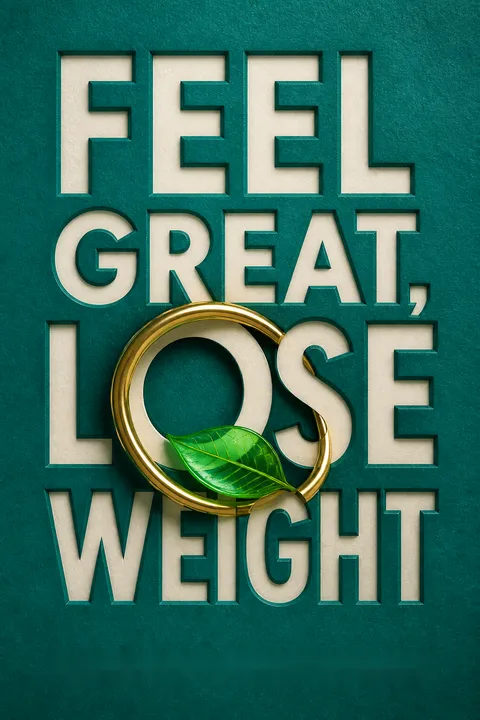
Feel Great, Lose Weight by Dr. Rangan Chatterjee receives generally positive reviews (4.3/5 stars), with readers appreciating its holistic, compassionate approach to healthy lifestyle changes rather than strict dieting. Many praise the practical, achievable tips covering sleep, movement, stress, and nutrition. Reviewers note the advice isn't groundbreaking but is presented accessibly with beautiful visuals. Common criticisms include: lack of awareness about eating disorders, reliance on anecdotal evidence over studies, some outdated diet advice (like drinking water before eating), and repetition of basic information. Several readers successfully lost weight using the book's principles.
People Also Read



About the Author


Download PDF
Download EPUB
.epub digital book format is ideal for reading ebooks on phones, tablets, and e-readers.








































