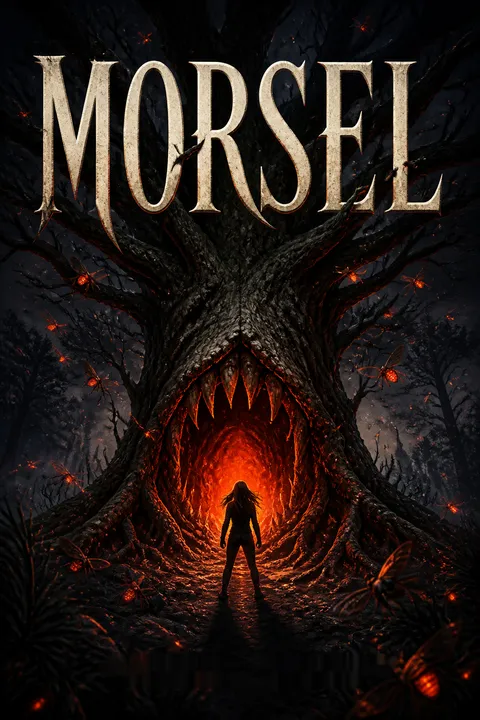

Plot Summary
Cicadas and Survival Scripts
In the oppressive heat of a cicada summer, Lou, a young, overworked office worker in Columbus, Ohio, navigates the daily grind and the emotional weight of caring for a sick mother. The cicadas' emergence mirrors Lou's own struggle to break free from suffocating circumstances. At a café with her friend Emma, Lou rehearses a desperate script to keep her job, revealing the constant pressure to perform and survive. The world feels predatory, and Lou's only solace is in small moments of connection—her dog Ripley, Emma's support, and fleeting laughter. The chapter sets the tone: survival is a performance, and the cost of failure is high. The cicadas, both seen and unseen, become a symbol of what's buried and what's trying to surface.
Office Politics and MLMs
Lou's office is a microcosm of late-capitalist America: coworkers Arden and Jena push a self-help MLM called Ascent, promising abundance through mindset shifts, while Lou struggles to keep up appearances. The pressure to conform, network, and "improve" is relentless, and the cost is both financial and psychological. Lou's mother's sacrifices loom large, fueling guilt and a desperate need to succeed. The office's performative camaraderie is brittle, and Lou's outsider status is palpable. The chapter exposes the hollowness of corporate self-help culture and the predatory nature of systems that demand endless self-sacrifice, all while Lou clings to the hope that hard work will eventually pay off.
The Charity Assignment
Facing possible termination, Lou is offered a reprieve: a solo assignment to photograph a rural property for a conservation charity. Her boss, Ellis, frames it as a chance to recover and contribute, but the offer is tinged with condescension and subtle manipulation. Lou's relief is mixed with unease—she senses the power dynamics at play and the way her vulnerability is being leveraged. The assignment promises solitude and escape from office politics, but also isolation and risk. Lou's internal goblin—her intrusive, violent thoughts—whispers warnings and desires, hinting at deeper psychological unrest. The stage is set for a journey into the unknown, both literal and metaphorical.
Into the Woods
Lou drives south with Ripley, her loyal pit bull, into the Appalachian foothills. The landscape is lush, ancient, and humming with life—and threat. Memories of her mother's love for the outdoors and their shared walks surface, tinged with guilt and longing. The woods are both sanctuary and menace, filled with reminders of mortality and the relentless passage of time. Lou's sense of self blurs as she navigates muddy roads, overgrown paths, and the eerie quiet of abandoned places. The natural world is indifferent, and Lou's vulnerability is acute. The chapter builds a sense of foreboding, as the boundaries between safety and danger, past and present, begin to dissolve.
Threats at the Gate
Arriving at the property, Lou finds the gate adorned with strange, threatening symbols—crosshairs and chimes made of sticks and bone. The air is thick with warning, but Lou, driven by necessity and pride, pushes forward. The decision to enter is fraught with dread, as every true crime podcast and Emma's voice in her head urge her to turn back. Yet, the need to keep her job and provide for her mother outweighs caution. Armed with a hatchet and accompanied by Ripley, Lou steps into the unknown, crossing a threshold that feels both literal and existential. The woods close in, and the sense of being watched intensifies.
Predators and Prey
Deep in the woods, Lou encounters the aftermath of predation: animal corpses, a rabid coyote, and the ever-present threat of becoming prey herself. The coyote's unnatural behavior and grotesque injuries hint at something wrong in the ecosystem—something corrupting and hungry. Lou's training with Ripley is tested as they narrowly escape attack, only to find themselves stranded when Lou's truck is sabotaged. The violence of nature mirrors the violence lurking in human systems, and Lou's sense of agency is eroded by forces beyond her control. The chapter pulses with adrenaline and dread, as survival becomes a matter of instinct and luck.
Stranded and Sabotaged
Lou discovers her truck has been deliberately disabled—gas tank drilled, phone inexplicably dead. Panic sets in as she realizes she's been targeted, not by chance but by design. The rural landscape, once a place of potential freedom, becomes a trap. Lou's attempts to seek help are thwarted by technology and geography, and the sense of being hunted grows. The chapter explores the terror of helplessness, the fragility of safety, and the ways in which systems—technological, social, and natural—can conspire to isolate and endanger. Lou's resourcefulness is tested, but the odds are stacked against her.
Seeking Help, Finding Danger
Desperate, Lou seeks help at a nearby house, where she meets Clarence, an elderly local who offers kindness and practical support. The brief respite is shattered when the sheriff arrives—ostensibly to help, but radiating menace. The encounter escalates into violence: Clarence is murdered, Lou is abducted, and the veneer of rural hospitality is stripped away to reveal predatory intent. Lou's fight for survival becomes literal, as she uses every tool at her disposal—pepper spray, brute force, cunning—to escape. The chapter is a crucible of fear, rage, and trauma, exposing the thin line between safety and danger, trust and exploitation.
The Sheriff's Betrayal
In the sheriff's car, Lou realizes she is not being rescued but delivered into deeper peril. The sheriff's duplicity is emblematic of corrupted authority—those meant to protect instead become the greatest threat. Lou's internal goblin urges violence, and she responds with desperate, animal ferocity, killing the sheriff in a brutal struggle. The act is both liberating and horrifying, shattering any remaining illusions of safety or justice. Lou is now a fugitive, marked by blood and guilt, her sense of self further fractured. The chapter explores the psychological cost of survival and the ways trauma can both empower and destroy.
Escape and Violence
Lou flees through the woods, pursued by unseen cultists and haunted by visions of monstrous figures. The boundaries between reality and hallucination blur as exhaustion, injury, and fear take their toll. Lou's memories of her mother's death, her own dissociation, and the relentless demands of caretaking surface in vivid, painful detail. The cultists' pursuit is relentless, their language echoing the manipulative rhetoric of Ascent. Lou's fight becomes existential—a struggle not just for physical survival, but for identity, agency, and meaning. The chapter is a fever dream of violence, grief, and revelation.
Cultists in the Shadows
Lou and Emma are captured and chained in a basement, subjected to psychological torment by the cultists—former coworkers and authority figures now revealed as predators. The cult's ideology is a twisted amalgam of self-help, capitalism, and ritual sacrifice, demanding total submission and self-erasure. Lou's trauma is weaponized against her, and her sense of reality is further destabilized by drugs, manipulation, and the looming threat of death. The god they worship—a monstrous, ancient being—becomes both literal and symbolic, embodying the insatiable hunger of systems that consume the vulnerable. The chapter is claustrophobic, hallucinatory, and charged with existential dread.
The God of Appetite
The cult's ritual unfolds: Lou is prepared as a sacrifice, Emma threatened, and the monstrous god is unleashed. The god is both a physical entity—emaciated, wounded, terrifying—and a symbol of generational hunger, trauma, and exploitation. The cultists' faith is revealed as self-serving and hollow, their rituals a means of justifying violence and maintaining power. Lou's confrontation with the god is both external and internal—a reckoning with her own history of being consumed by others' needs, and her latent capacity for violence and survival. The chapter is a crescendo of horror, catharsis, and transformation.
Chains, Trauma, and Truth
In captivity, Lou is forced to confront the truth of her mother's death, her own dissociation, and the ways she has been shaped by trauma and expectation. The cultists' psychological warfare is met with resistance, rage, and ultimately, a violent uprising. Lou's internal goblin—the voice of intrusive, destructive thoughts—is revealed as both a coping mechanism and a harbinger of transformation. The boundaries between victim and monster blur, as Lou's survival demands the embrace of her own darkness. The chapter is raw, intimate, and unflinching in its exploration of grief, guilt, and the longing for agency.
The Monster Unleashed
The ritual goes awry: Emma fights back, the god breaks free, and chaos erupts. The cultists are slaughtered, their ideology and rituals exposed as powerless in the face of true hunger. Lou, wounded and dying, is consumed by the god—but in the act of being devoured, she fights back, tearing out the god's heart and consuming it herself. The act is both literal and symbolic—a reclamation of agency, a reversal of the cycle of consumption. Lou becomes something new: no longer prey, but predator; no longer victim, but force. The chapter is a blood-soaked apotheosis, both triumphant and tragic.
Blood, Fire, and Betrayal
Lou's consumption of the god triggers a metamorphosis—physical, psychological, existential. She is filled with hunger, power, and a new sense of self. The boundaries between human and monster, self and other, are obliterated. Lou hunts down the remaining cultists, including Ellis, and devours them, enacting a final, brutal justice. Ripley, her dog, is resurrected or transformed by the god's blood, a companion in her new existence. Emma, traumatized but alive, becomes Lou's only remaining connection to her former life. The chapter is a reckoning with power, appetite, and the cost of survival.
Consumption and Becoming
Lou, now something more (or less) than human, stands amid the wreckage of the cult, the god, and her own past. The cicadas' song is a chorus of transformation, echoing the emergence of something new from the earth. Lou's hunger is insatiable, but it is hers—no longer dictated by others' needs or expectations. Emma, shaken but loyal, offers companionship and a way forward. The world is changed, and so is Lou. The chapter is both an ending and a beginning, a meditation on the costs and possibilities of becoming.
Aftermath and Appetite
In the aftermath, Lou and Emma drive away from the carnage, Ripley at their side. The world is still dangerous, still hungry, but Lou is no longer powerless. Her appetite is her own, and the future is uncertain but open. The story ends on a note of dark empowerment, with Lou's hunger—literal and metaphorical—propelling her into whatever comes next. The emotional arc is complete: from prey to predator, from consumed to consumer, from victim to agent of her own fate.
Analysis
Morsel is a searing, hallucinatory horror novel that uses the language of body horror, psychological trauma, and social satire to interrogate the systems that consume us
At its core, the book is about hunger—literal, emotional, generational—and the ways in which capitalism, family, and culture demand endless self-sacrifice from the vulnerable. Lou's journey from prey to predator, from caretaker to monster, is both a critique of the forces that shape us and a dark fantasy of reclamation and agency. The novel's use of ritual, symbolism, and unreliable narration blurs the boundaries between reality and nightmare, forcing readers to confront the costs of survival in a world that devours its own. The lessons are both cautionary and empowering: beware the systems that promise salvation through sacrifice; question the rituals that demand your flesh; and, ultimately, recognize the monstrous within as both a source of danger and a potential path to liberation. Morsel is a visceral, unsettling meditation on what it means to be consumed—and what it might mean to finally, hungrily, consume.
Review Summary
Morsel receives generally positive reviews, averaging 3.78 stars. Readers praise its fast-paced atmosphere, Appalachian setting, gore, and anti-capitalist themes. Many appreciate the protagonist Lou's relatable struggles with generational poverty and her bond with her dog, Ripley. Common criticisms include underdeveloped characters, uneven genre-blending between folk horror and human thriller, and a divisive second-half twist involving a cult. Some felt the social commentary was heavy-handed. Most reviewers agree it's an impressive debut best consumed in one sitting.
People Also Read

Characters
Lou
Lou is the novel's protagonist—a young, queer, working-class woman burdened by the weight of her mother's illness, financial precarity, and the relentless demands of late-capitalist survival. Her relationships are defined by care and obligation: to her mother, to her dog Ripley, to her best friend Emma. Psychologically, Lou is marked by trauma, dissociation, and intrusive thoughts (her "goblin"), which both haunt and protect her. Over the course of the story, Lou is transformed—first by violence and betrayal, then by literal and metaphorical consumption. She becomes both victim and monster, ultimately reclaiming agency through an act of radical, destructive self-assertion. Her journey is one of survival, grief, rage, and the search for meaning in a world that devours the vulnerable.
Emma
Emma is Lou's best friend and emotional anchor—a labor activist, fiercely intelligent, and deeply compassionate. She provides both practical support and moral clarity, challenging Lou's self-destructive tendencies and offering a vision of solidarity and resistance. Emma's relationship with Lou is complex: she is both caretaker and cared-for, drawn into danger by loyalty and love. Psychologically, Emma is resilient but not invulnerable; her anger and fear are matched by her capacity for forgiveness and action. She survives the cult's violence and, in the end, chooses to stand by Lou, even as Lou becomes something monstrous. Emma embodies the possibility of connection and hope amid horror.
Ellis
Ellis is Lou's boss and the architect of the cult's rituals—a charming, paternal figure whose benevolence masks deep-seated entitlement and violence. He leverages power, sympathy, and ideology to manipulate those around him, presenting himself as a savior while orchestrating sacrifice. Psychologically, Ellis is a study in narcissism and self-justification, convinced of his own specialness and the righteousness of his cause. His relationship with Lou is predatory, oscillating between mentorship and exploitation. Ultimately, Ellis is consumed—literally and figuratively—by the forces he sought to control, undone by his own hunger for power.
Arden
Arden is Lou's coworker and a high-ranking member of the Ascent cult. She is the face of corporate self-help culture—relentlessly positive, ruthlessly ambitious, and deeply invested in systems of control. Arden's relationship with Lou is antagonistic, marked by condescension and resentment. Psychologically, she is brittle, her confidence masking insecurity and a desperate need for validation. Arden's complicity in the cult's violence is both ideological and personal; she is destroyed by the very system she upholds, a casualty of her own belief in meritocracy and sacrifice.
Jena
Jena is Arden's sidekick and another Ascent devotee—less assertive but equally complicit. She represents the dangers of conformity and the ease with which ordinary people become agents of harm. Jena's relationship with Lou is transactional, her loyalty to Arden overriding empathy or doubt. Psychologically, Jena is passive, swept along by stronger personalities and the promise of belonging. She is ultimately destroyed by the cult's violence, a reminder that complicity offers no protection from the systems one serves.
Clarence
Clarence is the elderly local who offers Lou shelter and help—a rare figure of genuine kindness and decency. His murder by the sheriff is a turning point, shattering any remaining illusions of safety or trust in authority. Clarence's role is brief but profound: he embodies the possibility of connection and care outside of exploitative systems, and his loss is a catalyst for Lou's transformation. Psychologically, Clarence is grounded, practical, and compassionate—a counterpoint to the predatory figures that dominate the story.
Sheriff Cory
Sheriff Cory is the embodiment of institutional violence—a lawman who uses his power to harm rather than protect. His betrayal and attempted murder of Lou expose the dangers of trusting authority in a world where systems are rigged against the vulnerable. Psychologically, Cory is smug, entitled, and ultimately cowardly, undone by his own brutality. His death at Lou's hands is both a moment of horror and a necessary act of self-defense, marking Lou's irrevocable break from the world as it is.
The God of Appetite
The god is both literal monster and metaphor—a being of insatiable hunger, caged and worshipped by the cult, fed with human sacrifice in exchange for prosperity. Its physical form is grotesque, wounded, and ancient; its presence warps reality and infects those around it with violence and desire. Psychologically, the god represents the systems—capitalism, patriarchy, generational trauma—that consume the vulnerable and demand endless sacrifice. Lou's confrontation with the god is a confrontation with her own history of being devoured, and her ultimate act of consuming the god is both liberation and damnation.
Ripley
Ripley is Lou's pit bull—a source of comfort, grounding, and unconditional love. Her presence humanizes Lou, offering moments of joy and connection amid horror. Ripley's survival and transformation mirror Lou's own journey; she is both victim and survivor, changed by the violence she endures. Psychologically, Ripley represents the stakes of Lou's struggle—the need to protect what is vulnerable and the cost of failing to do so.
The Goblin (Lou's Intrusive Thoughts)
The goblin is Lou's internal voice—a personification of intrusive, violent thoughts that both haunt and protect her. It is the voice of rage, hunger, and the desire to hurt or be hurt, born of trauma and powerlessness. Psychologically, the goblin is both enemy and ally, a coping mechanism that becomes a catalyst for transformation. As Lou embraces her own darkness, the goblin's voice merges with her own, signaling a new, monstrous agency.
Plot Devices
Ritual and Sacrifice
The cult's rituals—rooted in family legend, capitalist ideology, and self-help rhetoric—structure the narrative and drive the plot. Sacrifice is both literal (human offerings to the god) and metaphorical (the endless self-sacrifice demanded by work, family, and society). Rituals are used to justify violence, maintain power, and create a sense of meaning in a chaotic world. The narrative structure mirrors these rituals, with repeated motifs (cicadas, crosshairs, hunger) and escalating acts of violence leading to a climactic inversion: the victim becomes the consumer, the ritual is subverted, and the system is destroyed from within.
Foreshadowing and Symbolism
The novel is rich in foreshadowing and symbolic imagery: the cicadas' emergence signals buried trauma and the inevitability of transformation; the crosshair symbols mark boundaries, threats, and the cult's ideology; hunger—literal, emotional, generational—drives characters and events. The god itself is a living symbol of insatiable appetite, while Lou's journey is foreshadowed by her intrusive thoughts, her mother's sacrifices, and the predatory systems that surround her. The use of text messages, podcasts, and fragmented memories deepens the sense of disorientation and impending doom.
Psychological Horror and Unreliable Perception
The narrative employs psychological horror, unreliable narration, and hallucinatory sequences to convey Lou's trauma, dissociation, and transformation. The boundaries between reality and nightmare are porous, reflecting the destabilizing effects of violence, grief, and manipulation. The reader is drawn into Lou's fractured consciousness, experiencing her confusion, terror, and eventual embrace of monstrosity. This device heightens suspense, deepens empathy, and underscores the novel's themes of survival and self-destruction.
Social Critique and Satire
The novel satirizes corporate culture, MLMs, and the self-help industry, exposing their predatory nature and the ways they exploit vulnerability. The cult's rhetoric is a grotesque exaggeration of real-world ideologies, blending motivational jargon with ritual violence. The critique is woven into character interactions, plot developments, and the very structure of the cult's rituals, making the horror both personal and systemic.
Download PDF
Download EPUB
.epub digital book format is ideal for reading ebooks on phones, tablets, and e-readers.








































