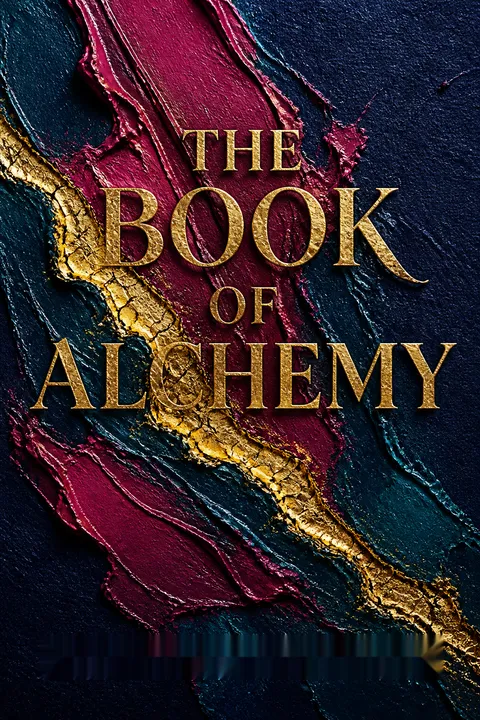

Key Takeaways
1. Journaling: An Alchemical Lifeline for Navigating Life's Waters
The journal allows us to navigate life’s waters, be they turbulent or calm, and to learn to hold the paradoxes—the beautiful and cruel facts of life—in an open palm.
A personal lifeline. For Suleika Jaouad, journaling transformed from a pastime into a crucial survival tool during her leukemia diagnosis at 22. It provided a container for her restless mind, allowing her to process fear, rage, and despair, and to notice moments of beauty amidst suffering. This daily practice helped her engage with a new reality, fostering agency and enabling honest communication with herself and the world.
Beyond personal reflection. The Isolation Journals, a 100-day communal journaling project launched during the pandemic, demonstrated journaling's broader impact. Hundreds of thousands of participants used it to cope with fear, loneliness, and uncertainty, turning isolation into creative solitude and confusion into clarity. This collective experience underscored the alchemical properties of journaling, proving its power to transform personal struggles into shared understanding.
A capacious repository. The journal serves as a versatile space for memory, reflection, and creative expression. It's a place to:
- Catalog daily life and major events
- Vent emotions and make lists
- Explore unspoken thoughts and dreams
- Uncover inner answers and foster transformation
It's a humble yet profound tool for self-discovery and growth, helping individuals connect with their highest, most liberated selves.
2. Embrace the "Here Goes Nothing" Mindset to Begin
To begin, begin.
Overcoming creative paralysis. The act of beginning a new creative endeavor, whether a novel or a journal, often triggers self-doubt and fear of failure. Author Dani Shapiro describes this as navigating a "fallow period" filled with procrastination and internal voices questioning one's ability. The key is to reach a point of "despair-adjacent state" where one feels there's "nothing to lose," leading to the liberating phrase: "Here goes nothing."
Discipline as inspiration. Michael Bierut's "100-Day Project" encourages consistent creative acts, emphasizing discipline as a vehicle for inspiration. The goal isn't perfection but engagement, allowing for both three-hour deep dives and quick, "won't take another breath until I've finished" bursts. This approach removes pressure, making the daily act of creation more accessible and sustainable.
Practical strategies for starting:
- Lower the stakes: Any amount of writing is enough—a paragraph, a sentence, a word.
- Personalize your tools: Adorn your journal, use favorite pens, make it inviting.
- Combat resistance: Write with your non-dominant hand, or write about what you don't want to write about.
- Build consistency: Integrate journaling into an existing routine (e.g., with morning coffee) and find accountability partners.
These methods help silence the inner critic and foster a playful, experimental approach to creation, making the act of beginning less daunting.
3. Memory: A Mosaic for Self-Discovery and Connection
Remember what it was to be me: that is always the point.
A repository of moments. Journals serve as invaluable memory banks, preserving sweet, small moments that might otherwise fade. Suleika's childhood journals from Tunisia, filled with sensory details and interior reflections, allowed her to revisit her 18-year-old self, offering a unique form of self-encounter. This act of chronicling crystallizes experiences, from the feeling of cool tiles to the smell of the sea.
Memory as recovery. The act of excavating memories can be a powerful form of healing and connection. Suleika's father, Hédi Jaouad, began writing childhood memories during her illness, transforming his own past brush with disease into a "bio-album" of recovered experiences. This process not only connected him to his past but also fostered a new depth of understanding and healing between him and his daughter.
The flexible nature of memory. Memories are not always perfectly accurate; they can be porous, blended, and even adopted from others, as Oliver Sacks discovered with his WWII bomb memory. This fallibility, however, highlights memory's creative and flexible nature, allowing for powerful connections and shared experiences. Journaling helps us:
- Re-member (put back together) loved ones who are gone.
- Grapple with painful memories to transform them into records of resilience.
- Trace personal evolution and growth over time.
By engaging with memory, we gain insight into our past selves, understand our present patterns, and shape our future becoming.
4. Cultivate "Inside Seeing" to Uncover Hidden Wonders
To see takes time, like to have a friend takes time.
Beyond surface-level observation. Illness taught Suleika the profound importance of "seeing" the smallest details—a dandelion's vibrant yellow, the breeze, the sun. Before, these were "given," seen but not truly appreciated. This shift from passive observation to active engagement transforms the mundane into nourishment, fostering a deeper connection to the world.
Teachers in seeing. Animals, particularly Suleika's blind dog Loulou, became profound teachers in cultivating presence. Loulou's ability to map her surroundings and navigate the world without sight demonstrated a different form of perception, inspiring Suleika to notice details previously overlooked. This highlights how diverse perspectives can enrich our own understanding of "seeing."
Seeing as a bulwark against anxiety. Paying attention to the "now" acts as a powerful antidote to overfixation on the past (depression) or future (anxiety). It grounds us in the present, warding off the temptation to time travel mentally. This practice of presence allows for:
- A deeper appreciation of nature's grandeur, from vast landscapes to a single flower.
- A shift from world-weariness to wonder.
- The ability to find "dizzying thrill" in minute details.
By intentionally carving out time for observation, we can awaken our senses and experience the world with renewed aliveness and curiosity.
5. Love: The Radical Power of Presence and Community
The most precious gift you can give to the one you love is your true presence.
Beyond romantic ideals. Love, as explored in the book, transcends fairy-tale romance, encompassing the radical power of seeing, understanding, and showing up for others. Suleika's friendships forged in the "kingdom of the sick," particularly with Anjali, taught her the necessity of deep connection and unconditional presence in the face of profound suffering. This experience transformed her understanding of relationships, moving from quantity to quality.
Community as a survival tool. Social isolation is a public health concern, with studies linking it to various health risks. Conversely, strong communities are a hallmark of psychologically hardy people. Building community, as technologist Andrew Zolli suggests, involves:
- Building it before you need it.
- Starting with an act of generosity.
This means connecting with others as an end in itself, offering genuine attention and care without transactional expectations.
The gift of true presence. Thich Nhat Hanh's mantra, "Darling, I am here for you," encapsulates the essence of meaningful support. It emphasizes that our unadorned presence is often the most valuable gift we can offer to those who are hurting. This deep, healing silence, as experienced by Elizabeth Lesser with her sister Maggie, validates another's experience and vulnerability, fostering profound connection.
6. The Body: A Canvas for Acceptance and Celebration
Everything can have beauty, even the worst horror.
Challenging societal ideals. Our culture often presents the body as a problem to be solved, chasing youthful, thin, and shining ideals. Suleika's experience with cancer, losing her hair and shrinking to a double zero, forced her to confront these ideals. A little girl's scream in a public bathroom made her realize how others perceived her "monstrous" appearance, leading to a pivotal moment of rejecting wigs and embracing her baldness with punk-rock mohawks and hair tattoos.
Beyond binary thinking. Accepting bodily changes, whether from illness, accident, or age, is a continuous practice. Lucy Grealy, disfigured by childhood cancer, eloquently noted that "beautiful" and "ugly" are mere labels, not objective truths. This psychological distance allows for a critical interrogation of societal beauty standards, fostering a deeper acceptance of one's own unique form.
Reconciling mind and body. Dissociation from the body, often a survival tool during pain, is not a healthy long-term strategy. Psychiatrist Phil Stutz's "life force" pyramid highlights the physical body as the foundation for well-being, followed by relationships with others and self. Reconciling mind and body involves:
- Prioritizing essential care: sleep, nutrition.
- Engaging in small acts of self-love: a ritualistic skincare routine.
- Finding beauty in perceived imperfections, as Frida Kahlo did with her unibrow, mustache, and amputated foot, transforming them into art.
This journey leads to not just acceptance, but a celebration of the corporeal in all its gloriously varied forms.
7. Rebuilding: Embracing Change and Daring to Dream
If we want to build the new, we must be willing to let the old burn.
Imagination as a blueprint. When facing uncertainty or major life transitions, imagining an ideal future can provide clarity and direction. Hollye Jacobs' "Day in the Life of My Dreams" journaling prompt helped Suleika clarify her vision for a home and life, enabling her to recognize and seize opportunities when they arose. This isn't "manifesting" out of thin air, but rather aligning one's internal compass with desired outcomes.
The inevitability of disruption. Life is full of unexpected "ceilings caving in," as Suleika experienced with her second leukemia relapse. However, having rebuilt before, she found herself less rudderless. The trauma was still present, but she had learned to:
- Be at home in the "in-between."
- Endure sorrow by noting small daily joys.
- Counter future fears by planting seeds for future joys (literally, with a garden).
This resilience comes from a conscious practice of navigating paradoxes.
The courage to change. Rebuilding is often hard, exhausting work, requiring the fortitude to let go of the status quo. It means shedding things that no longer serve us and making space for new growth. As Oliver Jeffers learned from astronauts' "overview effect," we can always "change the story" we inherit or tell ourselves, especially in times of conflict or personal upheaval. This empowers us to move forward, even when the path is unclear.
8. Shedding Ego: Finding Creative Freedom in Imperfection
It’s almost like you can’t make a mistake when you’re making a face, because there is such variety.
Liberation from perfectionism. The fear of making mistakes or not being "good enough" often stifles creativity. Barbara, Suleika's realtor-turned-friend, found freedom in ceramics by declaring she would make "faces" instead of collapsing bowls, realizing that in art, there's no such thing as a mistake. This mindset liberates one from the "stymieing effects of perfectionism."
The wisdom of the "first reader." Author Sharon Salzberg learned to overcome ego-driven writing by seeing herself as "the first person who gets to read this book." This shift from "author who has to make it perfect" to "beneficiary of the work" allows creativity to flow more freely, fostering a heart-to-heart connection with the material. It's about stepping out of the way and letting the writing happen.
Embracing "bad" art. Poet Adrienne Raphel found revolutionary freedom in the directive to "write a bad poem." This exercise in "full-scale indulgence of imperfection" confronts the fear of messiness and unwieldiness. It teaches that:
- There's value in creating without the pressure of earning an "A."
- Saying what you "shouldn't" say can be liberating.
- The "badder the better" can lead to unexpected insights.
By challenging the ego's need for control and perfection, artists can tap into an innate creative impulse that connects them to all of creation.
9. Purpose: A Humane Path Beyond Societal Expectations
It’s a brutal instruction manual.
Deconstructing "purpose." Society often imposes a rigid, capitalistic definition of purpose: find your singular gift, cultivate it, monetize it, and change the world. This "brutal instruction manual," as Elizabeth Gilbert calls it, creates immense pressure and anxiety, especially for young people like Suleika, who felt lost without a clear path after college. This pressure often leads to prioritizing "résumé virtues" over deeper, more humane values.
Reorienting priorities. Facing mortality, as Suleika did with her cancer diagnosis, can be a powerful catalyst for reorienting priorities. The focus shifts from "What will I do with my life?" to "What do I need to survive today?" This leads to valuing "eulogy virtues" like humility, kindness, and bravery, and finding purpose in simple, meaningful acts rather than grand achievements.
Purpose in the everyday. Gilbert's anecdote of holding a man's ladder, and Suleika's own daily acts of care for her dogs or husband, illustrate a gentler, more humane approach to purpose. It's about:
- Finding meaning in the smallest, simplest acts.
- Aligning with personal values and intuition.
- Allowing purpose to be fluid and change daily.
This expanded view of purpose reduces pressure, fosters curiosity, and ultimately leads to a "nice life" filled with connection and fulfillment, rather than a relentless pursuit of external validation.
10. Alchemy: Transforming Despair into Precious Gold
The most powerful prayers are born of despair.
Creative acts in desperation. When faced with overwhelming circumstances, creative expression can become an urgent, savage act of survival. Suleika's return to painting during her second transplant, when her vision was blurred, transformed her sterile hospital room into a "fantastical gallery" and her bed into a "flying carpet." These "visual diaries" helped her face and defang her fears, collapsing space and time through art.
Transmuting the base into precious. The concept of alchemy—transforming something considered worthless into something precious—applies profoundly to human experience. John Binkley's letters to his late wife, written from despair, became a record of continued companionship and purpose, demonstrating how grief can be alchemized into light and connection. This process is deeply intuitive, often emerging from necessity rather than grand design.
The power of the unseen. Just as the mycelium network sustains trees invisibly, our "human mycelium"—the unseen network of friends, family, and community—helps us thrive. Fernando Murillo, incarcerated for decades, reconnected with humanity in his mind to survive. This highlights the profound, often invisible, connections that sustain us and can be a source of strength and growth, even in the harshest conditions.
Tethering the soul. Impermanent art, like Behida Dolić's gestures from the soul (e.g., arranging curtains in rainstorms, pinning shadow outlines), can mend a life back together. These acts, born of despair, tether one to happiness and freedom, whispering promises of perseverance. They are a reminder that creativity, in its myriad forms, is a mystical, propulsive trait available to all, capable of transforming terror into magic.
Review Summary
The Book of Alchemy by Suleika Jaouad is a collection of 100 essays and writing prompts designed to inspire creativity and self-reflection. Readers appreciate its diverse contributors, thoughtful prompts, and Jaouad's personal insights. Many find it a valuable tool for journaling and personal growth, praising its accessibility and transformative potential. Some reviewers note its length can be overwhelming, but most agree it's a book to be savored and revisited. The physical book is preferred over digital formats for its interactive nature.
People Also Read





FAQ
1. What is The Book of Alchemy: A Creative Practice for an Inspired Life by Suleika Jaouad about?
- Creative journaling as transformation: The book explores journaling and creative practice as tools for navigating life’s transitions, challenges, and healing, especially in the face of illness and trauma.
- Personal and communal journey: Jaouad shares her own story of illness and recovery, while also drawing from a communal journaling project that connected thousands during the pandemic.
- Essays and prompts: It is structured as a collection of essays and creative prompts, blending memoir, workbook, and contributions from diverse voices to inspire personal growth and creativity.
- Alchemy as metaphor: The concept of alchemy is used to illustrate the transformation of pain, confusion, and isolation into insight, clarity, and creative solitude.
2. Why should I read The Book of Alchemy by Suleika Jaouad?
- Lifesaving creative practice: Jaouad’s journaling method provided her with resilience and self-discovery during leukemia treatment, offering readers a practical tool for facing discomfort and uncertainty.
- Diverse perspectives: The book features essays and prompts from a wide range of contributors—authors, artists, musicians, and everyday people—offering multiple viewpoints on creativity, fear, and healing.
- Accessible for all levels: Whether you’re new to journaling or experienced, the prompts are low-pressure and adaptable, making creative expression approachable for anyone.
- Actionable inspiration: Beyond stories, the book provides concrete exercises to help readers develop a sustainable habit of reflection and creativity.
3. What are the key takeaways and themes from The Book of Alchemy by Suleika Jaouad?
- Creativity as alchemy: The central message is that creative acts can transform suffering and uncertainty into meaning, beauty, and connection.
- Acceptance and integration: Embracing life’s changes—especially bodily and emotional shifts—is essential for personal growth and creative expression.
- Community and connection: Sharing stories and creative work fosters belonging and mutual support, breaking isolation and building bridges.
- Healing through practice: Regular creative rituals, whether writing or art, serve as tools for survival, healing, and self-understanding.
4. How does Suleika Jaouad define and use the concept of "alchemy" in The Book of Alchemy?
- Transformation metaphor: Alchemy represents the process of turning base materials (pain, fear, loss) into something precious (insight, art, connection).
- Integration of life’s aspects: The metaphor extends to blending body, mind, and spirit through creative practice, reflecting the book’s holistic approach.
- Creative urgency: Jaouad and contributors highlight that powerful creative acts often arise from desperation, making art a vital means of survival.
- Cultural and linguistic roots: The word “alchemy” itself symbolizes the fusion of different cultures and ideas, mirroring the book’s diverse voices and themes.
5. What journaling methods and creative practices does Suleika Jaouad recommend in The Book of Alchemy?
- 100-day project: Inspired by Michael Bierut, this involves committing to a daily creative act for 100 days, focusing on consistency over perfection.
- Morning pages: Writing three longhand, stream-of-consciousness pages each morning to clear mental clutter and access deeper thoughts.
- Breaking resistance: Techniques include writing with the nondominant hand, using lists or fragments, and lowering the stakes to overcome barriers.
- Creative rituals: Jaouad encourages personalizing journals, linking writing to daily routines, and using prompts flexibly to sustain the practice.
6. How does Suleika Jaouad describe the transformative power of journaling and creative practice in The Book of Alchemy?
- Agency and intimacy: Journaling provided Jaouad with a sense of control and deeper self-connection, helping her move from despair to agency.
- Memory and meaning: Journals serve as repositories for both major events and small moments, enabling reflection on growth and resilience.
- Creative dialogue: Engaging with prompts and other writers’ journals turns solitary writing into a conversation with oneself and a wider community.
- Healing ritual: Creative practice becomes a form of prayer or ritual, marking thresholds and helping traverse emotional valleys.
7. How does The Book of Alchemy by Suleika Jaouad address fear and its role in creativity and life?
- Fear as both barrier and guide: Jaouad discusses how fear can prevent growth but also signals what matters most, making it a valuable compass.
- Naming and containing fear: Journaling helps identify and process fears, providing a safe space to confront and understand them.
- Exposure therapy through action: Jaouad’s solo road trip exemplifies facing fears directly as a path to growth and connection.
- Curiosity over fear: The book encourages being “one percent more curious” than afraid, making progress manageable and sustainable.
8. How does The Book of Alchemy by Suleika Jaouad explore the role of love in healing and creativity?
- Expanding the definition of love: Love is portrayed as radical presence, caregiving, community, and self-compassion, not just romance.
- Love as resilience: The book highlights how love sustains us through grief, illness, and hardship, emphasizing the health benefits of social connection.
- Practices of love: Contributors suggest writing letters from love to oneself and offering presence to others as transformative acts.
- Stories of connection: Jaouad shares personal stories of friendship, chosen family, and caregiving that illustrate love’s power.
9. How does The Book of Alchemy by Suleika Jaouad address the relationship between body and mind in creative practice?
- Integration over dualism: Jaouad advocates nurturing the relationship between body and mind, especially during illness, as foundational to creativity.
- Acceptance of bodily changes: The book encourages embracing bodily changes—such as those from illness or aging—as sources of insight and self-love.
- Creative embodiment: Practices like painting self-portraits or mindful rituals bridge the physical and mental, fostering wholeness and presence.
- Rejecting societal ideals: Jaouad critiques cultural pressures for perfection, urging readers to accept the body’s complexities.
10. Who are some notable contributors in The Book of Alchemy by Suleika Jaouad, and what themes do they explore?
- Diverse voices: Contributors include authors, poets, musicians, caregivers, and survivors such as Hanif Abdurraqib, Nadia Bolz-Weber, Ann Patchett, and Salman Rushdie.
- Themes of resilience and creativity: Essays cover topics like beginnings, daily creative practice, radical receptivity, self-love, grief, and transformation.
- Unique prompts: Each essay is paired with a creative prompt, inviting readers to engage deeply with the themes.
- Personal stories: Contributors share intimate reflections on body image, survival, and the alchemical process in everyday life.
11. What are some practical tips and prompts for starting and maintaining a journaling practice from The Book of Alchemy by Suleika Jaouad?
- Personalize your journal: Choose a notebook that feels inviting and make it your own with photos or creative contracts.
- Set routines and accountability: Link journaling to daily habits, use timers, and consider journaling with friends or tracking progress visually.
- Lower the stakes: Write without editing or censoring, allow any amount of writing, and use prompts flexibly to keep the practice enjoyable.
- Embodied and imaginative prompts: Exercises include noticing bodily sensations, writing about vulnerability, and imaginative tasks like drawing a foot or writing from a burning building.
12. What are the best quotes from The Book of Alchemy by Suleika Jaouad, and what do they mean?
- On alchemy and creativity: “It’s possible to transmute something base, something considered worthless, into something precious, like gold.” This encapsulates the book’s core metaphor for creative transformation.
- On journaling as prayer: “I reach for the page like I reach for prayer: to plead, to confess, to commune, to remember that all is not chaos, all is not lost.” This highlights writing as a spiritual and healing act.
- On embracing imperfection: “It’s almost like you can’t make a mistake when you’re making a face, because there is such variety... It doesn’t matter what you make, because you’re making somebody.” This quote encourages creative freedom and acceptance of imperfection.
- On conscious choice: Viktor Frankl’s quote, “Between stimulus and response, there is a space... In our response lies our growth and our freedom,” underscores the book’s philosophy of using journaling to expand awareness and foster growth.
About the Author
Other books by Suleika Jaouad
Download PDF
Download EPUB
.epub digital book format is ideal for reading ebooks on phones, tablets, and e-readers.








































