
Plot Summary
Salt and Shadows: Charlotte's Punishment
On remote Margaret's Keep in 1910, seventeen-year-old Charlotte North faces her mother's harsh, punitive discipline for daring to desire what she should not: the new, married reverend, Jasper Hill. The shed where Charlotte is repeatedly locked is flavored by salt, shame, and her own restless spirit. Scarred by generational repression and her mother's resolute control, Charlotte's acts of so-called mischief—burning her dress, loving forbiddenly—incite more violent retribution. An outsider to her own family's ideals and gendered expectations, Charlotte finds secret, sweet rebellion in her growing connection with Jasper. The haunting isolation of the island seeps into Charlotte's consciousness, blurring the boundaries between physical punishment, emotional longing, and something uncanny stirring in the walls—an omen both warning and invitation.
Desire and Danger: The Reverends' Wife
Charlotte's burgeoning desire for Jasper does not go unnoticed, particularly by his brittle, childless wife Antonia. Ruth, the local teacher, is ensnared in awkward Sunday teas where accusations fly and the dark friction below social pleasantries crackles. Antonia's illness and suspicions increasingly alienate the reverend, whose grief for their stillborn child and sexual discontent draw him ever closer to Charlotte. A mutual longing and isolation blooms between Charlotte and Jasper—felt in forbidden laughter, small gifts, and trembling glances. The island's gossip sharpens; guilt, desire, and religious morality feed a dangerous storm. Charlotte's bold emotions, once a source of hope, now threaten to ignite catastrophe not only for her but for the closed, trembling world of Margaret's Keep.
After the Earthquake—Fissures Open
A sudden, unprecedented earthquake shatters the island's equilibrium—literally and symbolically. Margaret's Tower, shrouded in fearful legend, collapses onto the cliffs, exposing once-concealed secrets and piercing the collective psyche. Charlotte, still locked in the shed, is momentarily forgotten during the disaster, her family's indifference compounding her sense of isolation. This tremor marks not only the fall of old superstitions but the eruption of deeper psychic and familial rifts. Haunted by visions and called by the ruin, Charlotte slips into forbidden territory—physical and emotional. While others search for logical explanations, the boundaries between natural disaster and supernatural invocation grow thin, foreshadowing the true upheaval yet to come.
Whispers and Warnings: Margaret's Tower
Amid the ruins, the children—led by curious teacher Ruth—investigate the site, breaking sacred taboos. Ruth's rational explanations compete with the children's and locals' insistence on Margaret's curse: a punished adulteress-turned-witch, imprisoned and signaling the outside with ghostly lights. The grown-ups' superstitions warn of dire consequence, while Charlotte, drawn by something ancient, feels the lure of kinship with the lost, punished woman. The island's collective memory, guilt, and patterns of scapegoating transfer from Margaret to Charlotte. The warning is clear: transgression breeds isolation and retribution. But where does fear forge monsters, and where does it set captives free?
Haunting Gifts and Family Suspicion
As Charlotte battles her mother and forbidden love, new and eerie phenomena escalate within the North household. Needles begin to appear in her food, her bed, and her flesh—painful, targeted reminders of her outcast status. Charlotte's sisters are torn between compassion and suspicion; their mother's explanations flatten all incidents into "Charlotte's attention-seeking" or "madness." Charlotte alone understands that something unnatural is at play, and as objects move, rocks pelt outsiders, and nightmares intrude, her sense of reality frays. The physical and supernatural torments force Charlotte into a secret pact with the entity she names as the "knocker" in the walls, beginning a complex and dangerous alliance.
Needles, Nightmares, and Knocking
Trapped nightly by sleep paralysis and harrowing nightmares, Charlotte experiences mysterious knocking, dragging noises, and immobilization. As needles multiply and her finger wound festers, she oscillates between dread and negotiation. Her attempts to talk directly to the knocker—pledging conversation in exchange for the end of torment—succeed in halting the needles' appearance, but at a cost: a channel now exists between girl and spirit. The knocker's presence grows more personal and responsive, mirroring Charlotte's desires and rage. The power dynamic subtly shifts; Charlotte moves from victim to broker, learning how to coax, threaten, and trade with the uncanny presence inside her home.
The Uncanny Pact
Encouraged by their sister, the North girls speak directly to the knocker, negotiating rules, friendship, and boundaries. The entity answers, sometimes honestly, sometimes evasively, always with its own agenda. Fear and excitement compete, but Charlotte, emboldened, assumes a queenly role—protected, special, and chosen as the knocker's favorite. Yet the cost is mounting: Adelaide's terror, family breakage, and the neighbor children's exposure to the spirit's malicious curiosity. When local mothers discover the "devil in the shed," the North family's social reputation begins to collapse. Charlotte embraces her kinship with the knocker, willing to risk the world's judgment in exchange for self-determination and unearthly power.
Children, Gossip, and the Knocker
The knocker's power extends beyond the North house. Ruth is violently pelted with stones on her approach to the family, suffering bruises that baffle and panic the community. The growing legend fills Ruth and outsider West with fearful, scientific inquiry; the island's dominant families react with desperate attempts at control. Now, secrecy is impossible: the knocker's triggers—outsiders, guests, authority—are plainly dangerous and uncontainable. Charlotte's agency feeds the spirit's violence, whether or not she wills it; her new power to exclude, punish, and manipulate begins to replace her need for social acceptance and maternal love. The haunting turns public, and the human cost escalates.
Burning Secrets, Frozen Hearts
After a fatal argument with her mother and exposure of her "devil games," Charlotte's alliance with the knocker results in a spectacular act of arson: her mother's cherished painting burns, a symbolic destruction of both maternal authority and creative legacy. The family fractures—siblings frightened, father and servants confused, Charlotte locked away and scapegoated. In the seasons of confinement, the knocker alone is Charlotte's companion. They play word games, share resources, and plot together. As suspicion hardens into outright ostracism from all but her youngest sisters, Charlotte's heart grows more entwined with the spirit—sublimating her shame and isolation into intimacy with the supernatural.
The Skewed Science of Spirits
In desperation, the family and clergy call for mainland experts: psychiatrist Dr. Crown, and later, the exorcist Reverend Jacob. Both approach Charlotte's case—her telekinetic powers, her "spirit familiar," her unrepentant disobedience—with frameworks of science, religion, and misogyny, seeking not understanding but containment. Dr. Crown theorizes that Charlotte's suffering and violence are unconscious expressions of female hysteria or telekinetic ability; Jacob positions her as vessel for demonic infestation. Both prove powerless before the knocker's rage. Charlotte is humiliated, injured, and, finally, deadly; the attempts at "cure" only reinforce her resolve, catalyzing tragedy. The limits of science and ritual are exposed, with Charlotte's fate—body and soul—hanging in the balance.
Possession and the Priest's Temptation
As Jasper's guilt, shame, and longing collapse into need, he and Charlotte—now intertwined by the knocker's influence—enter a clandestine physical relationship. Prayer gives way to nightly trysts. The knocker, now taking on Charlotte's very shape, shares in their pleasures, erasing the distinction between host and spirit, desire and doom. With Jasper unanchored by faith and Charlotte increasingly enthralled by power, any chance of redemption slips away. Meanwhile, the house grows emptier, servants and adversaries relegated to the periphery. Charlotte's family's loyalty falters, cut off by the knocker's escalating violence: carriages thrown, guests menaced, letters unanswered. The islanders whisper of devilry, but none can stop what's already been unleashed.
Inheritance: Margaret's Curse
West's mainland research connects the knocker to the island's violent past. Margaret—unfaithful wife, supernatural scapegoat, and unwilling vessel—was once imprisoned in the tower, kept there by an intricate maze designed to trap her demonic companion. The convent, fearful of Margaret's power over young women and the poltergeist's loyalty to her, arranged her exile and containment. After the earthquake and tower's collapse, the ancient spirit is set loose once more, seeking a new host. Charlotte's childhood affinity for mazes and outsider status position her as Margaret's modern inheritor, cursed to repeat history—unless she can outwit the roles imposed by her community, her lover, and the knocker itself.
From Prayers to Possession
Increasingly isolated and empowered, Charlotte allows the knocker to fully inhabit her body—an ecstatic, terrifying act of self-joining. Flesh and spirit mingle; Charlotte's desires and the knocker's hunger become indistinguishable. Previously, the spirit's gifts had a price—banishing enemies, ensuring pleasure, sparing Charlotte pain—but now, with skin and soul united, there is no distinction, no division. Love, ambition, violence: all are channeled through both Charlotte and her invisible double. The choice is deliberate—a final embrace of autonomy at any cost. The knocker's help is now inextricable from Charlotte's selfhood, and the consequences reverberate far beyond the boundaries of her own life.
The Deadly Price of Power
A new exorcist-hero arrives, determined to end the curse. But Charlotte's merging with the knocker—now more cunning, potent, and willful—renders him powerless. Sensing the threat to its host, the spirit (or Charlotte herself) kills Reverend Jacob, making escape from human and spiritual justice imperative. Jasper, now a widower and her accomplice, is dragged into flight and complicity. Shock, guilt, and shame shadow their hurried departure. For the survivors—Ruth, West, and the Norths—only loss and suspicion remain. The knocker's victory becomes Charlotte's, as she claims both her own fate and that of anyone who would control or cage her, just as Margaret once had.
Outcasts: Love and Escape
With the body undiscovered and Jasper's ethical ruin complete, the lovers escape Margaret's Keep by sea. The community, left with death, rumor, and a trail of supernatural calamities, closes ranks. Charlotte—empowered, haunted, and now inseparable from the knocker—looks toward a future in which she holds the ultimate secret weapon. She secures Jasper (and his future as husband) through guilt, pregnancy, and shared crime, planning not repentance, but reinvention. The world beyond the island—a city, perhaps Rome—is an uncertain haven, but for now, Charlotte is sovereign, her will the only law that matters.
The Maze's Secret
The demon's greatest threat was always containment, not annihilation. At last, Jacob, West, and Ruth puzzle out the role of the maze—etched into ancient stone, a trap for restless spirits—and contemplate engineering a new version, promising hope for others afflicted. Ruth and West's partnership—first in research, detection, then romance—becomes the unexpected legacy of the ordeal, a vow to hunt, trap, and expose such forces for the good of future victims. Even as Margaret's Keep is left to heal under new, sturdy leadership, the broader battle continues. Where one girl embraces her demon, another stands guard against it.
Pursuers and the Demon Trap
As pursuit of Charlotte and Jasper begins, Ruth and West assume the mantle of "demon detectives," committing to science, compassion, and unconventional solutions. They know that containment, not brute force, is the only answer: a contraption (maze) that exploits the spirit's weakness, set by those who know both the price and power of freedom. From trauma and loss, they forge a shared mission—one shaped not by resignation, but by the necessity of hope. Margaret's Keep becomes both a monument to what was lost and a point of origin for the ongoing struggle with the darkness that girls like Charlotte inherit when the world offers them no escape.
Analysis
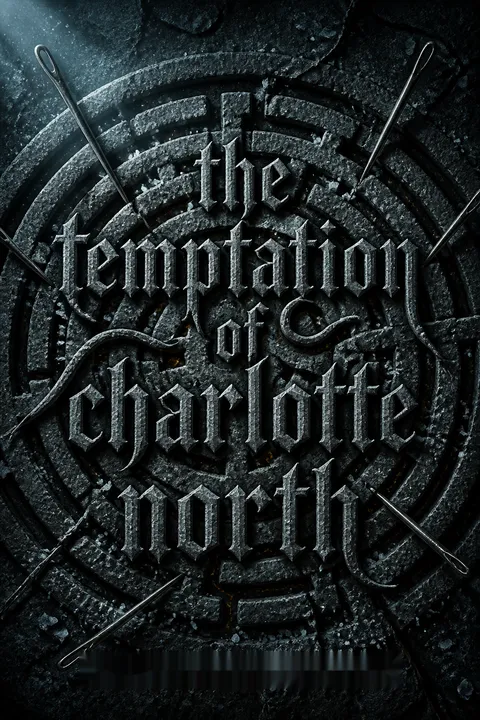
Camilla Bruce's The Temptation of Charlotte North is a gothic tour-de-force, employing supernatural horror to probe the psychological and societal consequences of feminine rebellion in a closed, patriarchal world. Charlotte's journey—from scapegoated daughter to possessed (and possessing) woman—serves as both cautionary tale and subversive fantasy, daring the reader to ask if embracing "monstrous" autonomy is the only available avenue for empowerment in a world rigged against the unruly. The novel interrogates the cycles of blame, punishment, and compulsion, tying together the destinies of Margaret, Charlotte, and any woman who refuses to submit. Bruce uses possession as metaphor for the inheritance of trauma and the seductions of power; the merging of knocker and host blurs the line between victim and perpetrator, suggesting that true agency is as seductive as it is dangerous. By employing detection, folklore, and feminist revisionism, the book ultimately positions hope not in exorcism, but in empathy, resourcefulness, and collective resistance. The ultimate lesson is that the true horror is not the knocker, but the systems that create the conditions for such hauntings—the intersection of repression, loneliness, and desire, and the perils of mistaking containment for cure.
People Also Read




Characters
Charlotte North
Charlotte is the passionate, defiant middle daughter of Margaret's Keep's most powerful family. Shunned for her willfulness, yearnings, and refusal to follow the script, Charlotte is repeatedly punished by her rigid mother, locked away for transgressions as innocent as refusing needlework or as dangerous as loving the married reverend. She is both dreamer and outcast—materially privileged but emotionally starved. As the haunting intensifies, Charlotte channels both victimhood and agency, negotiating with and finally merging with the supernatural knocker. Once she turns to pact-making, she becomes a queen of her own uncanny kingdom, losing empathy and scruple as she trades family, reputation, and innocence for freedom, love, and power. Her psychological complexity and willingness to fuse desire, vengeance, and magic make her both the inheritor and the amplifier of Margaret's curse.
Reverend Jasper Hill
Jasper arrives hopeful—the energetic new reverend, seeking to heal his grief-stricken wife and to serve Margaret's Keep. Yet his own emptiness, sexual frustration, and alienation draw him toward Charlotte's fire. Torn between devotion and desire, Jasper's authority crumbles when his wife's suspicions prove founded and Charlotte's allure becomes irresistible. After failures as both rationalist and exorcist, he is ultimately seduced, compromised, and made complicit—an accomplice to murder and Charlotte's final escape. Shame, love, and his own fearfulness ultimately eclipse any possibility of redemption. Jasper is a tragic, deeply human study in weakness, longing, and the fatal cost of refusing to recognize the depths of his and Charlotte's darkness.
Ruth Russel
Ruth is Margaret's Keep's only female schoolteacher, shaping young minds while carefully maintaining her outsider status. Rational yet empathetic, Ruth is drawn into the North family's intrigues, serving as witness, advocate, and, ultimately, reluctant detective. Her own history—escaping a violent, patriarchal family—prepares her for compassion and resistance, but not for the supernatural. Nonetheless, she and West investigate the knocker with an open mind, even as fear, doubt, and longing threaten to consume her. Ruth's arc evolves from fearful bystander to proactive "demon detective," choosing love with West and carrying the torch for new, subversive solutions. Her journey critiques both the cloistered oppression of the island and the limited options for women of her station.
Antonia Hill
Antonia, the reverend's wife, is haunted physically and spiritually by the loss of her child—a wound the island's brine cannot heal. Increasingly paranoid, resentful, and sickly, Antonia lashes out at Charlotte, projecting her own longings and failures onto the girl. Intensely lonely, addicted to laudanum and despair, she becomes the knocker's most visible human obstacle—and its next victim. Her unwillingness to forgive, to adapt, or to leave sets her on a path to tragic destruction. Antonia is at once a cautionary tale about the costs of repressive femininity and a memorable portrait of the costs of loss, jealousy, and the absence of societal compassion for female suffering.
The Knocker
The knocker is an ambiguous supernatural entity—part poltergeist, part familiar, part doppelgänger—freed from Margaret's Tower by the earthquake. It is at once childlike and ancient, a wish-granter and tormentor drawn to vulnerable women. It tortures, gifts, and ultimately offers companionship and power at a dire price. Its origin is tied to Margaret, the island's legendary outcast; its pattern one of bonding with scapegoats and amplifying their wounds. Psychologically, it represents the bottled rage and suppressed will of generations of imprisoned girls. Charlotte's merging with the spirit shifts the locus of agency, raising questions about autonomy and complicity. The knocker's refusal to be contained blurs the line between haunting and possession.
Evelyn North
Evelyn, the eldest North daughter, strives to embody adult composure and obedience—engaged, practical, a secondary mother to her sisters. She seeks respectability and escape to the mainland, but the breaking of family harmony and Charlotte's ordeal wounds her sense of certainty. Faced with choosing between loyalty and survival, she exposes the limits of social conformity and the cost of being unable to protect those she most loves. Evelyn's frankness with Ruth points to hidden female solidarity and regret.
Benjamin West
West arrives as a geologist, called in to explain physical tremors but soon recruited into Ruth's investigation of the societal and supernatural. Rational, patient, and as scarred by violence as Ruth, West provides companionship, motivation, and counterpoint. His experiences of attack—pelted with rocks, haunted by the knocker—challenge his scientific orthodoxy. In partnership with Ruth, he imagines hope and possibility in the form of the "demon trap." Their romance and teamwork serve as a model for healing, mutual respect, and the power of knowledge shared.
Mrs. Hester North
Charlotte's mother is unmovable—an avatar of patriarchal repression dressed as female authority. She disciplines through shame, vengeance, and isolation, scapegoating Charlotte for her own unfulfilled desires. Her serial punishment of Charlotte—locking, shaming, physically injuring—plants the seed for Charlotte's psychic split and the spiraling violence. Hester's refusal to believe, to comfort, or to relinquish control is key to Charlotte's transformation from victim to agent of destruction.
Reverend Alexander Jacob
Jacob arrives as the mainland's demonological expert—a man of fire, pride, and unshakeable faith. His battle with the knocker exposes the limits of exorcism and religious ceremony before modern possession: he is ultimately no match for Charlotte's will and the intimate alliance she has made. His fate—murdered by the very power he sought to contain—testifies to the dangers of underestimating the adaptability of both spirit and host. His presence raises crucial questions about faith, science, and the role of outsiders in violent communities.
Margaret
Margaret haunts the narrative as both memory and narrative prototype—the adulterous wife exiled to the tower, owner of the original knocker. Her story—misunderstood, rewritten, stripped of agency—prefigures Charlotte's, establishing the path for how societies exile, mythologize, and ultimately create their own monsters. Her experience mirrors Charlotte's, highlighting generational trauma, the hunger for connection, and the cruelty of systems that punish female willfulness.
Plot Devices
Possession as Feminist Allegory
Much of the novel's dread and emotional power turns on the motif of possession—not simply as exorcism fodder but as a feminist exploration of agency, rage, and self-creation. The knocker is not merely a demon but an embodiment of Charlotte's lived trauma, bottled fury, and burning wishes. Traditional plot devices—haunted objects, knocking spirits, uncanny doubling—expose the psychic violence endured by disobedient women, and the dangerous liberation that comes from embracing forbidden power. The spirit's pattern of bestowing gifts as bribery, creating deals instead of simple hauntings, and mirroring Charlotte's most intimate feelings serve as metaphors for the internalization of oppression and the perils and pleasures of casting it off.
The Maze: Containment and Repetition
The maze etched in Margaret's Tower—a literal ghost trap—serves as both plot mechanism and symbol: a system meant to contain female power and ungovernable desire. Its echo in Charlotte's own drawings, in her mind, and later in the plans for a "contraption" designed by Ruth and West, signals society's perennial tendency to solve the "problem" of unruly girls by caging rather than understanding. The fact that Margaret, and later Charlotte, are both scapegoated, imprisoned, and consumed by the same "evil" underlines the cyclical nature of blame and sacrifice.
Foreshadowing, Mirroring, and Unreliable Narration
Bruce expertly layers foreshadowing, from Charlotte's early "maze" drawings and visions of Margaret's Tower to the increasingly physical manifestations of the knocker, mirrored in her own body. The novel makes powerful use of unreliable narration—has Charlotte invited evil or birthed it? Is the knocker a demon, a psychic wound, or both? Multiple characters (Charlotte, Ruth, Jasper) provide conflicting explanations, but the narrative structure seeds the conclusion that possession is both chosen and forced, both salvation and damnation. The overlapping voices and events ask the reader to question whose desires are truly dangerous.
Social Ostracism and Scapegoating
The knocker's violence escalates in tandem with Charlotte's social isolation and the island's growing suspicion. Rocks pelt those who approach, objects rain from the sky on cue, and the very rules meant to protect the community (gossip, discipline, punishment) become the mechanisms by which the monster is made real. The social machinery that exiles Margaret is precisely what manufactures Charlotte's doom. In the final act, justice and vengeance are indistinguishable.
Research, Detection, and the "Demon Detectives"
The arrival of outside experts, the shift of Ruth and West from bystanders to investigators, and the ultimate partnership of science and faith (however failed) imbue the narrative with a detective structure. The failures of both exorcism and psychiatry parallel the need for new approaches—a "contraption" (an updated maze) that echoes both the literal and metaphorical devices used to contain disruptive power. The proposed ongoing mission—catching further demons—suggests a never-ending tug-of-war between containment and liberation.
Download PDF
Download EPUB
.epub digital book format is ideal for reading ebooks on phones, tablets, and e-readers.








































