Idees clau
1. L’autisme és una neurologia única, no una malaltia que cal curar
L’autisme no és una “malaltia” dolenta que cal “curar” o “prevenir”, i no és pitjor que la mort.
L’autisme és una diferència neurològica. Modela la manera com les persones perceben i interactuen amb el món. Aquesta perspectiva qüestiona el model mèdic dominant que veu l’autisme com un trastorn que cal arreglar. En canvi, posa l’accent en:
- La neurodiversitat: la idea que les diferències neurològiques són variacions naturals en els cervells humans
- Fortaleses i reptes: l’autisme aporta tant habilitats úniques com dificultats
- Acceptació en lloc de cura: centrar-se en donar suport a les persones autistes en comptes d’intentar canviar-les
Entendre l’autisme com una manera diferent de ser, i no com una deficiència, fomenta l’acceptació i un millor suport per a les persones autistes. Aquest canvi de mentalitat pot tenir un impacte molt positiu en l’autoestima i la qualitat de vida d’una persona autista.
2. Accepta la identitat del teu fill autista i afavoreix la seva autoacceptació
Ensenya-li que no està sola, que hi ha més persones com ella.
Fomentar l’autoacceptació és fonamental. Els pares tenen un paper clau per ajudar els seus fills autistes a desenvolupar una imatge positiva d’ells mateixos. Això implica:
- Parlar obertament sobre l’autisme: explicar-ho amb paraules adequades a l’edat, posant en valor les fortaleses i les diferències
- Oferir models a seguir: presentar adults i companys autistes que han tingut èxit
- Celebrar la singularitat: animar el teu fill a cultivar els seus interessos especials i les seves maneres d’expressar-se
Creant un entorn d’acceptació i comprensió, els pares poden ajudar els seus fills autistes a guanyar confiança i resiliència. Aquesta base és essencial per afrontar un món que sovint no entén ni acull les seves diferències.
3. Les experiències sensorials configuren profundament el món autista
Quan van tenir en compte els meus problemes sensorials, tot va anar millor per a mi.
Les diferències sensorials són centrals en l’autisme. Moltes persones autistes perceben el món de manera diferent a través dels sentits. Això pot incloure:
- Hipersensibilitat: reaccions intensificades a sons, llums, textures o olors
- Hiposensibilitat: menor sensibilitat a certs estímuls sensorials
- Cerca sensorial: necessitat de certs estímuls sensorials
Comprendre i adaptar-se a aquestes necessitats sensorials pot millorar molt el benestar i la capacitat de funcionament d’una persona autista. Els pares haurien de:
- Observar i escoltar les preferències sensorials del seu fill
- Crear entorns adaptats sensorialment a casa
- Demanar adaptacions a l’escola i altres espais
Atendre les necessitats sensorials ajuda a reduir l’estrès i les crisis, permetent que el nen es concentri en aprendre i relacionar-se.
4. Fomenta connexions socials autèntiques i la comunitat autista
La teva filla necessita veure adults com ella. Necessita conèixer adults que gaudeixen profundament dels petits detalls, que tenen dificultats en la funció executiva, que fan stimming, que no juguen als jocs socials de la manera habitual.
Les connexions amb iguals autistes són inavaluables. Tot i que la integració amb companys neurotípics és important, les persones autistes sovint troben comprensió i confort profunds en relacions amb altres autistes. Els pares poden afavorir-ho:
- Cercant grups o clubs socials d’autistes
- Animant a establir connexions en línia en espais segurs i moderats
- Assistint a esdeveniments i activitats amigables amb l’autisme
Aquestes connexions ofereixen:
- Experiències compartides i comprensió mútua
- Oportunitats per ser un mateix sense amagar-se
- Models a seguir per a diferents maneres de ser autista
Fomentar aquestes relacions pot combatre la sensació d’aïllament i donar un sentiment de pertinença que molts autistes troben difícil en entorns dominats per neurotípics.
5. Reconèixer i respectar les diferències en la comunicació de les persones autistes
Que els nens amb autisme tinguin dificultats per comunicar-se no vol dir que no puguin comunicar-se.
La comunicació és diversa en l’autisme. Les persones autistes poden comunicar-se de manera diferent, però els seus missatges són igualment vàlids. Els pares haurien de:
- Anar més enllà de la comunicació verbal
- Reconèixer i respectar formes alternatives d’expressió (escriptura, tecleig, dispositius d’augment i suport a la comunicació)
- Tenir paciència i donar temps per processar
Aspectes clau de la comunicació autista:
- Les pistes no verbals poden ser diferents o absents
- La interpretació literal del llenguatge és habitual
- L’ecolàlia (repetir paraules o frases) pot tenir significat
Adaptant-se i acceptant aquestes diferències, els pares poden afavorir una millor comprensió i connexió amb els seus fills autistes.
6. Defensa els drets i les adaptacions del teu fill
Ajuda la teva filla amb les pistes socials explicant-li les teves pròpies reaccions i sentiments davant les interaccions. Quan sorgeixin problemes, ofereix-li opcions de diferents escenaris i exemples de com pot reaccionar per tenir més èxit.
Una defensa efectiva és essencial. Els pares han de ser proactius per assegurar que el seu fill autista rebi el suport i les adaptacions necessàries. Això inclou:
- Conèixer els drets legals en educació i salut
- Col·laborar amb mestres i professionals
- Ensenyar habilitats d’autodefensa al seu fill
Àmbits clau per a la defensa:
- Adaptacions educatives (pauses sensorials, més temps per fer exàmens)
- Suport social i comprensió de companys i adults
- Accés a teràpies i serveis adequats
Defensant amb eficàcia, els pares poden crear un entorn on el seu fill autista pugui prosperar i desenvolupar tot el seu potencial.
7. Prepara’t per als reptes de l’adolescència i l’edat adulta
Algunes persones autistes de sobte guanyen habilitats a l’adolescència, altres les perden, i n’hi ha que fan ambdues coses.
L’adolescència pot portar reptes únics. A mesura que les persones autistes creixen, poden afrontar noves dificultats o canvis en les seves capacitats. Els pares haurien de:
- Estar preparats per possibles fluctuacions en les habilitats
- Mantenir una comunicació oberta sobre la pubertat i els canvis corporals
- Afrontar les complexitats socials i emocionals que apareixen
Consideracions importants:
- Augment de les demandes i expectatives socials
- Canvis en les sensibilitats sensorials
- Desenvolupament de la independència i habilitats per a la vida
Anticipant i abordant aquests reptes, els pares poden ajudar els seus fills autistes a transitar millor cap a l’edat adulta.
8. Entén la intersecció de l’autisme amb el gènere i la sexualitat
Algunes noies autistes creixen sent transgènere i decideixen viure com a homes. Algunes noies autistes creixen sent lesbianes, bisexuals, pansexuals o asexuals.
El gènere i la sexualitat poden ser complexos per a les persones autistes. La recerca indica una prevalença més alta de diversitat de gènere i orientacions no heterosexuals entre les persones autistes. Els pares haurien de:
- Mantenir una actitud oberta i de suport
- Oferir informació precisa i accessible sobre gènere i sexualitat
- Respectar la identificació i expressió pròpia del seu fill
Punts importants:
- La identitat de gènere i l’orientació sexual són independents de l’autisme
- Les persones autistes poden explorar aquestes identitats de manera diferent
- El suport i l’acceptació són crucials per a la salut mental i el benestar
Creant un entorn d’acceptació, els pares poden ajudar els seus fills autistes a explorar i expressar la seva autenticitat en tots els aspectes de la identitat.
9. Prioritza l’autonomia i els límits del teu fill
Ensena a la teva filla a ser propietària del seu cos.
Respectar els límits és essencial. Les persones autistes poden tenir diferents nivells de comoditat amb el contacte físic, les interaccions socials i l’espai personal. Els pares haurien de:
- Ensenyar i modelar el consentiment
- Respectar el dret del seu fill a dir “no”
- Fomentar l’autodefensa en establir límits
Aspectes clau:
- Autonomia corporal en l’àmbit mèdic i la vida quotidiana
- Reconèixer i respectar els límits sensorials
- Ensenyar seguretat preservant la independència
Prioritzant l’autonomia i els límits, els pares ajuden els seus fills autistes a desenvolupar confiança i a protegir-se de possibles abusos o explotacions.
10. Celebra la neurodiversitat i rebutja les teràpies perjudicials
No hi ha res que es pugui fer en una institució que no es pugui fer — i millor — a casa d’algú.
Abraça la neurodiversitat i evita les intervencions nocives. El moviment de la neurodiversitat posa l’accent en acceptar i donar suport a les persones autistes tal com són, en lloc d’intentar fer-les “normals”. Els pares haurien de:
- Posar en dubte les teràpies que busquen la conformitat o “normalitzar” el comportament
- Cercar suports que millorin la qualitat de vida i l’autodeterminació
- Celebrar les fortaleses i interessos únics del seu fill
Pràctiques perjudicials a evitar:
- L’Anàlisi Conductual Aplicada (ABA) centrada en la conformitat
- Teràpies que suprimeixen el stimming o imposen el contacte visual
- Dietes restrictives o tractaments mèdics sense evidència
Abraçant la neurodiversitat i rebutjant les intervencions nocives, els pares poden donar suport al desenvolupament autèntic del seu fill autista i fomentar una identitat autista positiva.
Resum de ressenyes
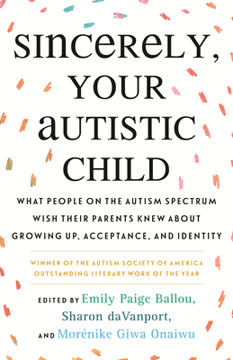
Sincerament, el teu fill autista ha rebut en general valoracions molt positives, amb lectors que destaquen les perspectives diverses de dones autistes i persones no binàries. Molts l’han trobat perspicaz, afirmatiu i molt útil per a pares i aliats. El llibre posa l’accent en l’acceptació, l’amor i la comprensió dels infants autistes. Alguns lectors han percebut que es centra més en les nenes i haurien desitjat més punts de vista masculins. En conjunt, les ressenyes valoren l’honestedat del llibre, la pluralitat de veus i la seva capacitat per transformar la manera com entenem l’autisme. Molts el consideren una lectura imprescindible per a pares i per a qui vulgui aprofundir en la comprensió de l’autisme.
La gent també llegeix

Preguntes freqüents
What's "Sincerely, Your Autistic Child" about?
- Focus on Autistic Perspectives: The book is a collection of essays by autistic individuals sharing their experiences and insights on growing up, acceptance, and identity.
- Parental Guidance: It aims to provide parents with a deeper understanding of what their autistic children might be experiencing and how to support them.
- Diverse Voices: The contributors include a wide range of autistic voices, including those of different genders, races, and backgrounds.
- Community and Identity: It emphasizes the importance of community and identity in the lives of autistic individuals.
Why should I read "Sincerely, Your Autistic Child"?
- Firsthand Experiences: The book offers authentic insights from autistic individuals, providing a perspective often missing in mainstream discussions.
- Practical Advice: It includes practical advice for parents on how to support their autistic children effectively.
- Challenging Stereotypes: The book challenges common stereotypes and misconceptions about autism.
- Empowerment and Acceptance: It promotes acceptance and empowerment, encouraging parents to embrace their child's unique identity.
What are the key takeaways of "Sincerely, Your Autistic Child"?
- Presume Competence: Always assume that autistic individuals are capable and have potential, even if they communicate differently.
- Value of Community: Building a supportive community is crucial for the well-being of autistic individuals.
- Respect Autonomy: Respect the autonomy and individuality of autistic children, allowing them to express themselves freely.
- Challenge Norms: Question societal norms and expectations that may not align with the needs and strengths of autistic individuals.
How does "Sincerely, Your Autistic Child" address the concept of acceptance?
- Acceptance Over Compliance: The book emphasizes the importance of accepting autistic individuals as they are, rather than trying to make them conform to societal norms.
- Understanding and Support: It encourages parents to understand their child's unique needs and provide the necessary support.
- Celebrating Differences: Acceptance involves celebrating the differences and strengths that come with being autistic.
- Long-term Well-being: Acceptance is crucial for the long-term well-being and happiness of autistic individuals.
What advice does "Sincerely, Your Autistic Child" offer to parents of autistic children?
- Listen and Learn: Parents are encouraged to listen to their children and learn from their experiences.
- Seek Autistic Role Models: Introduce children to autistic role models who can provide guidance and inspiration.
- Avoid Harmful Therapies: Be cautious of therapies that prioritize compliance over the child's well-being.
- Foster Independence: Support your child's independence and self-advocacy skills.
How does "Sincerely, Your Autistic Child" challenge common stereotypes about autism?
- Diverse Experiences: The book highlights the diverse experiences of autistic individuals, showing that there is no single "autistic experience."
- Empathy and Emotion: It dispels the myth that autistic people lack empathy or emotional depth.
- Gender and Autism: The book addresses the underdiagnosis of autism in girls and women, challenging gender-based stereotypes.
- Strengths and Talents: It emphasizes the unique strengths and talents of autistic individuals, countering the focus on deficits.
What are some of the best quotes from "Sincerely, Your Autistic Child" and what do they mean?
- "Presume competence": This quote underscores the importance of believing in the abilities of autistic individuals, even if they communicate differently.
- "Change the world, not your child": It suggests that societal attitudes and environments should adapt to accommodate autistic individuals, rather than forcing them to change.
- "Acceptance means embracing the amazing Autistic person that your child is": This highlights the need for unconditional acceptance and love for autistic children.
- "There is a place in the world for your child": It reassures parents that their autistic child can find a fulfilling and meaningful place in the world.
How does "Sincerely, Your Autistic Child" address the intersectionality of autism?
- Multiple Identities: The book explores how autism intersects with other identities, such as race, gender, and sexuality.
- Unique Challenges: It acknowledges the unique challenges faced by autistic individuals who belong to multiple marginalized groups.
- Inclusive Voices: The anthology includes contributions from a diverse range of autistic individuals, reflecting varied experiences.
- Community and Solidarity: It emphasizes the importance of community and solidarity among autistic individuals with intersecting identities.
What role does community play in "Sincerely, Your Autistic Child"?
- Support Network: Community provides a vital support network for autistic individuals and their families.
- Shared Experiences: Being part of a community allows autistic individuals to share experiences and learn from each other.
- Role Models: Community offers access to role models who can inspire and guide autistic individuals.
- Sense of Belonging: It fosters a sense of belonging and acceptance, which is crucial for well-being.
How does "Sincerely, Your Autistic Child" suggest parents handle societal expectations?
- Challenge Norms: Parents are encouraged to challenge societal norms that may not align with their child's needs.
- Focus on the Child: Prioritize the child's well-being and happiness over societal expectations of "normalcy."
- Educate Others: Use opportunities to educate others about autism and advocate for acceptance and understanding.
- Resist Pressure: Resist pressure to conform to traditional parenting methods that may not be suitable for autistic children.
What insights does "Sincerely, Your Autistic Child" provide on the topic of self-advocacy?
- Empowerment: The book emphasizes empowering autistic individuals to advocate for themselves.
- Skill Development: It suggests ways to help autistic children develop self-advocacy skills from a young age.
- Parental Support: Parents play a crucial role in supporting and encouraging their child's self-advocacy efforts.
- Long-term Benefits: Self-advocacy is essential for the long-term independence and well-being of autistic individuals.
How does "Sincerely, Your Autistic Child" address the importance of identity for autistic individuals?
- Embrace Identity: The book encourages autistic individuals to embrace their identity and be proud of who they are.
- Identity Exploration: It supports the exploration of identity, including gender and cultural aspects, as part of personal growth.
- Community Connection: Connecting with others who share similar identities can strengthen self-understanding and acceptance.
- Authentic Living: Living authentically as an autistic person is portrayed as a path to fulfillment and happiness.








































