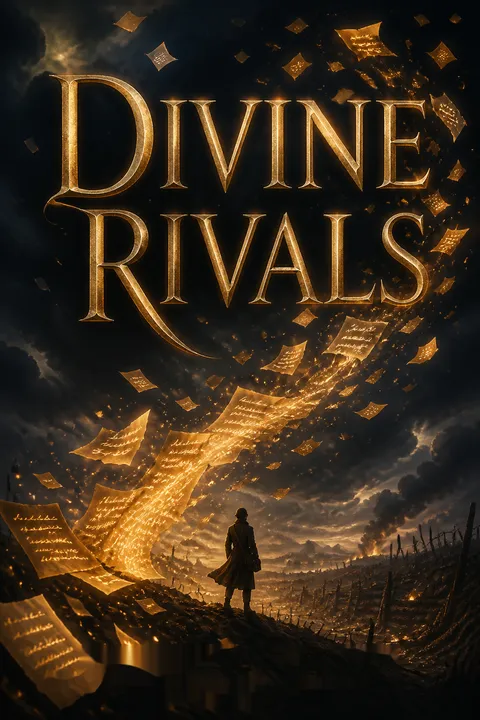

Resumen de la trama
Despedidas y promesas en la estación
En una conmovedora escena en una estación de tren cubierta por la niebla, Iris Winnow ve partir a su hermano, Forest, hacia la guerra. El vínculo que los une es fuerte, pero se ve sometido a la tensión de las promesas que él le exige: cuidar de su madre y continuar con sus estudios. Mientras el tren se aleja, Iris se queda a solas con una trinchera y una nota de Forest, dolorosos recordatorios de su ausencia y de la inminencia del conflicto. Con el corazón abrumado por temores silenciosos y la cruda realidad de un mundo en guerra, contempla la dolorosa posibilidad de no volver a verlo jamás.
El inicio de una nueva rivalidad
En la redacción del Oath Gazette, Iris compite ferozmente con Roman Kitt por un codiciado puesto de columnista. Su relación está marcada por intercambios afilados y una mutua subestimación. El origen privilegiado de Roman contrasta con los humildes comienzos de Iris, lo que aviva la tensión competitiva entre ambos. Sin embargo, a pesar de la animosidad, empieza a surgir un respeto reacio a medida que se disputan los encargos. La redacción se convierte en un campo de batalla donde cada uno intenta eclipsar al otro, sin sospechar los profundos lazos que pronto los unirán.
Cartas y secretos al descubierto
Iris escribe cartas sinceras y emotivas a su hermano, Forest, y las desliza bajo la puerta de su armario con la esperanza de que le lleguen. Sin que ella lo sepa, las cartas se entregan misteriosamente a Roman Kitt, quien se convierte en un confidente involuntario. Al leer sus palabras, Roman se siente conmovido por la vulnerabilidad y la fortaleza de Iris. Se debate entonces entre revelarle la verdad o callar, temeroso de las consecuencias si ella llega a descubrir su identidad. Su conexión se profundiza a través de estos intercambios secretos, sentando las bases de una relación que ninguno de los dos imaginó.
La corresponsal de guerra inesperada
Tras renunciar al Gazette, Iris se convierte en corresponsal de guerra para el Inkridden Tribune. Viaja a Avalon Bluff, un pueblo cercano al frente de batalla, impulsada por la esperanza de encontrar a su hermano. El viaje está lleno de incertidumbre, pero Iris está decidida a plasmar la realidad del conflicto. Allí conoce a Attie, una compañera corresponsal con la que entabla una estrecha relación nacida de los temores y ambiciones compartidos. A medida que se adapta a su nuevo papel, Iris se enfrenta a los desafíos de informar desde una región devastada por la guerra, poniendo a prueba su entereza ante las duras verdades que descubre.
El silencio de Avalon Bluff
Avalon Bluff es un lugar extrañamente silencioso, un pueblo envuelto en la constante amenaza de la guerra. Iris y Attie se hospedan en el hostal de Marisol, donde aprenden a reconocer las sirenas que alertan de un peligro inminente. El silencio del pueblo contrasta drásticamente con el caos de la batalla, e Iris lucha por reconciliar ambas realidades. Comienza a comprender el peso de su nuevo papel y la responsabilidad de retratar las historias de los afectados por el conflicto. Mientras navega por este nuevo entorno, los pensamientos de Iris suelen desviarse hacia Roman, cuya conexión se convierte en una fuente de consuelo y confusión.
Las sirenas de la guerra
La tranquilidad de Avalon Bluff se rompe con el lamento de las sirenas, que anuncian la proximidad de los sabuesos y eithrals de Dacre. Iris y Attie aprenden a reaccionar con rapidez, buscando refugio y apagando las luces para evitar ser detectadas. Las sirenas son un recordatorio constante de la cercanía de la guerra, infundiendo una sensación de urgencia y temor. La determinación de Iris se pone a prueba al presenciar el impacto del conflicto en el pueblo y sus habitantes. Las sirenas se convierten en el símbolo de un peligro siempre presente, un recordatorio de la fragilidad de la vida en una zona de combate.
Una conexión a la distancia
A pesar de la distancia, Iris y Roman continúan su correspondencia; sus cartas son un salvavidas en medio del caos. Roman, a quien Iris ahora conoce como Carver, se convierte en un pilar de apoyo y comprensión. Sus intercambios revelan anhelos y vulnerabilidades, estrechando aún más su unión. Iris encuentra refugio en sus palabras, incluso mientras lidia con la crudeza de la guerra. Las cartas se transforman en el testimonio de un lazo creciente, en la promesa de algo más una vez que el conflicto termine. Su relación evoluciona de la rivalidad a la amistad y, tal vez, a algo mucho más profundo.
Sombras de traición y revelación
Tras escapar milagrosamente de Avalon Bluff, Iris se encuentra en el bosque junto a su hermano, Forest. Mientras intenta asimilar el incierto destino de Roman, descubre la traición de Forest: él ha estado luchando para Dacre, el enemigo. La revelación es un trago amargo al comprender que las acciones de su hermano no fueron voluntarias, sino el pago de una deuda con Dacre por haberle salvado la vida. Este descubrimiento quiebra su confianza, pero aun así se aferra a la esperanza de encontrar a Roman, convencida de que sigue vivo.
Una búsqueda desesperada por Roman
Decidida a encontrar a Roman, Iris convence a Forest de llevarla de vuelta al lugar donde lo vieron por última vez. El viaje está lleno de tensión, pues Iris debe combatir la insistencia de su hermano de que Roman se ha ido para siempre. A pesar de las abrumadoras evidencias de su ausencia, el corazón de Iris se niega a aceptarlo. La persigue el recuerdo de la sangre de Roman y un misterioso círculo dibujado en la tierra, un símbolo cuyo significado aún no logra comprender.
Una boda en mitad del caos
Antes de que el caos de la guerra se desate por completo, Iris y Roman aprovechan un instante de paz para casarse en el jardín de Marisol. Rodeados de amigos, intercambian sus votos como un testimonio de amor y resiliencia. La ceremonia representa un breve respiro frente a la catástrofe inminente, un símbolo de esperanza y unión en un mundo fracturado por el conflicto. Al caer la noche, encuentran consuelo en los brazos del otro, ajenos a las pruebas que les aguardan al amanecer.
El gas y la huida
La tranquilidad de Avalon Bluff se hace añicos debido a un repentino ataque de gas. En la confusión resultante, Iris queda separada de Roman, quien se queda atrás luchando por sobrevivir en el campo. Su hermano, Forest, la arrastra lejos del peligro, priorizando la seguridad de ella por encima de la de Roman. El gas, un arma diseñada por Dacre, deja a Iris desorientada y desesperada. Su corazón se desgarra ante el temor de perder a Roman, pero se descubre impotente para regresar a su lado, obligada a huir con Forest hacia lo desconocido.
Un nuevo comienzo en Oath
De vuelta en Oath, Iris se enfrenta a la realidad de un mundo que ha seguido adelante sin ella. La ciudad parece la misma, pero ella se siente como una extraña en sus calles. La presencia de su hermano es un recordatorio constante del alcance de la guerra, y la ausencia de Roman es un vacío imposible de llenar. Mientras intenta adaptarse a esta nueva realidad, Iris se aferra a la esperanza de reencontrarse con Roman, guiada por las cartas que alguna vez los unieron a través de la distancia y el tiempo.
Analysis
Una exploración del amor, la guerra y la identidadDivine Rivals profundiza en la complejidad de las relaciones humanas con el trasfondo de la guerra. La narrativa examina temas como el amor, la traición y la resiliencia mientras los personajes intentan sobrevivir en un mundo devastado. Las cartas entre Iris y Roman simbolizan el poder perdurable de la conexión humana, ofreciendo esperanza y consuelo en los momentos más oscuros. La historia destaca el impacto del conflicto en la identidad personal y la lucha por encontrar una voz propia en medio del caos. A través del viaje de Iris, la novela subraya la importancia de la verdad, la justicia y el poder transformador de las palabras.
Resumen de reseñas
Divinos rivales ha recibido en su mayoría críticas positivas, y los lectores elogian el romance bellamente escrito entre Iris y Roman. Muchos encontraron que los personajes eran entrañables y que la historia resultaba emocionalmente cautivadora. Algunos criticaron los elementos de fantasía y la construcción del mundo por considerarlos poco desarrollados, lo que hacía que el libro se sintiera más como una ficción histórica. El final dejó a los lectores ansiosos por la secuela. Aunque algunos consideraron que estaba sobrevalorado, la mayoría de los críticos quedaron cautivados por la escritura poética y el viaje emocional de los personajes.
También leyeron
Characters
Iris Winnow
Iris es una joven impulsada por la necesidad de encontrar a su hermano y dar sentido a un mundo en guerra. Su viaje desde una competitiva redacción periodística hasta las líneas del frente revela tanto su fortaleza como su vulnerabilidad. Lidia con la pérdida, el amor y el poder de las palabras; sus cartas a Roman son el testimonio de una identidad en constante evolución. Su determinación para escribir sobre las realidades del conflicto se nutre de un profundo sentido de la justicia y del deseo de conectar con los demás, incluso mientras navega por las complejidades de su propio corazón.
Roman Kitt
Roman es el competidor de Iris en el Gazette, un joven de posición acomodada que oculta su propio dolor y culpa. Su inesperado papel como corresponsal secreto de Iris revela una gran empatía y profundidad de carácter. El viaje de Roman es de autodescubrimiento, en el que aprende a confrontar su pasado y a aceptar la vulnerabilidad. Su conexión con Iris desafía sus percepciones y enciende en él el deseo de buscar una vida con mayor significado. Su lucha por equilibrar las expectativas familiares con sus deseos personales es clave en su evolución mientras intenta escribir su propia historia.
Forest Winnow
La decisión de Forest de alistarse en el ejército deja una profunda huella en Iris, marcando su camino y avivando su determinación. Su ausencia es una constante en la vida de Iris, una fuente tanto de esperanza como de desconsuelo. Las promesas que Forest le hizo y los recuerdos que comparten guían las acciones de ella en su empeño por encontrarlo y comprender sus decisiones. Su personaje se define por la valentía y el sentido del deber, cualidades que inspiran a Iris incluso mientras asimila las consecuencias de su partida.
Attie (Thea Attwood)
Attie es una compañera corresponsal de guerra y la confidente de Iris. Su espíritu intrépido y su empeño por demostrar su valía la convierten en un personaje entrañable. Su formación como música aporta una perspectiva profunda a su visión de la guerra, y su amistad con Iris le ofrece un valioso apoyo y camaradería. Sus vivencias en el frente desafían sus creencias y fortalecen su determinación mientras experimenta las complejidades del conflicto y el poder de la verdad.
Marisol Torres
Marisol regenta el hostal donde se hospedan Iris y Attie en Avalon Bluff. Su amabilidad y resiliencia quedan de manifiesto en su entrega para ayudar a los demás, ya sea alimentando a los soldados o brindando refugio. Su propia historia de amor y pérdida añade profundidad a su personaje, afrontando los desafíos de la guerra con gracia y entereza. La relación con su esposa, Keegan, es un testimonio del amor duradero y de los sacrificios que se realizan en tiempos de conflicto.
Plot Devices
Letters as a Connection
Las cartas que se intercambian Iris y Roman funcionan como un recurso narrativo esencial que los mantiene unidos a pesar de la distancia y las circunstancias. Esta correspondencia mágica permite el desarrollo de su relación, revelando anhelos y vulnerabilidades que de otro modo habrían permanecido ocultos. Las cartas ofrecen una mirada íntima a sus identidades, abriendo una ventana a sus pensamientos y emociones más profundos. Este recurso también resalta el poder de las palabras para construir puentes y crear lazos, incluso en mitad del caos.
The Sirens of Avalon Bluff
Las sirenas de Avalon Bluff funcionan como un recordatorio constante de la cercanía de la guerra y de la amenaza latente. Simbolizan la naturaleza impredecible de la vida en una zona de conflicto, infundiendo una sensación de urgencia y temor. Asimismo, las sirenas impulsan la narrativa, obligando a los personajes a confrontar sus debilidades y a adaptarse a la realidad de la batalla. Este recurso subraya la fragilidad de la seguridad y la necesidad de mantenerse alerta, moldeando las decisiones y acciones de los protagonistas.
The Gas Attack
El ataque de gas funciona como un punto de inflexión en la trama, separando a Iris y a Roman y empujando a Iris a un viaje de descubrimiento. Simboliza la crueldad e imprevisibilidad de la guerra, destacando la fragilidad de la existencia y la necesidad de una vigilancia constante. El ataque impulsa los acontecimientos, preparando el escenario para la búsqueda de Roman por parte de Iris y el descubrimiento de la verdad sobre su hermano.
Preguntas frecuentes
Synopsis & Basic Details
What is Divine Rivals about?
- Rival journalists connect magically: Divine Rivals follows Iris Winnow and Roman Kitt, two young journalists competing for a columnist position at the Oath Gazette. Their rivalry takes an unexpected turn when Iris's letters to her missing brother, sent through a magical wardrobe, mysteriously reach Roman instead.
- War and gods intertwine: The story is set against the backdrop of a war between two awakened gods, Enva and Dacre, which is impacting the lives of mortals. This conflict adds a layer of urgency and danger to the characters' personal struggles.
- Love and loss in wartime: As Iris and Roman navigate their professional rivalry and the war, they develop a complex relationship through their secret correspondence. The story explores themes of love, loss, and the power of words in a world consumed by conflict.
Why should I read Divine Rivals?
- Unique blend of genres: The novel seamlessly blends elements of fantasy, romance, and historical fiction, creating a captivating and immersive reading experience. The magical elements are subtle yet integral to the plot.
- Compelling characters: Iris and Roman are complex and well-developed characters with relatable flaws and strengths. Their evolving relationship is both heartwarming and heartbreaking, drawing readers into their emotional journey.
- Thought-provoking themes: Divine Rivals explores profound themes of war, loss, family, and the power of words. It prompts readers to consider the impact of conflict on individuals and the importance of truth and connection.
What is the background of Divine Rivals?
- Fantasy world with a historical feel: The story is set in a world called Cambria, which has a blend of old-world charm and modern technology. The setting feels reminiscent of early 20th-century Europe, with elements of magic and mythology woven into the fabric of society.
- Political and religious tensions: The war between the gods, Enva and Dacre, has created a climate of fear and division. The political landscape is fraught with tension, as different factions vie for power and influence.
- Cultural emphasis on communication: The importance of newspapers and the power of the written word are central to the story. The characters' roles as journalists highlight the significance of truth and information in a world where propaganda and misinformation are rampant.
What are the most memorable quotes in Divine Rivals?
- "Write me of hope and love, and hearts that endured.": This epigraph from Emily Dickinson sets the tone for the novel, highlighting the themes of love, resilience, and the power of the human spirit in the face of adversity.
- "How can you love this goddess more than me? How can you leave me like this?": This quote captures Iris's internal conflict and her struggle to understand her brother's decision to enlist in the war, revealing her vulnerability and the depth of her love for him.
- "Turn a foe into a friend, and you'll have one less enemy.": This proverb, invoked by Iris, reflects her desire to bridge the gap between herself and Roman, highlighting the theme of overcoming animosity and finding common ground.
What writing style, narrative choices, and literary techniques does Rebecca Ross use?
- Dual POV with intimate narration: The story is primarily told from Iris's perspective, with occasional chapters from Roman's point of view. This allows readers to gain insight into both characters' thoughts and feelings, creating a more immersive and emotionally resonant experience.
- Rich sensory details and evocative language: Ross uses vivid descriptions and sensory details to bring the world of Divine Rivals to life. Her writing style is both lyrical and evocative, drawing readers into the characters' experiences and emotions.
- Subtle foreshadowing and thematic echoes: The novel is filled with subtle foreshadowing and thematic echoes, which add layers of meaning and complexity to the plot. Ross uses recurring motifs and symbols to connect seemingly disparate elements of the story.
Hidden Details & Subtle Connections
What are some minor details that add significant meaning?
- The Alouette typewriter: The typewriter, inherited from Iris's grandmother, is not just a tool but a symbol of connection and destiny. Its unique design and history link Iris and Roman in unexpected ways, hinting at a deeper, magical bond.
- The color purple: The color purple, associated with Iris's mother, is a recurring motif that symbolizes loss, memory, and the enduring power of love. It also hints at the hidden depths of Iris's character and her connection to the past.
- The names of the gods: The names of the gods, Enva and Dacre, are not just labels but carry symbolic weight. Enva, associated with the sky and music, represents hope and inspiration, while Dacre, associated with the earth and fire, embodies destruction and rage.
What are some subtle foreshadowing and callbacks?
- The broken heel: Iris's broken heel in the first chapter foreshadows the obstacles and challenges she will face throughout the story. It also serves as a callback to her initial meeting with Roman, highlighting the evolution of their relationship.
- The mention of eithrals: The early mention of eithrals in the Inkridden Tribune foreshadows their significance in the war and their connection to Dacre. It also hints at the deeper, more dangerous forces at play in the conflict.
- The shared love of writing: The characters' shared love of writing and their unique writing styles foreshadow their connection and their ability to understand each other on a deeper level. It also highlights the power of words to bridge gaps and create bonds.
What are some unexpected character connections?
- Nan's connection to the Alouette typewriters: The revelation that Roman's grandmother was one of the original owners of the Alouette typewriters creates a surprising link between his family and Iris's, suggesting a deeper, almost fated connection between them.
- Marisol's connection to the war: Marisol's hidden connection to the war through her wife, Keegan, adds a layer of complexity to her character and reveals the far-reaching impact of the conflict. It also highlights the sacrifices made by those who are left behind.
- Forest's connection to Dacre: Forest's unexpected allegiance to Dacre reveals a hidden layer of complexity to his character and adds a layer of betrayal to Iris's journey. It also highlights the manipulative power of the gods and the moral ambiguities of war.
Who are the most significant supporting characters?
- Attie (Thea Attwood): As Iris's fellow war correspondent, Attie provides a source of friendship, support, and camaraderie. Her own struggles and ambitions mirror Iris's, creating a bond that is both relatable and inspiring.
- Marisol Torres: As the owner of the B and B, Marisol provides a safe haven for Iris and Attie. Her kindness, wisdom, and resilience make her a source of strength and guidance.
- Lieutenant Lark: As the leader of the Sycamore Platoon, Lieutenant Lark embodies the bravery and sacrifice of the soldiers fighting in the war. His interactions with Iris provide insight into the human cost of conflict.
Psychological, Emotional, & Relational Analysis
What are some unspoken motivations of the characters?
- Roman's desire for validation: Beneath his privileged exterior, Roman is driven by a deep-seated need for validation and recognition. His competitive nature stems from a desire to prove himself, not just to others but also to himself.
- Iris's need for connection: Iris's fierce independence masks a deep need for connection and belonging. Her letters to Forest and her growing bond with Roman reveal her longing for love and acceptance.
- Forest's guilt and desperation: Forest's decision to enlist is driven by a complex mix of guilt, desperation, and a desire to find meaning in a world consumed by war. His actions are motivated by a need to atone for past mistakes and find a purpose beyond his own personal struggles.
What psychological complexities do the characters exhibit?
- Roman's internal conflict: Roman struggles with the expectations placed upon him by his family and his own desires. His internal conflict is evident in his actions, as he vacillates between duty and personal fulfillment.
- Iris's fear of vulnerability: Iris's fierce independence masks a deep-seated fear of vulnerability. She struggles to let down her guard and trust others, a fear that stems from past losses and betrayals.
- Forest's trauma and manipulation: Forest's experiences in the war have left him deeply traumatized and vulnerable to manipulation. His actions are driven by a complex mix of guilt, desperation, and a desire to find meaning in a world consumed by conflict.
What are the major emotional turning points?
- Iris's discovery of Roman's identity: The moment Iris realizes that Roman is also Carver is a major emotional turning point. It forces her to confront her feelings for him and the complex nature of their relationship.
- Iris's mother's death: The death of Iris's mother is a devastating emotional turning point that forces her to confront her grief and her broken promises to her brother. It also serves as a catalyst for her decision to leave the Gazette and seek out her brother.
- The gas attack and separation: The gas attack and the subsequent separation of Iris and Roman is a major emotional turning point. It forces them to confront their fears and vulnerabilities, and it solidifies their bond.
How do relationship dynamics evolve?
- Rivalry to respect: The relationship between Iris and Roman evolves from a fierce rivalry to a grudging respect, and then to a deep and complex bond. Their initial animosity is gradually replaced by a mutual understanding and appreciation for each other's strengths and vulnerabilities.
- Secret correspondence to open communication: The secret correspondence between Iris and Roman allows them to connect on a deeper level, revealing their true selves. As they begin to communicate more openly, their relationship evolves from a hidden connection to a more authentic and vulnerable bond.
- Individual journeys to shared destiny: Both Iris and Roman embark on individual journeys of self-discovery, but their paths are intertwined by fate and their shared experiences. Their relationship evolves from a competition to a partnership, as they learn to rely on each other and work together towards a common goal.
Interpretation & Debate
Which parts of the story remain ambiguous or open-ended?
- The true nature of the gods: The novel leaves the true nature of the gods, Enva and Dacre, somewhat ambiguous. It is unclear whether they are truly benevolent or malevolent, or if they are simply forces of nature beyond human comprehension.
- The extent of Dacre's influence: The extent of Dacre's influence over mortals is left open to interpretation. It is unclear whether he is simply manipulating them or if he has a more profound control over their actions and choices.
- The future of Cambria: The ending of the novel leaves the future of Cambria uncertain. It is unclear whether the war will end, or if the conflict between the gods will continue to plague the mortal world.
What are some debatable, controversial scenes or moments in Divine Rivals?
- Forest's actions: Forest's decision to fight for Dacre, despite his love for his sister, is a controversial moment that raises questions about free will and the influence of external forces. It also prompts debate about the nature of loyalty and betrayal.
- Roman's initial treatment of Iris: Roman's initial underestimation and dismissive attitude towards Iris is a controversial aspect of his character. It raises questions about privilege and prejudice, and it prompts debate about whether he is truly worthy of her love.
- The ending: The ending of the novel, with Iris and Roman separated and the future uncertain, is a controversial moment that leaves readers with a sense of unease and anticipation. It prompts debate about the nature of love and loss, and the possibility of a happy ending in a world consumed by conflict.
Divine Rivals Ending Explained: How It Ends & What It Means
- Separation and uncertainty: The ending of Divine Rivals leaves Iris and Roman separated, with their future uncertain. This ending highlights the unpredictable nature of war and the fragility of human connections.
- Hope amidst despair: Despite the separation and the looming threat of Dacre, the ending also offers a glimmer of hope. Iris's determination to find Roman and her belief in their connection suggest that their love may endure, even in the face of adversity.
- The power of choice: The ending underscores the importance of individual choice and the power of the human spirit to resist manipulation and oppression. It suggests that even in the darkest of times, there is always the possibility of hope and resilience.
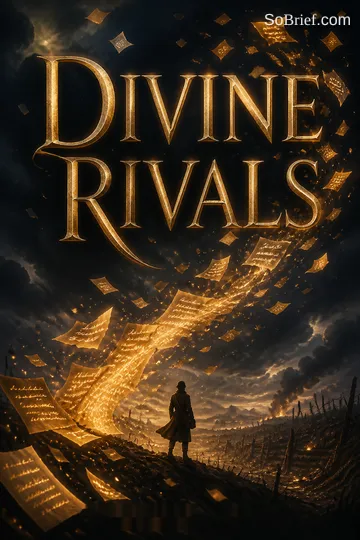
Cartas de encantamiento Serie
Sobre el autor

Descargar PDF
Descargar EPUB
.epub digital book format is ideal for reading ebooks on phones, tablets, and e-readers.








































