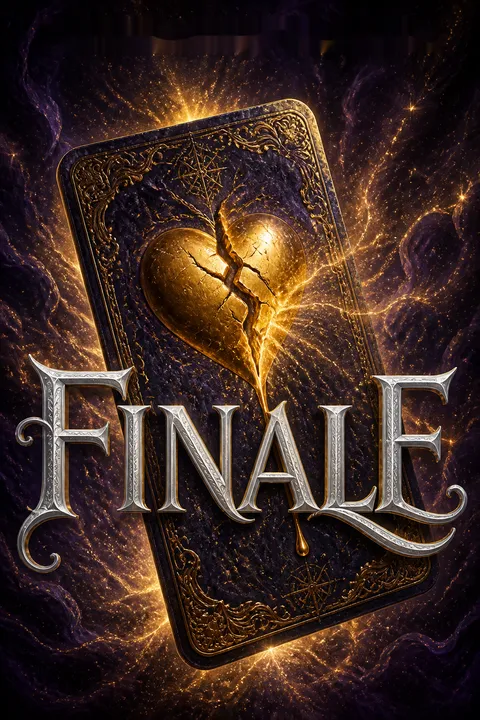

Summary Temporarily Unavailable
This summary is temporarily unavailable and is currently being updated. You can still explore the FAQs and other metadata below.
Resumen de la trama
Hermanas y coronas destrozadas
Scarlett y Donatella Dragna, unidas por el amor y el trauma, han sobrevivido al juego mágico y mortal de Caraval. Pero el caos reina tras la tormenta: Legend, el enigmático maestro de Caraval, ha reclamado el trono del imperio, y la madre de las hermanas, Paloma, permanece en un sueño encantado. Tella es perseguida por sueños con Legend, dividida entre el deseo y la desconfianza, mientras Scarlett busca controlar su propio destino, desafiando a sus pretendientes a un concurso por su mano. El vínculo entre las hermanas se pone a prueba mientras cada una sigue caminos peligrosos, sin saber que el pasado —especialmente el de su madre— pronto amenazará todo lo que más valoran.
Sueños, mentiras y Legend
Cada noche, Tella es visitada en sus sueños por Legend, quien difumina la línea entre ilusión y verdad. Sus encuentros están cargados de anhelo, dolor y la tensión no resuelta de sacrificios pasados. La magia de Legend flaquea, y Tella percibe que algo anda profundamente mal. Se siente atraída hacia él, pero se niega a ser una más en su historia. Los sueños se convierten en un campo de batalla por el control, el deseo y la esperanza de algo real, mientras el mundo exterior se vuelve cada vez más peligroso.
El juego después de Caraval
Decidida a tomar las riendas de su destino, Scarlett organiza una competencia entre su ex prometido, Nicolás, y Julian, el hombre que realmente posee su corazón. El ganador obtendrá su mano en matrimonio. Este juego es el intento de Scarlett por recuperar su agencia, pero pronto se enreda con los juegos más grandes y peligrosos que se desarrollan en el imperio. Sus decisiones y la rivalidad entre los hombres reflejan las manipulaciones e ilusiones de Caraval, pero con apuestas y consecuencias reales.
La baraja desatada
La mágica Baraja del Destino, antes considerada un mero mito, es ahora una realidad. Sus seres inmortales —los Destinos— han sido liberados, trayendo caos y terror al imperio. Estas figuras antiguas y divinas se alimentan del miedo y manipulan el destino, amenazando no solo a las hermanas, sino al mundo entero. Su despertar está ligado a los secretos de la familia Dragna, y las hermanas deben enfrentar las consecuencias de las acciones pasadas de su madre y sus propias decisiones.
Las apuestas separadas de las hermanas
Scarlett se ve atrapada en la red de su propio concurso, mientras Tella, desesperada por salvar a Legend y a su madre, busca respuestas en lugares prohibidos. Sus caminos se separan: Scarlett enfrenta los fantasmas de las decisiones de su madre y de su propio corazón, mientras Tella persigue a Legend, descubriendo la verdad sobre su magia, sus orígenes y el precio de amar a un inmortal. Ambas hermanas se ven obligadas a confrontar lo que están dispuestas a sacrificar por amor y familia.
El precio de la magia
La magia de Legend, antes ilimitada, ahora falla. Busca ayuda en Esmeralda, la bruja que lo creó, y descubre que la inmortalidad de los Destinos está ligada a quien los creó: la Estrella Caída. Para destruir a los Destinos, la Estrella Caída debe morir —pero comparte la misma debilidad fatal que Legend. Tella presencia el lado despiadado de Legend cuando traiciona a Esmeralda para recuperar su poder, obligándola a cuestionar si alguna vez podrá amar o ser digno de confianza.
El pasado secreto de la madre
La madre de las hermanas, Paloma, despierta solo para desaparecer, dejando una advertencia: los Destinos están despiertos y las hermanas corren grave peligro. Tella la persigue, solo para presenciar la trágica reunión de Paloma con Gavriel, la Estrella Caída —su antiguo amante y creador de los Destinos. En un enfrentamiento fatal, Paloma intenta matar a Gavriel, pero es ella quien cae. Tella queda destrozada, con los secretos de su madre convertidos en una herencia mortal.
La amenaza destinada despierta
Con los Destinos liberados, Valenda se sume en el terror. La gente está petrificada, manipulada y asesinada en crueles juegos. El poder de los Destinos crece a medida que el miedo se extiende, y las hermanas comprenden que derrotarlos requerirá más que valentía: exigirá decisiones imposibles y el desentrañamiento de una magia ancestral. El imperio está al borde del abismo, y las hermanas deben reunir aliados improbables para enfrentar la amenaza inmortal.
El pacto mortal del amor
El dolor y la desesperación llevan a Tella a una alianza peligrosa con Jacks, el Príncipe de Corazones, quien la reclama como su verdadero amor. Su vínculo se sella en sangre, atando a Tella a él en un matrimonio de magia y obsesión. Mientras tanto, Legend le ofrece a Tella la inmortalidad, pero no el amor —no puede arriesgarse a amar, pues el amor es la única vulnerabilidad de un inmortal. Tella debe elegir entre un amor que podría destruir a Legend y una devoción que podría destruirla a ella misma.
El concurso por el corazón de Scarlett
El concurso de Scarlett entre Julian y Nicolás se convierte en un crisol para su propio corazón. A medida que los Destinos se acercan, Scarlett se ve obligada a enfrentar su linaje —es hija de la Estrella Caída, y sus poderes despiertan. Para salvar a quienes ama, debe dominar sus habilidades, enfrentar a su padre y hacer un sacrificio que podría costarle todo. Su viaje es uno de autodescubrimiento, perdón y la realización de que el verdadero poder reside en la vulnerabilidad y el amor.
El destino de Legend
Legend es capturado y encerrado por los Destinos, poniendo en riesgo su inmortalidad. Bajo el hechizo de Jacks, Tella casi se pierde a sí misma, pero el poder del amor verdadero rompe el encantamiento. Legend, finalmente capaz de admitir sus sentimientos, elige el amor sobre la inmortalidad, arriesgándolo todo para estar con Tella. Su unión es ardua, forjada en sacrificio y la aceptación de la mortalidad. El destino de Legend es un testimonio del poder transformador del amor.
El mercado de los secretos
Desesperada por una forma de derrotar a la Estrella Caída, Tella se adentra en el Mercado de los Secretos, un lugar mágico donde todo tiene un precio. Cambia un secreto sobre su futuro hijo por el conocimiento de la debilidad de la Estrella Caída, aprendiendo que solo el amor puede hacer mortal a un inmortal. El costo de este saber es alto, atando a Tella a un futuro que no puede controlar por completo, y preparando el escenario para el enfrentamiento final.
El precio de sangre pagado
Scarlett, consciente de que solo convirtiéndose en lo que su padre desea podrá derrotarlo, viaja al pasado para aprender de su madre, Paradise. Regresa con la fuerza y el conocimiento para enfrentar a la Estrella Caída, pero la batalla final exige un precio de sangre. La disposición de Scarlett para perdonar y mostrar compasión, incluso hacia su monstruoso padre, se convierte en la clave para romper el ciclo de violencia y miedo.
La debilidad del inmortal
Las hermanas descubren que la única forma de matar a la Estrella Caída —y por extensión a los Destinos— es hacer que ame, pues el amor vuelve mortal a un inmortal. Scarlett, encarnando a su madre, confronta a su padre y le ofrece perdón. En un momento de vulnerabilidad, la Estrella Caída se vuelve humano, y Tella asesta el golpe fatal. El poder del amor, tanto como arma como fuerza sanadora, se revela como la verdadera magia de la historia.
La trampa de la obsesión
La obsesión de Jacks por Tella casi la destruye, atándola en un matrimonio de magia y manipulación. Pero la fortaleza de Tella y el amor que comparte con Legend rompen el hechizo. Jacks queda solo, una figura de advertencia sobre lo que sucede cuando el amor se convierte en posesión. El viaje de Tella es uno de recuperación de su agencia, de elegir el amor libremente y de negarse a ser peón de nadie.
La coronación final
Con los Destinos derrotados y el imperio salvado, Scarlett es coronada Emperatriz, inaugurando una nueva era de esperanza y sanación. Elige a Julian, no por obligación, sino por amor verdadero. Las hermanas, antes peones en los juegos de otros, son ahora las autoras de sus propios destinos. Su triunfo es agridulce, marcado por la pérdida, pero también por la promesa de nuevos comienzos.
Sacrificio y verdaderos finales
Las hermanas reflexionan sobre la naturaleza de los finales —cómo los verdaderos finales requieren sacrificio, esperanza y el valor para seguir adelante cuando todo parece perdido. No todos obtienen un final verdadero, pero quienes perseveran, quienes eligen el amor y el perdón sobre el miedo y la venganza, pueden encontrarlo. La historia concluye con las hermanas unidas, su vínculo irrompible, y un mundo para siempre cambiado por sus decisiones.
Amanece una nueva dinastía
La coronación de Scarlett marca el inicio de una nueva dinastía, construida sobre el amor, la resiliencia y las lecciones del pasado. Tella, siempre inquieta, busca nuevas aventuras, mientras Legend, ahora mortal, elige una vida junto a ella. El imperio está libre de la tiranía de los Destinos, y las hermanas, antes a merced del destino, son ahora sus dueñas. Su historia es una celebración de la esperanza, el poder de la elección y la magia que habita en cada corazón dispuesto a amar.
Personajes
Donatella (Tella) Dragna
Tella es la hermana menor de los Dragna, impulsiva, apasionada y movida por la necesidad de proteger a quienes ama —incluso a costa de sí misma. Su relación con Legend es una danza tumultuosa de deseo, desconfianza y anhelo de algo real. El viaje de Tella es de autodescubrimiento: tentada por el poder, puesta a prueba por el dolor y casi destruida por la obsesión, pero finalmente elige el amor libremente. Su vínculo con su hermana es su ancla, y su disposición a sacrificarse por la familia y la esperanza es el corazón de la historia.
Scarlett Dragna
Scarlett, la hermana mayor, es cautelosa, protectora y determinada a controlar su propio destino. Su concurso entre Julian y Nicolás es un microcosmos de su lucha por decidir por sí misma. El arco de Scarlett es de transformación: de una joven gobernada por el miedo a una mujer que abraza su poder, perdona a su madre y enfrenta a su monstruoso padre. Su amor por Julian es constante, y su acto final de perdón y compasión es lo que salva al imperio.
Legend (Dante)
Legend es el inmortal maestro de Caraval, un hombre de ilusiones, secretos y decisiones imposibles. Su magia es tanto un don como una maldición, y su miedo al amor nace del conocimiento de que es su única debilidad. El viaje de Legend es de vulnerabilidad: debe elegir entre la inmortalidad y el amor, y al elegir a Tella, se vuelve verdaderamente humano. Su transformación es el clímax emocional de la historia, demostrando que el amor es la magia más grande de todas.
Jacks (Príncipe de Corazones)
Jacks es un inmortal Destinado, el Príncipe de Corazones, cuyo amor es más obsesión que devoción. Es tanto aliado como antagonista, ayudando a Tella pero atándola a él en un matrimonio de magia. La incapacidad de Jacks para amar verdaderamente lo convierte en una figura de advertencia, un aviso de lo que sucede cuando el deseo se vuelve posesión. Su arco es de anhelo y pérdida, siempre al margen del amor verdadero.
Madre de Scarlett y Tella (Paloma/Paradise)
Paloma, también conocida como Paradise, es la madre de las hermanas y la clave del pasado de los Destinos. Su amor con Gavriel, la Estrella Caída, pone en marcha los eventos de la historia. Las decisiones de Paloma están impulsadas por el amor y el miedo, y su sacrificio final es tanto una advertencia como un legado para sus hijas. Su historia recuerda que el pasado nunca desaparece del todo, y que el amor puede ser tanto arma como escudo.
Gavriel (La Estrella Caída)
Gavriel es el creador de los Destinos, la inmortal Estrella Caída y padre biológico de Scarlett. Su amor por Paradise es su perdición, y su miedo al poder del amor lo lleva a la crueldad. Gavriel es tanto villano como víctima, un ser que no puede escapar a las consecuencias de su propio corazón. Su muerte marca el fin del reinado de los Destinos y el comienzo de una nueva era.
Julian
Julian es hermano de Legend y el verdadero amor de Scarlett. Es firme, valiente y dispuesto a arriesgarlo todo por Scarlett. Su viaje es de redención, demostrando que el amor no es posesión sino sacrificio y confianza. La lealtad y el coraje de Julian contrastan con el miedo de Legend y la obsesión de Jacks.
Esmeralda
Esmeralda es la bruja que otorgó poderes a Legend y encarceló a los Destinos. Es tanto mentora como víctima, y su destino es una advertencia sobre los peligros del poder y la traición. Su relación con Legend es compleja, marcada por la necesidad mutua y la traición final.
Los Destinos
Los Destinos son seres antiguos de magia, cada uno con sus propios poderes y agendas. Son dioses y monstruos a la vez, alimentándose del miedo y manipulando el destino. Su despertar es el catalizador del conflicto central, y su derrota es un testimonio del poder de la esperanza y el amor.
El Asesino
El Asesino es un Destinado con el poder de viajar a través del tiempo y el espacio. Su locura es consecuencia de sus habilidades, y su lealtad es incierta. Es tanto amenaza como herramienta, ayudando a Scarlett en su última apuesta para derrotar a la Estrella Caída.
Recursos Narrativos
Estructura narrativa dual
La historia se cuenta a través de las perspectivas alternas de Scarlett y Tella, permitiendo al lector experimentar el mundo desde los ojos de ambas hermanas. Esta estructura intensifica la carga emocional, ya que el viaje de cada una refleja y contrasta con el de la otra. Sus misiones, decisiones y sacrificios convergen en el acto final, subrayando el poder de la familia y la necesidad de la esperanza.
Realismo mágico e ilusión
La magia en Finale es tanto maravillosa como traicionera. Ilusiones, sueños y objetos encantados crean un mundo donde nada es lo que parece. Esta mezcla de realidad y fantasía obliga a personajes y lectores a cuestionar qué es real, en quién confiar y qué merece la pena creer. La magia no es solo espectáculo; es una metáfora de los riesgos y recompensas de la esperanza, el amor y el autoengaño.
La Baraja del Destino
La Baraja del Destino es una fuerza literal y simbólica, que representa el poder del destino y el peligro de intentar controlarlo. Los Destinos, una vez encarcelados en la baraja, son liberados, trayendo caos y poniendo a prueba los límites de la agencia humana. La influencia de la baraja se siente en cada elección, sacrificio y acto de esperanza.
El amor como debilidad y fortaleza
El recurso central es la idea de que el amor es a la vez la mayor debilidad y la mayor fortaleza. Para los inmortales, el amor es fatal; para los mortales, es redentor. El clímax de la historia depende de la voluntad de amar, perdonar y ser vulnerable, incluso cuando eso implica arriesgarlo todo. Este recurso eleva las apuestas personales a consecuencias que alteran el mundo.
Sacrificio y pacto
A lo largo de la historia, los personajes se ven obligados a hacer pactos —intercambiando secretos, sangre e incluso su propia agencia por la oportunidad de salvar a quienes aman. El costo de la magia siempre es alto, y cada victoria se paga con dolor, pérdida o la renuncia a algo preciado. Estos sacrificios dan peso emocional a la historia y su sentido de triunfo arduamente ganado.
Viajes en el tiempo y destino
El viaje de Scarlett al pasado es tanto una exploración literal como metafórica de cómo las decisiones de una generación moldean a la siguiente. La capacidad de viajar en el tiempo es un don peligroso, y la historia advierte sobre las consecuencias no deseadas de intentar reescribir el destino. Sin embargo, también ofrece esperanza: que la comprensión y el perdón pueden romper ciclos de dolor.
Análisis
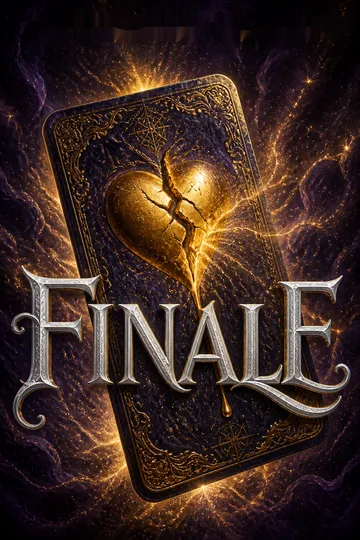
Finale es una conclusión exuberante y cargada de emoción para la trilogía Caraval, que combina fantasía de alto riesgo con profunda introspección psicológica. En su esencia, la novela trata sobre el poder de la esperanza, la necesidad del sacrificio y la magia transformadora del amor. Stephanie Garber utiliza los elementos del realismo mágico —barajas encantadas, seres inmortales e ilusiones cambiantes— para explorar las luchas muy reales de la agencia, el trauma y el perdón. Los viajes de las hermanas son tanto personales como épicos, mostrando que los verdaderos finales no se regalan, sino que se ganan con perseverancia, vulnerabilidad y el valor de elegir el amor sobre el miedo. En un mundo donde el destino parece ineludible, Finale insiste en que la esperanza es el acto más radical de todos, y que incluso las historias más rotas pueden encontrar un final verdadero, aunque imperfecto. Las lecciones de la novela resuenan en el lector moderno: que el poder sin compasión es vacío, que el amor vale el riesgo, y que el futuro siempre es, en alguna medida, nuestro para escribir.
Última actualización:
Report IssueResumen de reseñas
También leyeron
Preguntas frecuentes
Synopsis & Basic Details
What is Finale about?
- A Grand Conclusion: Finale is the epic conclusion to the Caraval trilogy, following sisters Scarlett and Donatella Dragna as they navigate a world where the magical game of Caraval has ended, but its consequences—the release of the ancient, powerful Destinies—have just begun. The narrative intertwines their personal quests for love, family, and self-determination with a high-stakes battle to save the Meridian Empire from the Destinies' tyrannical rule.
- Love, Power, and Sacrifice: The story delves into the complex relationships between the sisters, the enigmatic Legend, and the dangerous Prince of Hearts, Jacks, as they confront their pasts and make impossible choices. It explores themes of love, betrayal, destiny, and free will, culminating in a confrontation with the Destinies' creator, the Fallen Star, who is revealed to be Scarlett's biological father.
- A Fight for the Future: As Valenda descends into chaos under the Destinies' influence, Scarlett and Tella must uncover ancient secrets, forge unlikely alliances, and embrace their own burgeoning powers to defeat the immortal threats and secure a future where humanity can thrive, even if it means sacrificing their own desires or immortality.
Why should I read Finale?
- Emotional Depth & High Stakes: Readers should dive into Finale for its intense emotional journey, where every choice carries profound personal and imperial consequences. The novel masterfully balances intimate character arcs with a sweeping fantasy conflict, ensuring that readers are invested in both the sisters' hearts and the fate of their world.
- Rich World-Building & Magic: Stephanie Garber's signature lush, sensory prose brings Valenda and its magical elements to vivid life, from the shifting illusions of Legend's palace to the treacherous wonders of the Destined places. The magic is not just spectacle; it's deeply intertwined with character development and thematic exploration, offering a truly immersive experience.
- Satisfying Character Arcs: The book delivers compelling conclusions to the sisters' individual and shared journeys, as they grow from pawns to powerful agents of their own destinies. The exploration of love in its many forms—from obsessive to unconditional, and its paradoxical nature as both weakness and strength—provides a deeply resonant and ultimately hopeful resolution.
What is the background of Finale?
- Post-Caraval Chaos: Finale picks up two months after the events of Legendary, where the magical game of Caraval inadvertently led to the release of the ancient, god-like beings known as the Destinies from a cursed Deck of Destiny. This event plunges the Meridian Empire into turmoil, as the Destinies, once thought to be myths, begin to exert their capricious and often cruel powers over humanity.
- Ancient Lore & Immortal Beings: The narrative is steeped in the lore of the Destinies, revealing their origins, their unique powers (e.g., Poison, Jester Mad, the Assassin, the Priestess), and their connection to the Fallen Star, their creator. This ancient history, including the imprisonment of the Destinies by a powerful witch (Esmeralda), forms the backbone of the conflict, as the sisters must understand this past to defeat the present threat.
- Imperial Succession & Political Intrigue: With Empress Elantine deceased, Legend has claimed the throne, but his coronation is threatened by the awakening Destinies and the political machinations of the royal council. The struggle for imperial control is not merely political; it's a battle for the soul of the empire, as the Destinies seek to re-establish their reign of fear and manipulation.
What are the most memorable quotes in Finale?
- "Every story has four parts: the beginning, the middle, the almost end, and the true end. Unfortunately, not everyone gets a true end.": This opening quote sets the philosophical tone for Finale, emphasizing the novel's central theme of perseverance and the active pursuit of one's destiny. It foreshadows the arduous journey the characters must undertake to achieve a fulfilling resolution, highlighting that true endings are earned, not given.
- "The true power of a queen is not in her crown... It's here.": Spoken by Paloma to a young Scarlett, this line, accompanied by a hand placed over the heart, profoundly foreshadows Scarlett's eventual ascension to Empress. It redefines power not as a symbol of authority or status, but as an internal strength rooted in compassion, love, and self-belief, which ultimately enables her to defeat the Fallen Star.
- "I love everything about you, Donatella Dragna. Everything.": Legend's confession to Tella, breaking his long-held fear of love and mortality, is a pivotal emotional climax. This quote encapsulates his transformation from an enigmatic, self-preserving immortal to a vulnerable human willing to sacrifice everything for genuine connection, solidifying the novel's core message about love as the ultimate magic.
What writing style, narrative choices, and literary techniques does Stephanie Garber use?
- Sensory-Rich Prose: Garber's writing is characterized by its highly descriptive and evocative language, appealing strongly to the senses. She frequently uses synesthesia, blending colors with emotions ("feelings of Scarlett were a commotion of colors," "pinpricks of bitter orange uneasiness"), and scents with memories ("smelled of magic and heartbreak"), immersing the reader deeply into the characters' subjective experiences and the magical world.
- Magical Realism and Illusion: A core technique is the seamless blending of reality with fantastical elements, where magic is not just an external force but an intrinsic part of the world and characters. Illusions are pervasive, challenging characters and readers to question what is real, mirroring the themes of self-deception and the search for truth. This is evident in Legend's dreamscapes and the shifting nature of Destined places.
- Dual Narrative Structure: The alternating first-person perspectives of Scarlett and Tella provide intimate access to their distinct emotional and psychological journeys. This dual narrative allows for thematic parallelism, as their individual struggles with love, sacrifice, and destiny often mirror or contrast each other, enriching the overall narrative tapestry and highlighting the strength of their sisterly bond.
Hidden Details & Subtle Connections
What are some minor details that add significant meaning?
- The Fading of Legend's Tattoos: Early in the book, Tella notes that Legend's tattoos, particularly the wings on his back, have disappeared, and he no longer smells of ink. This subtle detail foreshadows his weakening magic and the draining of his powers by the Destinies, hinting at his vulnerability long before it's explicitly stated, and linking his physical appearance to his magical state.
- Julian's Changing Scar and Tattoo: Julian's scar, initially a mark of his past as an actor, becomes a symbol of his enduring loyalty and love for Scarlett when he gets a "Crimson" tattoo on his arm. This transformation of a physical imperfection into a permanent declaration of devotion subtly reinforces his steadfast character and contrasts with Legend's more fluid, illusion-based identity.
- The Ruscica's Blank Pages: When Tella first opens the Ruscica, it's blank until she applies her blood, revealing her own story. This detail subtly emphasizes the theme of self-authorship and free will, suggesting that while destiny might be written, it is also shaped by individual choices and sacrifices, literally "written in blood."
What are some subtle foreshadowing and callbacks?
- Paloma's Initial Warning to Tella: In the opening "Before the Beginning" section, Paloma tells Tella, "your greatest treasure is sitting in front of you. There is nothing so precious as the love of a sister." This seemingly simple statement foreshadows the ultimate importance of the sisters' bond over romantic love or magical power, serving as a constant callback to their foundational relationship amidst the chaos.
- The "Unwanted" Butterfly in Tella's Hand: After a dream with Legend, Tella wakes to find a dead butterfly in her hand that disappears when she puts it down. This subtle detail foreshadows the weakening of Legend's illusions and the real-world consequences of his faltering magic, hinting that his dream visits are not just fantasies but have tangible, albeit fleeting, effects.
- The Unmarried Bride's Veil of Tears: The Unmarried Bride, a Destiny, is described as having a "veil of tears." This subtly foreshadows her power to induce sorrow and her tragic backstory of being left at the altar, connecting her personal pain to her destructive abilities and highlighting the emotional toll of unfulfilled love.
What are some unexpected character connections?
- Scarlett's Lineage to the Fallen Star: The revelation that Gavriel, the Fallen Star and creator of the Destinies, is Scarlett's biological father is a major twist. This connection not only explains Scarlett's burgeoning powers (seeing emotions in color) but also deepens the thematic exploration of inherited trauma and the choice to defy one's lineage, making her confrontation with him intensely personal.
- Paloma's Past with Gavriel: The discovery that Paloma (Paradise) was not only Gavriel's lover but also the one who initially imprisoned him in the Deck of Destiny adds a layer of tragic irony and complexity to her character. This unexpected connection reveals her motivations for leaving her daughters and her ultimate sacrifice, showing her as a powerful, flawed figure rather than just a victim.
- Jacks's "True Love" Connection to Tella: Jacks's claim that Tella is his "true love" and the subsequent magical marriage, while initially appearing as manipulation, is rooted in the lore that Tella made his heart beat again. This connection, though obsessive and dangerous from Jacks's perspective, is a twisted form of devotion that profoundly impacts Tella's journey and forces her to define what true love means to her.
Who are the most significant supporting characters?
- Julian, the Steadfast Anchor: Julian, Legend's brother and Scarlett's true love, serves as a crucial emotional anchor. His unwavering loyalty, willingness to sacrifice, and consistent honesty (despite his past as an actor) provide a stark contrast to the manipulative nature of Legend and Jacks, highlighting the redemptive power of unconditional love and trust in Scarlett's journey.
- The Destinies as Thematic Foils: Beyond their plot function as antagonists, individual Destinies like Poison, Jester Mad, the Unmarried Bride, and the Priestess serve as thematic foils. Their powers and backstories (e.g., Poison's ability to petrify, Jester Mad's control over bodies, the Priestess's truth-compelling voice) embody different forms of manipulation and control, forcing the protagonists to confront the insidious nature of fear and power.
- Esmeralda, the Betrayed Creator: Esmeralda, the witch who created Legend and imprisoned the Destinies, is a significant supporting character whose betrayal by Legend underscores his ruthless pragmatism. Her story serves as a cautionary tale about the dangers of unchecked power and the cyclical nature of vengeance, influencing Tella's perception of Legend's true character.
Psychological, Emotional, & Relational Analysis
What are some unspoken motivations of the characters?
- Legend's Fear of Vulnerability: Beyond his stated fear of losing immortality, Legend's deepest unspoken motivation is a profound fear of vulnerability and the emotional chaos that love brings. His constant illusions and distance are a shield, as he admits, "I don't want to love you, Tella. I can't love you," revealing a self-preservation instinct that goes beyond physical death to emotional annihilation.
- Tella's Need for Control: Tella's impulsiveness and desire for adventure are often driven by an unspoken need for control, especially after a childhood where she felt powerless under her father and later, the whims of Caraval. Her initial refusal of Legend's prize and her attempts to manipulate Jacks are subtle manifestations of this desire to be the one pulling the strings, rather than a pawn.
- Scarlett's Guilt over Paloma: Scarlett carries an unspoken burden of guilt and resentment regarding her mother's disappearance and perceived abandonment. This motivates her initial cautiousness and desire for a "safe" future, as she subconsciously seeks to atone for her past feelings and protect Tella from similar pain, even if it means sacrificing her own desires.
What psychological complexities do the characters exhibit?
- Legend's Apathy as a Defense Mechanism: Legend exhibits a complex psychological state where his apparent apathy and detachment are deeply ingrained defense mechanisms. His statement, "I don't think I was capable of it," regarding love, suggests a self-perception of emotional barrenness, a coping strategy developed over centuries to avoid the mortal weakness that love represents to immortals.
- Jacks's Obsession as a Form of Love: Jacks's character explores the psychological complexity of obsession as a substitute for genuine love. He genuinely believes his actions are for Tella's benefit, even when they are cruel or manipulative, because his immortal nature prevents him from understanding human love. His final desolation after Tella cuts their bond reveals the depth of his twisted affection, a tragic inability to connect authentically.
- Scarlett's Internalized Conflict: Scarlett grapples with the psychological complexity of her dual nature: her cautious, nurturing side inherited from her upbringing, and the impulsive, powerful side inherited from her biological father, the Fallen Star. Her struggle to reconcile these aspects, particularly her ability to see emotions and her potential to control them, creates internal conflict as she fears becoming a monster like Gavriel.
What are the major emotional turning points?
- Paloma's Death and Tella's Numbness: Paloma's brutal death at Gavriel's hand is a major emotional turning point for Tella, plunging her into a state of profound numbness and grief. This raw, visceral pain leads her to seek Jacks's help in temporarily removing her emotions, highlighting the overwhelming nature of her loss and setting the stage for her later realization about the value of all feelings.
- Scarlett's Forgiveness of Gavriel: Scarlett's decision to forgive Gavriel, even as he lies dying, is a crucial emotional turning point. Despite his monstrous actions, her act of compassion and understanding ("I forgive you") allows him a moment of human vulnerability and regret, enabling his true death and breaking the cycle of hatred. This moment signifies Scarlett's embrace of her own power and empathy.
- Legend's Confession of Love: Legend's confession to Tella, "I love everything about you, Donatella Dragna. Everything," marks the ultimate emotional turning point for his character. It signifies his willingness to shed his immortality and embrace mortality for the sake of true love, shattering his long-held fears and transforming him from an enigmatic game master into a fully realized, vulnerable human.
How do relationship dynamics evolve?
- Tella and Legend: From Game to Genuine Connection: Their relationship evolves from a manipulative game of cat and mouse, fueled by distrust and hidden desires, to a genuine, albeit hard-won, connection. Initially, Legend keeps Tella at arm's length, fearing love's mortal cost. However, Tella's persistence and his near-death experience force him to confront his feelings, leading to his choice of love over immortality, transforming their dynamic into one of mutual vulnerability and devotion.
- Scarlett and Julian: From Reluctant Allies to Unconditional Love: Their dynamic shifts from Scarlett's initial distrust and Julian's playful deception to a deep, unconditional love. Julian's consistent loyalty, his willingness to fight for her, and his open declarations of love (culminating in his "Crimson" tattoo) gradually break down Scarlett's cautious barriers. Their relationship becomes a beacon of steadfastness and trust, contrasting with the more volatile romantic entanglements in the story.
- Sisters' Bond: Tested and Strengthened: The Dragna sisters' bond, always central, is severely tested by their mother's death, Scarlett's lineage, and their divergent paths. Despite moments of fear, anger, and separation, their love for each other remains an unbreakable anchor. Their ability to support each other through immense personal sacrifices and to prioritize each other's safety ultimately strengthens their connection, proving that sisterly love is a powerful, enduring force.
Interpretation & Debate
Which parts of the story remain ambiguous or open-ended?
- The Future of Tella's Daughter's Weakness: The Market of Secrets reveals Tella will have a daughter with a powerful gift and a "fatal weakness," which Tella promises to discover and reveal. This remains open-ended, leaving readers to wonder about the nature of this future child, her powers, and the specific weakness that Tella is bound to uncover, hinting at potential future stories or unresolved magical consequences.
- The Destinies' True Fate and Return: While the Fallen Star is killed and his created Destinies become "eternal" rather than immortal (meaning they can die permanently), the ultimate fate of many of the cruelest Destinies (like Jester Mad, the King of Hearts, the Unmarried Bride) remains somewhat ambiguous. Some flee, others are imprisoned, but the possibility of their return or continued influence in the world is left open, suggesting that evil is never fully eradicated.
- The Long-Term Impact of Legend's Mortality: Legend chooses mortality for love, but the full implications of this choice for his character and his relationship with Tella are left to the reader's imagination. While he embraces it, the transition from an all-powerful immortal to a human with a finite lifespan and no magic is a profound change, and the challenges of this new reality are only hinted at in the epilogue.
What are some debatable, controversial scenes or moments in Finale?
- Jacks's Manipulation of Tella's Emotions: The scene where Jacks forces Tella into a magical marriage and later attempts to control her emotions, even inducing a heart attack to coerce Legend, is highly debatable. While framed as his twisted form of "love" or obsession, it raises questions about consent, emotional manipulation, and the morality of using magic to strip away free will, making him a truly ambiguous antagonist.
- Scarlett's Decision to "Become" Paradise: Scarlett's choice to travel back in time and impersonate her mother, Paradise, to manipulate Gavriel is controversial. It involves deception and a calculated emotional performance, blurring the lines of her own identity and raising ethical questions about using love as a weapon. This challenges her typically cautious and morally upright character, forcing readers to consider the lengths to which one might go for survival and victory.
- The Nature of Immortal "Love": The book explicitly states that immortals cannot truly love, only feel obsession, fixation, lust, and possession, and that true love makes them mortal. This definition of immortal "love" is controversial as it paints their affections as inherently destructive and selfish, leading to debates about whether characters like Jacks or even Legend (before his transformation) are truly capable of any form of positive affection.
Finale Ending Explained: How It Ends & What It
Caraval Serie
Sobre el autor
Otros libros de Stephanie Garber



Descargar PDF
Descargar EPUB
.epub digital book format is ideal for reading ebooks on phones, tablets, and e-readers.








































