Ideas clave
1. La meditación es un estado de claridad, no un estado mental
La meditación es claridad, claridad absoluta de visión. No puedes pensar en ella. Tienes que soltar el pensamiento.
Claridad versus pensamiento: La meditación es fundamentalmente diferente de las actividades mentales habituales. No se trata de analizar, contemplar o procesar pensamientos. Más bien, es alcanzar un estado de pura conciencia y claridad.
Soltar la mente: Para entrar en este estado, hay que aprender a dejar ir el flujo constante de pensamientos que normalmente ocupan la mente. Esto no significa reprimirlos a la fuerza, sino permitir que se asienten naturalmente, como el sedimento en un estanque en calma.
Más allá de la mente: La verdadera meditación te lleva más allá del ámbito mental, hacia un espacio de pura conciencia. En este estado, no interactúas con pensamientos o experiencias, sino que simplemente los observas desde una conciencia desapegada.
2. La mente es una parlanchina que necesita descanso
La mente recoge sus datos de los padres, de la escuela, de otros niños, vecinos, familiares, la sociedad, las iglesias… hay fuentes por todas partes.
Actividad mental constante: Nuestra mente está siempre activa, procesando información de diversas fuentes y generando un flujo continuo de pensamientos, recuerdos y planes.
Necesidad de descanso: Así como el cuerpo necesita dormir para renovarse, la mente requiere períodos de descanso de esta actividad constante. La meditación ofrece ese respiro tan necesario.
Beneficios del descanso mental:
- Mayor claridad y concentración
- Reducción del estrés y la ansiedad
- Mejor regulación emocional
- Incremento de la creatividad y la capacidad para resolver problemas
- Mejor salud mental y bienestar general
3. La conciencia es la clave para trascender la mente
La meditación es simplemente conciencia sin esfuerzo, una alerta sin esfuerzo; no necesita ninguna técnica.
Conciencia sin esfuerzo: La esencia de la meditación no es hacer algo, sino estar consciente. Es un estado de relajación alerta, donde estás plenamente presente pero sin involucrarte activamente con pensamientos o sensaciones.
Trascender la mente: A través de esta conciencia, podemos empezar a distinguir entre nuestros pensamientos y nuestro verdadero ser. Nos damos cuenta de que no somos nuestros pensamientos, sino la conciencia que los observa.
Pasos prácticos:
- Comienza con breves períodos de observar tus pensamientos sin juzgarlos
- Extiende gradualmente esos momentos de conciencia
- Nota el espacio entre los pensamientos
- Practica llevar esta conciencia a las actividades cotidianas
4. Las técnicas catárticas preparan el terreno para la meditación
Los métodos dinámicos de meditación que tienen la catarsis como base permiten expulsar todo el caos interior.
Liberar el caos interior: Muchos llevamos emociones reprimidas y tensiones mentales. Las técnicas catárticas ayudan a liberarlas, creando un espacio interior más claro para la meditación.
Tipos de técnicas catárticas:
- Meditación dinámica
- Meditación kundalini
- Danza expresiva
- Terapia del grito primal
- Ejercicio físico intenso
Preparación, no meditación: Es importante entender que estas técnicas no son meditación en sí, sino preparación para ella. Ayudan a despejar los obstáculos que impiden entrar en un estado meditativo genuino.
5. La celebración y la creatividad potencian la meditación
Celebrar es como regar una planta. La preocupación es justo lo contrario; es como cortar las raíces.
La alegría como catalizador: Acercarse a la meditación con un sentido de celebración y alegría puede potenciar mucho su efectividad. Esta actitud positiva crea el ambiente interno adecuado para que la meditación florezca.
Expresión creativa: Participar en actividades creativas puede ser una forma de meditación activa, ayudando a calmar la mente y aumentar la presencia. Algunas de estas actividades son:
- Pintar o dibujar
- Escribir
- Bailar
- Tocar música
- Jardinería
Equilibrio entre activo y pasivo: Un enfoque equilibrado que incluya formas activas y expresivas junto con formas tranquilas y contemplativas puede conducir a una práctica más rica y sostenible.
6. La imaginación puede ser tanto un obstáculo como una herramienta
En el camino de la meditación, la imaginación es una barrera; en el camino del amor, la imaginación es una ayuda.
Doble naturaleza de la imaginación: Según el camino espiritual que se siga, la imaginación puede ser un obstáculo o una herramienta valiosa.
Camino de la meditación: Para quienes siguen un camino meditativo, la imaginación vívida y las imágenes mentales pueden distraer del objetivo de la pura conciencia.
Camino del amor y la devoción: En caminos centrados en el amor y la devoción (como el bhakti yoga), la imaginación se usa para cultivar sentimientos de conexión y reverencia.
El discernimiento es clave: Sea cual sea el camino, es fundamental desarrollar la capacidad de distinguir entre experiencias espirituales genuinas y productos de la imaginación.
7. El amor y las necesidades naturales deben satisfacerse para el crecimiento espiritual
Satisface todas las necesidades naturales, no hay nada malo en ellas. Sé tan natural que cuando medites no haya otra cosa esperando tu atención.
Enfoque holístico: El crecimiento espiritual no implica negar nuestras necesidades humanas básicas. De hecho, satisfacerlas crea una base estable para la práctica espiritual.
Jerarquía de necesidades:
- Necesidades físicas básicas (alimento, refugio, seguridad)
- Necesidades emocionales (amor, pertenencia)
- Necesidades superiores (autorrealización, crecimiento espiritual)
Satisfacción natural: Cuando cubrimos nuestras necesidades de manera natural y equilibrada, generamos menos conflicto interno y resistencia, facilitando una meditación más sencilla y efectiva.
8. Los enfoques orientales y occidentales de la meditación pueden integrarse
Mi esfuerzo es disolver la separación entre Oriente y Occidente. La Tierra debe ser una sola, no solo políticamente sino también espiritualmente.
Unir tradiciones: Hay valor tanto en los enfoques orientales como en los occidentales para el crecimiento personal y espiritual. Integrarlos puede crear una práctica más completa y eficaz.
Aportes orientales:
- Técnicas de meditación
- Filosofía del desapego
- Énfasis en la experiencia directa
Aportes occidentales:
- Comprensión psicológica
- Investigación científica sobre la meditación
- Enfoque pragmático y orientado a resultados
Enfoque sinérgico: Combinando las fortalezas de ambas tradiciones, podemos desarrollar métodos más efectivos y accesibles para el crecimiento espiritual y la autorrealización.
9. La meditación no trata sobre las experiencias sino sobre el que experimenta
La verdadera experiencia religiosa no es una experiencia en absoluto. La experiencia religiosa no es experiencia: es llegar al experimentador donde todo lo conocido/desconocido, cognoscible/incognoscible, desaparece.
Más allá de los fenómenos: La verdadera meditación trasciende todas las experiencias, incluso las espirituales aparentes. Se trata de alcanzar la fuente misma de la conciencia.
Conciencia testigo: El objetivo es convertirse en el testigo puro, observando todas las experiencias sin quedar atrapado en ellas.
Ideas erróneas comunes:
- Buscar visiones o experiencias espectaculares
- Apegarse a estados de paz o éxtasis
- Confundir estados alterados con iluminación
La meta última: Reconocer la verdadera naturaleza como la conciencia inmutable detrás de todas las experiencias cambiantes.
Resumen de reseñas
Los lectores suelen elogiar Aprendiendo a Silenciar la Mente por sus profundas reflexiones sobre la meditación y la atención plena. Muchos encuentran refrescante y esclarecedor el enfoque poco convencional de Osho, valorando especialmente su énfasis en la autoconciencia y la paz interior. El libro es reconocido por sus explicaciones claras y consejos prácticos. No obstante, algunos críticos consideran que el contenido resulta repetitivo o discrepan con las opiniones de Osho sobre la religión y la sociedad. En conjunto, la mayoría recomienda esta obra como un recurso valioso para quienes buscan crecimiento espiritual y claridad mental.
También leyeron




Preguntas frecuentes
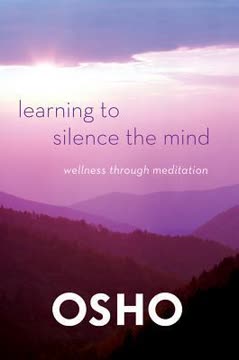
What's "Learning to Silence the Mind: Wellness Through Meditation" about?
- Exploration of Meditation: The book delves into the nature of meditation, emphasizing it as a state of clarity and awareness beyond the mind.
- Mind and Meditation: It contrasts the mind's constant chatter with the silence of meditation, suggesting that meditation is a natural state of being.
- Techniques and Practices: Osho introduces various meditation techniques, including dynamic and active meditations, to help modern individuals achieve inner silence.
- Integration of East and West: The book aims to bridge Eastern spiritual practices with Western psychological understanding, offering a holistic approach to wellness.
Why should I read "Learning to Silence the Mind: Wellness Through Meditation"?
- Understanding Meditation: It provides a deep understanding of what meditation truly is and how it differs from common misconceptions.
- Practical Techniques: The book offers practical meditation techniques suitable for modern life, helping readers manage stress and find inner peace.
- Holistic Approach: Osho combines spiritual insights with psychological understanding, making it relevant for both Eastern and Western audiences.
- Personal Growth: Reading this book can lead to personal transformation by encouraging self-awareness and a deeper connection with one's inner self.
What are the key takeaways of "Learning to Silence the Mind: Wellness Through Meditation"?
- Meditation as Natural State: Meditation is not an activity but a natural state of being that can be realized by silencing the mind.
- Role of Techniques: Techniques are tools to remove obstacles to meditation, not meditation itself.
- Mind's Chatter: The mind is a constant chatterbox, and meditation helps transcend this noise to achieve clarity.
- Integration of Body and Soul: Healing the split between body and soul is essential for achieving true wellness and meditation.
What is Osho's definition of meditation in "Learning to Silence the Mind"?
- State of Clarity: Meditation is described as a state of absolute clarity and awareness, beyond the mind's confusion.
- Not a Technique: It is not something that can be achieved through techniques; rather, it is a natural state of being.
- Silence and Awareness: Meditation involves silence and awareness, where one becomes a witness to their thoughts without interference.
- Beyond Mind: It begins where the mind ends, allowing one to experience their true nature.
How does Osho suggest overcoming the mind's chatter in "Learning to Silence the Mind"?
- Witnessing Thoughts: Osho suggests becoming a witness to your thoughts, observing them without interference or judgment.
- Dynamic Meditations: He introduces active meditation techniques that involve physical activity to release pent-up energy and quiet the mind.
- Relaxed Awareness: Emphasizes relaxed awareness, where one is alert but not actively trying to control or suppress thoughts.
- Patience and Practice: Encourages patience and consistent practice, as the mind's chatter will gradually diminish with regular meditation.
What are Osho's Active Meditations, and how do they help in "Learning to Silence the Mind"?
- Dynamic Techniques: Osho's Active Meditations involve physical activity and catharsis to release accumulated stress and energy.
- Modern Adaptation: These techniques are designed for the modern individual who may find traditional meditation methods challenging.
- Stages of Meditation: They typically include stages of intense activity followed by silence and stillness, helping to quiet the mind.
- Preparation for Silence: By engaging the body and mind actively, these meditations prepare individuals for deeper states of silence and awareness.
What is the role of awareness in meditation according to "Learning to Silence the Mind"?
- Core of Meditation: Awareness is the essence of meditation, where one becomes fully present and conscious of their thoughts and actions.
- Non-judgmental Observation: It involves observing thoughts and emotions without judgment, allowing them to pass without attachment.
- Transcending the Mind: Awareness helps transcend the mind's chatter, leading to a state of inner silence and clarity.
- Natural State: Osho emphasizes that awareness is a natural state that can be cultivated through meditation practices.
How does "Learning to Silence the Mind" address the integration of body and soul?
- Holistic Approach: Osho advocates for healing the split between body and soul, viewing them as interconnected aspects of existence.
- Material and Spiritual Unity: The book suggests that matter and spirit are two sides of the same reality, and true wellness involves their integration.
- Mind-Body Connection: Emphasizes the importance of understanding the mind-body connection to achieve a balanced and harmonious life.
- Meditation as a Bridge: Meditation is presented as a means to bridge the gap between the physical and spiritual, leading to holistic well-being.
What are the best quotes from "Learning to Silence the Mind" and what do they mean?
- "Meditation is clarity, absolute clarity of vision." This quote highlights meditation as a state of pure awareness, free from the mind's confusion.
- "Mind is a chatterbox." It emphasizes the mind's constant activity and the need to transcend it to achieve inner peace.
- "Meditation is life, not livelihood." Suggests that meditation is an intrinsic part of living, not just a practice or technique.
- "Bliss is the goal, meditation is the means." Indicates that meditation is the path to achieving true bliss and fulfillment in life.
How does "Learning to Silence the Mind" differentiate between self-awareness and self-consciousness?
- Self-Awareness: Emphasized as a state of being conscious and present, without attachment to the ego or self-image.
- Self-Consciousness: Described as a disease where the focus is on the ego, leading to anxiety and insecurity.
- Focus on Awareness: The book encourages shifting focus from the self to awareness, leading to true understanding and peace.
- Ego vs. Consciousness: Differentiates between the ego-driven self-consciousness and the liberating state of self-awareness.
What is the significance of the psychology of the Buddhas in "Learning to Silence the Mind"?
- Transcendence of Mind: The psychology of the Buddhas involves transcending the mind to achieve a state of pure awareness.
- Beyond Analysis: It goes beyond psychoanalysis and synthesis, focusing on meditation as a means to transcend mental limitations.
- Witnessing Self: Emphasizes the importance of becoming a witness to one's thoughts and emotions, leading to spiritual awakening.
- Inner Transformation: The psychology of the Buddhas is about inner transformation and realizing one's true nature beyond the mind.
How does "Learning to Silence the Mind" address the challenges of modern life in meditation?
- Dynamic Techniques: Introduces active meditation techniques to suit the fast-paced, stressful nature of modern life.
- Integration of East and West: Combines Eastern spiritual practices with Western psychological insights for a comprehensive approach.
- Addressing Repression: Acknowledges the repressive nature of modern society and offers meditation as a means to release pent-up emotions.
- Practical Application: Provides practical advice and techniques to incorporate meditation into daily life, making it accessible to everyone.
Sobre el autor
Otros libros de Osho
 Inmersivo