

Summary Temporarily Unavailable
This summary is temporarily unavailable and is currently being updated. You can still explore the FAQs and other metadata below.
Resumen de la trama
Forks: El purgatorio de un depredador
Edward Cullen, un vampiro con la habilidad de leer mentes, soporta la interminable monotonía de la escuela secundaria en Forks, Washington, junto a su familia adoptiva de vampiros. Ve su vida diaria como una especie de purgatorio, una penitencia por su naturaleza monstruosa. Los Cullen viven bajo un código estricto, alimentándose solo de sangre animal, y la mente de Edward está constantemente bombardeada por los pensamientos de quienes lo rodean — excepto los de su familia, cuyos pensamientos intenta respetar, y los humanos, cuyos pensamientos le resultan tediosos. Esta rutina se rompe con la llegada de una nueva estudiante, Bella Swan, cuya mente es un completo enigma para él. Su presencia, al principio, es solo una pequeña alteración en la superficie aburrida de su existencia, pero pronto se convierte en el centro de su mundo.
La chica que no puedo leer
La llegada de Bella Swan a la escuela secundaria de Forks despierta la curiosidad típica de un pueblo pequeño, pero para Edward ella es una anomalía. No puede escuchar sus pensamientos, y ese silencio es a la vez frustrante y fascinante. Al observarla, se siente atraído por su vulnerabilidad, su torpeza y la manera en que parece ver más allá de la superficialidad de la vida escolar. La curiosidad de Edward se convierte en obsesión mientras intenta descifrarla, tanto por la seguridad de su familia como por su propia cordura. Sin embargo, su aroma es embriagador — diferente a todo lo que ha conocido, amenaza con romper su autocontrol cuidadosamente construido.
Sangre y tentación
Sentado junto a Bella en la clase de biología, Edward se ve abrumado por el aroma de su sangre, más seductor que cualquier otro que haya conocido. El monstruo que lleva dentro, largamente reprimido, emerge con fuerza, y está a punto de matarla a ella y a todos en la sala. Solo el recuerdo de la compasión de su figura paterna, Carlisle, y su propia voluntad desesperada lo detienen. Huyendo de Forks hacia Alaska, Edward intenta escapar de la tentación, pero el rostro de Bella lo persigue. Regresa, decidido a evitarla, pero descubre que no puede mantenerse alejado. La lucha entre sus instintos depredadores y su deseo de protegerla se convierte en el conflicto central de su existencia.
El dilema del monstruo
La batalla interna de Edward se intensifica mientras oscila entre querer estar cerca de Bella y temer que la destruya. Intenta cambiar su horario para mantener distancia, pero el destino y las circunstancias los juntan una y otra vez. Su familia, especialmente Alice, que puede ver el futuro, y Jasper, que lucha con su propio autocontrol, se involucran en el dilema. La obsesión de Edward por Bella crece, y se ve obligado a enfrentar la realidad de que es tanto su mayor protector como su mayor amenaza. El monstruo que lleva dentro nunca está lejos de la superficie, y cada momento con Bella es una prueba de su voluntad.
Una familia de extraños
La relación de Edward con Bella genera tensión en la familia Cullen. Rosalie resiente el riesgo que Bella representa para su secreto, mientras que Emmett se muestra más divertido. Alice, con sus visiones, se convierte en la aliada inesperada de Bella, y la lucha de Jasper con el autocontrol se refleja en la de Edward. Carlisle, el patriarca, es compasivo y sabio, guiando a Edward en su tormento. La fachada cuidadosamente mantenida por la familia se ve amenazada a medida que Bella se enreda más en su mundo, y la posibilidad de ser descubiertos se cierne. Los Cullen deben decidir hasta dónde están dispuestos a llegar para proteger tanto su secreto como a Bella.
La atracción de Bella
La obsesión de Edward por Bella se profundiza en amor a medida que conoce más de ella: su bondad, su generosidad, su capacidad para anteponer a los demás. La observa dormir, escucha sus palabras en sueños y queda cautivado por cada uno de sus gestos. Bella, por su parte, se siente atraída por el misterio y la belleza de Edward, aunque percibe el peligro que él representa. Su conexión crece, y Edward se ve obligado a revelar su verdadera naturaleza. La aceptación de Bella, con todo y monstruo, es a la vez un alivio y una nueva fuente de miedo. Ahora él es responsable de su vida de maneras que nunca imaginó.
El juego del cazador
La frágil paz se rompe cuando una manada nómada de vampiros llega a Forks. James, un rastreador con un talento obsesivo para la caza, detecta el aroma de Bella y queda instantáneamente fijado en ella. Los Cullen se unen para proteger a Bella, ideando un plan para alejar a James de Forks. La familia se divide: Alice y Jasper llevan a Bella a Phoenix, mientras que Edward, Emmett y Carlisle intentan despistar al rastreador. El juego se vuelve mortal cuando James demuestra ser un adversario astuto e implacable, y lo que está en juego no es menos que la vida de Bella.
Elecciones y consecuencias
Desesperada por proteger a sus seres queridos, Bella se sacrifica escapando de la vigilancia de Alice y Jasper para encontrarse con James, quien la ha atraído con la amenaza de hacer daño a su madre. El enfrentamiento es brutal: James tortura a Bella, le rompe huesos y muerde su mano, inyectándole veneno. Edward y su familia llegan justo a tiempo para destruir a James, pero no antes de que Bella quede gravemente herida. Edward se enfrenta a una elección imposible: dejar que Bella se convierta en vampiro o intentar salvar su humanidad succionando el veneno de su sangre, arriesgando su propio autocontrol.
El precio de la contención
En la prueba más desgarradora de su voluntad, Edward logra detenerse antes de matar a Bella mientras extrae el veneno de su sangre. El acto es a la vez agonía y éxtasis, pues su sangre es la más dulce que ha probado. Con la guía de Carlisle y el apoyo de Alice, Edward salva la vida de Bella, pero la culpa por lo que ella ha sufrido a causa de él es abrumadora. La recuperación de Bella es lenta, y Edward está atormentado por saber que su amor siempre la pondrá en peligro. El precio de su contención es un miedo constante y doloroso por su seguridad.
La danza del peligro
Bella sana, y la vida en Forks retoma su ritmo incierto. Edward intenta darle a Bella una experiencia humana normal, llevándola al baile de graduación a pesar de sus protestas. El evento es agridulce: Bella quiere que Edward la convierta en vampiro para estar juntos para siempre, pero él se niega, decidido a preservar su humanidad. La danza simboliza la tensión entre sus mundos, un momento de belleza ensombrecido por la amenaza constante de la pérdida. Su amor es real, pero también lo son los peligros que lo acompañan.
La trampa está tendida
La unidad de los Cullen se somete a la prueba máxima mientras trabajan juntos para proteger a Bella y destruir a James. Cada miembro desempeña un papel crucial: las visiones de Alice, el control de Jasper, la fuerza de Emmett, el apoyo renuente de Rosalie y la sabiduría de Carlisle. Los lazos familiares se tensan, pero finalmente resisten, demostrando que su modo de vida elegido, aunque difícil, es posible. La trampa que preparan para James es tanto una batalla física como moral, pues deben enfrentar no solo la amenaza externa, sino también las consecuencias internas de sus decisiones.
Sangre y redención
La lucha de Edward con su naturaleza alcanza su clímax cuando se ve obligado a confrontar la realidad de lo que es capaz. El acto de salvar a Bella bebiendo su sangre es a la vez una redención y un recordatorio del monstruo que lleva dentro. Está atormentado por la culpa y el miedo, cuestionando si alguna vez podrá ser digno del amor de Bella. La experiencia lo transforma, profundizando su comprensión tanto de su propia oscuridad como de su capacidad de autocontrol. La redención, para Edward, no es un acto único, sino una lucha de toda la vida.
Al borde de la eternidad
Mientras Bella se recupera, la cuestión de su mortalidad se vuelve inevitable. Ella desea estar con Edward para siempre, pero él está decidido a mantenerla humana, creyendo que su alma y su vida son demasiado valiosas para sacrificarlas. La tensión entre sus deseos es el corazón de su relación: un amor eterno y, a la vez, increíblemente frágil. La promesa de Edward de quedarse con Bella "mientras sea lo mejor para ella" es tanto un consuelo como una advertencia. El futuro es incierto, pero su amor perdura en el presente.
El costo de la inmortalidad
Edward está atormentado por saber que, para mantener a Bella a salvo, algún día podría tener que dejarla. El precio de la inmortalidad es la pérdida de todo lo que hace la vida valiosa: el cambio, el crecimiento y, en última instancia, la muerte. Está decidido a darle a Bella todas las experiencias humanas que pueda, aunque teme el día en que tendrá que dejarla ir. La carga de la elección pesa sobre él, y la culpa de sobrevivir es una compañera constante. La inmortalidad, para Edward, no es un don, sino una maldición.
La promesa del ahora
El amor de Edward y Bella se define por la tensión entre el presente y el futuro. Cada instante juntos es precioso, pero está ensombrecido por la certeza de que no puede durar. Edward intenta concentrarse en el ahora, entregándole a Bella lo mejor de sí mientras pueda. La promesa de la eternidad es a la vez una esperanza y una mentira, y Edward es dolorosamente consciente de los límites de su propia fuerza. Su felicidad es real, pero siempre al borde de perderse.
La culpa de sobrevivir
Tras la ordeal en Phoenix, Edward se consume en culpa por el dolor y el peligro que ha traído a la vida de Bella. Reza — no a su propio Dios, sino al de Bella — por la fuerza para hacer lo correcto, aunque eso signifique dejarla. La culpa de sobrevivir, de haber condenado a Bella a una vida de miedo y heridas, es una carga de la que no puede escapar. Su amor por ella es a la vez su salvación y su castigo, y se pregunta si alguna vez podrá expiar lo que ha hecho.
El fin y el comienzo
La historia termina con Edward y Bella juntos, bailando en el baile de graduación, suspendidos entre el final de una vida y el comienzo de otra. El futuro es incierto: Edward está decidido a mantener a Bella humana, mientras ella anhela unirse a él en la inmortalidad. Su amor es una rebeldía contra el destino, una negativa a aceptar los límites impuestos por sus naturalezas. El final es también un comienzo, mientras enfrentan lo desconocido juntos, unidos por un amor que es imposible e inevitable a la vez.
Personajes
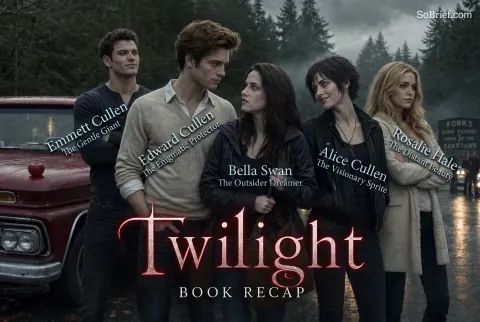
Edward Cullen
Edward es un vampiro torturado por su propia naturaleza y la carga de la inmortalidad. Dotado con la habilidad de leer mentes, está aislado incluso entre los suyos, hasta que conoce a Bella Swan, cuyos pensamientos le son inaccesibles. Su relación con Bella está marcada por la obsesión, la culpa y un deseo desesperado de protegerla de sí mismo y del mundo. La psique de Edward es un campo de batalla entre el monstruo que lleva dentro y el hombre que quiere ser. Su amor por Bella es a la vez redentor y destructivo, obligándolo a enfrentar las partes más oscuras de sí mismo. A lo largo de la historia, Edward evoluciona de un depredador lleno de autodesprecio a un hombre dispuesto a sacrificar su propia felicidad por la seguridad de Bella, aunque nunca se libera del miedo de que finalmente la destruya.
Bella Swan
Bella es una chica humana común que se convierte en el centro extraordinario del mundo de Edward. Su mente es un misterio para él, y su aroma, una tentación casi irresistible. Bella se define por su generosidad, su disposición a anteponer a los demás y su valentía silenciosa ante el peligro. Se siente atraída por el misterio y la belleza de Edward, aceptándolo plenamente incluso después de conocer la verdad sobre su naturaleza. La terquedad de Bella es tanto su fortaleza como su debilidad: se niega a ser protegida o controlada, y está dispuesta a arriesgarlo todo por amor. Su viaje es uno de voluntad y sacrificio, eligiendo abrazar los peligros del mundo de Edward en lugar de vivir sin él.
Alice Cullen
Alice es la hermana adoptiva de Edward, una vampira con la capacidad de ver el futuro. Sus visiones son cruciales para la supervivencia de la familia y la protección de Bella. Alice es alegre, peculiar y ferozmente leal, formando rápidamente un vínculo profundo con Bella. Es un puente entre los mundos humano y vampírico, y su optimismo y previsión equilibran la naturaleza sombría de Edward. Psicológicamente, Alice se define por su aceptación del destino y su disposición a actuar con decisión, incluso cuando el futuro es incierto.
Carlisle Cullen
Carlisle es el líder de la familia Cullen, un vampiro que ha elegido vivir bajo un estricto código de no violencia. Es médico, sanador y figura paterna para Edward y los demás. La compasión y sabiduría de Carlisle son la base del modo de vida familiar, y su fe en la redención y el autocontrol inspira a quienes lo rodean. Es paciente, perdonador y profundamente moral, siempre buscando lo mejor en los demás. La relación de Carlisle con Edward es central: es tanto mentor como confesor, guiándolo en sus momentos más oscuros.
Esme Cullen
Esme es el corazón de la familia Cullen, una figura materna cuyo amor y aceptación mantienen unida a la familia. Es gentil, empática y ferozmente protectora de sus hijos, tanto biológicos como adoptados. La naturaleza maternal de Esme se extiende a Bella, a quien acoge rápidamente como una más. Su fortaleza psicológica radica en su capacidad para perdonar y encontrar alegría en la familia que ha creado, a pesar de las pérdidas y dificultades de su pasado.
Rosalie Hale
Rosalie es la más hermosa de los Cullen, pero su belleza es tanto un don como una maldición. Resiente la pérdida de su humanidad y envidia las elecciones y oportunidades de Bella. El orgullo y la vanidad de Rosalie a menudo la enfrentan a Edward y Bella, y su renuencia a aceptar a Bella en la familia nace de su propio dolor y arrepentimiento. Psicológicamente, Rosalie se define por su anhelo de una vida que nunca podrá tener y su lucha por reconciliar su pasado con su presente.
Emmett Cullen
Emmett es el más fuerte de los Cullen, una presencia de gran corazón y juguetona en la familia. Es ferozmente leal a sus seres queridos y disfruta de una buena pelea, pero su fuerza se equilibra con su buen humor y optimismo. La relación de Emmett con Rosalie es apasionada y sencilla, y acepta rápidamente a Bella como parte de la familia. Psicológicamente, Emmett se define por su resiliencia y su capacidad para encontrar alegría incluso en las circunstancias más oscuras.
Jasper Hale
Jasper es un vampiro que lucha con el autocontrol, habiendo vivido una vida violenta antes de unirse a los Cullen. Tiene la habilidad de percibir e influir en las emociones, lo que lo hace sensible y vulnerable. La batalla interna de Jasper refleja la de Edward, y su viaje es uno de redención y dominio propio. Está profundamente unido a Alice, cuyo amor y visiones lo anclan. Psicológicamente, Jasper se define por su culpa y su determinación para superar su pasado.
James
James es el antagonista principal, un vampiro rastreador cuya obsesión por la caza lo convierte en una amenaza mortal para Bella. Es astuto, ingenioso y completamente carente de conciencia, viendo la persecución de Bella como el juego supremo. La psicología de James es la de un depredador puro: impulsado por el instinto y la emoción de la caza, y su falta de empatía lo hace aún más peligroso. Su presencia obliga a Edward y a los Cullen a enfrentar los límites de su moralidad y los peligros de su mundo.
Charlie Swan
Charlie es el padre de Bella, jefe de policía de Forks. Es un hombre tranquilo y reservado que lucha por conectar con su hija, pero la ama profundamente. Los instintos protectores de Charlie son fuertes, aunque a menudo se siente perdido ante la independencia de Bella y los peligros que enfrenta. Psicológicamente, Charlie se define por su sentido del deber, su lealtad y su fortaleza silenciosa. Su relación con Bella está marcada por un amor tácito y un vínculo profundo, aunque a veces torpe.
Recursos Narrativos
Perspectiva dual e ironía dramática
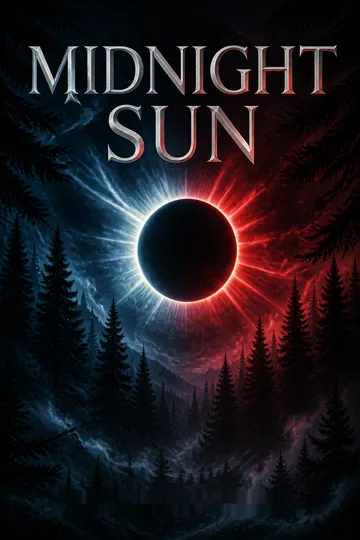
Midnight Sun es una reinterpretación de Crepúsculo desde la perspectiva de Edward, lo que permite una rica exploración de la ironía dramática. El lector conoce los eventos de la historia original, pero verlos a través de la mente de Edward añade capas de tensión, autodesprecio y profundidad psicológica. El recurso de la lectura mental crea una estructura narrativa única, ya que Edward tiene acceso a los pensamientos de todos excepto los de Bella, convirtiéndola en un misterio y una obsesión. Esta perspectiva dual eleva la tensión y permite una comprensión más profunda de las motivaciones y temores de los personajes.
Presagios y visiones del futuro
La capacidad de Alice para ver el futuro es un recurso clave, usado para anticipar peligros venideros y explorar el tema del destino versus el libre albedrío. Sus visiones son mutables, cambian con las decisiones, y funcionan tanto como advertencias como fuentes de esperanza. El constante cambio de futuros posibles crea suspense y subraya la fragilidad de la seguridad de Bella. La narrativa se estructura en torno a estas visiones, con las elecciones de los personajes moldeando y remodelando el camino por delante.
El monstruo interior
El recurso narrativo central es la batalla de Edward con su propia naturaleza: el monstruo que lleva dentro. Su autodesprecio, culpa y miedo a hacer daño a Bella impulsan la historia, haciendo que cada interacción sea un posible desastre. El uso de la introspección en primera persona permite al lector experimentar el tormento psicológico de Edward, sus racionalizaciones y sus desesperados intentos de autocontrol. Este conflicto interno se refleja en las amenazas externas que representan James y los peligros del mundo vampírico.
El humano versus el inmortal
La yuxtaposición entre las experiencias humanas ordinarias de Bella — la escuela, la familia, el baile — y los extraordinarios peligros del mundo vampírico es un recurso recurrente. La estructura narrativa alterna entre momentos de normalidad y momentos de alta tensión, enfatizando el costo de cruzar entre mundos. El uso del baile como escenario culminante simboliza la tensión entre el deseo de una vida normal y el llamado de lo sobrenatural.
Sacrificio y voluntad
Aunque es objeto de protección, Bella no es una damisela pasiva. Sus decisiones — sacrificarse por su madre, insistir en tener agencia en su relación con Edward, exigir ser convertida — son centrales para la trama. La estructura narrativa permite momentos en que la voluntad de Bella trastorna los planes de los vampiros, obligándolos a adaptarse. Este recurso refuerza el tema de que el amor no es solo protección, sino respeto por la autonomía del otro.
Análisis
Midnight Sun transforma la historia familiar de Crepúsculo al sumergir al lector en la psique torturada de Edward, ofreciendo una meditación moderna sobre el deseo, la contención y la naturaleza de la monstruosidad. A través de los ojos de Edward, la historia de amor se convierte en un thriller psicológico, donde cada momento está cargado de peligro — no solo por amenazas externas, sino por la propia naturaleza del héroe. El libro explora la ética del poder, la carga de la inmortalidad y el costo de un amor que desafía la razón y el destino. La voluntad y el desinterés de Bella desafían el autodesprecio de Edward, mientras que la moral elegida por los Cullen contrasta marcadamente con el mundo depredador que habitan. El uso narrativo de la lectura mental, los presagios y la perspectiva dual profundizan la carga emocional, haciendo que la historia no sea solo un romance prohibido, sino una lucha por elegir la humanidad sobre el instinto. Midnight Sun, en última instancia, pregunta qué significa amar desinteresadamente, luchar contra la propia oscuridad y encontrar sentido en una vida definida por elecciones imposibles.
Última actualización:
Report IssueResumen de reseñas
También leyeron




Preguntas frecuentes
Synopsis & Basic Details
What is Midnight Sun about?
- Edward's Tormented Perspective: Midnight Sun retells the events of Twilight from Edward Cullen's point of view, offering deep insight into his internal struggles, his mind-reading abilities, and his intense, often agonizing, attraction to Bella Swan. The narrative explores his century-long existence as a vampire, his family's unique "vegetarian" lifestyle, and the constant battle against his predatory instincts.
- Forbidden Love & Danger: The core of the story revolves around Edward's burgeoning love for Bella, which is complicated by his vampiric nature. Her scent is an irresistible temptation, and her mind is uniquely closed to him, fueling his obsession. Their relationship is a constant dance with danger, as Edward grapples with the fear of harming her and the external threats posed by other vampires.
- Family Dynamics & Sacrifice: The book also delves into the intricate dynamics of the Cullen family, revealing their individual personalities, powers, and their collective commitment to protecting Bella. It highlights the sacrifices they make to maintain their chosen lifestyle and the lengths to which Edward and his family go to shield Bella from the supernatural world, culminating in a desperate fight against a tracker vampire.
Why should I read Midnight Sun?
- Unprecedented Psychological Depth: Readers gain unparalleled access to Edward's complex inner world, experiencing his self-loathing, guilt, and profound love in excruciating detail. This perspective transforms familiar scenes, revealing hidden motivations and emotional nuances that were only hinted at in Twilight.
- Enhanced World-Building & Lore: The narrative expands on the vampire lore, particularly Edward's unique abilities and the intricacies of the Cullen family's history and moral code. It offers a richer understanding of their daily lives, their struggles with temptation, and their interactions with the human world, making the supernatural elements feel more tangible and perilous.
- Fresh Interpretations of Key Moments: Iconic scenes from Twilight are recontextualized through Edward's eyes, providing new layers of meaning and emotional impact. Readers will find themselves re-evaluating characters and plot points, discovering subtle details and foreshadowing that were previously overlooked, making for a deeply engaging and thought-provoking read.
What is the background of Midnight Sun?
- Retelling of a Beloved Saga: Midnight Sun is a companion novel to Stephenie Meyer's Twilight series, specifically retelling the first book. It was initially conceived much earlier but was delayed due to an unauthorized leak of early drafts, leading to a long-awaited publication in 2020.
- Focus on Edward's Internal Monologue: The book's primary background is its narrative choice to shift the point of view entirely to Edward Cullen. This allows Meyer to explore themes of self-control, predatorial instinct, and the burden of immortality from a unique, non-human perspective, contrasting sharply with Bella's human viewpoint in the original.
- Exploration of Vampire Lore & Psychology: Beyond the romance, the background delves into the deeper aspects of vampire existence, including the origins of their powers, the psychological impact of immortality, and the constant struggle to maintain a moral compass in a world driven by primal urges. It enriches the established lore with Edward's personal history and his family's collective journey.
What are the most memorable quotes in Midnight Sun?
- "Era il momento della giornata in cui, più di tutti gli altri, desideravo di poter dormire." (Chapter 1): This opening line immediately establishes Edward's profound weariness and the monotonous purgatory of his existence, setting the tone for his internal struggle and longing for an escape from his eternal vigilance. It encapsulates his deep-seated ennui before Bella's arrival.
- "Io ero un vampiro e lei aveva il sangue più dolce che avessi mai annusato in più di ottant'anni." (Chapter 1): This quote marks the pivotal moment of Bella's first appearance in biology class, vividly illustrating the overwhelming, primal temptation she represents for Edward. It highlights the central conflict between his monstrous nature and his burgeoning desire to protect her, a struggle that defines his entire narrative.
- "Così, il leone si innamorò dell'agnello... Che agnello stupido. Che leone pazzo e masochista." (Chapter 18): This exchange, a direct reference to Bella's line in Twilight, is profoundly recontextualized through Edward's internal monologue. It reveals his self-awareness of the inherent danger he poses to Bella, his self-loathing for his "masochistic" love, and his simultaneous admiration for her "stupid" courage in loving him back.
What writing style, narrative choices, and literary techniques does Stephenie Meyer use?
- First-Person Introspection: Meyer employs a deeply immersive first-person narrative from Edward's perspective, allowing readers direct access to his thoughts, emotions, and sensory experiences. This choice is crucial for exploring his internal conflict and provides a stark contrast to Bella's more externalized narration in Twilight.
- Sensory Detail & Hyper-Awareness: The writing style is characterized by an abundance of sensory details, particularly focusing on scent, sound, and touch, reflecting Edward's heightened vampiric senses. This technique vividly portrays his constant struggle with Bella's intoxicating scent and the overwhelming cacophony of human thoughts.
- Dramatic Irony & Foreshadowing: Meyer heavily utilizes dramatic irony, as readers are often aware of future events or Bella's true feelings before Edward fully comprehends them. Alice's visions serve as a direct form of foreshadowing, creating suspense and emphasizing the theme of fate versus free will, while Edward's internal monologues often reveal his misinterpretations or delayed realizations.
Hidden Details & Subtle Connections
What are some minor details that add significant meaning?
- Edward's Music Choices: Edward's internal soundtrack, particularly his preference for classical music like Debussy's "Clair de lune" (Chapter 6), subtly reflects his old-world soul and his attempts to maintain a sense of calm and beauty amidst his internal turmoil. The contrast with Bella's Linkin Park CD (Chapter 14) highlights their initial differences and the cultural gap he navigates.
- Rosalie's Jealousy of Bella's Humanity: Beyond her vanity, Rosalie's deep-seated resentment towards Bella stems from Bella's humanity and the choices she still possesses (Chapter 12). Rosalie's thought, "Lei ha la possibilità di fare tutto, Edward... Tutte quelle che io ho perduto," reveals her profound regret over her own transformation and her envy of Bella's mortal life, adding a tragic layer to her antagonism.
- Charlie's Partially Hidden Thoughts: Edward notes that Charlie's thoughts are "parzialmente nascosti, non assenti" (Chapter 3), a subtle detail that foreshadows Bella's own unique mental shield. This hints at a genetic predisposition within the Swan family to resist psychic abilities, making Bella's immunity to Edward's mind-reading less of an anomaly and more of a familial trait.
What are some subtle foreshadowing and callbacks?
- The "Lion and the Lamb" Metaphor: Edward's internal reflection, "Così, il leone si innamorò dell'agnello... Che agnello stupido... Che leone pazzo e masochista" (Chapter 18), is a direct callback to Bella's famous line in Twilight. This foreshadows the dangerous, self-sacrificing nature of their love from Edward's perspective, highlighting his awareness of the inherent imbalance and the pain he anticipates.
- Alice's Unexplained Premonitions: Alice's seemingly random purchase of a white, long-sleeved cotton shirt years before Bella's arrival (Chapter 15), which Edward later wears to reveal his sparkling skin, subtly foreshadows the inevitability of their meeting and the specific circumstances of his revelation. It suggests a deeper, unconscious foresight in Alice's gift, even beyond her conscious understanding.
- Bella's "Too Green" Dream: Bella's sleep-talking about Forks being "troppo verde" (Chapter 7) is a subtle callback to her initial discomfort with the perpetually overcast and lush environment. From Edward's perspective, this detail gains significance as he later realizes her preference for the "minimalism" and "openness" of Phoenix, hinting at her deeper desire for clarity and honesty, which he struggles to provide.
Who are the most significant supporting characters?
- Alice Cullen: The Strategic Visionary: Alice's role extends beyond mere foresight; she actively manipulates events and people (including her own family) to steer outcomes towards what she perceives as the "best" future for Edward and Bella. Her meticulous planning, from orchestrating Edward's first meeting with Bella's mother to devising the elaborate escape from James, showcases her as a master strategist, not just a passive seer. Her visions are a constant, dynamic force shaping the plot.
- Carlisle Cullen: The Moral Architect: Carlisle is not just a compassionate patriarch but the philosophical and ethical architect of the Cullen family's existence. His centuries of self-control and dedication to healing provide Edward with a crucial moral compass. His willingness to compromise and his unwavering belief in Edward's goodness are pivotal, especially during Edward's darkest moments of temptation and guilt. Carlisle's quiet strength and unwavering principles are the bedrock upon which Edward builds his own restraint.
- Emmett Cullen: The Unconventional Confidant: Emmett, often perceived as the boisterous and simple-minded brother, serves as an unexpected source of blunt honesty and emotional grounding for Edward. His straightforward, often humorous, reactions to Edward's turmoil (e.g., "O la uccide, oppure no. Tanto vale togliersi il pensiero" - Chapter 2) cut through Edward's self-pity and intellectualizations. He offers a raw, unfiltered perspective that, while sometimes insensitive, helps Edward confront the brutal realities of his situation.
Psychological, Emotional, & Relational Analysis
What are some unspoken motivations of the characters?
- Edward's Desire for Redemption: Beyond protecting Bella, Edward is deeply motivated by a subconscious desire for redemption for his past as a "monster" and his brief period as a vigilante. His intense self-loathing drives his extreme self-control and his desperate need to prove himself worthy of Bella's innocence, even if it means sacrificing his own happiness. This unspoken motivation fuels his internal torment.
- Bella's Need to Be Needed: Bella's selflessness and her tendency to put others first are not just virtues; they stem from an unspoken need to be indispensable. Her childhood experiences with her "wild" and "irresponsible" mother (Chapter 14) instilled in her a caretaker role, making her feel valued when she is needed. This subtly motivates her attraction to Edward, who, despite his power, is profoundly vulnerable to her.
- Rosalie's Longing for Humanity: Rosalie's overt jealousy of Bella isn't solely about Edward's attraction; it's rooted in her profound, unspoken longing for the human life she lost. Her resentment of Bella's choices and opportunities (Chapter 19) is a projection of her own unfulfilled desires for a normal life, a family, and the ability to age and experience mortality. This deep-seated regret fuels her antagonism towards Bella.
What psychological complexities do the characters exhibit?
- Edward's Masochistic Self-Punishment: Edward exhibits a complex form of masochism, deriving a strange, almost perverse, satisfaction from the pain of resisting Bella's blood. He actively seeks out this torment, believing it to be a penance for his monstrous nature and a test of his self-control. This psychological complexity highlights his deep self-loathing and his desperate attempt to atone for his existence.
- Bella's Inverted Survival Instincts: Bella displays a paradoxical psychological makeup where her survival instincts are inverted. Instead of fearing danger, she is drawn to it, particularly in Edward. Her lack of fear in the face of his vampiric nature (Chapter 6) and her willingness to sacrifice herself for others (Chapter 23) suggest a profound psychological resilience, but also a dangerous naiveté or a subconscious death wish that Edward struggles to comprehend.
- Jasper's Empathic Burden: Jasper's ability to manipulate emotions is a double-edged sword, making him acutely aware of the emotional turmoil around him, especially Edward's. This empathy, combined with his violent past, creates a constant psychological burden, as he struggles to maintain his own control while being bombarded by the feelings of others. His quiet suffering and disciplined restraint are a testament to his complex internal battle.
What are the major emotional turning points?
- The Biology Class Revelation: The moment Edward first smells Bella's blood in biology class (Chapter 1) is a cataclysmic emotional turning point. It shatters his century of carefully constructed self-control, plunging him into a primal frenzy and forcing him to confront the full, terrifying extent of his predatory nature. This event irrevocably changes his perception of himself and his future.
- Bella's Dream of "Stay": Bella's whispered plea in her sleep, "Resta... Non andare. Per favore... non andare" (Chapter 5), is a profound emotional turning point for Edward. It transforms his detached, analytical obsession into a deep, reciprocal love. This moment makes him realize that his feelings are not unrequited and that his presence brings her comfort, shifting his motivation from mere protection to a desire for shared happiness.
- The Confrontation with James: The brutal encounter with James in Phoenix (Chapter 26), culminating in Edward sucking the venom from Bella's hand, is a harrowing emotional climax. It forces Edward to face his deepest fear—harming Bella—and pushes his self-control to its absolute limit. This act of desperate love, performed amidst agonizing temptation, solidifies his commitment to her and redefines his understanding of his own strength and capacity for sacrifice.
How do relationship dynamics evolve?
- Edward and Bella: From Obsession to Interdependence: Their relationship evolves from Edward's initial, almost predatory, obsession and curiosity about Bella's silent mind to a profound interdependence. Edward's love becomes his primary motivation, driving him to protect her at all costs, while Bella's unwavering trust and acceptance of his true nature make her his anchor. They move from a dynamic of hunter and prey to one of mutual reliance and deep emotional connection, where each finds strength and purpose in the other.
- Edward and Carlisle: From Mentorship to Shared Burden: The dynamic between Edward and Carlisle deepens from a mentor-mentee relationship to one of shared burden and mutual respect. Carlisle's unwavering compassion and wisdom provide Edward with guidance, but Edward's unique struggle with Bella forces Carlisle to confront new ethical dilemmas. Their bond is strengthened by their shared commitment to Bella's safety and humanity, with Carlisle offering not just advice but active support in Edward's impossible choices.
- Edward and Rosalie: From Antagonism to Reluctant Understanding: Rosalie's initial resentment and jealousy towards Bella evolve into a reluctant, albeit still strained, understanding. Her deep-seated pain over her lost humanity fuels her opposition, but Edward's desperate plea for her tolerance (Chapter 19) and his promise to protect Bella's human life eventually soften her stance. While never fully accepting Bella, Rosalie's actions are ultimately driven by her loyalty to her family and a grudging respect for Edward's love.
Interpretation & Debate
Which parts of the story remain ambiguous or open-ended?
- The Nature of Bella's Mental Shield: While Edward theorizes that Bella's mind "trasmettesse in AM e io ricevessi solo in FM" (Chapter 10), the exact nature and origin of her mental shield remain ambiguous. It's unclear whether it's a unique human anomaly, a latent psychic ability, or a genetic trait, leaving room for debate about its full potential and implications for her future.
- The Long-Term Viability of Edward's Restraint: Despite Edward's declaration of control after the "knot" (Chapter 17), the story leaves open the question of whether his restraint is truly sustainable indefinitely. His constant struggle with thirst and the inherent danger he poses to Bella suggest that their chosen path is a precarious one, with the possibility of future "slips" or the eventual necessity of Bella's transformation still looming.
- The True Meaning of Alice's "Third Road" Vision: Alice's vision of Bella as an aging human woman, years into the future, living a normal life with Edward by her side (Chapter 15), is presented as a "remote possibility." The ambiguity lies in whether this vision is a genuine alternative future or merely a fleeting hope, dependent on an improbable level of self-control from both Edward and Bella, leaving its ultimate realization open to interpretation.
What are some debatable, controversial scenes or moments in Midnight Sun?
- Edward's Nightly Vigil in Bella's Room: Edward's habit of watching Bella sleep in her room, uninvited and unbeknownst to her (Chapter 5), is a highly debatable moment. While presented as a protective act driven by love and anxiety, it can be interpreted as a violation of privacy and a form of stalking, raising questions about consent and the boundaries of his affection. This scene sparks debate about the romanticization of potentially problematic behaviors.
- Edward's Manipulation of Human Emotions: Edward's casual use of his mind-reading ability to manipulate human emotions and perceptions, such as charming the school secretary (Chapter 1) or subtly influencing Ben Cheney to ask Angela out (Chapter 12), is controversial. While often done for seemingly benign reasons or to protect his family's secret, it raises ethical questions about free will and the morality of using supernatural powers to control others.
- The Cullen Family's "Vegetarian" Code: The Cullens' "vegetarian" diet of animal blood, while presented as a moral choice, is debatable in its effectiveness and its implications. Edward's constant struggle with Bella's scent and his near-loss of control (Chapter 1) highlight the fragility of this code. It prompts discussion about whether their chosen lifestyle is truly sustainable or merely a temporary suppression of their inherent predatory nature, and if it truly absolves them of their "monster" status.
Midnight Sun Ending Explained: How It Ends & What It Means
- A Precarious Present, an Uncertain Future: The ending of Midnight Sun finds Edward and Bella dancing at the prom, a moment of fragile happiness. Bella is recovering from her injuries, and Edward has successfully navigated the immediate threat of James. However, the ending is not a definitive resolution but a suspension in time. Edward is committed to keeping Bella human, while she expresses a desire for immortality to be with him forever. This tension between their desires and the inherent dangers of their worlds remains unresolved.
- Edward's Enduring Sacrifice: The ending underscores Edward's profound sacrifice and his commitment to Bella's humanity. He has faced his darkest self and emerged with a renewed, albeit painful, determination to protect her life, even if it means eventually losing her to mortality. His promise to stay with her "for as long as it's best for her" signifies his selfless love, but also his awareness of the inevitable separation that awaits them.
- The "Third Road" and Hope for the Impossible: Alice's vision of Bella as an aging human woman, still with Edward, offers a glimmer of hope for a future where their love can exist without Bella sacrificing her humanity. This "third road" is a testament to the power of their choices and their love to defy fate. The ending suggests that while their path is fraught with challenges, their bond is strong enough to navigate the impossible, leaving readers with a sense of enduring love and the tantalizing possibility of an unconventional happy ending.
La saga Crepúsculo Serie
Sobre el autor
Otros libros de Stephenie Meyer
Descargar PDF
Descargar EPUB
.epub digital book format is ideal for reading ebooks on phones, tablets, and e-readers.








































