
Summary Temporarily Unavailable
This summary is temporarily unavailable and is currently being updated. You can still explore the FAQs and other metadata below.
Resumen de la trama
El Cabello de Cobre Descubierto
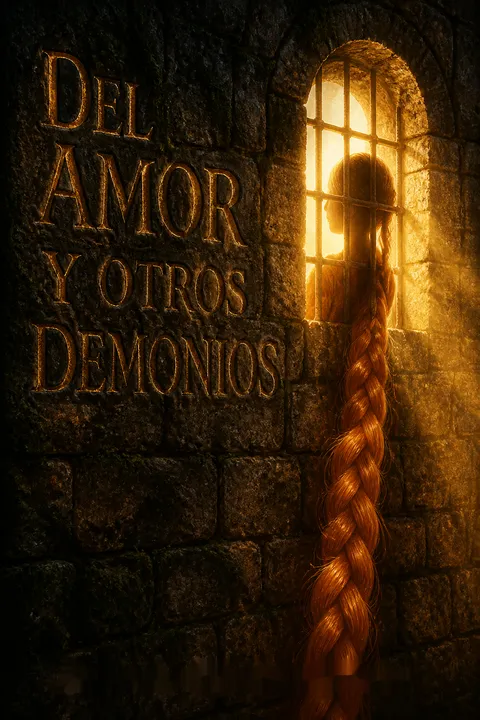
En 1949, un periodista presencia la apertura de las criptas en el antiguo Convento de Santa Clara, donde se encuentra el cráneo de una niña con una trenza de cobre de veintidós metros de largo. La leyenda de Sierva María, una marquesa de doce años con un cabello milagroso, resurge. Su historia, envuelta en mito y milagro, se convierte en la semilla de la narrativa, mezclando lo sobrenatural con lo histórico, y preparando el escenario para un relato de amor, fe y tragedia en la Colombia colonial.
La Mordedura Fatal del Perro
Sierva María, hija del Marqués de Casalduero, es mordida por un perro rabioso en un mercado concurrido. La herida es leve y pasa desapercibida, pero el suceso desencadena una cadena de miedo y superstición. La ciudad, ya atormentada por relatos de rabia y plagas africanas, se convierte en un crisol de ansiedades sobre la enfermedad, la raza y lo desconocido. El destino de Sierva María no queda sellado por la mordedura en sí, sino por la reacción del mundo ante ella.
Una Familia de Extraños
Los padres de Sierva María, el Marqués y Bernarda, están emocionalmente distantes y consumidos por sus propios vicios y arrepentimientos. El Marqués está atormentado por la pérdida y el miedo, mientras que Bernarda se pierde en la adicción y pasiones pasadas. Sierva María, criada entre esclavos y sirvientes, es más una extraña que una hija en su propio hogar, su identidad moldeada por los márgenes de la sociedad y no por su centro.
El Mundo de la Niña Esclava
Sierva María crece inmersa en lenguas, rituales y creencias africanas, cuidada por Dominga de Adviento y las mujeres esclavas. Su mundo es uno de fe sincrética, música y libertad dentro de los límites de la servidumbre. Está marcada por su cabello de cobre, su silencio y su capacidad para moverse entre culturas, pero sigue siendo una forastera en todas partes: demasiado blanca para los esclavos, demasiado africana para su familia.
¿Rabia o Demonios?
A medida que se esparcen los rumores de rabia, la herida leve de Sierva María se convierte en fuente de terror. El Marqués, desesperado y lleno de culpa, consulta a médicos y curanderos, pero el miedo de la ciudad se transforma en susurros de posesión demoníaca. El Obispo, ansioso por afirmar su autoridad espiritual, insiste en que los síntomas de Sierva María son obra del diablo, no de la enfermedad, y ordena su confinamiento en el Convento de Santa Clara para un exorcismo.
El Despertar del Marqués
El Marqués, al darse cuenta de su abandono, intenta recuperar a su hija y llenar su vida de felicidad, tal como prescribe el racional doctor Abrenuncio. Intenta salvar la brecha entre ellos, pero sus esfuerzos llegan tarde y son torpes. La disfunción familiar, la histeria de la ciudad y el poder de la iglesia convergen para aislar aún más a Sierva María, encaminándola hacia la tragedia.
La Prisión del Convento
Sierva María es entregada al convento, donde es tratada como una curiosidad y una amenaza. La Abadesa, Josefa Miranda, es rígida y resentida, viendo a la niña como una pieza en su disputa con el Obispo. Las costumbres y lenguas africanas de Sierva María son confundidas con signos de posesión. Es encerrada en una celda, sometida a sospechas y se convierte en el centro de una tormenta de miedo, fascinación y crueldad.
La Guerra de la Abadesa
El convento es un campo de batalla de poder, tradición y superstición. La animosidad de la Abadesa hacia el Obispo y su desprecio por la aristocracia nacida en América alimentan su trato severo hacia Sierva María. La curiosidad y el miedo de las monjas convierten la celda de la niña en un espectáculo, mientras que el acta—los registros oficiales—documentan cada supuesto milagro o ultraje, reforzando la creencia en su posesión.
El Sueño de Delaura
El padre Cayetano Delaura, protegido del Obispo, sueña con una niña de cabello interminable comiendo uvas en una ventana—una visión que lo atrae hacia Sierva María. Encargado de su exorcismo, Delaura se siente fascinado e inquieto. Su mente erudita y sus dudas espirituales lo separan del fanatismo que lo rodea, y su primer encuentro con Sierva María marca el inicio de una conexión profunda y prohibida.
El Exorcista Conoce a la Niña
Las primeras visitas de Delaura a Sierva María están marcadas por escepticismo y compasión. Atiende sus heridas, escucha sus silencios y comienza a verla no como un recipiente del mal, sino como una niña sufriente y malentendida. Sus interacciones, cargadas de tensión y ternura, despiertan en ambos sentimientos que desafían los límites de la fe, el deber y el deseo.
Crecen los Afectos Prohibidos
A medida que Delaura y Sierva María pasan más tiempo juntos, su relación se profundiza en un amor secreto y apasionado. Comparten poesía, relatos y sueños, encontrando consuelo el uno en el otro en medio de la crueldad del convento. Su amor, tanto espiritual como físico, se convierte en un acto de rebeldía contra las fuerzas que buscan destruirlos.
La Visita del Virrey
La llegada del Virrey y la Virreina trae un breve momento de esperanza y espectáculo al convento. Sierva María es exhibida como una curiosidad, su belleza y extrañeza cautivan a los visitantes. La Virreina se conmueve y trata de intervenir, pero la maquinaria de la iglesia y el estado sigue su curso, indiferente al sufrimiento individual.
Amor en las Sombras
Delaura, castigado y despojado de sus privilegios, arriesga todo para visitar a Sierva María en secreto. Sus encuentros clandestinos están llenos de anhelo, poesía y la desesperada esperanza de escapar. Sueñan con una vida juntos más allá de los muros, pero el mundo exterior es tan hostil como el interior.
Las Noches Secretas de los Amantes
La relación de los amantes se intensifica, balanceándose en el filo entre la inocencia y la transgresión. Comparten sus miedos, sus cuerpos y su fe, creando un mundo privado de ternura en medio de la violencia del exorcismo y el confinamiento. Su amor es a la vez un refugio y una maldición, atrayendo la atención y la ira de quienes detentan el poder.
La Crueldad del Exorcismo
La respuesta de la iglesia a la supuesta posesión de Sierva María se vuelve cada vez más brutal. Le cortan el cabello, le atan el cuerpo y la someten a exorcismos públicos que rozan la tortura. El Obispo, antes compasivo, se convierte en un instrumento de crueldad institucional. Delaura se debate entre su amor y sus votos, impotente para salvarla de la maquinaria de la fe.
Pérdida, Locura y Escape
A medida que los exorcismos se intensifican, el espíritu de Sierva María se quiebra. Los aliados desaparecen—Padre Aquino muere misteriosamente, Martina Laborde escapa, y el Marqués sucumbe a la soledad y el arrepentimiento. Los intentos de Delaura por salvar a Sierva María son frustrados por los muros del convento y la indiferencia del mundo. Los amantes son separados por la fuerza, el rumor y el destino.
La Separación Final de los Amantes
Delaura es condenado a servir a los leprosos, exiliado del mundo y de Sierva María. El convento, ahora una prisión en serio, aísla completamente a la niña. Su amor, antes fuente de esperanza, se convierte en un recuerdo que los atormenta a ambos. Sierva María, abandonada y rota, pierde la voluntad de vivir.
Muerte por Amor
Sierva María muere sola en su celda, su cuerpo devastado por el abandono y el exorcismo, su espíritu sostenido solo por el recuerdo del amor. En la muerte, su cabello comienza a crecer de nuevo, un último milagro que hace eco de la leyenda. La historia termina como comenzó—con una niña, un milagro y un mundo incapaz de comprender la verdadera naturaleza del amor y otros demonios.
Personajes
Sierva María de Todos los Ángeles
Sierva María es la hija de doce años del Marqués y Bernarda, distinguida por su extraordinario cabello de cobre y su crianza entre esclavos africanos. Es una figura liminal—blanca de nacimiento, africana por cultura, y alienada de ambos mundos. Su silencio, resiliencia y capacidad de amar la distinguen, pero también la convierten en blanco de miedo y superstición. Psicológicamente, es una niña forzada a la adultez por el abandono y la violencia, buscando conexión en un mundo que le niega agencia. Su relación con Delaura es a la vez una rebelión y un refugio, y su trágico final es testimonio del poder destructivo de la ignorancia y el fanatismo.
Padre Cayetano Delaura
Delaura es un sacerdote culto y sensible elegido para exorcizar a Sierva María. Atormentado por sueños y dudas, es a la vez hombre de fe y escéptico, atraído por el conocimiento prohibido y el amor prohibido. Su complejidad psicoanalítica radica en su lucha entre el deber y el deseo, la razón y la pasión. Su amor por Sierva María lo transforma, llevándolo a desafiar a la iglesia y arriesgarlo todo por ella. Finalmente, es castigado por su humanidad, condenado a una vida de penitencia y anhelo.
El Marqués de Casalduero (Don Ygnacio)
El Marqués es una figura trágica, moldeada por la pérdida, la culpa y la indecisión. Su incapacidad para amar o proteger a su hija hasta que es demasiado tarde es tanto una falla personal como un reflejo de una aristocracia en decadencia. Está perseguido por los fantasmas de su pasado y el colapso de su familia, buscando redención a través de actos tardíos de cuidado que solo profundizan su dolor.
Bernarda Cabrera
Bernarda es la madre de Sierva María, una mujer destruida por la adicción, el amor fallido y la amargura. Su relación con su hija está marcada por el abandono y el resentimiento, y su propia vida es una espiral de autodestrucción. Es a la vez víctima y perpetradora, sus heridas psicológicas se manifiestan en crueldad e indiferencia.
Josefa Miranda (La Abadesa)
La Abadesa es la cabeza del Convento de Santa Clara, una mujer definida por su rigidez, prejuicio y una enemistad de larga data con el Obispo. Encarnación de los peligros del poder institucional sin compasión, su trato hacia Sierva María está impulsado tanto por la animosidad personal como por la convicción religiosa.
Abrenuncio de Sa Pereira Cao
Abrenuncio es el médico controvertido de la ciudad, judío y escéptico, que representa la ciencia y la razón en medio de la histeria de la época. Es compasivo y sabio, pero impotente ante la marea de superstición y violencia institucional. Su amistad con Delaura y el Marqués ofrece un contrapunto a la locura predominante.
Padre Tomás de Aquino de Narváez
El Padre Aquino es un sacerdote con profundo conocimiento de lenguas y costumbres africanas, elegido para reemplazar al Obispo como exorcista. Es empático y de mente abierta, capaz de comunicarse con Sierva María en sus propios términos. Su muerte misteriosa subraya los peligros que enfrentan quienes desafían la ortodoxia.
Martina Laborde
Martina es una exmonja encarcelada por asesinato, que se hace amiga de Sierva María en el convento. Es a la vez mentora y cómplice, encarnando el anhelo de escape y la solidaridad de los marginados. Su escape exitosa es un acto raro de agencia en un mundo de confinamiento.
Dulce Olivia
Dulce Olivia es el primer amor del Marqués, una mujer loca cuya presencia persigue a la familia. Representa la persistencia del deseo y la tragedia del potencial no realizado, su locura es un espejo de la irracionalidad del mundo.
Obispo Don Toribio de Cáceres y Virtudes
El Obispo es un prelado culto y envejecido cuya autoridad se ve socavada por la enfermedad y la duda. Es a la vez compasivo y cómplice, sus decisiones están moldeadas por presiones institucionales y debilidad personal. Su papel en el destino de Sierva María es tanto paternal como punitivo, reflejando las ambigüedades del poder religioso.
Recursos Narrativos
Realismo Mágico y Leyenda
La base de la novela es la leyenda de la niña con cabello milagroso, y García Márquez entreteje el realismo mágico a lo largo de la obra—cabello que crece después de la muerte, sueños que presagian el destino y milagros confundidos con maldiciones. Este recurso permite a la narrativa explorar los límites porosos entre la fe, la superstición y lo inexplicable, haciendo que el mundo ordinario brille con posibilidad y temor.
Dualidades y Contrastes
La historia se estructura en torno a dualidades: fe y razón, amor y deber, libertad y confinamiento, África y Europa, inocencia y corrupción. Estos contrastes se encarnan en los personajes y sus relaciones, y la tensión entre ellos impulsa la trama hacia su trágico desenlace.
Presagios y Sueños
El sueño recurrente de Delaura de Sierva María en la ventana comiendo uvas es un motivo central, que presagia su destino y la inevitabilidad de la pérdida. El uso de sueños y presagios intensifica el sentido de fatalismo y el poder del inconsciente en la formación del destino.
Poder Institucional y Ritual
La narrativa está salpicada de rituales—exorcismos, confesiones, ceremonias públicas—que sirven tanto para controlar como para destruir. El acta, o registros oficiales, funcionan como recurso narrativo para documentar y legitimar la crueldad, mientras que la maquinaria del convento y la iglesia aplasta la voluntad individual.
Estructura Narrativa
La novela está enmarcada por el descubrimiento de los restos de Sierva María, vinculando pasado y presente, leyenda e historia. La narrativa se mueve fluidamente entre perspectivas, tiempos y voces, creando un tapiz de memoria, mito y testimonio que resiste el cierre y la certeza.
Análisis
Del amor y otros demonios es una meditación inquietante sobre el choque entre amor, fe y poder en un mundo gobernado por la superstición y el miedo. García Márquez utiliza las herramientas del realismo mágico para exponer los horrores reales de la sociedad colonial: racismo, misoginia y la violencia de instituciones que dicen salvar almas mientras destruyen cuerpos. La historia de amor central de la novela es a la vez una rebelión contra y una víctima de estas fuerzas, su belleza inseparable de su tragedia. La pasión condenada de Sierva María y Delaura es un testimonio del anhelo humano de conexión en un mundo que castiga la diferencia y el deseo. El libro advierte sobre los peligros del dogma, la ceguera de la autoridad y el costo de no ver la humanidad en quienes tememos o no comprendemos. En última instancia, es una historia sobre otros demonios—la ignorancia, el prejuicio y la incapacidad de amar—que aún nos acechan.
Última actualización:
Report IssueResumen de reseñas
También leyeron



Preguntas frecuentes
Synopsis & Basic Details
What is Of Love and Other Demons about?
- A Doomed Colonial Romance: The novel centers on Sierva María de Todos los Ángeles, a twelve-year-old marquise bitten by a rabid dog in colonial Cartagena. Her wealthy, neglectful parents, fearing rabies and public scandal, confine her to a convent for exorcism, where she falls into a forbidden love with her exorcist, Father Cayetano Delaura.
- Clash of Faiths & Cultures: It explores the brutal collision between European Catholicism and African Yoruban beliefs, as Sierva María, raised by slaves, embodies a syncretic spirituality that is tragically misinterpreted as demonic possession by the rigid Church.
- Tragedy of Institutional Power: The narrative critiques the destructive power of dogma, superstition, and institutional authority, which ultimately condemn an innocent girl and her lover, highlighting the human cost of fear and ignorance.
Why should I read Of Love and Other Demons?
- Masterful Magical Realism: Experience Gabriel García Márquez's signature blend of the fantastical and the mundane, where a girl's impossibly long hair and prophetic dreams intertwine with historical realities, creating a rich, immersive world.
- Profound Thematic Depth: Delve into complex themes of love, freedom, faith, madness, and the corrupting influence of power, all explored through deeply flawed yet compelling characters.
- Haunting Emotional Resonance: The novel offers a poignant and tragic love story, set against a backdrop of societal decay and spiritual oppression, leaving a lasting impression on the reader about the enduring human spirit and the cost of intolerance.
What is the background of Of Love and Other Demons?
- Colonial Cartagena Setting: The story is set in 18th-century Cartagena de Indias, a vibrant but decaying port city in colonial Colombia, reflecting the historical context of the Spanish Inquisition's influence, the transatlantic slave trade, and the mixing of European, African, and indigenous cultures.
- Author's Personal Inspiration: The novel's genesis lies in a real-life journalistic assignment Gabriel García Márquez undertook in 1949, where he witnessed the unearthing of a crypt containing a girl's skull with extraordinary hair, sparking the legend that forms the book's core.
- Critique of Religious Dogma: It implicitly critiques the rigid, often cruel, practices of the Catholic Church during the colonial era, particularly the Inquisition's methods and its conflation of disease or cultural difference with demonic possession, reflecting a broader historical commentary on religious intolerance.
What are the most memorable quotes in Of Love and Other Demons?
- "No medicine cures what happiness cannot.": Spoken by Abrenuncio, this quote encapsulates the physician's humanist philosophy, contrasting sharply with the Church's dogmatic approach and highlighting the novel's central theme of love and joy as ultimate healers.
- "Disbelief is more resistant than faith because it is sustained by the senses.": The Marquis's profound realization after losing his faith, this line delves into the psychological struggle between empirical reality and spiritual conviction, a core conflict for many characters, especially Delaura.
- "For you was I born, for you do I have life, for you will I die, for you am I now dying.": Delaura's ardent recitation of Garcilaso de la Vega's sonnet to Sierva María, this quote becomes a powerful motif of their forbidden love, symbolizing its all-consuming nature and tragic inevitability.
What writing style, narrative choices, and literary techniques does Gabriel García Márquez use?
- Lyrical and Sensory Prose: García Márquez employs rich, evocative language that appeals to all senses, immersing the reader in the humid, decaying atmosphere of Cartagena, from "the oppressive damp of neglect and gloom" to the "acrid odor of burned horn," enhancing the novel's vivid imagery.
- Non-Linear Narrative & Framing Device: The story begins with a contemporary journalistic discovery (1949) that frames the historical narrative (18th century), blurring the lines between past and present, legend and reality, and inviting readers to question the nature of truth and memory.
- Symbolism and Motif Repetition: The novel is replete with recurring symbols like Sierva María's copper hair (representing wildness, life, and the supernatural), the dog (fate, disease, the animalistic), and the orange trees (a fleeting Eden, a place of both love and decay), which deepen the thematic resonance and invite layered interpretation.
Hidden Details & Subtle Connections
What are some minor details that add significant meaning?
- Sierva María's Cowbell: Initially hung by Bernarda to track her stealthy daughter, the cowbell symbolizes the mother's fear and desire for control over Sierva María's "otherness." Its eventual silence, as Sierva María learns to move without it ringing, highlights her innate connection to the unseen world and her resistance to confinement.
- The Marquis's Empty Crypt: The discovery of the Marquis's unused, empty crypt in the opening scene subtly foreshadows his unlived, emotionally barren life, a man who prepared for death but never truly lived, and whose legacy is one of neglect and unfulfilled potential.
- Abrenuncio's Hundred-Year-Old Horse: The physician's claim that his horse lived to be a hundred, dismissed by the Marquis, is a subtle nod to Abrenuncio's own unconventional wisdom and his ability to defy perceived natural limits, reinforcing his role as a figure of alternative knowledge and a counterpoint to rigid beliefs.
What are some subtle foreshadowing and callbacks?
- The Bishop's Past Loss of Faith: The Bishop's confession that he lost his faith at age twenty in Morocco, only to regain it through prayer, subtly foreshadows Delaura's own spiritual crisis and his struggle between doubt and devotion when confronted with Sierva María's case.
- Martina Laborde's Escape: Martina's successful, meticulously planned escape from the convent, using a secret tunnel, serves as a callback to the historical siege of the convent and the nuns' own past defiance, hinting at the possibility of freedom for Sierva María, though ultimately unfulfilled.
- The "Pool of Sighs": This specific location at the Mahates sugar plantation, where Bernarda bathed and later where the Marquis found her in her final degradation, acts as a callback to moments of both illicit pleasure and profound despair, symbolizing the cyclical nature of human vice and longing.
What are some unexpected character connections?
- Dulce Olivia and the Marquis's Unlived Life: Dulce Olivia, the Marquis's first love and a "madwoman," represents the path not taken, a life of genuine connection and unconventional love that he abandoned. Her sporadic appearances and the Marquis's final, desperate attempt to seek refuge with her underscore his lifelong regret and the enduring power of lost possibilities.
- Martina Laborde as Sierva María's Confidante: The murderer Martina, confined in the same prison pavilion, becomes Sierva María's unexpected ally and mentor, teaching her embroidery and offering a form of solidarity. This connection highlights how marginalized individuals find solace and understanding in each other, defying the moral judgments of the outside world.
- Abrenuncio and Delaura's Intellectual Kinship: Despite their differing professions and religious affiliations, the rational physician Abrenuncio and the scholarly priest Delaura share a deep intellectual respect and a common ground in their pursuit of truth, forming an unlikely alliance against the prevailing superstition and institutional cruelty.
Psychological, Emotional, & Relational Analysis
What are some unspoken motivations of the characters?
- Marquis's Redemption Arc: The Marquis's sudden, intense "love" for Sierva María is less about genuine paternal affection and more about a desperate attempt at personal redemption. He seeks to atone for a lifetime of neglect and emotional paralysis, projecting his unfulfilled desires and fears onto his daughter, as seen when he thinks, "he was helping her to die."
- Bernarda's Self-Destruction: Bernarda's descent into addiction and debauchery is driven by a profound sense of disillusionment and self-loathing, stemming from her transactional marriage and the loss of her true passion, Judas Iscariote. Her hatred for Sierva María is a projection of her own internal chaos and resentment for a life she feels was stolen.
- Delaura's Intellectual Curiosity and Spiritual Doubt: Beyond his priestly duties, Delaura is motivated by a deep intellectual curiosity and a subtle, unacknowledged spiritual doubt. His fascination with Sierva María's "possession" is initially a scholarly challenge, a desire to understand the unknown, which gradually transforms into a forbidden emotional and spiritual awakening.
What psychological complexities do the characters exhibit?
- The Marquis's Effeminate Paralysis: Don Ygnacio is characterized by a profound effeminacy and a crippling fear of life, stemming from his tyrannical father's suppression of his true nature and his unfulfilled love for Dulce Olivia. His "languid behavior" and "mystic vocation" are psychological retreats from a world he cannot confront, making him a passive observer of his own decay.
- Sierva María's Adaptive Silence and Lies: Sierva María's long periods of silence and her "habit of lying for pleasure" are complex coping mechanisms developed in response to profound neglect and misunderstanding. These behaviors are not signs of malice but rather a form of self-preservation and agency, allowing her to control her inner world when her external reality is chaotic and hostile.
- Delaura's Asceticism and Forbidden Desire: Father Delaura embodies a complex tension between his rigorous asceticism and a burgeoning, forbidden desire. His intellectual prowess and devotion to the Holy Spirit are challenged by his visceral attraction to Sierva María, leading to internal flagellation and a "moral cataclysm" that reveals the fragility of his self-imposed purity.
What are the major emotional turning points?
- The Marquis's "Love" for Sierva María: A pivotal emotional shift occurs when the Marquis, after witnessing the rabid man's agony, realizes his fear of rabies for Sierva María is intertwined with a newfound, albeit distorted, love. He declares, "He felt the new joy of knowing he loved her as he had never loved in this world," marking his belated attempt at paternal connection.
- Delaura's Confession of Love: The moment Delaura confesses "Because I love you very much" to Sierva María, after she asks why he heals her despite being her exorcist, marks a profound emotional turning point, transforming their relationship from one of duty to one of forbidden passion and mutual vulnerability.
- Sierva María's Surrender to Death: Her final dream, where she pulls grapes "two by two" from the cluster, signifies her loss of will to live and her acceptance of death. This emotional turning point is a direct consequence of Delaura's forced separation, highlighting the devastating impact of their severed connection.
How do relationship dynamics evolve?
- Marquis and Bernarda: From Transaction to Despair: Their marriage, initially a transactional arrangement based on Bernarda's ambition and the Marquis's passivity, devolves into mutual contempt and parallel paths of self-destruction. Their final encounter at Mahates, where Bernarda reveals her calculated deception, marks the complete dissolution of any pretense of a relationship, leaving only shared misery.
- Delaura and the Bishop: Mentor to Ideological Opponents: The relationship between Delaura and the Bishop evolves from a deep mentor-protégé bond, rooted in shared intellectual pursuits and mutual respect, to an ideological clash over Sierva María's fate. The Bishop's ultimate decision to exile Delaura signifies the triumph of institutional dogma over individual compassion and reason.
- Sierva María and Martina Laborde: Prisoner Solidarity to Shared Dreams: Their bond, forged in the confines of the convent's prison, transforms from a simple alliance into a deep friendship. Martina becomes a surrogate mother figure, teaching Sierva María and sharing dreams of freedom, demonstrating the power of human connection even in the most oppressive environments.
Interpretation & Debate
Which parts of the story remain ambiguous or open-ended?
- The Nature of Sierva María's "Possession": The novel deliberately leaves open whether Sierva María is truly possessed by demons, suffering from rabies, or simply a victim of cultural misunderstanding and institutional cruelty. The "acta" of the convent, while presented as evidence, are shown to be biased and unreliable, leaving the reader to interpret the truth.
- The Physicality of Delaura and Sierva María's Love: While their emotional and spiritual bond is explicit, the exact nature of their physical intimacy remains ambiguous. Descriptions like Delaura's "moral cataclysm" and their "spent, but virgin" state suggest a love that pushes boundaries without necessarily crossing them, leaving the reader to ponder the limits of their forbidden passion.
- The Fate of Father Aquino: Father Aquino's mysterious death, found floating in a cistern, is never fully explained. While the Abbess attributes it to demonic animosity, the narrative hints at other possibilities, such as his own internal struggles or the dangers of challenging established norms, leaving his demise open to multiple interpretations.
What are some debatable, controversial scenes or moments in Of Love and Other Demons?
- The Marquis's "Love" for Sierva María: A central debate revolves around the authenticity of the Marquis's sudden affection for Sierva María. Is it genuine paternal love, a desperate attempt to fill his own void, or a self-serving act of redemption driven by guilt and fear, as suggested by his initial indifference and his desire to "rectify the past"?
- The Church's Role in Sierva María's Suffering: While the Church is portrayed as a cruel, dogmatic institution, some might debate whether its actions are purely malicious or born of genuine, albeit misguided, belief in saving a soul from damnation. The Bishop's own internal struggles and his eventual illness add layers to this complex portrayal.
- The Ending's Meaning: Triumph or Tragedy?: Sierva María's death, described as "dead of love" with her hair growing back, can be debated as either a tragic defeat at the hands of oppressive forces or a spiritual triumph, where her love and true nature transcend the physical suffering and institutional attempts to control her.
Of Love and Other Demons Ending Explained: How It Ends & What It Means
- Sierva María's "Death of Love": Sierva María dies in her cell, emaciated and broken by the relentless exorcisms and the separation from Delaura. The novel states she died "of love," implying that her spirit, sustained by her connection with Delaura, could not endure without him, making her a martyr to forbidden affection and institutional cruelty.
- The Miraculous Hair's Final Growth: In a final act of magical realism, Sierva María's shaved hair begins to grow back immediately after her death, gushing "like bubbles." This symbolizes the enduring power of her true nature, her untamed spirit, and the triumph of life and love over the attempts to suppress or "cure" her, echoing the legend that began the story.
- The Triumph of Spirit Over Dogma: The ending of Of Love and Other Demons signifies the tragic failure of rigid dogma and institutional power to extinguish the human spirit and the power of love. Despite the Church's efforts to "save" her soul through brutal means, Sierva María's essence, symbolized by her hair and her love for Delaura, ultimately defies their control, suggesting that true salvation lies outside their narrow definitions.
Sobre el autor
Otros libros de Gabriel García Márquez



Descargar PDF
Descargar EPUB
.epub digital book format is ideal for reading ebooks on phones, tablets, and e-readers.








































