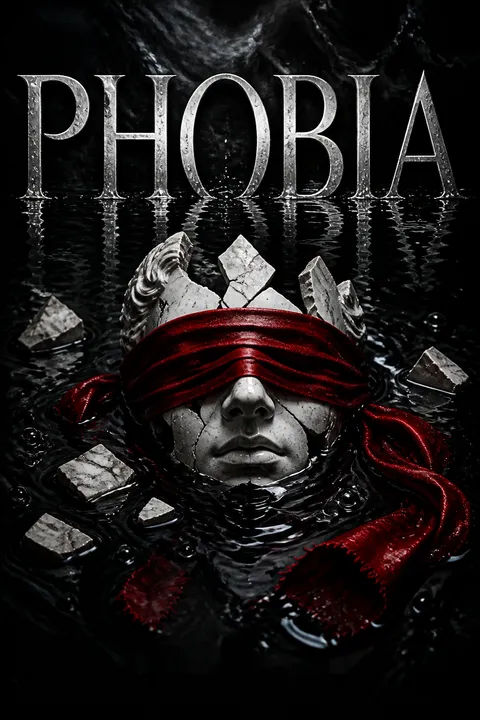

Resumen de la trama
Section 1Acechada junto al agua
Bee, estudiante en Bright Horizons—una escuela para adolescentes traumatizados—enfrenta su mayor miedo durante la clase de natación. Perseguida por los recuerdos del suicidio de su madre y un casi ahogamiento, Bee sufre alucinaciones de su madre y de un HombreSombra sin rostro. El agua desata pánico y autolesiones, revelando la profundidad de su trauma no resuelto. Su lucha se agrava por el personal insensible y la constante sensación de ser una extraña, incluso entre otros estudiantes dañados. El mundo interior de Bee es un campo de batalla de miedo, memoria y la desesperada necesidad de sentirse segura.
Section 2Sombras en la piscina
Las alucinaciones de Bee se intensifican, borrando la línea entre el recuerdo y el peligro presente. Ve sangre en el agua y siente el agarre del HombreSombra, figura que asocia con la muerte de su madre. El episodio la deja herida físicamente y emocionalmente expuesta, reforzando su aislamiento. El intento de apoyo terapéutico de la escuela se ve socavado por personal como la Sra. Balleo, carente de empatía. El arte de Bee se convierte en su único escape, una forma de procesar el horror del que no puede huir.
Section 3La mirada del profesor
Bee se siente atraída por su enigmático profesor de inglés, el Sr. Caed, cuya llegada a la escuela coincide con una serie de asesinatos locales. Su actitud sombría y su vigor físico lo convierten en objeto de rumores estudiantiles y en la fascinación privada de Bee. Ella percibe que la observa, tanto con protección como con una oscuridad que no puede nombrar. La escuela bulle de rumores mientras la policía investiga el último asesinato, y las sospechas de Bee sobre el pasado y las intenciones de el Sr. Caed comienzan a crecer.
Section 4Noticias del lazo rojo
El hallazgo de otra chica asesinada, marcada con un lazo rojo, sacude la escuela. Bee conoce los detalles a través de Eunice, una compañera con conexiones policiales. La brutalidad del crimen—violación, apuñalamiento, decapitación—refleja las propias pesadillas de Bee. La firma del asesino, el lazo rojo, se convierte en símbolo tanto de peligro como de la vulnerabilidad de chicas como Bee. La amenaza ya no es abstracta; es inmediata y personal.
Section 5La propuesta temeraria de Marissa
Marissa, la mejor amiga de Bee, llega para una visita de fin de semana, trayendo consigo una energía desenfrenada y una identificación falsa. La insistencia de Marissa en romper el toque de queda y salir a beber es tanto un desafío a la cautela de Bee como una prueba para su amistad. La reticencia de Bee nace de su necesidad de seguridad, pero la persistencia de Marissa—y la promesa de una noche lejos de sus problemas—resultan irresistibles. El escenario está listo para el desastre.
Section 6Una copa, un error
Las chicas se cuelan en un bar de mala reputación usando identificaciones falsas. Bee está nerviosa, especialmente al ver a el Sr. Caed en la barra. La atmósfera está cargada de energía depredadora, y la ansiedad de Bee crece mientras Marissa coquetea con extraños. La presencia de dos chicos universitarios, Jordan y su amigo, aumenta la sensación de presagio. Los intentos de Bee por proteger a Marissa se ven socavados por la impulsividad de su amiga y las intenciones depredadoras de quienes los rodean.
Section 7Los rincones oscuros del bar
Cuando Marissa desaparece con uno de los chicos, Bee queda vulnerable. Es drogada y secuestrada por Jordan, el aparentemente inofensivo universitario. La narrativa cambia de los peligros mundanos de la vida nocturna al terror visceral del cautiverio. Los peores temores de Bee se hacen realidad al despertar atada y despojada de su agencia, marcada con el lazo rojo del asesino. La línea entre víctima y sobreviviente se traza con sangre y miedo.
Section 8Desaparecida en la noche
La desaparición de Bee está orquestada para parecer que abandonó a su amiga. Marissa, dejada atrás, ignora el verdadero peligro. La crueldad calculada de Jordan se revela cuando se burla de Bee, explicando cómo manipula pruebas y explota las vulnerabilidades de sus víctimas. La sensación de aislamiento es total; Bee está sola con su captor, enfrentando el mismo destino que las chicas asesinadas.
Section 9Cautiva en el sótano
Despierta en un sótano sucio, atada y vestida con ropa ajena. La palabra "Schadenfreude" está pintada en la pared—una pista sobre la retorcida filosofía del asesino. Jordan, su captor, es metódico y sádico, decidido a hacerla sufrir. La obliga a confrontar su miedo más profundo—ahogarse—amenazándola con una palangana llena de agua que contiene una cabeza cercenada. La lucha de Bee es tanto física como psicológica, mientras pelea por mantener su sentido del yo.
Section 10El monstruo revelado
Jordan se revela como el asesino en serie, explicando sus métodos y motivaciones. Forma parte de una organización secreta y sádica, y disfruta del sufrimiento ajeno. Su fijación en Bee es tanto personal como simbólica; ella representa un desafío a su control. El horror de su situación se agrava por su desapego clínico y la certeza de que nadie vendrá a salvarla.
Section 11Sangre y venganza
Justo cuando la esperanza de Bee se desvanece, llega una figura enmascarada—el Sr. Caed. Se transforma de profesor a vengador, eliminando brutalmente a Jordan en una escena de violencia gráfica. El rescate no es suave; es una explosión catártica de rabia y retribución. Las acciones de el Sr. Caed son a la vez horripilantes y redentoras, difuminando la línea entre justicia y salvajismo. Bee queda libre, pero el trauma persiste.
Section 12El vengador enmascarado
El Sr. Caed revela su rostro y su propia historia de sufrimiento. Su cuerpo es un mapa de cicatrices, testimonio de una vida marcada por la violencia y el dolor. No es un héroe convencional; su moralidad está moldeada por el trauma y la sed de venganza. La conexión entre Bee y el Sr. Caed se profundiza al reconocer sus heridas compartidas. Su relación se forja en sangre y en el reconocimiento mutuo de la oscuridad.
Section 13Cicatrices y salvación
El vínculo entre Bee y el Sr. Caed se intensifica mientras atienden las heridas del otro—físicas y emocionales. Su intimidad está cargada de peligro, tanto externo como interno. El anhelo de Bee por conexión se iguala con el miedo de el Sr. Caed a su propia capacidad de violencia. Su beso es a la vez un momento de consuelo y un recordatorio de los límites que los separan.
Section 14El beso y el cuchillo
Tras la violencia, surge un encuentro cargado entre Bee y el Sr. Caed. Él confiesa sentirse atraído por ella debido a voces en su cabeza, impulsado a protegerla. Su atracción mutua está ensombrecida por la culpa y la imposibilidad de un futuro juntos. Bee suplica irse con él, pero el Sr. Caed insiste en que no puede quedarse. Su despedida es agridulce, marcada por el intercambio de un símbolo: una horquilla con forma de abejorro.
Section 15Quemando el pasado
El Sr. Caed incendia la granja, borrando el lugar del tormento de Bee y los crímenes de Jordan. El fuego es literal y simbólico—una purga del pasado y una promesa de seguridad. Bee se aferra a su salvador, consciente de que su supervivencia se debe tanto a su oscuridad como a su compasión. Su separación es definitiva, pero el lazo entre ellos perdura.
Section 16Las secuelas de la obsesión
De regreso en la escuela, Bee es perseguida por recuerdos de el Sr. Caed. Su obsesión crece, manifestándose en arte y fantasías. Está agradecida y atormentada a la vez, incapaz de reconciliar su deseo por él con la realidad de sus circunstancias. El trauma de su experiencia está siempre presente, pero también la sensación de haber sido elegida y salvada.
Section 17El arte de sobrevivir
Bee canaliza su experiencia en arte, creando un retrato de su "ángel oscuro". Su profesor reconoce la profundidad simbólica de su obra, pero solo Bee conoce la verdadera historia detrás. El arte se convierte en un medio de supervivencia, una forma de procesar el dolor y mantener vivo el recuerdo de su salvador. El acto de crear es a la vez catarsis y confesión.
Section 18Las sombras nunca se van
Bee siente la presencia de el Sr. Caed incluso después de su partida. El trauma y la conexión han dejado una marca indeleble en su psique. Se prepara para visitar a su hermana, buscando cierre y un nuevo comienzo, pero la sombra de su experiencia—y de su protector—permanece. La historia concluye con el reconocimiento de Bee de que algunas cicatrices nunca sanan, y algunas obsesiones nunca desaparecen.
Personajes
Section 19Bee (Abejorro, Vespertina)
Bee es una joven perseguida por el suicidio de su madre y un casi ahogamiento que le dejó fobias profundas y alucinaciones. Su paisaje psicológico está marcado por el trauma, la autolesión y una desesperada necesidad de seguridad y comprensión. Sus relaciones oscilan entre el anhelo y la desconfianza; se siente atraída por quienes reflejan su propia oscuridad. Su desarrollo es un viaje de víctima a agente, enfrentando sus miedos y forjando un vínculo con el Sr. Caed. Su arte es su tabla de salvación, una forma de procesar y sobrevivir a los horrores que padece.
Section 20Sr. Caed
El Sr. Caed es el enigmático profesor de inglés de Bee, cuya llegada a Bright Horizons coincide con una serie de asesinatos brutales. Bajo su exterior sereno yace un hombre marcado por la violencia, el abuso y la compulsión de proteger a quienes, como Bee, sufren. Su cuerpo es testimonio de supervivencia, cubierto de cicatrices de traumas pasados y autolesiones. Su moralidad es ambigua; es a la vez salvador y verdugo, impulsado por voces y sed de venganza. Su relación con Bee es compleja—protectora, prohibida y profundamente íntima. Es tanto la encarnación de los miedos de Bee como su salvación.
Section 21Marissa
Marissa es la amiga de la infancia de Bee, cuya rebeldía y desprecio por las reglas ponen en marcha los eventos de la historia. Su insistencia en romper el toque de queda y buscar emociones expone a Bee al peligro. Las dificultades familiares de Marissa reflejan las de Bee, pero sus mecanismos de afrontamiento son más externos—beber, coquetear y arriesgarse. Es fuente de consuelo y a la vez una carga, pues sus acciones conducen inadvertidamente al secuestro de Bee.
Section 22Jordan
Jordan es el estudiante universitario aparentemente educado que se revela como el sádico asesino detrás de los asesinatos del lazo rojo. Su inteligencia y simpatía ocultan una crueldad profunda y su pertenencia a una organización secreta dedicada al sufrimiento. Sus interacciones con Bee son escalofriantemente metódicas; busca quebrarla física y psicológicamente. Su destino final a manos de el Sr. Caed es una inversión de poder, pero su legado de trauma perdura.
Section 23HombreSombra
El HombreSombra es una alucinación recurrente para Bee, que representa el terror no resuelto por la muerte de su madre y su casi ahogamiento. Es una figura literal y simbólica, encarnando las fuerzas depredadoras que amenazan la sensación de seguridad de Bee. Su presencia difumina la línea entre realidad y delirio, subrayando la profundidad psicológica del sufrimiento de Bee.
Section 24Sra. Balleo
La Sra. Balleo es la profesora de educación física en Bright Horizons, cuya falta de comprensión y compasión agrava el trauma de Bee. Representa el fracaso de las instituciones para apoyar a quienes más lo necesitan, y sus interacciones con Bee evidencian el aislamiento y la incomprensión que enfrentan los sobrevivientes de trauma.
Section 25Enfermera Darla
La enfermera Darla ofrece un raro apoyo a Bee, atendiendo sus heridas y brindando comprensión. Es una presencia estabilizadora en un entorno hostil, encarnando el potencial de sanación dentro del sistema.
Section 26Eunice
Eunice es una compañera con acceso a información policial, sirviendo como vínculo narrativo con el mundo exterior. Su papel es entregar información crítica sobre los asesinatos, aumentando la sensación de peligro y urgencia.
Section 27Lilia
Lilia, hermana de Bee, es una figura periférica pero importante. Representa la posibilidad de familia y conexión más allá del trauma, aunque su ausencia subraya el aislamiento de Bee.
Section 28Directora Gallagher
Gallagher es la directora de Bright Horizons, responsable de las estrictas políticas y verificaciones de antecedentes. Su presencia se siente más que se ve, representando las barreras institucionales tanto para la seguridad como para la libertad.
Recursos narrativos
Section 29El trauma como motor narrativo
La historia está impulsada por las heridas psicológicas de Bee, que colorean sus percepciones, relaciones y decisiones. Los flashbacks, alucinaciones y autolesiones no son solo síntomas, sino dispositivos narrativos que sumergen al lector en su realidad fracturada. La interacción entre pasado y presente difumina los límites del tiempo y la memoria, haciendo que la amenaza de violencia sea constante.
Section 30Simbolismo del lazo rojo
El lazo rojo, atado al muslo de las víctimas, es un motivo recurrente que vincula los asesinatos y sirve como símbolo tanto de violencia sexual como de condena social. Marca a las víctimas como "prostitutas" a ojos del asesino, reflejando la estigmatización de la sexualidad femenina y la vulnerabilidad.
Section 31Dualidad de depredador y protector
La narrativa subvierte expectativas al presentar al profesor de Bee como sospechoso potencial y a la vez su rescatador definitivo. Su doble papel como vengador y objeto de deseo complica la dinámica tradicional víctima-rescatador, planteando preguntas sobre moralidad, justicia y la naturaleza de la obsesión.
Section 32El arte como catarsis
El arte de Bee es un recurso recurrente que le permite procesar el trauma y afirmar control sobre su narrativa. El acto de crear es tanto un medio de supervivencia como una forma de confesión, puente entre experiencia y expresión.
Section 33Presagios y distracciones
La historia emplea presagios a través de las visiones de Bee, la presencia de el Sr. Caed y los detalles de los asesinatos. Las distracciones mantienen al lector adivinando sobre la verdadera naturaleza de la amenaza y las identidades tanto del depredador como del protector.
Section 34Máscara e identidad
El uso de máscaras—literal y figurativamente—subraya el tema de las identidades ocultas. La transformación de el Sr. Caed de profesor a asesino se refleja en el viaje de Bee de víctima a sobreviviente. El desvelamiento de ambos personajes es central para la resolución de la historia.
Análisis
Phobia, de Keri Lake, es una oscura novela corta psicológica que explora la intersección entre trauma, obsesión y supervivencia. A través del angustioso viaje de Bee, la historia confronta el impacto duradero de la violencia y las maneras en que las víctimas buscan sentido y conexión tras ella. La narrativa desafía las nociones tradicionales de heroísmo y moralidad, presentando un mundo donde los salvadores están tan dañados como quienes rescatan, y donde la sanación está inextricablemente ligada al reconocimiento del dolor. El uso del arte como catarsis, la difuminación entre realidad y alucinación, y la subversión de los roles de depredador/protector profundizan la complejidad psicológica del relato. En última instancia, Phobia es una meditación sobre las cicatrices que llevamos—visibles e invisibles—y la posibilidad de hallar consuelo, si no redención, en la oscuridad compartida de otro alma.
También leyeron





Preguntas frecuentes
Synopsis & Basic Details
What is Phobia about?
- Trauma, abduction, and dark rescue: Phobia follows Bee, a young woman at a school for traumatized teens, whose deep-seated fear of water stems from a traumatic past involving her mother's suicide and a near-drowning. Her life takes a terrifying turn when a night out with her best friend leads to abduction by a serial killer, only to be unexpectedly rescued by her enigmatic English teacher, revealing hidden depths and dangerous connections.
- Psychological horror meets dark romance: The novella blends elements of psychological thriller, exploring Bee's hallucinations and trauma responses, with dark romance, focusing on the intense, forbidden bond forged between Bee and her rescuer, Mr. Caed, in the aftermath of extreme violence.
- Survival and obsession's aftermath: The narrative centers on Bee's fight for survival against a sadistic captor and the complex emotional and psychological fallout of her rescue, including a burgeoning, unsettling obsession with the man who saved her life.
Why should I read Phobia?
- Intense psychological depth: Phobia offers a raw look into the mind of a trauma survivor, using vivid internal monologue and hallucinations to immerse the reader in Bee's fractured reality, providing a compelling character study.
- Subversion of tropes: The story challenges conventional hero archetypes by presenting a rescuer, Mr. Caed, who is as damaged and morally ambiguous as the villain, creating a complex dynamic that fuels the dark romance elements.
- Fast-paced, visceral experience: As a novella, Phobia delivers a concentrated dose of suspense, horror, and emotional intensity, making for a quick but impactful read that lingers long after the final page.
What is the background of Phobia?
- Set after Nocticadia: Phobia is a bonus novella set in the same universe as Keri Lake's book Nocticadia, featuring characters from that story (Caed and Bee), though it functions as a standalone glimpse into their lives after the events of the previous book.
- Departure in tone and setting: The author notes that Phobia shifts significantly from the setting and tone of Nocticadia, echoing Lake's gritty contemporary style and focusing on psychological and violent themes in a more grounded, albeit still dark, reality.
- Exploration of trauma and mental health: The setting of Bright Horizons, a school for traumatized teens, provides a backdrop for exploring the lasting effects of trauma, self-harm, and mental health struggles, framing the extreme events of the plot within a context of existing psychological vulnerability.
What are the most memorable quotes in Phobia?
- "I'm not supposed to be alive.": Whispered by Bee after her rescue, this line encapsulates the profound shock and survivor's guilt she experiences, highlighting the thin line between her fate and that of the other victims and underscoring the theme of destiny vs. intervention.
- "Deception is an art that I've mastered my entire life. It's the only skill that's kept me alive.": Mr. Caed's confession reveals the depth of his hidden identity and survival instincts, explaining his ability to infiltrate the school and highlighting the theme of masks and hidden selves that runs through the story.
- "I hear voices, and those voices told me that you needed me. And you did. You fucking needed me, Bee.": This chilling admission from Mr. Caed blurs the line between protector and predator, suggesting his actions are driven by internal compulsions rather than pure heroism, cementing his complex and unsettling nature in Bee's mind and the reader's.
What writing style, narrative choices, and literary techniques does Keri Lake use?
- First-person, present tense POV: The story is told entirely from Bee's perspective, using present tense to create immediacy and immerse the reader directly in her subjective experience, including her trauma-induced hallucinations and shifting perceptions of reality.
- Visceral and sensory language: Lake employs graphic descriptions of violence, physical sensations (cold, pain, stench), and emotional states (panic, fear, desire) to create a raw, intense, and often disturbing atmosphere that reflects the dark themes.
- Symbolism and motif: Recurring symbols like water, the red ribbon, scars, masks (literal and figurative), and Bee's art are woven throughout the narrative, adding layers of meaning and connecting individual events to broader themes of trauma, identity, and survival.
Hidden Details & Subtle Connections
What are some minor details that add significant meaning?
- Bee's congenital cyst: The detail of the cyst at the corner of Bee's eye, which she feels self-conscious about when stared at, symbolizes her perceived imperfection and vulnerability, making Jordan's later cruel comment about it ("you'd be stunning, if not for that growth on your face") a targeted attack on her deepest insecurity.
- The name "Schadenfreude": The word spray-painted on the basement wall, which Jordan identifies as the name of his father's organization meaning "pleasure derived from another person's misfortune," explicitly names the core theme of the killer's motivation and the organization's twisted philosophy, adding a layer of intellectual sadism to the physical torture.
- Mr. Caed's specific literary references: His teaching of Macbeth and Hamlet isn't random; these plays are steeped in themes of ambition, guilt, madness, and hidden deeds, subtly foreshadowing his own complex, morally ambiguous nature and the dark, hidden "business" he is involved in.
What are some subtle foreshadowing and callbacks?
- Bee's self-inflicted scratches: Early in Chapter 1, Bee gouges her own arm during a panic attack triggered by the pool, a callback to her past self-harm and a subtle foreshadowing of the physical pain she will endure later, highlighting how her internal trauma manifests physically even before external threats appear.
- Mr. Caed's knife skills: Bee's earlier observation of Mr. Caed "chucking knives at a tree" with "unsettling precision" is a direct foreshadowing of his violent capabilities and his use of blades, establishing his proficiency with weapons long before his identity as a killer is revealed.
- The red ribbon's historical context: Eunice mentions the red ribbon marked women as prostitutes centuries ago; this historical detail adds a layer of dehumanization and judgment to the killer's actions, suggesting his victims are not just targets of violence but also objects of moral condemnation in his twisted view.
What are some unexpected character connections?
- Jordan's connection to "Schadenfreude": Jordan isn't just a random serial killer; his statement that his "father was a prominent member" of the organization "Schadenfreude" reveals a deeper, inherited connection to a network of sadists, suggesting his actions are part of a larger, disturbing legacy rather than isolated incidents.
- Mr. Caed's "voices" and Bee's hallucinations: Mr. Caed's confession that he hears "voices" that led him to Bee ("Find the girl. She needs you.") creates an unexpected parallel between his compulsion and Bee's own trauma-induced hallucinations (ShadowMan, her mother), suggesting a shared psychological landscape or a deeper, perhaps supernatural, connection between them.
- The shared experience of self-harm: Bee's history of cutting and Mr. Caed's self-inflicted throat scar ("I did this to myself. Trying to silence the fucking noise in my head.") reveal a profound, unexpected connection through shared experiences of internal pain and attempts to cope with overwhelming psychological distress, forming a basis for their mutual understanding despite their vastly different external roles.
Who are the most significant supporting characters?
- Marissa: As Bee's best friend, Marissa serves as the primary catalyst for the plot, her reckless decision to go to the bar directly leading to Bee's abduction, highlighting the dangers of peer influence and the contrast between her externalized coping mechanisms and Bee's internalized ones.
- Jordan: The primary antagonist, Jordan is significant not just as the killer but as the embodiment of pure sadism and the link to the "Schadenfreude" organization, providing the immediate threat that forces Bee to confront her deepest fears and triggering Mr. Caed's intervention.
- Ms. LeChance: Bee's art teacher and mentor, Ms. LeChance represents a source of positive support and validation for Bee's coping mechanisms, recognizing the depth and symbolism in her art and providing a contrast to the unsympathetic institutional figures like Ms. Balleo.
Psychological, Emotional, & Relational Analysis
What are some unspoken motivations of the characters?
- Bee's yearning for connection: Beyond just surviving, Bee's actions, particularly her reaching out to Mr. Caed and asking him to take her with him, are driven by an unspoken, desperate need for deep connection and understanding from someone who sees and accepts her trauma and darkness, stemming from her isolation at Bright Horizons and strained family relationships.
- Mr. Caed's compulsion for vengeance: While he mentions "business" and "voices," Mr. Caed's brutal methods and focus on punishing Jordan ("Punish him, so he'd never lay his hands on you.") suggest an unspoken, deep-seated compulsion for violent retribution, possibly linked to his own past trauma and a need to protect others who remind him of himself or someone he couldn't save.
- Marissa's escapism: Marissa's insistence on drinking and going out, despite her father's alcoholism and her own troubles, is an unspoken motivation driven by a need for escapism and temporary relief from her difficult home life, inadvertently putting Bee in danger in her pursuit of distraction.
What psychological complexities do the characters exhibit?
- Bee's trauma-induced dissociation and hallucinations: Bee exhibits complex trauma responses, including dissociation ("Like a movie reel that's missing key scenes") and vivid hallucinations (ShadowMan, her mother, blood in the water), which blur her perception of reality and highlight the profound psychological impact of her past.
- Mr. Caed's duality and potential psychosis: Mr. Caed presents a stark psychological duality – the composed teacher versus the brutal killer driven by "voices." This suggests a complex inner world, possibly involving psychosis or a trauma-induced fragmentation of self, where his protective instincts are intertwined with a violent compulsion.
- Jordan's clinical sadism and intellectualization: Jordan's psychological complexity lies in his chillingly calm, almost scientific approach to torture and murder. His intellectualization of suffering (linking to "Schadenfreude") and focus on psychological torment (using Bee's phobia, Lyla's head) reveal a deep-seated, calculated sadism distinct from Mr. Caed's apparent rage-driven violence.
What are the major emotional turning points?
- The pool panic attack: Bee's episode at the pool, where her hallucinations become overwhelming and lead to self-harm, is a major emotional turning point, demonstrating the persistent power of her past trauma and setting the stage for her vulnerability and need for escape.
- Awakening in the basement: The moment Bee wakes up bound in the basement, sees the red ribbon, and realizes she's been abducted by the serial killer is a critical emotional turning point, shifting the narrative from psychological struggle to immediate, terrifying physical threat and shattering her sense of safety.
- The kiss with Mr. Caed: The kiss after her rescue is a pivotal emotional turning point, representing a complex mix of gratitude, fear, desire, and recognition of shared darkness, solidifying the intense, forbidden bond between Bee and Mr. Caed and marking the beginning of her obsession.
How do relationship dynamics evolve?
- Bee and Marissa's friendship tested: Bee and Marissa's friendship evolves from a source of comfort and shared history to one strained by Marissa's recklessness and Bee's subsequent trauma, highlighting the limitations of their bond in the face of extreme danger and differing coping styles.
- Bee and Mr. Caed's teacher-student to rescuer-rescued to something more: Their dynamic transforms dramatically from a distant teacher-student crush to a life-or-death rescuer-rescued scenario, culminating in a complex, emotionally charged connection based on shared trauma, mutual recognition, and forbidden desire that transcends their initial roles.
- Bee's internal relationship with her trauma figures: Bee's relationship with her internal figures (ShadowMan, her mother) evolves from being purely terrifying hallucinations to being momentarily overridden by the immediate external threat (Jordan) and then potentially recontextualized or even integrated into her understanding of her connection with Mr. Caed.
Interpretation & Debate
Which parts of the story remain ambiguous or open-ended?
- The nature of Mr. Caed's "voices": The story leaves ambiguous whether Mr. Caed's "voices" are a form of psychosis, a manifestation of his trauma, or something else entirely (perhaps linked to the supernatural elements hinted at in Nocticadia), leaving his motivations open to interpretation.
- The extent and nature of the "Schadenfreude" organization: While mentioned as Jordan's father's group that enjoys suffering, the novella doesn't fully explain the scope, activities, or origins of "Schadenfreude," leaving their potential continued threat or influence unresolved.
- Mr. Caed's future and potential return: Mr. Caed states he "can't stay in one place" and leaves, but his parting words ("I'll see you around") and Bee's lingering sense of his presence leave his future actions and the possibility of his return to Bee's life open-ended, fueling Bee's obsession.
What are some debatable, controversial scenes or moments in Phobia?
- Mr. Caed's brutal killing of Jordan: The graphic and sadistic nature of Jordan's death at Mr. Caed's hands is highly debatable. Is it justified vengeance, a necessary act to save Bee, or evidence that Mr. Caed is as disturbed as the man he killed, blurring the lines of morality?
- Bee's kiss with Mr. Caed after the rescue: Bee initiating a kiss with her teacher, covered in the blood of her captor, immediately after being rescued is controversial. Is it a trauma response, a genuine connection forged in extreme circumstances, or an unhealthy manifestation of Stockholm Syndrome or a dark desire?
- Mr. Caed's self-inflicted scar and motivation: Mr. Caed revealing his throat scar was self-inflicted "Trying to stay away from you" is a controversial motivation. Does this elevate their connection to a fated, powerful bond, or does it portray him as dangerously unstable and projecting his issues onto Bee?
Phobia Ending Explained: How It Ends & What It Means
- Physical resolution, psychological continuation: The novella ends with Bee rescued by Mr. Caed, Jordan killed, and the farmhouse burned, physically resolving the immediate abduction plot. However, it leaves Bee psychologically marked and deeply obsessed with Mr. Caed, indicating that while the external threat is gone, the internal struggle and the impact of the trauma and rescue are ongoing.
- Mr. Caed's departure and symbolic exchange: Mr. Caed leaves Bee back near her dorm, stating he cannot stay but giving a cryptic "I'll see you around." Bee gives him her bumblebee barrette, a symbol of her identity and past trauma. This exchange signifies a mutual acknowledgment of their bond and shared darkness, but also his necessary departure to continue his "business," leaving their future uncertain.
- Art as processing and lingering obsession: The final scene shows Bee channeling her experience and obsession into her art, creating a sketch titled "PHILIA" (meaning brotherly love or affection, but also attraction) depicting Mr. Caed as a scarred angel. This illustrates her attempt to process the trauma and her complex feelings, confirming that her experience has fundamentally changed her and her focus is now consumed by the memory and presence of her dark rescuer.




Descargar PDF
Descargar EPUB
.epub digital book format is ideal for reading ebooks on phones, tablets, and e-readers.








































