Ideas clave
1. El alma es la esencia de lo que somos, integrando voluntad, mente y cuerpo
Eres un ser espiritual incesante con un destino eterno en el gran universo de Dios.
El alma como integradora. El alma es la parte más profunda de nuestro ser, que conecta y coordina nuestra voluntad (intenciones), mente (pensamientos y sentimientos) y cuerpo (acciones). Busca la armonía entre estos elementos y con el propósito de Dios para la creación. Un alma sana experimenta integración, mientras que el pecado provoca desintegración.
Significado eterno. Nuestras almas no son temporales; tienen consecuencias eternas. Esta comprensión debe moldear cómo vivimos y qué priorizamos. Lo que realmente importa es el estado de nuestra alma al final de nuestra vida, no nuestros logros o posesiones.
Conciencia del alma. Reconocer la importancia de nuestra alma puede transformar nuestra forma de vivir. Cambia nuestro enfoque de las circunstancias externas al bienestar interno, de la satisfacción pasajera a la trascendencia eterna. Esta conciencia puede llevarnos a vivir con más intención y a encontrar un propósito más profundo.
2. Nuestras almas anhelan conexión con Dios y necesitan cuidado constante
El alma es como un arroyo de agua que da fuerza, dirección y armonía a todas las áreas de nuestra vida.
Necesidad primaria del alma. El alma tiene un anhelo innato por Dios, diseñada para encontrar su plenitud en una relación con Él. Esta conexión no es solo un concepto religioso, sino un aspecto fundamental de la naturaleza humana. Cuando esta necesidad no se satisface, a menudo intentamos llenarla con otras cosas, lo que conduce a la insatisfacción.
Mantenimiento continuo. Como un arroyo que requiere cuidado constante, nuestras almas necesitan atención regular. Esto implica:
- Prácticas espirituales (oración, meditación, adoración)
- Autorreflexión e introspección
- Cultivar virtudes y hábitos positivos
- Enfrentar el pecado y patrones negativos
Responsabilidad personal. Aunque la comunidad y los líderes espirituales pueden ofrecer guía, en última instancia, cada persona es responsable del cuidado de su propia alma. Esto exige intencionalidad y compromiso para priorizar el cuidado del alma en medio de las múltiples demandas de la vida.
3. El pecado desintegra el alma, mientras que la obediencia a Dios trae libertad
Para ser verdaderamente libre, debes rendirte.
La naturaleza del pecado. El pecado no es solo romper reglas; es una fuerza que fragmenta nuestro ser interior. Crea discordia entre nuestra voluntad, mente y cuerpo, generando conflicto interno e insatisfacción. Esta desintegración afecta no solo nuestra relación con Dios, sino también nuestras relaciones con los demás y nuestro sentido de identidad.
La paradoja de la rendición. La verdadera libertad no proviene de hacer lo que queremos, sino de alinearnos con el diseño de Dios para nuestra vida. Esto implica:
- Reconocer nuestras limitaciones y necesidad de Dios
- Someter nuestra voluntad a la sabiduría divina
- Abrazar disciplinas espirituales y la obediencia
Transformación gradual. El camino del pecado a la libertad suele ser un proceso paulatino. Requiere desarrollar nuevos hábitos, renovar nuestra mente y elegir consistentemente alinearnos con la voluntad de Dios. Esta transformación conduce a un sentido de integración y paz en el alma.
4. El alma necesita descanso, bendición y gratitud para prosperar
Organiza tus días para experimentar satisfacción total, gozo y confianza en tu vida diaria con Dios.
Descanso para el alma. En nuestro mundo agitado, el alma anhela descanso. No se trata solo de reposo físico, sino de un descanso espiritual profundo que proviene de:
- Practicar el sábado y períodos regulares de soledad
- Aprender a estar quieto y presente con Dios
- Soltar la necesidad de estar siempre logrando o produciendo
El poder de la bendición. Bendecir activamente a otros (y recibir bendiciones) nutre el alma. Esto implica:
- Hablar intencionalmente palabras de afirmación y ánimo
- Orar por el bienestar de los demás
- Realizar actos de bondad y generosidad
Cultivar la gratitud. Un corazón agradecido es esencial para un alma sana. Las prácticas para desarrollar gratitud incluyen:
- Reflexión diaria sobre las bendiciones de Dios
- Llevar un diario de gratitud
- Expresar agradecimiento a otros y a Dios
5. El sufrimiento puede conducir al crecimiento espiritual y a una conexión más profunda con Dios
Si preguntas a quienes creen en Dios cuándo crecieron más espiritualmente, la respuesta número uno será el sufrimiento.
Potencial transformador. Aunque el sufrimiento es doloroso, a menudo se convierte en un catalizador para un crecimiento espiritual profundo. Puede:
- Despojar la fe superficial y llevar a una dependencia más profunda de Dios
- Revelar nuestras verdaderas prioridades y valores
- Desarrollar empatía y compasión hacia los demás
La "noche oscura del alma." Los tiempos de sequedad espiritual o aparente ausencia de Dios pueden ser especialmente difíciles. Sin embargo, estas experiencias pueden:
- Enseñarnos paciencia y confianza en el tiempo de Dios
- Profundizar nuestra comprensión de la fe más allá de las emociones
- Prepararnos para una madurez espiritual mayor
Encontrar sentido en el sufrimiento. Aunque no siempre entendamos las razones de nuestro dolor, podemos elegir:
- Buscar la presencia y el consuelo de Dios en medio del sufrimiento
- Ver oportunidades para crecer y transformarnos
- Usar nuestras experiencias para ayudar y animar a otros
6. Organiza tus días para experimentar satisfacción y gozo en Dios
Debes eliminar sin piedad la prisa de tu vida.
Vida intencional. Crear una vida que fomente la salud del alma requiere decisiones deliberadas sobre cómo invertimos nuestro tiempo y energía. Esto implica:
- Priorizar actividades que nutran nuestra relación con Dios
- Establecer límites para proteger tiempo de descanso y reflexión
- Cultivar hábitos que promuevan la paz interior y la satisfacción
Eliminar la prisa. La vida apresurada suele ser enemiga de la salud del alma. Para combatirla:
- Practica la atención plena y está plenamente presente en cada momento
- Simplifica tus horarios y compromisos
- Aprende a decir "no" a actividades no esenciales
Buscar el gozo en Dios. La verdadera satisfacción proviene de encontrar nuestro contento en Dios y no en las circunstancias. Esto se fomenta mediante:
- Meditación regular en el carácter y las promesas de Dios
- Cultivar un sentido de asombro y gratitud por la creación divina
- Buscar alinear nuestros deseos con la voluntad de Dios para nuestra vida
7. El alma encuentra su satisfacción última solo en Dios, no en las cosas del mundo
Alma mía, descansa en Dios.
La futilidad de la satisfacción mundana. Nuestra cultura suele promover la idea de que la felicidad proviene de logros, posesiones o experiencias. Sin embargo, estas búsquedas dejan al alma insatisfecha porque:
- Las cosas materiales son temporales y pueden perderse
- Los logros y reconocimientos no satisfacen nuestras necesidades más profundas
- La búsqueda del placer a menudo conduce a la adicción o al vacío
Dios como verdadero hogar del alma. El alma fue diseñada para encontrar su plenitud en una relación con Dios. Esta satisfacción se experimenta a través de:
- Vivir el amor y la aceptación incondicional de Dios
- Alinear nuestra vida con los propósitos divinos
- Participar en la obra continua de Dios en el mundo
Pasos prácticos hacia la satisfacción del alma. Para cultivar esta plenitud profunda:
- Participa regularmente en la adoración y la oración
- Estudia y medita en las Escrituras
- Busca maneras de servir a otros y de integrarte en comunidad
- Practica el contentamiento y la gratitud en toda circunstancia
Resumen de reseñas
I'd be happy to help translate your content, but it appears the text between the backticks is "null" — meaning there's no actual content to translate.
Could you please provide the English text you'd like me to translate into Spanish? Once you share it, I'll translate it matching the style, tone, and formality of the Hábitos Atómicos sample you provided.
También leyeron





Preguntas frecuentes
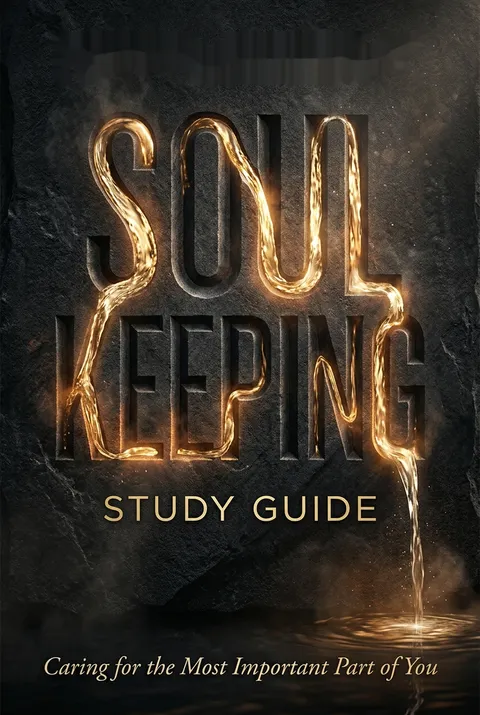
1. What is "Soul Keeping Bible Study Guide: Caring for the Most Important Part of You" by John Ortberg about?
- Focus on the Soul: The book explores the concept of the soul from a Christian perspective, emphasizing its centrality to human life and spiritual well-being.
- Practical Soul Care: Ortberg provides guidance on how to care for, nurture, and restore the soul, drawing on biblical wisdom, personal stories, and insights from his mentor Dallas Willard.
- Integration of Life: The book discusses how the soul integrates the will, mind, and body, and how its health affects every aspect of a person’s life.
- Journey of Transformation: Through stories, parables, and practical advice, Ortberg invites readers on a journey to understand, protect, and grow their souls in relationship with God.
2. Why should I read "Soul Keeping Bible Study Guide" by John Ortberg?
- Addresses Deep Spiritual Needs: The book tackles the often-neglected topic of soul care, which is foundational for lasting spiritual growth and inner peace.
- Accessible and Relatable: Ortberg uses engaging stories, real-life examples, and clear language to make complex spiritual concepts understandable and applicable.
- Guidance from a Trusted Voice: Drawing on the wisdom of Dallas Willard and his own pastoral experience, Ortberg offers trustworthy, biblically grounded advice.
- Practical Tools for Change: Readers receive actionable steps and reflective questions to help them cultivate a healthy soul in the midst of modern life's busyness and distractions.
3. What are the key takeaways from "Soul Keeping Bible Study Guide" by John Ortberg?
- The Soul’s Central Role: The soul is the life-center that integrates all parts of a person and is the most important aspect of who we are.
- Neglect Leads to Disintegration: Ignoring the soul results in inner chaos, disconnection from God, and a lack of true fulfillment, regardless of external success.
- Soul Needs and Practices: The soul requires rest, freedom, blessing, satisfaction, gratitude, and above all, a deep connection with God.
- Personal Responsibility: Each person is the keeper of their own soul and must intentionally arrange their life to nurture it.
4. How does John Ortberg define the soul in "Soul Keeping Bible Study Guide"?
- Life-Center and Integrator: The soul is described as the aspect of our being that integrates the will (choices), mind (thoughts and feelings), and body into a single, whole life.
- Made by and for God: Ortberg, echoing Dallas Willard, teaches that the soul is made by God, for God, and to need God, and is not meant to be self-sufficient.
- Source of Harmony or Disintegration: A healthy soul brings harmony and direction to life, while an unhealthy soul leads to fragmentation and dysfunction.
- Synonymous with the Person: In both biblical and everyday language, “soul” often simply means the whole person, not just an immaterial part.
5. What are the main needs of the soul according to "Soul Keeping Bible Study Guide" by John Ortberg?
- The Soul Needs a Keeper: Each person is responsible for the condition of their own soul and must actively care for it.
- The Soul Needs a Center: The soul requires a stable center, which is found in God, to avoid being tossed by life’s circumstances.
- The Soul Needs Rest and Freedom: True rest and freedom come from living in alignment with God’s design and grace, not from external circumstances or self-indulgence.
- The Soul Needs Blessing, Satisfaction, and Gratitude: The soul thrives on receiving and giving blessing, finding satisfaction in God rather than possessions or achievements, and practicing gratitude.
6. What practical advice does John Ortberg give for caring for your soul in "Soul Keeping Bible Study Guide"?
- Arrange Your Days for God: Ortberg advises arranging your daily life so you experience contentment, joy, and confidence in your everyday relationship with God.
- Ruthlessly Eliminate Hurry: One of the book’s most memorable pieces of advice is to “ruthlessly eliminate hurry,” as hurry is the great enemy of spiritual life.
- Practice Solitude and Rest: Regular times of solitude, rest, and Sabbath are essential for soul health, allowing space for God to restore and refresh you.
- Speak to Your Soul: Engage in honest self-reflection and prayer, addressing your soul directly as modeled in the Psalms, to bring your inner life before God.
7. How does "Soul Keeping Bible Study Guide" by John Ortberg address the problem of a "lost soul"?
- Condition, Not Just Destination: Ortberg reframes “lost soul” as a present condition of disintegration and disconnection from God, not merely a future destination.
- Sin as Disintegration: Sin is described as the force that fractures the soul, causing the will, mind, and body to be at odds with each other and with God.
- Confession and Honesty: Healing begins with honest confession, facing the truth about oneself, and seeking God’s forgiveness and restoration.
- The Soul’s Search for a Father: The book emphasizes the soul’s deep longing for connection, belonging, and the loving presence of God as Father.
8. What are the dangers of neglecting the soul, according to "Soul Keeping Bible Study Guide" by John Ortberg?
- Disintegration and Dysfunction: Neglect leads to a fragmented life where the will, mind, and body are out of sync, resulting in anxiety, addiction, and relational breakdown.
- Superficial Living: The world encourages focus on the self and external achievements, which can crowd out attention to the soul’s deeper needs.
- Vulnerability to Idolatry: When the soul’s needs are not met in God, people turn to idols—money, success, pleasure—which ultimately enslave rather than satisfy.
- Loss of Meaning and Joy: A neglected soul loses its sense of purpose, gratitude, and the ability to experience true joy, even in the midst of outward success.
9. What role does God play in the health of the soul in "Soul Keeping Bible Study Guide" by John Ortberg?
- God as the Soul’s Home: The soul was created to be with God, and only in God’s presence does it find rest, satisfaction, and wholeness.
- With-God Life: Ortberg emphasizes the importance of living every moment in conscious awareness of God, not just during religious activities.
- Grace and Acceptance: God’s acceptance and sustaining grace are foundational for soul health, providing security and significance apart from performance.
- Restoration and Healing: God pursues, restores, and heals the soul, especially in times of suffering, darkness, or spiritual dryness.
10. What are the key concepts and metaphors used in "Soul Keeping Bible Study Guide" by John Ortberg to explain the soul?
- The Stream and the Keeper: The soul is likened to a stream that nourishes all of life, and each person is the keeper responsible for its health and purity.
- Concentric Circles: Ortberg uses Dallas Willard’s model of concentric circles—will, mind, body, soul—to illustrate how the soul integrates all parts of the self.
- The Cycle of Grace vs. Cycle of Works: The book contrasts living from God’s grace (acceptance, sustenance, significance, achievement) with striving for worth through performance.
- The Dark Night of the Soul: The experience of spiritual dryness or suffering is described as a “dark night,” a time when God seems absent but is actually deepening the soul.
11. What are some of the most impactful quotes from "Soul Keeping Bible Study Guide" by John Ortberg, and what do they mean?
- “You must ruthlessly eliminate hurry from your life.” – This highlights the necessity of slowing down to nurture the soul and be present with God.
- “The most important thing in your life is not what you do; it’s who you become.” – Emphasizes that character and soul formation are more lasting than achievements.
- “The stream is your soul. And you are the keeper.” – Reminds readers of their responsibility to care for their inner life, which affects everything else.
- “You are an unceasing spiritual being with an eternal destiny in God’s great universe.” – Affirms the eternal value and significance of every person’s soul.
12. How does "Soul Keeping Bible Study Guide" by John Ortberg suggest restoring a damaged or weary soul?
- Embrace the Dark Night: Recognize that seasons of dryness or suffering can be God’s way of deepening and transforming the soul, not signs of failure.
- Wait and Trust: Restoration often requires patient waiting, surrender, and trust in God’s timing rather than frantic self-effort.
- Return to God’s Presence: Reconnect with God through honest prayer, solitude, and practices that open the soul to His love and grace.
- Practice Gratitude and Blessing: Cultivate gratitude and intentionally bless others, which revives the soul and aligns it with God’s purposes.
Sobre el autor
Otros libros de John Ortberg





Descargar PDF
Descargar EPUB
.epub digital book format is ideal for reading ebooks on phones, tablets, and e-readers.








































