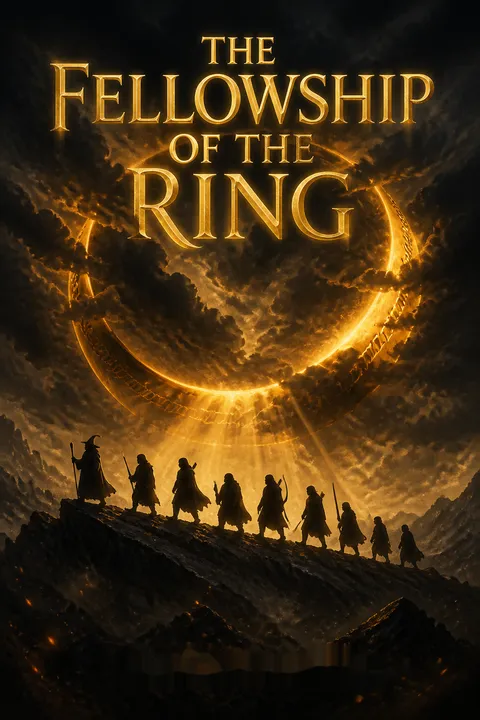

Summary Temporarily Unavailable
This summary is temporarily unavailable and is currently being updated. You can still explore the FAQs and other metadata below.
Resumen de la trama
La gran despedida y desaparición de Bilbo
Bilbo Bolsón, el excéntrico hobbit de Bolsón Cerrado, organiza una fastuosa fiesta para celebrar su centesimoprimer cumpleaños, cautivando a la Comarca con su riqueza y sus peculiaridades. Durante la celebración, asombra a todos al desvanecerse en el aire utilizando un anillo mágico, un secreto que ha guardado desde sus aventuras con Gandalf y los enanos. Bilbo abandona la Comarca, confiando sus bienes y el misterioso anillo a su joven primo Frodo Bolsón, preparando así el escenario para una nueva aventura.
La herencia de Frodo y la advertencia de Gandalf
Tras la repentina partida de Bilbo, Frodo hereda Bolsón Cerrado y el anillo. Gandalf, el sabio mago, advierte a Frodo sobre el oscuro poder de la pieza, revelando que se trata del Anillo Único, forjado por el Señor Oscuro Sauron para controlar a todos los demás. Gandalf aconseja a Frodo mantener el anillo en secreto y a salvo, ya que Sauron lo está buscando para recuperar todo su poder. Frodo se queda con la pesada carga de decidir qué hacer con él, sabiendo que podría atraer un gran peligro sobre la Comarca y más allá.
La sombra de el Anillo
Gandalf explica la peligrosa historia de la pieza, detallando cómo corrompe a quienes lo portan y cómo Sauron lo perdió hace mucho tiempo. El anillo fue encontrado por Gollum, una criatura transformada por su influencia, y más tarde por Bilbo. Las investigaciones de Gandalf confirman la identidad de el anillo, y recalca la urgencia de mantenerlo fuera del alcance de Sauron. Frodo comprende que el poder de el anillo es inmenso y que debe ser destruido en los fuegos del Monte del Destino, el lugar donde fue forjado. Esta revelación coloca a Frodo en un camino lleno de peligros e incertidumbre.
Partida de la Comarca
Con la guía de Gandalf, Frodo decide abandonar la Comarca para protegerla de la amenaza de el anillo. Planea viajar a Rivendel, el hogar del sabio Elrond, donde espera encontrar consejo y ayuda. Frodo vende Bolsón Cerrado a los Sacovilla-Bolsón, una familia ansiosa por reclamar su hogar, y se prepara para marchar discretamente junto a su leal amigo Samsagaz Gamyi. Mientras asimila el peso de su decisión, Frodo se muestra decidido a mantener el anillo oculto y a salvo de los agentes de Sauron.
Encuentro con los Jinetes Negros
A medida que Frodo, Sam y su amigo Pippin emprenden su viaje, se topan con los misteriosos Jinetes Negros, sirvientes de Sauron que buscan el anillo. Estas oscuras figuras infunden temor y urgencia en los hobbits, quienes comprenden la gravedad de su misión. La presencia de los Jinetes confirma el peligro sobre el cual advirtió Gandalf, y Frodo entiende que debe llegar rápidamente a Rivendel para buscar protección y guía.
Los elfos y el viaje a Rivendel
Los hobbits son salvados de un Jinete Negro por un grupo de elfos liderado por Gildor Inglorion. Los elfos les brindan refugio y consejo, advirtiendo a Frodo sobre el peligroso camino que tiene por delante. Le aconsejan continuar hacia Rivendel y le ofrecen su amistad y apoyo. Este encuentro con los elfos renueva la determinación de Frodo y resalta la importancia de contar con aliados en la lucha contra Sauron. El viaje a Rivendel está lleno de peligros, pero Frodo no está solo en su misión.
La determinación de Sam y el viaje de Frodo
Tras el encuentro con los elfos, Samsagaz Gamyi experimenta un profundo cambio interior, al comprender que su viaje con Frodo es mucho más que una simple aventura. Presiente que les espera un largo camino lleno de oscuridad, pero está resuelto a llegar hasta el final. Frodo, reconfortado por la lealtad de Sam, decide tomar un atajo a través del campo para evitar a los Jinetes Negros. A pesar de las advertencias de Pippin sobre los peligros de los atajos, Frodo está decidido a llegar rápido al embarcadero de Balsadera, lo que evidencia la urgencia y el riesgo de su misión.
La inesperada hospitalidad del granjero Maggot
Mientras Frodo y sus compañeros avanzan por el campo, se encuentran con el granjero Maggot, un hobbit al que Frodo teme debido a viejas travesuras de robo de champiñones. Sin embargo, Maggot demuestra ser un amigo; les ofrece refugio y les advierte sobre un misterioso jinete de capa negra que ha estado preguntando por Frodo. La hospitalidad de Maggot y la información que comparte resultan cruciales, ya que revelan el alcance de la persecución de los Jinetes Negros. La ayuda del granjero, que incluye llevarlos en su carro hasta el transbordador, destaca los aliados inesperados que Frodo encuentra en su viaje.
Cruzando el río Brandivino
Los hobbits llegan al río Brandivino, el cual deben cruzar para entrar en Los Gamos. Al subir al transbordador, perciben una presencia oscura que los observa desde la orilla opuesta, lo que acrecienta su ansiedad. El cruce simboliza la transición desde la familiar Comarca hacia los peligros desconocidos del exterior. Una vez al otro lado, son recibidos por Merry Brandigamo, quien los ha estado esperando. El reencuentro con Merry les brinda un breve respiro, pero la amenaza latente de los Jinetes Negros sigue siempre presente.
Adentrándose en el enigmático Bosque Viejo
Los hobbits se adentran en el Bosque Viejo, un lugar de árboles ancestrales y extraña magia. El bosque parece cobrar vida, con árboles que aparentan vigilar y susurrar. El sendero es traicionero y los hobbits no tardan en desorientarse. La malevolencia de la arboleda es palpable, y son atraídos hacia lo más profundo de su corazón, donde se topan con el Viejo Hombre-Sauce, un árbol con una voluntad siniestra. Este capítulo resalta la imprevisibilidad del mundo natural y la vulnerabilidad de los hobbits ante poderes antiguos.
El santuario encantado de Tom Bombadil
Justo cuando los hobbits se encuentran atrapados por el Viejo Hombre-Sauce, son rescatados por Tom Bombadil, una figura misteriosa y jovial que parece dominar el bosque. Tom los invita a su hogar, donde conocen a Baya de Oro, su encantadora esposa. En la casa de Tom, los hobbits encuentran seguridad y calidez, en marcado contraste con el sombrío bosque. El conocimiento y el poder de Tom son evidentes, aunque sigue siendo un enigma. Su presencia ofrece un breve respiro y un recordatorio de la maravilla y el misterio del mundo.
Las peligrosas Quebradas de los Túmulos
Al dejar la protección de Tom Bombadil, los hobbits viajan a través de las Quebradas de los Túmulos, una tierra envuelta en niebla y habitada por los espíritus de los túmulos. Son capturados por estos seres malévolos y quedan atrapados en una tumba. Frodo, armándose de valor, pide ayuda a Tom Bombadil, quien acude para desterrar a los espíritus y liberarlos. Este encuentro con los seres de los túmulos subraya el peligro constante y la necesidad de actuar con valentía y rapidez. La intervención de Tom refuerza su papel como protector frente a las fuerzas oscuras que acechan en la Tierra Media.
Llegada a Bree y nuevos aliados
Los hobbits llegan a Bree, una aldea donde conviven la Gente Grande y los hobbits. En la posada El Póney Pisador, conocen a Trancos, un misterioso montaraz que les ofrece su guía. A pesar de la desconfianza inicial, Frodo descubre, gracias a una carta de Gandalf, que Trancos —cuyo verdadero nombre es Aragorn— es un aliado de confianza. Este capítulo marca un punto de inflexión, ya que los hobbits ganan un nuevo compañero y se preparan para dejar la relativa seguridad de Bree y emprender el peligroso viaje hacia Rivendel. La presentación de Trancos añade profundidad a la narrativa, sugiriendo la existencia de fuerzas mucho mayores en juego.
Analysis
Una historia atemporal de valor y amistad"La Comunidad del Anillo" es un rico tapiz de aventuras, amistad y la lucha entre el bien y el mal. Tolkien teje una narrativa que explora el poder corruptor del Anillo Único y la resistencia de aquellos que se oponen a la oscuridad. La historia enfatiza la importancia del coraje, la lealtad y la fuerza que se encuentra en la unión. A través del viaje de Frodo, se recuerda al lector el valor de la perseverancia y el impacto que pueden tener los individuos aparentemente pequeños frente a dificultades abrumadoras. Los temas de la novela resuenan con fuerza en el público moderno, destacando el carácter atemporal de sus enseñanzas y el atractivo perdurable de sus personajes y su mundo.
Última actualización:
Report IssueResumen de reseñas
La Comunidad del Anillo recibe elogios generalizados por su construcción de mundos, sus personajes y sus temas atemporales. Muchos lectores la encuentran cautivadora y emocionalmente resonante, apreciando la intrincada mitología y el lenguaje poético de Tolkien. Algunos, sin embargo, critican su ritmo lento y sus extensas descripciones. El libro se describe a menudo como una obra fundamental de la fantasía que ha inspirado a generaciones. Aunque la mayoría de los críticos la consideran una obra maestra, unos pocos la encuentran aburrida o anticuada. En general, sigue siendo un clásico muy querido que continúa encantando a los lectores décadas después de su publicación.
También leyeron


Characters
Bilbo Bolsón
Bilbo es un hobbit adinerado y aventurero que ha vivido una vida larga y peculiar. Conocido por su inesperada desaparición y su regreso con riquezas, es amado por unos y envidiado por otros. Su posesión del Anillo Único, que utiliza para desvanecerse en su fiesta de cumpleaños, pone en marcha la historia. La partida de Bilbo de la Comarca marca el final de sus aventuras y el comienzo de las de Frodo.
Frodo Bolsón
Frodo es el joven primo y heredero de Bilbo, quien recibe en herencia Bolsón Cerrado y el Anillo Único. Se ve arrastrado a una peligrosa misión para evitar que el anillo caiga en manos de Sauron. Frodo es valiente y decidido, aunque lucha constantemente contra el peso de su responsabilidad. Su viaje es un camino de crecimiento y coraje mientras hace frente a las fuerzas oscuras que lo persiguen.
Gandalf el Gris
Gandalf es un mago poderoso y sabio que desempeña un papel crucial al aconsejar y proteger a Frodo. Comprende la verdadera naturaleza de el anillo y la amenaza que representa. La sabiduría y la previsión de Gandalf guían las decisiones de Frodo, y su amistad es una fuente de fortaleza para los hobbits.
Samsagaz Gamyi
Sam es el devoto amigo y jardinero de Frodo, quien insiste en acompañarlo en su viaje. Su lealtad y valentía son inquebrantables, y brinda un apoyo constante a Frodo. El gusto de Sam por las historias de aventuras y su admiración por los elfos añaden profundidad a su carácter.
Gollum
Gollum, antaño conocido como Sméagol, fue transformado por el poder de el anillo. Su obsesión por su "tesoro" lo llevó al asesinato y al exilio. La historia de Gollum sirve como una advertencia sobre la influencia corruptora de el anillo. Su destino está estrechamente ligado a la pieza y a la misión de destruirla.
Jinetes Negros
Los Jinetes Negros, o Espectros del Anillo, son temibles agentes de Sauron enviados para recuperar el Anillo Único. Su presencia constituye una amenaza constante para Frodo y sus compañeros. Encarnan la oscuridad y el peligro que atrae el anillo.
Gildor Inglorion
Gildor es un Alto Elfo que se encuentra con Frodo y sus amigos en la Comarca. Les ofrece refugio y consejo, advirtiéndoles de los peligros que les aguardan. La sabiduría y la amistad de Gildor aportan esperanza y guía a los hobbits en su peligroso viaje.
Granjero Maggot
Aunque al principio Frodo le teme, el granjero Maggot demuestra ser un aliado valioso. Su conocimiento del terreno y de los movimientos de los Jinetes Negros proporciona información crucial. La hospitalidad de Maggot y su disposición para ayudar a los hobbits destacan las amistades inesperadas que surgen a lo largo del viaje.
Tom Bombadil
Tom Bombadil es una figura enigmática que rescata a los hobbits del Viejo Hombre-Sauce y de los espíritus de los túmulos. Su actitud alegre y desenfadada esconde un inmenso poder y conocimiento. La conexión de Tom con el mundo natural y su capacidad para dominarlo lo convierten en un personaje único e intrigante.
Trancos (Aragorn)
Trancos, quien más tarde se revela como Aragorn, es un montaraz con un profundo conocimiento de los peligros de la Tierra Media. Aunque inicialmente despierta sospechas, demuestra ser un aliado vital al ofrecer guía y protección. Su conocimiento del terreno y de la amenaza que representan los Jinetes Negros resulta invaluable para la misión de los hobbits.
Plot Devices
El Anillo Único
El Anillo Único es el eje central de la historia, creado por Sauron para controlar los demás anillos de poder. Otorga invisibilidad pero corrompe a su portador, arrastrándolo hacia la oscuridad. La influencia de el anillo es el motor de la narrativa, ya que Frodo debe resistir su poder y encontrar la manera de destruirlo.
El Viaje
El viaje de Frodo desde la Comarca hasta Rivendel es la clásica búsqueda del héroe, repleta de peligros y descubrimientos. Simboliza la transición de lo familiar a lo desconocido y el crecimiento personal que surge al enfrentar los desafíos. El viaje es tanto físico como metafórico, representando la lucha interna y la determinación de Frodo.
Los Jinetes Negros
Los Jinetes Negros sirven como un recordatorio constante de la amenaza que representa Sauron. Su persecución de Frodo acrecienta la tensión y la urgencia de la misión. Son la manifestación de la oscuridad que busca recuperar el anillo y sumergir al mundo en las sombras.
El Bosque Viejo
El Bosque Viejo es un lugar misterioso y peligroso, donde los árboles parecen vivos y hostiles. Funciona como un símbolo de la imprevisibilidad de la naturaleza y de los antiguos poderes que escapan a la comprensión de los hobbits. La malevolencia de el bosque pone a prueba a los hobbits y prepara el terreno para su encuentro con Tom Bombadil.
Las Quebradas de los Túmulos
Las Quebradas de los Túmulos están envueltas en niebla y habitadas por espíritus de los túmulos, espectros de los muertos. Este escenario introduce el tema del mal antiguo y el peligro constante que acecha en la Tierra Media. La captura de los hobbits y su posterior rescate por parte de Tom Bombadil resaltan la necesidad de tener valor y la importancia de contar con aliados.
El Póney Pisador
El Póney Pisador, en Bree, sirve como punto de encuentro para diversos personajes, incluidos los hobbits, Trancos y otros viajeros. Simboliza la intersección de diferentes culturas y el intercambio de información. La posada es un lugar clave donde los hobbits consiguen un nuevo aliado y se preparan para la siguiente etapa de su viaje.
Preguntas frecuentes
Synopsis & Basic Details
What is The Fellowship of the Ring about?
- A perilous quest begins: The story follows Frodo Baggins, a hobbit who inherits a powerful and dangerous ring. He must leave his peaceful home in the Shire to embark on a perilous journey to destroy the ring and prevent it from falling into the hands of the Dark Lord Sauron.
- A fellowship is formed: Along the way, Frodo is joined by a fellowship of companions, including hobbits, a wizard, a man, and a dwarf, who pledge to help him on his quest. Together, they face numerous challenges and dangers as they travel through Middle-earth.
- The battle against darkness: The Fellowship of the Ring is the first part of a larger epic that explores the struggle between good and evil, as the forces of light and darkness clash in a battle for the fate of Middle-earth.
Why should I read The Fellowship of the Ring?
- Immersive world-building: Tolkien creates a richly detailed and immersive world with its own history, languages, and cultures, drawing readers into a captivating and unforgettable experience.
- Timeless themes: The book explores universal themes of good versus evil, courage, friendship, and the corrupting influence of power, making it relevant and thought-provoking for readers of all ages.
- Epic adventure: The story is filled with thrilling action, suspense, and memorable characters, offering an epic adventure that will keep readers engaged from beginning to end.
What is the background of The Fellowship of the Ring?
- Mythological inspiration: Tolkien drew inspiration from various mythologies, including Norse, Celtic, and Anglo-Saxon, to create the rich history and lore of Middle-earth. The book is set in a fictional world with its own creation myths, ancient languages, and complex political structures.
- Post-war reflection: Written in the aftermath of World War I and during World War II, the book reflects the author's experiences and concerns about the nature of evil, the impact of industrialization, and the importance of preserving traditional values.
- Linguistic origins: Tolkien, a philologist, created the Elvish languages and then developed the world of Middle-earth to provide a context for these languages, making the linguistic aspect an integral part of the story's background.
What are the most memorable quotes in The Fellowship of the Ring?
- "Not all those who wander are lost": This quote, part of a verse about Aragorn, highlights the theme of hidden potential and the idea that not all who seem aimless are without purpose, a key concept for the characters' journeys.
- "I wish it need not have happened in my time," said Frodo. "So do I," said Gandalf, "and so do all who live to see such times. But that is not for them to decide. All we have to decide is what to do with the time that is given us.": This exchange encapsulates the theme of accepting one's fate and making the best of difficult circumstances, a central idea in the book.
- "Even the very wise cannot see all ends.": This quote emphasizes the limits of knowledge and the importance of humility, suggesting that even the most powerful characters cannot predict the future, and must act with courage and faith.
What writing style, narrative choices, and literary techniques does J.R.R. Tolkien use?
- Epic scope and detail: Tolkien employs a grand, sweeping style, creating a sense of vast history and intricate world-building. He uses detailed descriptions of landscapes, cultures, and characters to immerse the reader in Middle-earth.
- Multiple perspectives: The narrative primarily follows Frodo's point of view, but also shifts to other characters, providing a broader understanding of the events and the world. This technique allows readers to see the story from different angles and appreciate the complexity of the situation.
- Foreshadowing and symbolism: Tolkien uses subtle foreshadowing and recurring symbols to hint at future events and deepen the thematic resonance of the story. The Ring, for example, is a powerful symbol of temptation and corruption, while the journey itself represents the characters' inner growth and transformation.
Hidden Details & Subtle Connections
What are some minor details that add significant meaning?
- The Old Forest's sentience: The trees of the Old Forest are not merely background scenery; they are described as having a will of their own, reacting to the hobbits' presence and even attempting to ensnare them. This detail foreshadows the more active role nature will play in the story.
- The description of the Ring's weight: The Ring is described as feeling heavier at certain times, particularly when Frodo is reluctant to part with it or when its power is being exerted. This subtle detail highlights the Ring's corrupting influence and its ability to manipulate its bearer.
- The mention of the Dúnedain: The brief mention of the Dúnedain, the remnants of the ancient kings of Men, hints at a larger history and the importance of lineage and destiny, which will become more significant as the story progresses.
What are some subtle foreshadowing and callbacks?
- Bilbo's vanishing act: Bilbo's sudden disappearance at his party foreshadows Frodo's own use of the Ring and the dangers of its power. It also sets a precedent for the unexpected and magical events that will follow.
- Gollum's "birthday present": Gollum's repeated claim that the Ring was his "birthday present" foreshadows the Ring's corrupting influence and its ability to twist the truth. It also hints at the Ring's own agency in seeking out its next bearer.
- The song of the Road: The song that Frodo recites about the road going ever on foreshadows the long and arduous journey that lies ahead for him and his companions. It also highlights the theme of destiny and the idea that their path is predetermined.
What are some unexpected character connections?
- The connection between hobbits and Gollum: Gandalf points out the similarities between hobbits and Gollum, suggesting that even the most unlikely creatures can be affected by the Ring's power. This connection highlights the vulnerability of all beings to corruption.
- The friendship between Gandalf and Farmer Maggot: The revelation that Gandalf is a friend of Farmer Maggot, a seemingly ordinary hobbit, shows that even the most powerful figures have connections to the simple folk of the Shire. It also highlights the importance of ordinary people in the fight against evil.
- The link between Strider and the ancient kings: The verses that Gandalf includes in his letter to Frodo, which Strider recognizes, hint at Strider's true identity as Aragorn, a descendant of the ancient kings of Men. This connection foreshadows his role in the larger conflict.
Who are the most significant supporting characters?
- Merry Brandybuck: Merry's knowledge of the Old Forest and his resourcefulness make him a valuable companion to Frodo. His ability to plan and his loyalty to his friends are crucial to their survival.
- Pippin Took: Pippin's curiosity and impulsiveness often lead the hobbits into trouble, but his courage and good intentions make him a vital member of the group. His interactions with other characters often provide moments of humor and levity.
- Barliman Butterbur: The innkeeper of the Prancing Pony, Barliman Butterbur, is a seemingly ordinary man who plays a crucial role in providing information and shelter to the hobbits. His connection to Gandalf and his willingness to help highlight the importance of ordinary people in the fight against evil.
Psychological, Emotional, & Relational Analysis
What are some unspoken motivations of the characters?
- Frodo's desire to follow Bilbo: Frodo's decision to leave the Shire is driven not only by the need to protect it but also by a deep-seated desire to follow in Bilbo's footsteps and experience the world beyond the Shire. This unspoken motivation adds a layer of personal longing to his quest.
- Sam's need for purpose: Sam's unwavering loyalty to Frodo is rooted in a desire for purpose and meaning beyond his simple life in the Shire. His journey with Frodo allows him to fulfill this need and become a hero in his own right.
- Strider's longing for redemption: Strider's willingness to help Frodo is driven by a desire to redeem his lineage and fulfill his destiny as the heir to the throne of Gondor. This unspoken motivation adds a layer of personal ambition to his actions.
What psychological complexities do the characters exhibit?
- Frodo's internal struggle with the Ring: Frodo's internal struggle with the Ring's power highlights the psychological toll of carrying such a burden. He is constantly tempted to use the Ring, even though he knows it is dangerous, revealing the complexity of his character.
- Sam's internal conflict between loyalty and fear: Sam's unwavering loyalty to Frodo is often tested by his fear of the unknown and the dangers they face. This internal conflict adds depth to his character and makes his courage all the more admirable.
- Strider's internal conflict between his past and his destiny: Strider's internal conflict between his past as a wandering ranger and his destiny as the heir to the throne of Gondor highlights the complexity of his character. He is torn between his desire for anonymity and his responsibility to his people.
What are the major emotional turning points?
- Frodo's decision to leave the Shire: Frodo's decision to leave the Shire is a major emotional turning point, as he must leave behind everything he knows and loves to embark on a dangerous quest. This decision is driven by a sense of duty and a desire to protect his home.
- The encounter with the Black Riders: The encounter with the Black Riders is a major emotional turning point, as it reveals the true danger that Frodo and his companions face. This encounter instills fear and urgency in the hobbits, and highlights the gravity of their situation.
- The rescue by Tom Bombadil: The rescue by Tom Bombadil is a major emotional turning point, as it provides a brief respite from the dangers of the journey and a reminder of the world's wonder and mystery. This encounter allows the hobbits to regain their strength and renew their resolve.
How do relationship dynamics evolve?
- Frodo and Sam's bond deepens: Frodo and Sam's relationship evolves from that of master and servant to one of deep friendship and mutual respect. Their shared experiences and challenges strengthen their bond and make them inseparable companions.
- The hobbits form a fellowship: The hobbits' shared experiences and challenges lead them to form a strong bond of friendship and loyalty. They learn to rely on each other and work together to overcome obstacles.
- Strider's relationship with the hobbits evolves: Strider's relationship with the hobbits evolves from one of suspicion and distrust to one of mutual respect and friendship. He becomes a trusted guide and protector, and his true identity as Aragorn is gradually revealed.
Interpretation & Debate
Which parts of the story remain ambiguous or open-ended?
- Tom Bombadil's nature and purpose: Tom Bombadil's true nature and purpose remain ambiguous, as he seems to exist outside the normal rules of Middle-earth. His role in the story is open to interpretation, and his significance is a subject of much debate among readers.
- The origin of the Black Riders: The origin and nature of the Black Riders are not fully explained, leaving some mystery surrounding their powers and motivations. Their connection to Sauron and their role in the larger conflict are left somewhat open to interpretation.
- The ultimate fate of the Shire: The story does not fully reveal the ultimate fate of the Shire, leaving readers to wonder about its future and the impact of the events of the War of the Ring on its inhabitants.
What are some debatable, controversial scenes or moments in The Fellowship of the Ring?
- Frodo's decision to leave the Shire: Frodo's decision to leave the Shire is a subject of debate, as some readers question whether he should have taken on such a dangerous quest. His decision is driven by a sense of duty, but it also raises questions about the nature of responsibility and sacrifice.
- The role of Tom Bombadil: Tom Bombadil's role in the story is often debated, as he seems to exist outside the main conflict and does not directly contribute to the quest to destroy the Ring. Some readers see him as a symbol of nature's power, while others view him as an unnecessary distraction.
- The nature of the Ring's power: The nature of the Ring's power and its ability to corrupt its bearers is a subject of debate, as some readers question whether it is an external force or a reflection of the bearer's own inner desires. This debate highlights the complexity of the Ring's influence and its impact on the characters.
The Fellowship of the Ring Ending Explained: How It Ends & What It Means
- The Fellowship is formed: The book ends with the formation of the Fellowship of the Ring, a group of diverse characters who have pledged to help Frodo on his quest. This ending highlights the importance of unity and cooperation in the face of overwhelming odds.
- The journey to Rivendell is complete: The hobbits have successfully reached Rivendell, where they hope to find counsel and aid. This ending provides a sense of hope and anticipation for the next stage of their journey.
- The threat of Sauron remains: Despite the formation of the Fellowship and their arrival in Rivendell, the threat of Sauron and the Black Riders remains ever-present. This ending underscores the ongoing nature of the conflict and the challenges that lie ahead.
Tierra Media Serie
Sobre el autor
John Ronald Reuel Tolkien fue un reconocido escritor, artista, académico y lingüista. Conocido principalmente por El Señor de los Anillos, pasó la mayor parte de su carrera como profesor en la Universidad de Oxford, especializándose en inglés antiguo y medio. Las actividades creativas de Tolkien, que incluían sus obras de fantasía y sus lenguas inventadas, se limitaban en gran medida a su tiempo libre. Nacido en Sudáfrica en 1892, se trasladó a Inglaterra cuando era niño y sirvió en la Primera Guerra Mundial. Su experiencia académica en lenguas y leyendas antiguas influyó profundamente en sus obras literarias, que a menudo presentaban una detallada construcción de mundos y exploraban temas humanos universales.
Otros libros de J.R.R. Tolkien

Descargar PDF
Descargar EPUB
.epub digital book format is ideal for reading ebooks on phones, tablets, and e-readers.








































