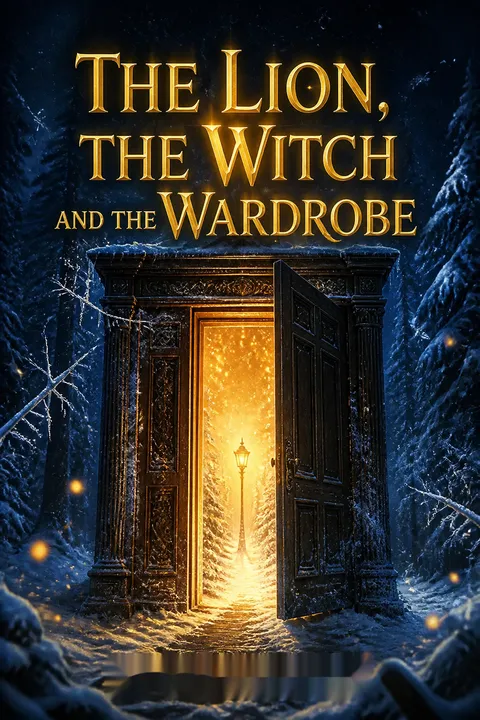
Resumen de la trama
Refugio de guerra en el campo
Durante la Segunda Guerra Mundial, los hermanos Peter, Susan, Edmund y Lucy son enviados al campo para escapar de los bombardeos de Londres. Se alojan en la casa de un viejo profesor, donde descubren un misterioso armario. La casa es enorme y está llena de secretos, lo que despierta su curiosidad. En un día lluvioso, deciden explorar, lo que lleva al descubrimiento por parte de Lucy de un mundo mágico dentro del armario.
El descubrimiento encantado de Lucy
Lucy, la más joven, se topa con una tierra mágica llamada Narnia a través del armario. Allí conoce al señor Tumnus, un fauno que le habla de la Bruja Blanca, quien ha maldecido a Narnia con un invierno eterno. Lucy regresa para contárselo a sus hermanos, pero no le creen. Su descubrimiento prepara el escenario para la aventura que sigue, a medida que los hermanos se ven arrastrados a la lucha de Narnia contra la Bruja.
La traición de Edmund
Edmund sigue a Lucy al interior de Narnia, pero se encuentra con la Bruja Blanca, quien lo tienta con delicias turcas encantadas y promesas de poder. Ella lo manipula para que traicione a sus hermanos, tendiéndoles una trampa. Las acciones de Edmund generan tensión y desconfianza entre los hermanos, complicando su viaje y alineándolo con los siniestros planes de la Bruja.
La tentación de la Bruja Blanca
La Bruja Blanca utiliza el deseo de poder de Edmund para manipularlo, prometiéndole el trono si le trae a sus hermanos. Su hechizo sobre Narnia es fuerte, y utiliza el miedo y la tentación para mantener el control. El conflicto interno de Edmund crece a medida que se debate entre la lealtad a su familia y el atractivo de las promesas de la Bruja.
El regreso de Aslan
Aslan, el gran león y verdadero rey de Narnia, regresa, trayendo esperanza a la tierra. Su presencia señala el fin del reinado de la Bruja. Los hermanos, guiados por el señor y la señora Castor, buscan la ayuda de Aslan para salvar a Edmund y derrotar a la Bruja. El regreso de Aslan marca un punto de inflexión, movilizando a las criaturas de Narnia para luchar por la libertad.
La batalla por Narnia
Aslan lidera a los narnianos en una batalla contra las fuerzas de la Bruja Blanca. Peter demuestra su valentía y los hermanos se unen para luchar por la libertad de Narnia. La batalla es feroz, y el liderazgo de Aslan inspira coraje. La derrota de la Bruja es crucial para la liberación de Narnia, y el papel de los hermanos en la batalla consolida sus destinos como gobernantes de Narnia.
La Magia Profunda revelada
La Bruja invoca la Magia Profunda, reclamando la vida de Edmund por su condición de traidor. Aslan negocia con ella, revelando una magia aún más profunda que precede al conocimiento de la Bruja. Esta ley antigua permite la redención y el sacrificio, preparando el terreno para el acto supremo de desinterés de Aslan. La revelación de la Magia Profunda subraya los temas del sacrificio y la redención.
El sacrificio de Aslan
Aslan se ofrece en lugar de Edmund, permitiendo que la Bruja lo mate en la Mesa de Piedra. Su sacrificio es un momento crucial que simboliza el amor y la redención. Los hermanos y los narnianos lloran su pérdida, pero su muerte no es el final. El sacrificio de Aslan es un acto poderoso que finalmente conduce a la caída de la Bruja y a la salvación de Narnia.
El triunfo del bien
La resurrección de Aslan rompe el poder de la Bruja, y él guía a los narnianos hacia la victoria. Los hermanos son coronados reyes y reinas, cumpliendo la profecía. Narnia recupera la paz y la prosperidad. El triunfo del bien sobre el mal es completo, y el regreso de Aslan simboliza la esperanza y la renovación para la tierra y sus habitantes.
La coronación en Cair Paravel
Los hermanos son coronados en Cair Paravel, marcando el comienzo de su reinado como gobernantes de Narnia. Se convierten en líderes sabios y justos, trayendo la paz a la región. Sus aventuras en Narnia los transforman, y aprenden valiosas lecciones sobre el coraje, la lealtad y el sacrificio. La coronación es una celebración de su viaje y el cumplimiento de la profecía de Narnia.
Analysis
Temas eternos de coraje y redención"El león, la bruja y el armario" explora los temas del coraje, la redención y la batalla entre el bien y el mal. La historia enfatiza la importancia de la lealtad, el perdón y el crecimiento personal. El sacrificio y la resurrección de Aslan simbolizan la esperanza y el triunfo del amor sobre la tiranía. La narrativa anima a los lectores a creer en el poder de la redención y en la fuerza que se halla en la unión y el coraje. Los elementos alegóricos del libro, que reflejan temas cristianos, aportan profundidad a sus lecciones morales, convirtiéndolo en un relato atemporal de aventura y transformación.
Resumen de reseñas
El león, la bruja y el ropero es una entrañable novela de fantasía infantil que ha cautivado a lectores durante generaciones. Muchos críticos elogian su mundo mágico, sus personajes memorables y su alegoría cristiana. Aunque algunos critican su moralidad simplista y ciertos elementos anticuados, la mayoría valora el atractivo atemporal de la historia y su narrativa imaginativa. Los lectores suelen destacar la capacidad del libro para encantar tanto a niños como a adultos, y muchos recuerdan con cariño la experiencia de descubrir Narnia en su infancia. La duradera popularidad de la novela se atribuye a sus temas de valentía, sacrificio y el triunfo del bien sobre el mal.
También leyeron


Characters
Lucy Pevensie
Lucy es la menor de los hermanos Pevensie y la primera en descubrir Narnia. Su inocencia y honestidad la convierten en una figura clave de la historia. Entabla un fuerte vínculo con Aslan y demuestra un gran coraje a lo largo de la aventura. La fe de Lucy en Narnia, a pesar de la incredulidad inicial de sus hermanos, resalta su fuerza y determinación.
Edmund Pevensie
El viaje de Edmund es un camino de traición y redención. Influenciado al principio por las promesas de la Bruja Blanca, traiciona a sus hermanos, pero finalmente busca el perdón. El desarrollo de su personaje es fundamental para la historia, ya que aprende el valor de la lealtad y el coraje. La redención de Edmund es un testimonio del poder del perdón y del crecimiento personal.
Peter Pevensie
Como el hermano mayor, Peter asume el papel de líder. Es valiente y protector, y lidera la batalla contra la Bruja Blanca. Su evolución hasta convertirse en un rey sabio y justo es un aspecto clave de la historia. Su relación con Aslan y con sus hermanos se fortalece a medida que aprende las responsabilidades del liderazgo y la importancia de la unidad.
Susan Pevensie
Susan es la segunda hermana mayor y a menudo actúa como una figura maternal para los demás. Es práctica y cautelosa, aportando equilibrio a la dinámica del grupo. El viaje de Susan implica aprender a confiar en la magia de Narnia y en sus propias capacidades. Su crecimiento se define por la aceptación de las maravillas de Narnia y su papel como reina.
Aslan
Aslan es el verdadero rey de Narnia, y representa la esperanza y la redención. Su presencia inspira coraje y unidad entre los narnianos. El sacrificio y la resurrección de Aslan son fundamentales para los temas del amor y la redención en la historia. Es un símbolo de fuerza y sabiduría que guía a los hermanos y lidera la lucha contra la Bruja Blanca.
The White Witch (Jadis)
La Bruja Blanca es la antagonista, que gobierna Narnia mediante el miedo y la hechicería. Su invierno eterno simboliza su régimen opresivo. Manipula a Edmund y busca mantener su poder a toda costa. La derrota de la Bruja es indispensable para la liberación de Narnia, y su personaje encarna los temas de la tiranía y la influencia corruptora del poder.
Mr. Tumnus
El señor Tumnus es la primera criatura que Lucy encuentra en Narnia. Aunque inicialmente trabaja para la Bruja, se hace amigo de Lucy y la ayuda a escapar. Su conflicto interno y su posterior desafío a la Bruja resaltan el tema del coraje. La amabilidad y la valentía del señor Tumnus lo convierten en un personaje muy querido y en un aliado de los Pevensie.
Mr. Beaver
El señor Castor guía a los Pevensie hasta Aslan, desempeñando un papel crucial en su viaje. Su lealtad y su conocimiento de la historia de Narnia ofrecen un apoyo inestimable. El personaje del señor Castor representa el tema de la amistad y la importancia de rebelarse contra la tiranía. Su valentía y astucia son vitales para el éxito de los hermanos.
Mrs. Beaver
La señora Castor es una figura protectora y práctica que ayuda a los Pevensie a prepararse para su viaje. Su complicidad con el señor Castor ejemplifica el trabajo en equipo y la lealtad. El personaje de la señora Castor aporta calidez y humor a la historia, y su apoyo es esencial en la misión de los hermanos para derrotar a la Bruja.
Plot Devices
The Wardrobe
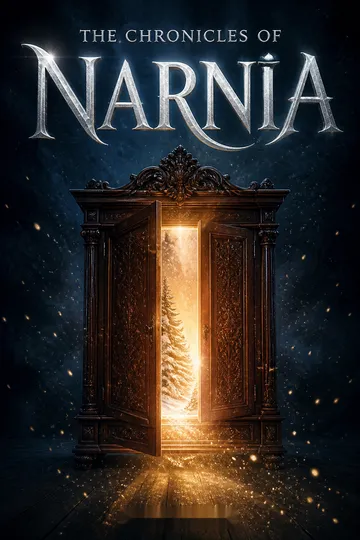
El armario sirve de portal entre el mundo real y Narnia. Simboliza la frontera entre la realidad y la fantasía, permitiendo a los hermanos adentrarse en un mundo de aventuras. El papel del armario como recurso argumental es fundamental, ya que da inicio a la historia y proporciona a los personajes el medio para regresar a Narnia.
The Deep Magic
La Magia Profunda representa las leyes fundamentales que rigen Narnia. Dicta las consecuencias de la traición y el derecho de la Bruja sobre Edmund. La revelación de una magia aún más profunda, desconocida para la Bruja, permite la resurrección de Aslan y el triunfo definitivo del bien. Este recurso argumental subraya los temas de la justicia, el sacrificio y la redención.
Aslan's Sacrifice
El sacrificio de Aslan es un recurso argumental clave que representa el desinterés y el poder del amor. Su disposición a morir en lugar de Edmund resalta los temas de la redención y el perdón en la historia. La resurrección de Aslan es un punto de inflexión que conduce a la derrota de la Bruja y a la liberación de Narnia. Este acto de sacrificio es fundamental para la resolución de la narrativa.
Preguntas frecuentes
Basic Details
What is The Lion, the Witch and the Wardrobe about?
- Children discover magical world: Four siblings, Peter, Susan, Edmund, and Lucy Pevensie, evacuate to a professor's house during WWII and discover a magical world called Narnia through a wardrobe.
- Narnia under evil rule: Narnia is under the tyrannical rule of the White Witch, who has plunged the land into an eternal winter, and the children become involved in the struggle against her.
- Prophecy and destiny: The children are drawn into a prophecy involving the return of Aslan, the great lion, and their roles as kings and queens to restore Narnia to its former glory.
Why should I read The Lion, the Witch and the Wardrobe?
- Classic fantasy adventure: It's a foundational work of fantasy literature, offering a captivating blend of adventure, magic, and mythical creatures.
- Exploration of good vs evil: The story delves into the timeless battle between good and evil, exploring themes of sacrifice, redemption, and the importance of courage and loyalty.
- Rich symbolism and allegory: The narrative is rich with symbolism and allegorical elements, inviting readers to explore deeper meanings and interpretations beyond the surface plot.
What is the background of The Lion, the Witch and the Wardrobe?
- World War II backdrop: The story is set against the backdrop of World War II, with the children being evacuated from London due to air raids, which provides a context for their displacement and search for refuge.
- Christian allegorical elements: C.S. Lewis, a Christian author, incorporates allegorical elements, with Aslan representing Christ, the White Witch representing evil, and the story reflecting themes of sacrifice and redemption.
- Inspiration from mythology and folklore: The book draws inspiration from various mythologies and folklore, including fauns, centaurs, and other mythical creatures, creating a rich and imaginative world.
What are the most memorable quotes in The Lion, the Witch and the Wardrobe?
- "Wrong will be right, when Aslan comes in sight": This quote, part of a rhyme, foreshadows Aslan's return and the restoration of Narnia, encapsulating the hope and prophecy central to the story.
- "Once a king or queen in Narnia, always a king or queen": This quote emphasizes the lasting impact of their experiences in Narnia and their eternal roles as rulers, highlighting the theme of destiny.
- "Safe?" said Mr. Beaver; "Who said anything about safe? 'Course he isn't safe. But he's good. He's the King, I tell you.": This quote reveals the complex nature of Aslan, emphasizing that true goodness doesn't always equate to safety, and highlights the awe and respect he commands.
What writing style, narrative choices, and literary techniques does C.S. Lewis use?
- Third-person omniscient narration: Lewis employs a third-person omniscient narrator, allowing him to provide insights into the thoughts and feelings of multiple characters, enhancing the reader's understanding of the story's complexities.
- Simple and accessible language: The writing style is straightforward and accessible, making the story engaging for both children and adults, while still conveying profound themes and ideas.
- Foreshadowing and symbolism: Lewis uses foreshadowing to hint at future events and employs rich symbolism, such as the eternal winter representing the Witch's evil reign, to add layers of meaning to the narrative.
Hidden Details & Subtle Connections
What are some minor details that add significant meaning?
- Mothballs in the wardrobe: The presence of mothballs in the wardrobe is a seemingly mundane detail, but it emphasizes the ordinary nature of the object, contrasting with the extraordinary world it conceals, and highlighting the magical transition.
- The robin's red breast: The robin with a red breast acts as a guide, leading the children to the Beavers, and its vibrant color symbolizes hope and guidance in the midst of the wintry landscape.
- The broken Stone Table: The cracking of the Stone Table after Aslan's sacrifice is a visual representation of the breaking of the Deep Magic and the triumph of a deeper, more powerful magic, signifying the reversal of death.
What are some subtle foreshadowing and callbacks?
- Edmund's Turkish Delight craving: Edmund's insatiable craving for Turkish Delight foreshadows his susceptibility to the White Witch's temptations and his betrayal of his siblings, highlighting his weakness.
- The mention of the four thrones: The recurring mention of the four thrones at Cair Paravel foreshadows the children's destiny as rulers of Narnia, emphasizing the importance of their roles in the prophecy.
- The Professor's logic: The Professor's emphasis on logic and the three possibilities (lying, madness, or truth) foreshadows the deeper, more complex magic at play in Narnia, and his acceptance of Lucy's story.
What are some unexpected character connections?
- The White Witch and Lilith: The revelation that the White Witch is not human but descended from Lilith, Adam's first wife, connects her to a deeper, more ancient evil, adding a layer of mythological depth to her character.
- Mr. Tumnus and his father: The picture of Mr. Tumnus's father in his cave serves as a reminder of his moral compass and the values he is betraying by serving the White Witch, highlighting his internal conflict.
- Giant Rumblebuffin and the Buffin family: The mention of Giant Rumblebuffin's respected family adds a layer of depth to the giants of Narnia, showing that not all giants are evil, and that there are good giants with traditions.
Who are the most significant supporting characters?
- Mr. and Mrs. Beaver: They provide crucial guidance and support to the children, offering them shelter, food, and information about Narnia, and their loyalty and resourcefulness are essential to the plot.
- Mr. Tumnus: His initial kindness to Lucy and his subsequent internal conflict highlight the struggle between good and evil, and his eventual defiance of the White Witch is a pivotal moment.
- Father Christmas: His appearance signifies the weakening of the White Witch's power and the hope of spring, and his gifts to the children are not just presents but tools for their journey.
Psychological, Emotional, & Relational Analysis
What are some unspoken motivations of the characters?
- Edmund's desire for recognition: Beyond the Turkish Delight, Edmund's betrayal stems from a deep-seated desire for recognition and power, feeling overlooked by his siblings, and wanting to be seen as important.
- Susan's fear of the unknown: Susan's initial reluctance to fully embrace Narnia stems from a fear of the unknown and a desire for safety and practicality, highlighting her struggle to accept the magical world.
- Peter's burden of responsibility: Peter's eagerness to take on the leadership role is driven by a sense of responsibility and a desire to protect his siblings, but also a need to prove himself as the eldest.
What psychological complexities do the characters exhibit?
- Lucy's unwavering faith: Lucy's unwavering faith in Narnia and Aslan, despite her siblings' disbelief, reveals her strong sense of intuition and her ability to see beyond the surface, highlighting her spiritual depth.
- Edmund's internal conflict: Edmund's internal struggle between his desire for power and his guilt over betraying his family showcases the complexities of human nature and the pull of temptation.
- Peter's self-doubt: Despite his bravery, Peter experiences moments of self-doubt and insecurity, particularly when faced with the responsibility of leading the battle, revealing his vulnerability.
What are the major emotional turning points?
- Lucy's initial rejection: Lucy's emotional distress when her siblings dismiss her Narnia story highlights the pain of disbelief and the importance of validation, and her determination to prove her truth.
- Edmund's realization of the Witch's cruelty: Edmund's growing discomfort and guilt as he witnesses the Witch's cruelty marks a turning point in his character arc, leading him towards redemption.
- The children's grief over Aslan's death: The children's profound grief and despair over Aslan's death underscores the depth of their love for him and the seeming hopelessness of their situation, making his resurrection all the more powerful.
How do relationship dynamics evolve?
- Sibling rivalry to unity: The initial sibling rivalry and mistrust, particularly between Edmund and the others, evolves into a strong bond of loyalty and unity as they face the challenges of Narnia together.
- The children and Aslan: The children's relationship with Aslan evolves from awe and reverence to a deep sense of love and trust, highlighting his role as a guide and protector.
- The Beavers and the children: The relationship between the Beavers and the children develops from a practical alliance to a warm and familial bond, showcasing the importance of friendship and loyalty.
Interpretation & Debate
Which parts of the story remain ambiguous or open-ended?
- Aslan's true nature: While Aslan is presented as a Christ-like figure, his exact nature and origins remain somewhat ambiguous, inviting readers to interpret his role and significance in different ways.
- The nature of the Deep Magic: The precise workings and origins of the Deep Magic and the Deeper Magic are not fully explained, leaving room for interpretation and speculation about the nature of good and evil.
- The children's return to the real world: The children's return to their own world and the nature of their memories of Narnia are left somewhat open-ended, suggesting that their experiences have a lasting impact on them.
What are some debatable, controversial scenes or moments in The Lion, the Witch and the Wardrobe?
- Aslan's sacrifice: Aslan's willingness to sacrifice himself in Edmund's place can be interpreted as both a powerful act of love and a controversial act of self-destruction, sparking debate about the nature of sacrifice.
- The Witch's claim to Edmund: The Witch's claim to Edmund based on the Deep Magic raises questions about the nature of justice and whether the law should always be followed, even when it seems unjust.
- The portrayal of gender roles: The story's portrayal of gender roles, with Susan being given a bow but told not to fight, can be seen as both a reflection of its time and a point of debate about the roles of women in fantasy literature.
The Lion, the Witch and the Wardrobe Ending Explained: How It Ends & What It Means
- The children's coronation: The coronation of the children as kings and queens signifies the restoration of Narnia and the fulfillment of prophecy, highlighting the themes of destiny and leadership.
- Aslan's departure: Aslan's quiet departure after the coronation emphasizes his wild and untamed nature, and his role as a guide rather than a constant presence, suggesting that the children must now rule on their own.
- The return through the wardrobe: The children's return to their own world through the wardrobe, and the Professor's advice, suggests that their experiences in Narnia are real and will continue to influence their lives, and that they will return to Narnia when the time is right.
Las Crónicas de Narnia (Orden Cronológico) Serie
Sobre el autor
Descargar PDF
Descargar EPUB
.epub digital book format is ideal for reading ebooks on phones, tablets, and e-readers.








































