Ideas clave
1. Psicología WEIRD: Un producto de la influencia de la Iglesia occidental
Las personas WEIRD son altamente individualistas, obsesionadas consigo mismas, orientadas al control, inconformistas y analíticas.
Peculiaridad psicológica. Las sociedades Occidentales, Educadas, Industrializadas, Ricas y Democráticas (WEIRD, por sus siglas en inglés) muestran una psicología distintiva que las diferencia de la mayor parte de la historia humana y de la mayoría de las culturas contemporáneas. Esta psicología se caracteriza por:
- Individualismo y enfoque en uno mismo
- Pensamiento analítico
- Prosocialidad impersonal
- Culpa en lugar de vergüenza
- Universalismo moral
Raíces históricas. Los orígenes de la psicología WEIRD se remontan a la influencia de la Iglesia occidental, especialmente durante la Edad Media. Las enseñanzas y políticas de la Iglesia transformaron gradualmente las estructuras y normas sociales europeas, generando un efecto en cascada sobre la psicología a lo largo de los siglos.
2. El programa matrimonial y familiar de la Iglesia remodeló el parentesco europeo
La Iglesia redujo drásticamente el poder del matrimonio como tecnología social y fuente de poder patriarcal al prohibir las uniones poligínicas, los matrimonios concertados y todos los matrimonios entre parientes consanguíneos y afines.
Transformación radical. El Programa Matrimonial y Familiar (PMF) de la Iglesia occidental desmanteló sistemáticamente las estructuras tradicionales de parentesco en Europa mediante una serie de prohibiciones y prescripciones:
- Prohibición de matrimonios entre primos (hasta sexto grado en cierto momento)
- Prohibición de la poligamia
- Desaliento de la adopción
- Promoción de la residencia neolocal
- Énfasis en el consentimiento individual para el matrimonio
Impacto a largo plazo. Estas políticas debilitaron los lazos familiares extensos, redujeron los matrimonios arreglados y promovieron el modelo de familia nuclear. Esta reestructuración del parentesco sentó las bases para estructuras sociales más individualistas e impersonales.
3. La disolución de las instituciones basadas en el parentesco condujo a la psicología WEIRD
Liberados de las obligaciones familiares y la interdependencia heredada, los individuos comenzaron a elegir a sus propios asociados — amigos, cónyuges, socios comerciales e incluso mecenas — y a construir sus propias redes relacionales.
Cambio psicológico. La ruptura de las instituciones intensivas basadas en el parentesco tuvo efectos profundos en la psicología europea:
- Aumento del individualismo y la autosuficiencia
- Mayor pensamiento analítico
- Confianza y justicia impersonales reforzadas
- Reducción de la conformidad y la obediencia a la tradición
Implicaciones sociales. Esta transformación psicológica facilitó la aparición de nuevas estructuras e instituciones sociales:
- Asociaciones voluntarias
- Mercados impersonales
- Gobernanza representativa
- Sistemas legales formalizados
4. La integración de mercados fomentó la prosocialidad impersonal
Las normas del mercado promueven una orientación activa y una visión de suma positiva, pero exigen sensibilidad hacia las intenciones y acciones de los demás.
Influencia económica. Una mayor integración de mercados en las sociedades se asocia con niveles más altos de prosocialidad impersonal:
- Mayor equidad hacia desconocidos
- Confianza reforzada en otros anónimos
- Adhesión más fuerte a principios morales universales
Evidencia experimental. Estudios transculturales con juegos económicos (por ejemplo, el Juego del Ultimátum, el Juego del Dictador) muestran que individuos de sociedades más integradas en mercados exhiben:
- Ofertas más generosas a socios anónimos
- Mayor disposición a castigar comportamientos injustos
- Incremento en la cooperación con extraños
Estos hallazgos sugieren que las normas del mercado moldean la psicología de manera que promueven el intercambio impersonal y la cooperación más allá de las redes de parentesco.
5. Las asociaciones voluntarias surgieron como alternativas a los grupos basados en el parentesco
Liberadas de las limitaciones y seguridades de las instituciones basadas en el parentesco, las personas buscaron nuevas relaciones voluntarias, asociaciones y comunidades.
Nuevas estructuras sociales. A medida que las instituciones basadas en el parentesco se debilitaban, los europeos formaron y se unieron cada vez más a asociaciones voluntarias:
- Gremios
- Órdenes religiosas
- Universidades
- Ciudades con carta
- Organizaciones mercantiles
Adaptación psicológica. Estas nuevas estructuras sociales requerían y reforzaban rasgos psicológicos diferentes:
- Mayor confianza en desconocidos
- Disposición a cooperar basada en intereses compartidos más que en parentesco
- Énfasis creciente en el mérito y logro individual
La proliferación de asociaciones voluntarias creó un ciclo de retroalimentación que promovió aún más la psicología e instituciones WEIRD.
6. Las guerras y la competencia moldearon la psicología e instituciones WEIRD
La guerra, al igual que los desastres naturales, también incrementa el compromiso religioso de las personas.
Impacto psicológico del conflicto. Las guerras y la competencia entre grupos tienen efectos significativos en la psicología:
- Mayor cooperación dentro del grupo
- Compromiso religioso reforzado
- Adhesión fortalecida a las normas sociales
Evolución institucional. En el contexto europeo, siglos de guerras contribuyeron al desarrollo de instituciones WEIRD:
- Asambleas representativas
- Ejércitos profesionales
- Sistemas de tributación
- Financiamiento de deuda pública
Competencia benigna. Las formas modernas de competencia intergrupal, como la rivalidad entre empresas, pueden producir efectos psicológicos similares sin los aspectos destructivos de la guerra:
- Aumento de la confianza impersonal
- Cooperación reforzada con extraños
- Promoción de normas e instituciones imparciales
7. La evolución cultural impulsó el desarrollo de las sociedades WEIRD
La evolución cultural puede generar tecnologías cada vez más sofisticadas, lenguajes complejos, rituales psicológicamente potentes, instituciones efectivas y protocolos intrincados para fabricar herramientas, casas, armas y embarcaciones.
Proceso acumulativo. El desarrollo de la psicología e instituciones WEIRD no fue diseñado ni planeado, sino que emergió a través de un proceso de evolución cultural:
- Normas e instituciones exitosas se difundieron mediante diversos mecanismos
- La competencia entre grupos favoreció arreglos sociales más efectivos
- Las adaptaciones psicológicas coevolucionaron con los cambios institucionales
Factores clave. Varios elementos contribuyeron a la trayectoria evolutiva única de las sociedades WEIRD:
- El Programa Matrimonial y Familiar de la Iglesia
- La creciente integración de mercados
- La proliferación de asociaciones voluntarias
- La persistente competencia intergrupal
Este proceso de evolución cultural, que operó durante siglos, transformó la psicología e instituciones europeas, conduciendo finalmente al surgimiento de las sociedades modernas WEIRD.
Resumen de reseñas
Las personas más EXTRAÑAS del mundo es alabado por su alcance ambicioso y su enfoque novedoso para explicar la psicología e instituciones únicas de la civilización occidental. La tesis de Henrich sobre cómo las políticas de la Iglesia Católica moldearon la psicología europea se considera convincente, aunque algunos critican su manejo de los datos y sus interpretaciones históricas. El libro es valorado por su enfoque interdisciplinario y su abundancia de información, pero también recibe críticas por su extensión y ocasional simplificación excesiva. Muchos críticos lo encuentran estimulante y capaz de cambiar paradigmas, a pesar de discrepar con ciertos argumentos específicos.
También leyeron








Preguntas frecuentes
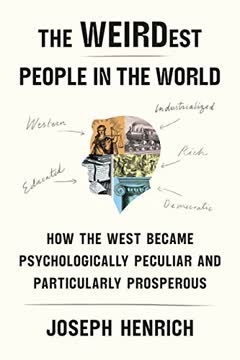
What's The Weirdest People in the World about?
- Exploration of WEIRD Societies: The book examines how Western societies, described as WEIRD (Western, Educated, Industrialized, Rich, and Democratic), have developed unique psychological traits that differ significantly from other cultures.
- Cultural Evolution Focus: It emphasizes the role of cultural evolution in shaping human psychology, particularly how institutions like the Church transformed family structures and social norms in Europe.
- Intergroup Competition: The author discusses how competition among groups influenced the development of social norms and institutions, leading to the peculiarities of modern Western societies.
Why should I read The Weirdest People in the World?
- Understanding Psychological Diversity: This book provides insights into the psychological differences between WEIRD populations and other cultures, helping readers appreciate the diversity of human experience.
- Cultural and Historical Context: It offers a historical perspective on how cultural practices and beliefs have evolved, particularly in relation to family and kinship, which is relevant for understanding contemporary social dynamics.
- Interdisciplinary Approach: The author, Joseph Henrich, integrates findings from anthropology, psychology, and economics, making it a rich resource for anyone interested in human behavior and societal development.
What are the key takeaways of The Weirdest People in the World?
- WEIRD Psychology is Unique: The book argues that WEIRD people are psychologically peculiar, exhibiting traits like individualism, analytical thinking, and a focus on personal attributes over social roles.
- Impact of the Church: Henrich details how the Catholic Church's marriage and family policies dismantled traditional kinship structures, leading to the formation of nuclear families and individualistic societies.
- Cultural Learning and Institutions: The text emphasizes that human psychology is shaped by cultural learning and the institutions that arise from it, which can either promote or hinder cooperation and social cohesion.
How does Joseph Henrich define WEIRD psychology?
- Individualism and Self-obsession: WEIRD psychology is characterized by a strong focus on individual attributes and personal achievements, often at the expense of social roles and relationships.
- Analytical Thinking: WEIRD individuals tend to engage in analytical thinking, breaking down complex phenomena into discrete parts, which can lead to a lack of holistic understanding.
- Emotional Responses: The book notes that WEIRD people often experience guilt rather than shame, reflecting a self-focused moral framework that differs from many non-WEIRD societies.
What role did the Catholic Church play in shaping WEIRD families?
- Dismantling Kinship Structures: The Church's marriage and family policies gradually eroded traditional kinship systems, promoting nuclear families and individual ownership over collective kinship ties.
- Prohibitions on Marriage: The Church imposed strict prohibitions on cousin marriage and polygamy, which altered the social fabric of European societies and reduced the power of extended families.
- Encouraging Neolocal Residence: By promoting the idea that newly married couples should establish independent households, the Church facilitated a shift away from communal living arrangements typical of kin-based societies.
How does The Weirdest People in the World explain psychological differences across cultures?
- Cultural Learning: The book posits that humans are culturally evolved to learn from others, which shapes their psychology and behavior in ways that vary significantly across different societies.
- Institutional Influence: It argues that the institutions people belong to—such as kinship systems, religious organizations, and economic structures—profoundly influence their psychological traits and social behaviors.
- Intergroup Competition: The author discusses how competition between groups can lead to the adoption of certain psychological traits that enhance cooperation and social cohesion within those groups.
What is the significance of the term "cultural evolution" in The Weirdest People in the World?
- Dynamic Process: Cultural evolution refers to the way cultural practices and beliefs change over time, influenced by social interactions, competition, and environmental factors.
- Impact on Psychology: The book illustrates how cultural evolution shapes human psychology, leading to the development of unique traits in different societies, particularly in WEIRD populations.
- Interconnectedness of Culture and Biology: Henrich emphasizes that cultural evolution is not separate from biological evolution; rather, they interact and influence each other, shaping human behavior and societal structures.
How does Joseph Henrich connect literacy to psychological changes in WEIRD societies?
- Neurological Changes: The book explains that acquiring literacy modifies brain structures, leading to changes in cognitive processes such as memory and visual perception.
- Cultural Impact: Literacy fosters individualism and analytical thinking, traits that are prevalent in WEIRD societies but less common in cultures with lower literacy rates.
- Social Norms: The author argues that the spread of literacy is linked to broader social changes, including the dissolution of kinship ties and the rise of individualistic values.
What are the implications of WEIRD psychology for understanding modern economic systems?
- Trust and Cooperation: The book suggests that the psychological traits associated with WEIRD populations, such as trust in strangers and adherence to impartial norms, facilitate the functioning of modern economic systems.
- Innovation and Growth: Henrich argues that the individualistic and analytical mindset prevalent in WEIRD societies promotes innovation and economic productivity, contributing to their prosperity.
- Cultural Adaptation: The text highlights that as societies become more integrated into the global economy, they may adopt WEIRD psychological traits, leading to shifts in social norms and economic behaviors.
How does The Weirdest People in the World address the concept of moral universalism?
- Definition of Moral Universalism: The book defines moral universalism as the belief that moral principles apply universally to all people, regardless of cultural or social context.
- Connection to Religion: It discusses how universalizing religions have promoted moral universalism, encouraging adherents to adopt ethical standards that transcend local customs and kinship ties.
- Impact on Social Behavior: The author argues that moral universalism fosters greater cooperation and trust among individuals from different backgrounds, which is essential for functioning in modern, diverse societies.
How does The Weirdest People in the World relate to economic behavior?
- Cultural influences on economics: The book discusses how cultural factors, such as kinship and religion, shape economic behaviors and institutions, influencing everything from trust to cooperation in trade.
- Market integration: Henrich explores the relationship between market participation and social behavior, suggesting that societies with higher levels of market integration tend to exhibit greater impersonal prosociality.
- Economic development: The author argues that understanding the cultural underpinnings of economic behavior is crucial for addressing issues of development and inequality in a global context.
What are the best quotes from The Weirdest People in the World and what do they mean?
- "Your brain has been modified, neurologically rewired as it acquired a skill that your society greatly values.": This quote highlights how cultural practices, such as literacy, can physically alter our brains and influence our psychological traits.
- "The Western conception of the person as a bounded, unique, more or less integrated motivational and cognitive universe... is a rather peculiar idea within the context of the world’s cultures.": This reflects the book's central thesis that the individualistic self-concept prevalent in WEIRD societies is not universal but rather a cultural construct.
- "Culture can and does alter our brains, hormones, and anatomy, along with our perceptions, motivations, personalities, emotions, and many other aspects of our minds.": This emphasizes the profound impact of culture on human biology and psychology, suggesting that our mental processes are not solely determined by genetics.