Ideas clave
1. Reconoce y Navega Tu Dolor
"Nada nos prepara para esas pérdidas enormes y dolorosas que destrozan nuestro mundo."
Reconocer la pérdida y su impacto. La pérdida se presenta de muchas formas: muerte, enfermedad, ruptura de relaciones, pérdida de empleo; y desencadena respuestas emocionales intensas. Nuestras reacciones son normales e incluyen shock, tristeza, ira, miedo y ansiedad. El sistema nervioso responde con mecanismos de lucha, huida o congelación diseñados para protegernos de amenazas percibidas.
Etapas emocionales del duelo. La pérdida suele implicar etapas como negación, ira, negociación, depresión y aceptación. Estas etapas no son lineales sino fluidas, con emociones que van y vienen. Comprender estas fases ayuda a normalizar el complejo viaje emocional del duelo.
Enfoque holístico para sanar. Sanar no significa eliminar el dolor, sino aprender a navegarlo con eficacia. Esto implica:
- Reconocer tus emociones
- Permitirte sentir sin juzgar
- Practicar la autocompasión
- Enfocarte en lo que está bajo tu control
2. Practica la Autocompasión
"Dejar de luchar contra nuestros pensamientos y sentimientos es un acto de bondad hacia nosotros mismos."
Entendiendo la autocompasión. La autocompasión significa reconocer tu dolor y responder con amabilidad. No se trata de autocompasión ni de pensamiento positivo, sino de tratarte con el mismo cuidado y comprensión que ofrecerías a un buen amigo en dificultades.
Rompiendo el diálogo interno negativo. La mayoría somos duros con nosotros mismos en momentos difíciles, usando voces críticas que minan la sanación. La autocompasión implica:
- Reconocer pensamientos dolorosos
- Hablarte con suavidad
- Reconocer el sufrimiento como experiencia humana universal
- Sostenerte con amabilidad
Técnicas prácticas de autocompasión. Desarrolla la autocompasión mediante:
- Diálogo interno amable
- Gestos físicos suaves
- Reconocimiento consciente de los sentimientos
- Tratarte con comprensión
3. Deja de Luchar Contra las Emociones Difíciles
"Cuando solo tenemos dos opciones para responder a pensamientos y sentimientos difíciles—controlar o ser controlados—la vida se vuelve agotadora."
Entendiendo la lucha emocional. La mayoría intenta controlar o eliminar emociones dolorosas, lo que paradójicamente aumenta el sufrimiento. La alternativa es hacer espacio para las emociones sin dejarse abrumar por ellas.
La tercera vía para responder. En lugar de pelear contra las emociones o dejar que te controlen, aprende a:
- Reconocer las emociones sin juzgar
- Permitir que existan sin resistencia
- Reconocer que son experiencias temporales
- Enfocarte en acciones significativas
La atención plena como herramienta. La atención plena ayuda a:
- Crear espacio entre tú y tus emociones
- Reducir la reactividad emocional
- Aumentar la conciencia
- Responder con intención
4. Usa la Atención Plena para Anclarte
"Los anclajes no controlan las tormentas, mantienen el barco firme mientras la tormenta pasa."
Práctica de soltar el ancla. Anclar la atención plena implica tres pasos clave:
- Reconocer tus pensamientos y sentimientos
- Conectarte con tu cuerpo
- Involucrarte en el momento presente
Beneficios de anclarte. Esta técnica ayuda a:
- Recuperar el control sobre las acciones físicas
- Reducir el impacto de pensamientos difíciles
- Interrumpir la rumiación y el pensamiento obsesivo
- Reenfocar la atención en actividades significativas
Aplicación práctica. Usa el anclaje:
- Durante tormentas emocionales
- Cuando te cuesta concentrarte
- Para interrumpir conductas problemáticas
- Para crear momentos de calma
5. Comprende el Propósito de Tus Emociones
"Nuestras emociones son básicamente mensajeras que vienen con información importante, tratando de ayudarnos."
Funciones emocionales. Las emociones cumplen tres propósitos principales:
- Comunicar: Señalar información importante
- Motivar: Prepararnos para la acción
- Iluminar: Resaltar lo que nos importa
Sabiduría emocional. Las emociones ofrecen valiosas percepciones cuando:
- Las escuchamos sin juzgar
- Reconocemos su intención protectora
- Entendemos sus mensajes subyacentes
- Las usamos como guías, no como obstáculos
Conectando con las emociones. Desarrolla inteligencia emocional al:
- Reconocer las emociones
- Explorar sus mensajes subyacentes
- Usarlas como fuentes de información
- Responder con reflexión
6. Desengancha de Pensamientos Poco Útiles
"No podemos evitar que nuestra mente nos cuente historias, pero sí podemos aprender a atraparlas en el acto."
Entendiendo los patrones de pensamiento. Nuestra mente genera constantemente historias que pueden no ser útiles. Estos pensamientos suelen buscar protegernos, pero pueden crear sufrimiento innecesario.
Técnicas para desengancharse. Desarrolla habilidades para:
- Notar cuándo los pensamientos no ayudan
- Nombrar y etiquetar patrones mentales
- Crear distancia de narrativas persistentes
- Reconocer los pensamientos como construcciones mentales
Estrategias prácticas. Usa métodos como:
- Observación consciente
- Nombrar pensamientos
- Agradecer a tu mente
- Neutralizar narrativas persistentes
7. Reconstruye Tu Vida a Través de los Valores
"Los valores son como una brújula interna que te guía en el sinuoso camino de la vida."
Definiendo los valores. Los valores son intenciones profundas sobre cómo queremos comportarnos, no metas específicas. Proveen dirección y motivación en tiempos difíciles.
Identificando valores personales. Descubre tus valores al:
- Reflexionar sobre momentos significativos
- Explorar lo que realmente importa
- Reconocer cualidades que admiras
- Conectarte con tu yo auténtico
Traduciendo valores en acción. Aplica los valores:
- Eligiendo pasos pequeños y significativos
- Enfocándote en un área de vida a la vez
- Alineando consistentemente acciones con valores
- Celebrando el progreso incremental
8. Toma Pequeñas Acciones Significativas
"Incluso las acciones más pequeñas cuentan más que cientos de horas pensando."
El poder del cambio incremental. Reconstruir tras la pérdida ocurre mediante acciones pequeñas y constantes. Divide los desafíos complejos en pasos manejables.
Enfoque orientado a la acción. Concéntrate en:
- Identificar acciones bajo tu control
- Comenzar con el mínimo esfuerzo
- Construir impulso gradualmente
- Celebrar pequeñas victorias
Implementación práctica. Crea cambio al:
- Establecer expectativas realistas
- Elegir acciones específicas y alcanzables
- Mantener flexibilidad
- Practicar autocompasión ante retrocesos
9. Perdónate a Ti y a los Demás
"Perdonar es devolverte a ti mismo lo que la vida era antes de que el resentimiento se apoderara."
Redefiniendo el perdón. Perdonar no es justificar acciones, sino liberarte del sufrimiento continuo.
Proceso de perdón. Practica el perdón mediante:
- Reconocer el dolor
- Soltar el resentimiento
- Hacer reparaciones cuando sea posible
- Enfocarte en el crecimiento personal
Estrategias para sanar. Apoya el perdón al:
- Practicar la autocompasión
- Entender experiencias humanas compartidas
- Enfocarte en valores personales
- Crear contribuciones significativas
10. Aprecia los Momentos Preciosos de la Vida
"Nunca sabemos cuánto tiempo nos queda, por eso debemos aprovechar al máximo el tiempo que tenemos."
Cultivando la gratitud. Desarrolla la gratitud al:
- Notar los milagros cotidianos
- Practicar la conciencia plena
- Saborear las pequeñas experiencias
- Reconocer el privilegio inherente a la vida
Compromiso consciente. Crea experiencias más plenas al:
- Estar completamente presente
- Involucrarte con curiosidad
- Reducir comportamientos automáticos
- Conectarte profundamente con el entorno
Perspectiva transformadora. Cambia de escasez a abundancia al:
- Apreciar tus capacidades actuales
- Reconocer la complejidad de la vida
- Abrazar la imperfección
- Encontrar sentido en los desafíos
11. Rompe Hábitos Destructivos
"Quien dijo 'la práctica hace al maestro' estaba equivocado. La perfección no existe."
Marco para cambiar hábitos. Desarrolla un cambio efectivo de hábitos mediante:
- Entender comportamientos actuales
- Identificar desencadenantes
- Reconocer beneficios y costos
- Crear respuestas alternativas
Transformación sostenible. Apoya el cambio de hábitos al:
- Empezar pequeño
- Usar el diseño ambiental
- Registrar el progreso
- Practicar la autocompasión
Estrategias para el éxito a largo plazo. Mantén el impulso al:
- No fallar dos veces seguidas
- Enfocarte en la identidad
- Celebrar mejoras incrementales
- Mantener expectativas flexibles
Resumen de reseñas
Cuando la vida golpea con fuerza ha recibido elogios por su enfoque práctico para enfrentar el duelo mediante la Terapia de Aceptación y Compromiso (ACT). Los lectores valoran el tono realista y compasivo del autor, libre de positivismo tóxico. El libro ofrece estrategias útiles, ejercicios y metáforas que facilitan transitar por momentos difíciles. Se considera accesible, basado en evidencia y aplicable a diversos desafíos de la vida más allá del duelo. Aunque la mayoría de las críticas son abrumadoramente positivas, un reseñista encontró el tono condescendiente. En general, los lectores consideran que el libro es de gran ayuda para desarrollar habilidades que permitan sobrellevar las adversidades.
Preguntas frecuentes
What's "When Life Hits Hard" about?
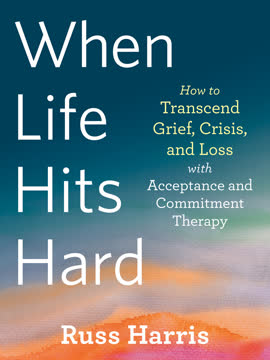
- Overview: "When Life Hits Hard" by Russ Harris is a guide to navigating grief, crisis, and loss using Acceptance and Commitment Therapy (ACT). It offers practical tools and strategies to help individuals embrace their pain and rebuild their lives.
- Purpose: The book aims to provide readers with a pathway to cope with life's hardships by integrating evidence-based psychological techniques into everyday life.
- Structure: It is divided into three parts: Regroup, Rebuild, and Revitalize, each focusing on different stages of dealing with loss and finding meaning.
- Target Audience: It is intended for anyone experiencing significant loss or crisis, as well as therapists and clinicians who support such individuals.
Why should I read "When Life Hits Hard"?
- Practical Tools: The book offers actionable strategies and exercises to help manage and transcend grief and loss.
- Evidence-Based Approach: It uses Acceptance and Commitment Therapy (ACT), a well-researched psychological approach, to provide effective coping mechanisms.
- Empathy and Understanding: Russ Harris writes with compassion and empathy, making complex psychological concepts accessible and relatable.
- Personal Growth: It encourages readers to find meaning and purpose in life despite adversity, promoting personal growth and resilience.
What are the key takeaways of "When Life Hits Hard"?
- Acceptance and Commitment Therapy (ACT): The book emphasizes using ACT to accept painful emotions and commit to actions that align with personal values.
- Mindfulness and Self-Compassion: It highlights the importance of being present and treating oneself with kindness during difficult times.
- Values-Driven Life: Readers are encouraged to identify and live by their core values to find meaning and fulfillment.
- Practical Exercises: The book provides numerous exercises to help readers apply the concepts in real life, such as "dropping anchor" and "making room" for emotions.
How does Acceptance and Commitment Therapy (ACT) work in "When Life Hits Hard"?
- Core Principles: ACT focuses on accepting emotions, committing to personal values, and taking action despite difficulties.
- Mindfulness: It encourages being present and aware of thoughts and feelings without judgment.
- Values Identification: Readers are guided to identify their core values and use them as a compass for decision-making and action.
- Behavioral Change: ACT promotes taking small, meaningful actions aligned with values to improve life quality and resilience.
What is the "dropping anchor" technique in "When Life Hits Hard"?
- Purpose: The "dropping anchor" technique is designed to help individuals stay grounded during emotional storms.
- Steps Involved: It involves acknowledging thoughts and feelings, connecting with the body, and engaging in the present moment.
- Benefits: This technique helps reduce the impact of distressing thoughts and emotions, allowing for more effective action.
- Application: It can be practiced anytime and anywhere, making it a versatile tool for managing stress and anxiety.
How does "When Life Hits Hard" suggest dealing with painful memories?
- Acknowledgment and Allowance: The book advises acknowledging painful memories and allowing them to be present without resistance.
- Grieving Practices: It suggests creating rituals or practices to honor and process grief, such as visiting a loved one's grave or journaling.
- Giving Support Exercises: Readers are encouraged to imagine giving support to their past selves during difficult times, fostering self-compassion.
- Mindfulness Techniques: Techniques like "dropping anchor" and "making room" are recommended to manage the emotional impact of memories.
What role do values play in "When Life Hits Hard"?
- Guiding Compass: Values act as a guiding compass for behavior and decision-making, especially during challenging times.
- Values Identification: The book helps readers identify their core values, which are personal qualities they wish to embody.
- Values vs. Goals: It distinguishes between values (how one wants to behave) and goals (what one wants to achieve).
- Living by Values: Readers are encouraged to align their actions with their values to create a meaningful and fulfilling life.
What are some of the best quotes from "When Life Hits Hard" and what do they mean?
- "Dropping anchor holds the boat steady while the storm comes and goes in its own good time." This quote illustrates the importance of staying grounded and present during emotional turmoil.
- "You can’t cross the sea merely by standing and staring at the water." It emphasizes the need for action and engagement in life, even when facing challenges.
- "The deeper that sorrow carves into your being, the more joy you can contain." This reflects the idea that experiencing deep sorrow can enhance one's capacity for joy and appreciation.
- "Little by little does the trick." It highlights the value of taking small, consistent steps toward change and healing.
How does "When Life Hits Hard" address self-compassion?
- Acknowledging Pain: The book encourages acknowledging one's pain and responding with kindness and understanding.
- Kind Self-Talk: It suggests using compassionate language towards oneself, similar to how one would speak to a friend in need.
- Exercises: The "kind hand" exercise is one of the methods used to foster self-compassion by physically comforting oneself.
- Importance: Self-compassion is portrayed as essential for healing and resilience, helping individuals cope with loss and adversity.
What is the "challenge formula" in "When Life Hits Hard"?
- Three Options: The challenge formula presents three options when facing difficulties: leave the situation, stay and live by values, or stay and make things worse.
- Values-Driven Action: It encourages choosing actions aligned with personal values to improve situations and cope with pain.
- Willingness: The formula emphasizes the importance of willingness to face challenges and take meaningful action.
- Empowerment: It empowers individuals by highlighting their choices and encouraging proactive, value-driven responses to adversity.
How does "When Life Hits Hard" suggest breaking bad habits?
- Identify Triggers: The book advises identifying triggers that lead to self-defeating behaviors.
- Understand Payoffs and Costs: It encourages understanding the payoffs and costs of bad habits to gain insight into why they persist.
- Alternative Actions: Readers are guided to identify values-based alternative actions to replace bad habits.
- Use of ACT Skills: The book recommends using ACT skills like mindfulness and self-compassion to support behavior change.
What resources does "When Life Hits Hard" offer for further support?
- Free E-Book: The book provides access to a free e-book, "When Life Hits Hard: Extra Bits," with additional resources and audio recordings.
- Other Books by Russ Harris: It mentions other works by the author, such as "The Happiness Trap" and "ACT with Love," for further reading.
- Online Programs: The book references online self-help programs and ACT training for those seeking more structured guidance.
- Community Support: It suggests joining Facebook groups for personal growth and professional development in ACT.