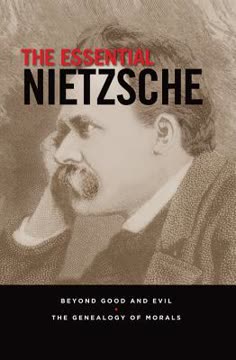
نکات کلیدی
۱. حقایق فلسفی اغلب پوششی برای اعترافات شخصیاند
به تدریج برایم روشن شده است که هر فلسفهی بزرگ تاکنون چه بوده است: اعترافی شخصی از نویسندهاش و نوعی خاطرات ناخودآگاه و ناخواسته؛ همچنین اینکه نیات اخلاقی (یا غیراخلاقی) در هر فلسفه، بذر زندهای است که هر بار از آن کل گیاه فلسفی رشد کرده است.
نظامهای فلسفی به مثابه خودآشکاری. نیچه بر این باور است که نظامهای فلسفی حقیقتی عینی نیستند، بلکه اعترافات و خاطرات شخصی خالقانشاناند. نیات اخلاقی فیلسوف، «بذر زنده»ای است که کل فلسفهاش از آن رشد میکند. برای درک ادعاهای متافیزیکی یک فیلسوف، باید ابتدا پرسید: «این فلسفه (یا خود فیلسوف) به کدام اخلاق گرایش دارد؟»
انگیزههای پشت فلسفه. نیچه ایدهی «میل به دانش» را به عنوان محرک اصلی فلسفه رد میکند. او معتقد است که انگیزههای دیگری مانند اراده به قدرت، دانش را به عنوان ابزاری به کار میگیرند. با بررسی انگیزههای بنیادین انسانی میتوان نیات و مقاصد پنهان پشت نظامهای فلسفی را کشف کرد.
فیلسوفان در برابر دانشمندان. نیچه میان فیلسوفان و دانشمندان تمایز قائل میشود و میگوید دانشمندان ممکن است واقعاً «میل به دانش» داشته باشند، اما منافع شخصیشان اغلب در جای دیگری است. در مقابل، اخلاق فیلسوف گواهی قاطع بر هویت او و ترتیب اهمیت انگیزههای درونیاش است.
۲. اخلاق ابزاری برای قدرت است، نه هدفی در خود
هر انگیزهای به دنبال تسلط است و به همین دلیل تلاش میکند فلسفهورزی کند.
اخلاق به مثابه بازی قدرت. نیچه اخلاق را نه به عنوان معیار عینی درست و نادرست، بلکه ابزاری میداند که انگیزهها و گروههای مختلف برای اثبات برتری خود به کار میبرند. هر انگیزه میکوشد خود را هدف نهایی وجود و ارباب مشروع دیگر انگیزهها نشان دهد. این دیدگاه، تصور سنتی اخلاق به عنوان جستجوی بیطرفانهی خیر را به چالش میکشد.
اراده به قدرت. نیچه اراده به قدرت را انگیزهی بنیادین رفتار انسانی، از جمله اخلاق، میداند. هر انگیزهای به دنبال تسلط است و در نتیجه تلاش میکند فلسفهورزی کند و ارزشهای خود را بر دیگران تحمیل نماید. این دیدگاه، اخلاق را از جستجوی بیطرفانهی خیر جدا میکند.
رواقیگری به مثابه خودتیرانی. نیچه نقد میکند که دستور رواقیان به «زندگی مطابق با طبیعت» در واقع فریبی کلامی است. زندگی کردن یعنی خواستن تفاوت با طبیعتی که بیتفاوت، ناعادلانه و محدود است. رواقیان در واقع میخواهند اخلاق خود را بر طبیعت تحمیل کنند و از آن بخواهند مطابق تصویر خود از وجود باشد.
۳. ارزش حقیقت پرسشی خطرناک و بیپاسخ است
فرض کنیم حقیقت را میخواهیم؛ چرا به جای آن کذب، عدم قطعیت یا حتی جهل را نخواهیم؟
پرسش از اراده به حقیقت. نیچه فرض فلسفی سنتی که حقیقت ذاتاً ارزشمند است را به چالش میکشد. او میپرسد چرا باید حقیقت را بر کذب، عدم قطعیت یا جهل ترجیح دهیم. این پرسش درباره ارزش حقیقت، محور اصلی فلسفه نیچه است.
حقیقت به مثابه شرط زندگی. نیچه پیشنهاد میکند که کذب ممکن است شرط زندگی باشد و استدلال میکند که نادرستترین قضاوتها اغلب برای ما ضروریتریناند. بدون ساختن داستانهای منطقی و تحریف مداوم جهان، انسان نمیتوانست زندگی کند. این دیدگاه ارزشهای عاطفی رایج را به چالش میکشد و فلسفه نیچه را فراتر از خیر و شر قرار میدهد.
ظاهر در برابر حقیقت. نیچه مخالفت بنیادین میان «حقیقت» و «کذب» را زیر سؤال میبرد و میگوید ممکن است کافی باشد که مراحل ظاهر و درجات مختلف ظاهر را فرض کنیم. حتی احتمال میدهد که دنیایی که ما را به خود مشغول کرده، داستانی بیش نباشد و بدین ترتیب ایمان فلسفی سنتی به دستور زبان و سوژه را به چالش میکشد.
۴. اخلاق ارباب و برده تاریخ بشر را رقم میزند
حقیقتاً اوضاع کاملاً متفاوت است: وقتی با شادی ادعا میکنید قانون خود را از طبیعت میخوانید، در واقع برعکس آن را میخواهید، ای بازیگران عجیب و خودفریب!
دو اخلاق بنیادین. نیچه دو نوع اخلاق اساسی را معرفی میکند: اخلاق ارباب و اخلاق برده. اخلاق ارباب از نوعی برتریطلبی ناشی میشود که ارزشهای خود را تأیید میکند و خود را «خوب» در برابر صفات «بد» تحت سلطه میداند. اخلاق برده اما از ستمدیدگان برمیخیزد و ارزشهایی چون شفقت، تواضع و انکار خود را برجسته میکند.
بازارشی ارزشها. انقلاب برده در اخلاق زمانی آغاز میشود که رنجش (رسانتیمنت) خلاق میشود و ارزشها را میآفریند. اخلاق برده به «نه» گفتن به «خارج»، «دیگری» و «غیرخود» میپردازد و این «نه» عمل خلاقانهاش است. این بازارشی ارزشها ویژگی کلیدی اخلاق برده است.
نجیبزادگان در برابر رنجشخوردگان. انسان نجیب خود را تعیینکننده ارزش میداند و نیازی به تأیید ندارد. در مقابل، انسان رنجشخورده نه راستقامت است و نه سادهلوح، و روحش کجچشم است. این تفاوت بنیادین در نگرش، ارزشگذاری اخلاقی آنها را شکل میدهد.
۵. ایدهآل زاهدانه: نیرویی زندگیستیز که در لباس فضیلت ظاهر میشود
قربانی کردن خدا برای نیستی—این راز پارادوکسیکال بیرحمی نهایی برای نسلی است که اکنون در حال ظهور است: همهی ما اندکی از آن میدانیم.
زهد به مثابه اراده به نیستی. نیچه ایدهآل زاهدانه را ارادهای به نیستی میداند، ارادهای مخالف زندگی که بنیادیترین پیشفرضهای وجود را رد میکند. این ایدهآل که با نفرت از انسان، حیوان و ماده شناخته میشود، به انکار حواس، عقل و خود اراده میپردازد.
کشیش زاهد. کشیش زاهد جهتدهنده رنجش است که از غرایز بد همهی رنجکشیدگان برای خودانضباطی و خودفزایی بهره میبرد. این کشیش که اغلب خود بیمار است، از دین برای پخش نور خورشید بر مردمی که همیشه در عذاباند استفاده میکند تا آنها را در نظر خود قابل تحمل سازد.
نردبان بیرحمی دینی. نیچه نردبانی بزرگ از بیرحمی دینی ترسیم میکند که با قربانی کردن انسانها به خدای خود آغاز میشود، سپس قربانی غرایز قویتر و در نهایت قربانی خود خدا برای نیستی. این راز پارادوکسیکال بیرحمی نهایی برای نسلی است که اکنون در حال ظهور است.
۶. وجدان بد: بیرحمترین اختراع بشریت
بازگرداندن انسان به طبیعت؛ تسلط بر تفسیرها و معانی بیهوده و پرشوری که تاکنون بر آن متن بنیادی ابدی «انسان طبیعت» نوشته و نقاشی شده است.
درونسازی غرایز. وجدان بد از درونسازی غرایزی ناشی میشود که دیگر اجازه بروز بیرونی ندارند. این فرایند که به نیاز دولت برای رام و کنترل شهروندان برمیگردد، انسان را علیه خود میشوراند.
گناه در برابر خدا. احساس گناه در برابر خدا به ابزاری برای شکنجه بدل میشود، جایی که انسان خود را بدون امکان کفاره مجازاتشده تصور میکند. این منجر به راز پارادوکسیکال بیرحمی نهایی میشود که خدا خود را برای گناه بشریت قربانی میکند.
بیگناهی شدن. نیچه مفهوم «اراده آزاد نبودن» را رد میکند که آن را سوءاستفاده از علت و معلول میداند. او استدلال میکند که علت و معلول باید فقط به عنوان مفاهیم محض به کار روند، نه به عنوان موجودیتهای عینی. در «خود-خود»، چیزی به نام «روابط علّی»، «ضرورت» یا «عدم آزادی روانی» وجود ندارد.
۷. فراتر از خیر و شر: فراخوانی برای ارزشها و نجیبزادگان نوین
تأثیر گزینشی و پرورشدهندهای که میتوان با کمک ادیان اعمال کرد، که همواره به اندازهی تخریبکننده بودن، خلاق و شکلدهنده نیز هست، بسته به نوع مردمی که تحت نفوذ و حمایت آن قرار میگیرند، بسیار متنوع و متفاوت است.
فیلسوف به مثابه پرورشدهنده. نیچه فیلسوف را کسی میداند که دین را برای کارهای پرورش و آموزش به کار میگیرد، همانطور که شرایط سیاسی و اقتصادی را به کار میبرد. این فیلسوف تأثیری گزینشی و پرورشدهنده خواهد داشت که هم به اندازه تخریب، خلاق و شکلدهنده است.
روح آزاد. فیلسوفان آینده روحهایی آزاد، بسیار آزاد خواهند بود، اما صرفاً روح آزاد نخواهند بود. آنها چیزی بیشتر، بالاتر، بزرگتر و اساساً متفاوت خواهند بود. این فیلسوفان در بسیاری از سرزمینهای روحی خانه خواهند داشت و همواره از گوشههای کهنه و دلگیر که به نظر میرسد به آنها تبعید شدهاند، فرار خواهند کرد.
نجیبزادگان نوین. نیچه خواستار گونهای نوین از فیلسوفان است که وسوسهگرند، کسانی که همه ارزشها را به پرسش میکشند و وضع موجود را به چالش میکشند. این فیلسوفان روحهای آزادی خواهند بود که دگماتیست نیستند، به دنبال تحمیل حقایق خود بر دیگران نیستند و آمادهاند خطر «شاید» را بپذیرند.
خلاصه نقدها
کتابهای «فراتر از نیک و بد» و «تبارشناسی اخلاق» با نظرات متفاوتی مواجه شدهاند. بسیاری از اندیشههای عمیق و سبک ادبی نیچه، بهویژه در زبان آلمانی، تمجید میکنند. خوانندگان از نقدهای او دربارهی دین، اخلاق و فلسفه استقبال میکنند. با این حال، برخی اثر را دشوار، پیچیده و گاه گیجکننده میدانند. منتقدان به دیدگاههای منسوخ او، بهویژه در زمینهی زنان و نژاد، اشاره میکنند. سبک افوریستی و زبان شاعرانهی کتاب هم مورد تحسین و هم نقد قرار گرفته است. در مجموع، خوانندگان اهمیت این آثار را در فلسفهی غرب بهرغم اختلاف نظر در برخی ایدهها به رسمیت میشناسند.
دیگران نیز خواندهاند





سؤالات متداول
1. What is Beyond Good and Evil and The Genealogy of Morals by Friedrich Nietzsche about?
- Philosophical critique of morality: The book challenges traditional notions of morality, truth, and philosophy by tracing the historical and psychological origins of concepts like "good," "evil," "guilt," and "conscience."
- Genealogical method: Nietzsche uses a genealogical approach to show how moral values evolved from social power struggles, ressentiment, and cultural shifts rather than from objective truths.
- Critique of ascetic ideals: He examines the role of asceticism and religious values in shaping Western thought, arguing that they often suppress life-affirming instincts.
- Will to power and suffering: The works introduce the "will to power" as a fundamental force in life and explore the necessity of suffering for growth and creativity.
2. Why should I read Beyond Good and Evil and The Genealogy of Morals by Friedrich Nietzsche?
- Foundational philosophical work: These texts represent Nietzsche’s mature philosophy and are essential for understanding his critique of morality, culture, and the origins of values.
- Insight into morality’s origins: The books reveal how moral values are shaped by social, psychological, and power dynamics, challenging readers to rethink ethics and human nature.
- Influence on modern thought: Nietzsche’s ideas have profoundly impacted philosophy, psychology, and cultural criticism, making these works crucial for anyone interested in these fields.
- Invitation to self-examination: Readers are encouraged to critically examine inherited beliefs and consider the creation of new, life-affirming values.
3. What are the key takeaways from Beyond Good and Evil and The Genealogy of Morals by Friedrich Nietzsche?
- Morality is historically contingent: Moral values are not absolute but arise from social power relations and psychological drives like ressentiment.
- Critique of traditional morality: Nietzsche challenges the value of altruism, compassion, and asceticism, seeing them as life-denying forces.
- Will to power as fundamental: Life and morality are expressions of the will to power, a striving for dominance and self-overcoming.
- Call for new values: He urges the creation of new values beyond good and evil, affirming life, strength, and individuality.
4. What is Nietzsche’s genealogical method in Beyond Good and Evil and The Genealogy of Morals?
- Historical and psychological tracing: Nietzsche investigates the origins of moral concepts by examining their development through history and psychology, rather than accepting them as given.
- Uncovering hidden motives: The method reveals how values like "good" and "evil" are rooted in power struggles, social hierarchies, and psychological needs.
- Critique of objectivity: Nietzsche argues that what is considered objective truth is often a product of perspective and serves particular interests.
- Tool for reevaluation: The genealogical method is used to challenge and potentially overturn accepted moral values.
5. How does Nietzsche define and contrast "master morality" and "slave morality" in On the Genealogy of Morals?
- Master morality: Originates from the noble and powerful, defining "good" as strength, nobility, and life-affirmation, and "bad" as weakness or lowliness.
- Slave morality: Emerges from the oppressed, who invert master values by labeling the powerful as "evil" and themselves as "good," emphasizing humility and compassion.
- Moral inversion and ressentiment: Slave morality is driven by resentment and a desire for revenge, creating a value system that condemns strength and celebrates weakness.
- Social and psychological function: Both moralities serve to shape human relations and self-understanding within their respective social contexts.
6. What is Nietzsche’s concept of "ressentiment" and its role in morality in The Genealogy of Morals?
- Definition of ressentiment: Ressentiment is a deep-seated resentment and reactive hostility of the weak or oppressed toward their oppressors, who are perceived as "evil."
- Creative force of slave morality: This feeling leads to the creation of slave morality, which inverts the values of the masters and glorifies weakness and suffering.
- Psychological mechanism: Ressentiment causes the oppressed to reinterpret their impotence as moral superiority, fostering a morality based on negation and denial of life-affirming values.
- Historical impact: Nietzsche sees ressentiment as a driving force behind the rise of Christianity and modern moral systems that emphasize guilt and self-denial.
7. How does Nietzsche explain the origin and meaning of "bad conscience" in On the Genealogy of Morals?
- Internalization of instincts: Bad conscience arises when humans, once free and wild, are forced into social constraints and repress their natural instincts, turning aggression inward.
- Result of societal pressure: The formation of the state and social order imposes guilt and self-punishment as mechanisms to control and tame human impulses.
- Religious intensification: Religious doctrines intensify the feeling of guilt, framing it as sin against God and leading to self-torment.
- Psychological suffering: Bad conscience reflects humanity's alienation from its natural state and the burden of imposed morality.
8. What is the "will to power" in Beyond Good and Evil and The Genealogy of Morals by Friedrich Nietzsche?
- Fundamental life force: The will to power is described as the basic driving force in humans, underlying all behavior, morality, and knowledge.
- Contrast with will to life: Unlike Schopenhauer’s "will to life," Nietzsche’s concept emphasizes striving for dominance, self-overcoming, and creative expression.
- Shaping morality and knowledge: The will to power influences the creation of values and perspectives, challenging the idea of objective truth.
- Central to human flourishing: Nietzsche sees the will to power as essential for growth, creativity, and the affirmation of life.
9. How does Nietzsche critique traditional philosophers and their pursuit of truth in Beyond Good and Evil?
- Philosophers’ hidden motives: Nietzsche claims that philosophers are driven by personal instincts and prejudices, not pure reason or objectivity.
- Dogmatism and naivety: He criticizes dogmatic philosophy as a form of childish superstition based on unexamined assumptions.
- Truth as perspective: Nietzsche argues that what is called "truth" is often a perspective shaped by life-preserving instincts and power relations.
- Call for new philosophers: He advocates for thinkers who embrace uncertainty, perspectivism, and the creation of new values.
10. What is Nietzsche’s critique of ascetic ideals and their impact on culture in The Genealogy of Morals?
- Asceticism as life-denial: Nietzsche sees ascetic ideals as suppressing life-affirming instincts, promoting self-denial, suffering, and weakness.
- Tool of power and control: Priests and ascetics use these ideals to exert power over the weak, channeling guilt and ressentiment to maintain social order.
- Ambivalent force: While asceticism can provide meaning and structure to suffering, it also contributes to cultural decline and nihilism.
- Need for reevaluation: Nietzsche calls for a critical examination of the value of ascetic ideals and their role in shaping modern morality.
11. How does Nietzsche view suffering and its role in human life in Beyond Good and Evil and The Genealogy of Morals?
- Suffering as essential: Nietzsche sees suffering as an unavoidable and necessary aspect of life that drives growth, creativity, and the evolution of higher types of humans.
- Critique of pity: He challenges the moral elevation of pity and compassion, arguing that excessive pity can weaken life and promote decadence.
- Pathos of truth: Nietzsche insists on confronting the reality of suffering honestly, rather than denying or escaping it.
- Affirmation of existence: Embracing suffering is part of affirming life and achieving greatness.
12. What are the best quotes from Beyond Good and Evil and The Genealogy of Morals by Friedrich Nietzsche and what do they mean?
- "There are no moral phenomena at all, but only a moral interpretation of phenomena." This highlights Nietzsche’s view that morality is not inherent in actions but imposed by interpretation.
- "Whoever battles monsters should take care that he doesn't become one in the process." A warning about the dangers of adopting the traits of one’s enemies or moral adversaries.
- "Humanity would rather will nothingness than not will." This expresses Nietzsche’s belief in the fundamental drive to act, even destructively, rather than remain passive.
- "The will to truth is not an unconditional good." Nietzsche challenges the assumption that truth is always valuable, emphasizing its life-related function.
- "Master morality values pride and power; slave morality values kindness and humility." A concise summary of Nietzsche’s fundamental moral distinction.