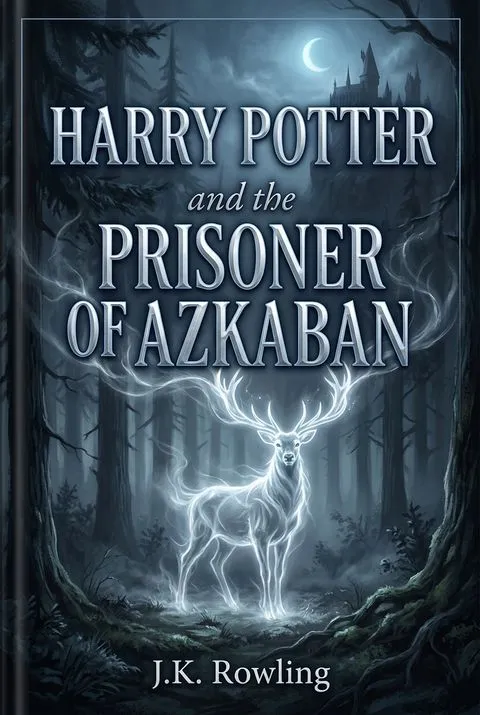
Résumé de l'intrigue
Devoirs de minuit et surprises d’anniversaire
Harry Potter, jeune sorcier, endure un été chez les Dursley, ses proches détestant la magie. En secret, il accomplit ses devoirs scolaires, rêvant de Poudlard. Pour son anniversaire, il reçoit des cadeaux d’amis, dont un Détecteur de Fourchelang de Ron et un Kit d’entretien de balai de Hermione. Un colis mystérieux contenant un balai Éclair de Feu arrive sans mot, laissant Harry à la fois ravi et intrigué par ce présent anonyme.
La visite malheureuse de tante Marge
Tante Marge, sœur de l’oncle Vernon, rend visite aux Dursley, apportant tension et mépris envers Harry. Pendant le dîner, Marge insulte les parents d’Harry, ce qui fait perdre le contrôle à ce dernier qui, par accident, la fait gonfler comme un ballon. Paniqué, Harry s’enfuit de chez les Dursley, traînant sa malle et sa chouette Hedwige dans la nuit. Il craint d’être renvoyé de Poudlard pour avoir utilisé la magie hors de l’école.
La fuite et le Magicobus
Seul et incertain, Harry est recueilli par le Magicobus, un transport magique pour sorciers en détresse. À bord, il apprend l’évasion de Sirius Black, un prisonnier dangereux. Harry est conduit au Chaudron Baveur, où il rencontre Cornelius Fudge, le Ministre de la Magie. Contre toute attente, Fudge se montre indulgent face à la magie accidentelle d’Harry, lui permettant de rester dans le Chemin de Traverse jusqu’à la rentrée.
Les secrets du Chaudron Baveur
Harry savoure sa liberté en explorant les boutiques et préparant la nouvelle année scolaire. Il découvre l’évasion de Sirius Black et le danger qu’il représente. Fred et George Weasley lui offrent une carte mystérieuse révélant les passages secrets de Poudlard. La carte, créée par « Lunard, Queudver, Patmol et Cornedrue », devient un outil précieux pour Harry.
Le Grim et l’Éclair de Feu
En cours de Divination, Harry apprend qu’un Grim, présage de mort, plane sur lui. Il est hanté par l’apparition d’un grand chien noir, censé être ce sinistre présage. Malgré ces signes, Harry est enthousiaste à l’idée de son nouveau balai Éclair de Feu, bien que Hermione se méfie de son origine. La tension monte entre Harry, Ron et Hermione, qui se disputent à propos du balai et du chat de cette dernière, Pattenrond.
Pré-au-Lard et la Carte du Maraudeur
Ne pouvant se rendre légalement à Pré-au-Lard, Harry utilise la Carte du Maraudeur pour s’y faufiler. Il surprend une conversation révélant que Sirius Black a trahi ses parents à Voldemort. Bouleversé et en colère, Harry peine à accepter cette révélation. Ron et Hermione tentent de le dissuader de chercher vengeance, craignant pour sa sécurité.
Le froid des Détraqueurs
Lors d’un match de Quidditch, Harry est attaqué par des Détraqueurs, ce qui le fait tomber de son balai. Il entend les derniers instants de sa mère, ce qui le bouleverse profondément. Le professeur Lupin, nouveau maître de la Défense contre les Forces du Mal, explique que les Détraqueurs se nourrissent du désespoir et propose d’apprendre à Harry à s’en défendre. Déterminé, Harry s’engage dans cet apprentissage, hanté par les souvenirs que ces créatures réveillent.
Le dîner de Noël et révélations inattendues
À Poudlard, un petit groupe se réunit pour le dîner de Noël, comprenant Harry, Ron, Hermione, ainsi que des professeurs comme Dumbledore et Rogue. L’atmosphère s’allège grâce aux plaisanteries de Dumbledore avec des crackers magiques, mais la tension revient lorsque la professeure Trelawney rejoint la table, redoutant le malheureux chiffre treize. La conversation évoque l’absence du professeur Lupin, malade, laissant entrevoir son mystérieux mal. Le dîner se conclut sur une prédiction inquiétante de Trelawney concernant l’avenir de Lupin, annonçant les événements à venir.
Les origines mystérieuses de l’Éclair de Feu
Harry reçoit un balai haut de gamme, l’Éclair de Feu, en cadeau anonyme. Hermione, soucieuse de la sécurité d’Harry, en informe la professeure McGonagall, craignant un enchantement malveillant de Sirius Black. Le balai est alors confisqué pour inspection, provoquant une fracture entre Hermione et ses amis. Cette tension souligne les difficultés croissantes dans leur amitié et la menace imminente que représente Sirius Black, supposé être à la poursuite d’Harry.
Le Patronus et les souvenirs sombres
Déterminé à vaincre sa peur des Détraqueurs, Harry commence des leçons privées avec le professeur Lupin pour maîtriser le Sortilège du Patronus. Ces cours sont éprouvants, car Harry doit affronter les souvenirs douloureux de la mort de ses parents. Malgré les difficultés initiales, sa persévérance porte ses fruits et il parvient peu à peu à invoquer un Patronus, force protectrice contre les Détraqueurs. Ce parcours de découverte de soi et de résilience marque une étape cruciale dans sa maturation.
Le triomphe au Quidditch et la trahison
Gryffondor remporte un match décisif de Quidditch grâce au talent d’Harry et à son nouvel Éclair de Feu. La victoire est assombrie par la disparition de Croûtard, le rat de Ron, avec des indices pointant vers Pattenrond, le chat de Hermione. Les tensions montent, mais le véritable choc survient lorsque Ron, Harry et Hermione découvrent que Croûtard est en réalité Peter Pettigrow, un traître supposé mort. Cette révélation bouleverse leur monde, remettant en question leurs notions d’amitié et d’ennemi.
Le Retourneur de Temps et la grande évasion
Grâce au Retourneur de Temps d’Hermione, Harry et elle remontent le temps pour sauver Buck, l’Hippogriffe, et Sirius Black de destins injustes. Leur mission, pleine de dangers et de secrets, exige qu’ils évitent d’être vus par leurs doubles passés. Ce sauvetage réussi illustre les thèmes de justice et d’amitié, alors qu’ils défient les obstacles pour protéger les innocents. Cette aventure renforce leur lien et ouvre une nouvelle voie pour leur avenir.
Vérités dévoilées et nouveaux départs
La vérité sur l’innocence de Sirius Black et la trahison de Peter Pettigrow éclate, modifiant la compréhension qu’a Harry du passé de ses parents. Malgré cette victoire, Lupin démissionne de Poudlard, craignant les réactions liées à sa condition de loup-garou. Harry reste avec un sentiment de perte, mais aussi d’espoir, Sirius lui offrant un nouveau foyer. L’histoire se conclut sur la détermination d’Harry à affronter l’avenir, armé de connaissances nouvelles et du soutien de ses amis.
Personnages
Harry Potter
Harry est un jeune sorcier confronté au traumatisme de la mort de ses parents et à la révélation de la trahison de Sirius Black. Sa détermination à affronter ses peurs et à protéger ses amis le pousse, malgré le poids émotionnel de son histoire.
Hermione Granger
Hermione est l’amie intelligente et débrouillarde d’Harry, souvent la voix de la raison. Soucieuse de la sécurité d’Harry, elle se montre méfiante envers l’Éclair de Feu, privilégiant la logique et la prudence face au danger.
Ron Weasley
Ron est l’ami fidèle d’Harry, apportant soutien et humour. Il protège Harry et partage son mépris pour les Dursley. L’amitié de Ron est mise à l’épreuve par les tensions autour du chat de Hermione et de l’Éclair de Feu.
Sirius Black
Sirius, parrain d’Harry, a été emprisonné à tort pour des crimes qu’il n’a pas commis. Son évasion d’Azkaban et ses actions ultérieures sont motivées par le désir de protéger Harry et de laver son nom. Son personnage incarne la loyauté et la quête de justice, luttant contre le stigmate de son passé.
Remus Lupin
Lupin, professeur de Défense contre les Forces du Mal, est un loup-garou qui lutte contre sa condition. Son amitié avec les parents d’Harry et son rôle dans la révélation de la vérité sur Sirius et Pettigrow témoignent de son intégrité et de son courage. Son départ de Poudlard souligne les préjugés auxquels il fait face, malgré sa noblesse d’âme.
Peter Pettigrew
Ancien ami des parents d’Harry, Pettigrow les a trahis à Voldemort, causant leur mort. Sa transformation en Croûtard, le rat de Ron, symbolise sa nature trompeuse. Ses actes sont au cœur du conflit central, révélant les dangers de la trahison et de la lâcheté.
Les Dursley
Les Dursley sont les parents moldus d’Harry qui le maltraitent. Leur mépris pour la magie et le monde d’Harry crée un environnement hostile, accentuant son isolement durant l’été.
Hagrid
Hagrid est le garde-chasse de Poudlard et un ami fidèle d’Harry. Son amour pour les créatures magiques le met souvent dans des situations délicates, comme avec Buck l’Hippogriffe. Sa loyauté et sa gentillesse restent inébranlables malgré ses maladresses.
Severus Rogue
Le ressentiment profond de Rogue envers Sirius et Lupin trouve ses racines dans leur passé commun. Ses actions, motivées par un désir de vengeance, ajoutent de la tension au récit. Son personnage illustre la complexité des notions de loyauté et de rancune.
Albus Dumbledore
Le soutien et les conseils de Dumbledore sont essentiels dans la quête de justice d’Harry et de ses amis. Sa foi en l’innocence de Sirius et son usage réfléchi du Retourneur de Temps témoignent de sa sagesse et de sa clairvoyance.
Artifices narratifs
La Carte du Maraudeur
La Carte du Maraudeur est un artefact magique dévoilant le plan de Poudlard, y compris les passages secrets et la position des personnes dans le château. Elle sert d’outil narratif pour permettre à Harry d’explorer et de comprendre les mystères du lieu, tout en symbolisant l’héritage de la génération de son père. Ses créateurs, « Lunard, Queudver, Patmol et Cornedrue », suggèrent des liens profonds avec le passé d’Harry et le mystère entourant Sirius Black.
Le Retourneur de Temps
Le Retourneur de Temps permet à Hermione et Harry de remonter le temps, modifiant ainsi les événements pour sauver Buck et Sirius. Cet objet met en lumière les thèmes du destin, du choix et des implications éthiques du voyage temporel, enrichissant la complexité du récit.
Le Sortilège du Patronus
Le Sortilège du Patronus, que Harry apprend à maîtriser, constitue une défense puissante contre les Détraqueurs. Il symbolise la force intérieure d’Harry et sa capacité à surmonter peur et désespoir, reflétant sa croissance et sa résilience tout au long de l’histoire.
Analyse
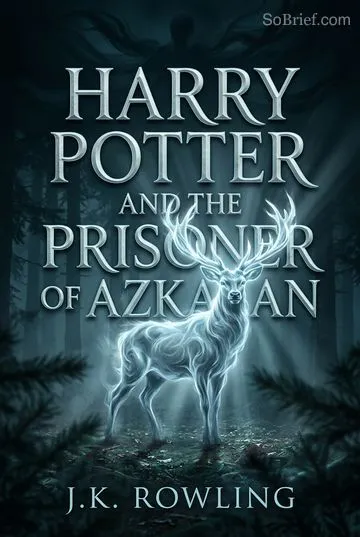
"Harry Potter et le Prisonnier d’Azkaban" explore des thèmes profonds tels que la justice, la peur et la puissance de l’amitié. Le récit remet en question les notions de bien et de mal, dévoilant la complexité de la nature humaine à travers des personnages comme Sirius Black et Peter Pettigrow. L’histoire souligne l’importance d’affronter ses peurs, illustrée par la lutte d’Harry contre les Détraqueurs et sa quête de vérité sur ses parents. L’amitié et la loyauté sont au cœur du récit, avec le lien entre Harry, Ron et Hermione mis à l’épreuve et renforcé par leurs aventures. Le livre aborde également les préjugés, notamment à travers les difficultés de Lupin liées à sa condition de loup-garou, soulignant la nécessité de compréhension et d’acceptation. En définitive, ce récit est un voyage d’introspection et de résilience, où Harry apprend à naviguer dans les défis de son passé pour embrasser les promesses de son avenir.
Les lecteurs ont aussi lu
FAQ
Synopsis & Basic Details
What is Harry Potter and the Prisoner of Azkaban about?
- A Darker Third Year: Harry Potter's third year at Hogwarts is marked by the escape of Sirius Black, a dangerous wizard believed to be after him, and the introduction of Dementors, creatures that feed on despair.
- Unraveling the Past: Harry, along with Ron and Hermione, uncovers secrets about his parents' past, including the betrayal that led to their deaths, and the true identity of a seemingly harmless pet rat.
- Confronting Fear and Prejudice: The story explores themes of fear, prejudice, and the complexities of good and evil, as Harry learns to defend himself against Dementors and grapples with the truth about his parents' friends.
Why should I read Harry Potter and the Prisoner of Azkaban?
- Intricate Plot Twists: The book features a complex plot with unexpected twists and turns, keeping readers engaged and guessing until the very end. The introduction of time travel adds a unique layer of complexity.
- Character Development: The characters, especially Harry, Ron, and Hermione, undergo significant development, facing new challenges and growing in their understanding of the world and themselves.
- Emotional Depth: The story delves into deeper emotional themes, exploring grief, betrayal, and the power of friendship, making it a more mature and emotionally resonant read than the previous books.
What is the background of Harry Potter and the Prisoner of Azkaban?
- Escaped Convict Threat: The story is set against the backdrop of Sirius Black's escape from Azkaban prison, creating a sense of unease and danger throughout the narrative. This escape is unprecedented and causes widespread fear in the wizarding world.
- Magical Creatures and Prejudice: The book introduces new magical creatures, such as Hippogriffs and Dementors, and explores the prejudice and fear surrounding them, reflecting real-world social issues.
- Hogwarts and the Wizarding World: The story expands the world of Hogwarts and the wizarding community, revealing more about its history, secrets, and the complex relationships between its members.
What are the most memorable quotes in Harry Potter and the Prisoner of Azkaban?
- "I solemnly swear that I am up to no good.": This phrase, used to activate the Marauder's Map, embodies the spirit of mischief and adventure that runs through the book, and is a fan favorite.
- "The ones that love us never really leave us.": This quote, though not directly stated, is implied through the Patronus Charm and Harry's connection to his parents, highlighting the enduring power of love and memory.
- "Happiness can be found, even in the darkest of times, if one only remembers to turn on the light.": This quote, though not directly stated, is implied through the Patronus Charm and Harry's connection to his parents, highlighting the enduring power of love and memory.
What writing style, narrative choices, and literary techniques does J.K. Rowling use?
- Third-Person Limited Perspective: Rowling employs a third-person limited perspective, primarily focusing on Harry's thoughts and feelings, which allows readers to experience the story through his eyes while maintaining a sense of mystery.
- Foreshadowing and Symbolism: The book is rich in foreshadowing, with seemingly minor details and events gaining significance later in the plot. Recurring symbols, such as the Grim and the Dementors, enhance the story's themes.
- Humor and Heartbreak: Rowling masterfully blends humor with moments of heartbreak and tension, creating a dynamic and emotionally engaging reading experience. The use of witty dialogue and character quirks provides levity amidst the darker themes.
Hidden Details & Subtle Connections
What are some minor details that add significant meaning?
- The Pocket Sneakoscope: Ron's gift to Harry, initially dismissed as unreliable, foreshadows the presence of untrustworthy individuals, particularly Pettigrew, and highlights the theme of hidden dangers.
- The Monster Book of Monsters: Hagrid's gift to Harry, a biting book, foreshadows the challenges and dangers Harry will face in his Care of Magical Creatures class and the unpredictable nature of the creatures he will encounter.
- The Shrieking Shack: The description of the Shrieking Shack as the most haunted building in Britain foreshadows its significance as a location for a major confrontation and the revelation of hidden truths.
What are some subtle foreshadowing and callbacks?
- Trelawney's Predictions: Professor Trelawney's seemingly random predictions, such as the Grim and the departure of a student, foreshadow key events in the story, adding a layer of mystery and suspense.
- The Marauder's Map: The map's ability to show the location of everyone in Hogwarts, including Pettigrew, foreshadows his true identity and his presence in the castle, setting the stage for the climax.
- Lupin's Illness: Lupin's monthly absences and his need for a special potion foreshadow his true nature as a werewolf, adding a layer of complexity to his character and his relationship with Harry.
What are some unexpected character connections?
- Lupin and the Marauders: The revelation that Lupin was part of the Marauders, along with Harry's father and Sirius, adds depth to his character and reveals a shared history that connects him to Harry's past.
- Crookshanks and Sirius: The connection between Crookshanks and Sirius, with Crookshanks helping Sirius, highlights the cat's intelligence and loyalty, and foreshadows Sirius's innocence.
- Snape and Lupin's Past: The revelation of Snape's past with Lupin and the Marauders explains his animosity towards Lupin and his deep-seated resentment, adding complexity to their relationship.
Who are the most significant supporting characters?
- Remus Lupin: As the new Defense Against the Dark Arts teacher, Lupin becomes a mentor to Harry, teaching him valuable skills and offering insights into his past. His character is pivotal in revealing the truth about Sirius and Pettigrew.
- Sirius Black: Though initially presented as a villain, Sirius's true nature as Harry's godfather and a victim of injustice makes him a central figure in the story, driving the plot and challenging Harry's perceptions.
- Peter Pettigrew: As the true betrayer, Pettigrew's character is crucial in revealing the truth about the past and highlighting the dangers of cowardice and betrayal. His actions drive the plot and shape the characters' destinies.
Psychological, Emotional, & Relational Analysis
What are some unspoken motivations of the characters?
- Snape's Resentment: Snape's deep-seated resentment towards Harry stems from his past with James Potter and his unrequited love for Lily, which fuels his animosity and his desire to see Harry fail.
- Lupin's Guilt: Lupin's guilt over his werewolf condition and his past actions with the Marauders drives his desire to protect Harry and make amends for his past mistakes.
- Sirius's Obsession: Sirius's obsession with finding Pettigrew is driven by his desire to clear his name and avenge his friends, highlighting his loyalty and his need for redemption.
What psychological complexities do the characters exhibit?
- Harry's Trauma: Harry's trauma from his parents' death and his encounters with Dementors reveal his vulnerability and his struggle to cope with his past, highlighting the psychological impact of loss and fear.
- Hermione's Anxiety: Hermione's anxiety about her studies and her fear of failure reveal her perfectionism and her need for control, highlighting the pressures she places on herself.
- Ron's Insecurity: Ron's insecurity about his family's poverty and his feelings of inadequacy compared to Harry and Hermione are evident in his reactions to Scabbers and his desire for recognition.
What are the major emotional turning points?
- Harry's Discovery of Sirius's Innocence: The revelation that Sirius is innocent and that Pettigrew is the true betrayer is a major emotional turning point for Harry, shifting his understanding of his past and his feelings towards Sirius.
- The Loss of the Firebolt: The confiscation of the Firebolt is a significant emotional blow for Harry, highlighting his deep connection to Quidditch and his desire for recognition and success.
- The Dementor Attack: The Dementor attack during the Quidditch match is a major emotional turning point for Harry, forcing him to confront his deepest fears and triggering his determination to learn the Patronus Charm.
How do relationship dynamics evolve?
- Harry, Ron, and Hermione's Friendship: The trio's friendship is tested by disagreements and misunderstandings, but ultimately strengthened by their shared experiences and their loyalty to each other.
- Harry and Lupin's Mentor-Mentee Relationship: Harry and Lupin's relationship evolves from teacher and student to a bond of mutual respect and understanding, as Lupin shares his past and helps Harry confront his fears.
- Ron and Hermione's Conflict: Ron and Hermione's conflict over Crookshanks and Scabbers highlights their differing perspectives and their struggle to understand each other, but ultimately leads to a deeper appreciation for their friendship.
Interpretation & Debate
Which parts of the story remain ambiguous or open-ended?
- The Nature of the Patronus: While the Patronus Charm is explained, the exact nature of its connection to the caster's memories and emotions remains somewhat ambiguous, leaving room for interpretation.
- The Future of Pettigrew: The story leaves Pettigrew's fate open-ended, raising questions about his future actions and his potential impact on the wizarding world.
- The Extent of Voldemort's Influence: The book hints at the lingering influence of Voldemort and his followers, leaving readers to wonder about the extent of their power and their plans for the future.
What are some debatable, controversial scenes or moments in Harry Potter and the Prisoner of Azkaban?
- Snape's Treatment of Students: Snape's harsh treatment of students, particularly Neville, raises questions about his ethics and his suitability as a teacher, sparking debate about the nature of authority and fairness.
- Hermione's Actions Regarding the Firebolt: Hermione's decision to report the Firebolt to McGonagall, while well-intentioned, is controversial, highlighting the conflict between loyalty and responsibility.
- The Use of the Time-Turner: The use of the Time-Turner raises questions about the ethics of time travel and the potential consequences of altering the past, sparking debate about the nature of fate and free will.
Harry Potter and the Prisoner of Azkaban Ending Explained: How It Ends & What It Means
- Sirius's Escape: The ending sees Sirius Black escape on Buckbeak, highlighting the triumph of justice and the power of friendship, but also leaving a sense of uncertainty about his future and his safety.
- Pettigrew's Escape: Pettigrew's escape underscores the ongoing threat of Voldemort and his followers, and the potential for betrayal and danger to resurface.
- Lupin's Departure: Lupin's resignation from Hogwarts, while necessary, is a bittersweet ending, highlighting the prejudice and fear surrounding werewolves, and the loss of a valuable mentor for Harry.
Harry Potter Série
Télécharger le PDF
Télécharger l'EPUB
.epub digital book format is ideal for reading ebooks on phones, tablets, and e-readers.








































